
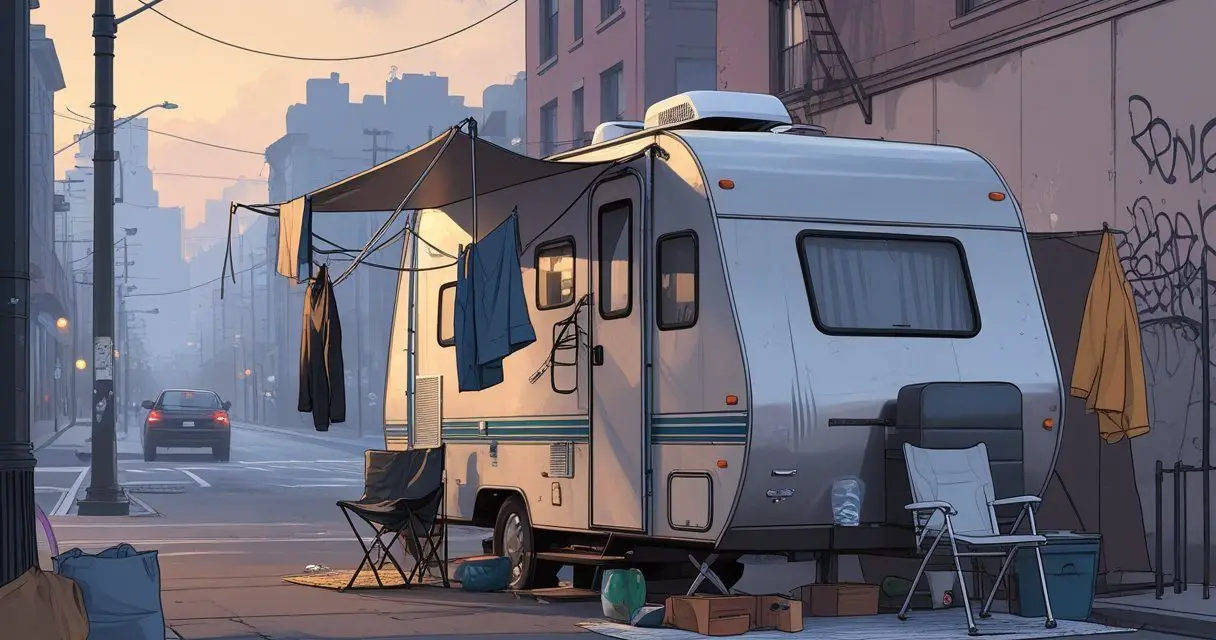
The RV lifestyle just got a whole lot more complicated, and you need to know about it. Following the Supreme Court’s June 2024 decision in City of Grants Pass v. Johnson, local governments across seventeen states have been rewriting their RV parking and living laws faster than you can pack up your motorhome. What started as a seemingly distant court case about homelessness has turned into a regulatory tsunami that’s hitting everyone who lives in or parks an RV—whether you’re a full-timer, a weekend warrior, or someone who just needs affordable housing.
By November 2024, cities were already implementing sweeping changes that could cost you $1,000 in fines, 90 days in jail, or worse—the loss of your home on wheels. From California to Washington, the rules governing where you can park overnight, how long you can stay, and even whether you can sleep in your own vehicle have been turned upside down. This isn’t just about homelessness anymore—it’s about your freedom to travel and live the RV lifestyle you love.
You might be thinking, “I’m not homeless, so this doesn’t affect me.” Think again. These new laws don’t distinguish between someone living in an RV by choice and someone doing it out of necessity. Your rig is your rig, and these regulations could impact your next road trip, your boondocking plans, and even where you can legally park in front of your own house.
1. The Supreme Court Ruling That Started It All
Let’s start with ground zero: the City of Grants Pass v. Johnson case. In June 2024, the U.S. Supreme Court ruled 6-3 that cities can enforce camping bans and impose fines and jail time on people sleeping in public spaces—even if there aren’t enough shelter beds available. This overturned the previous 2018 Martin v. Boise ruling that protected people from being punished for sleeping outside when no shelter was available.
The lead plaintiff, Gloria Johnson, was a retired nurse living in her minivan because she couldn’t afford housing on Social Security. She faced $295 in fines just for trying to sleep. The Supreme Court said that’s totally fine, opening the floodgates for cities to crack down on anyone living in vehicles on public property.
Here’s What You Need to Know:
| Ruling Aspect | What It Means |
|---|---|
| Overturned Martin v. Boise | Cities no longer need to offer shelter before penalizing outdoor sleeping |
| Affects 17+ States | Washington, Oregon, California, and more can now enforce stricter laws |
| Fines & Jail Time | Cities can impose up to $1,000 fines and 90 days in jail |
Pro Tip for You: Just because you’re in a nice Class A motorhome doesn’t mean you’re exempt. If you’re parked on public land in the wrong city, you could face the same penalties. Always check local ordinances before settling in for the night.
2. Washington Cities Remove Shelter Requirements
After the Grants Pass decision, six Washington cities—Aberdeen, Auburn, Kennewick, Lakewood, Richland, and Spokane—moved quickly to modify their laws. The big change? They eliminated the requirement to offer shelter before clearing encampments or issuing citations.
In Auburn, the City Council removed shelter requirements in September 2024. Now people can be immediately ordered off public land and charged with a misdemeanor carrying up to $1,000 in fines and 90 days in jail. Kennewick followed suit with the same penalties while still requiring a 72-hour notice. Lakewood went even further, allowing police to remove encampments with just 24 hours notice.
The Reality Check:
You’re probably thinking shelter requirements don’t apply to you anyway since you have a home (your RV). But here’s the thing: if you’re parked overnight in any of these cities on public property—a street, a park, a rest area—you’re now subject to immediate removal. No warnings, no grace period, just pack up and move or pay the price.
3. Spokane’s 1,000-Foot Buffer Zone Goes Into Effect
Spokane voters approved Proposition 1 in November 2023, banning public camping within 1,000 feet of schools, parks, and daycares. City leaders delayed enforcement because of legal complications from Martin v. Boise, but after Grants Pass cleared that hurdle, enforcem