
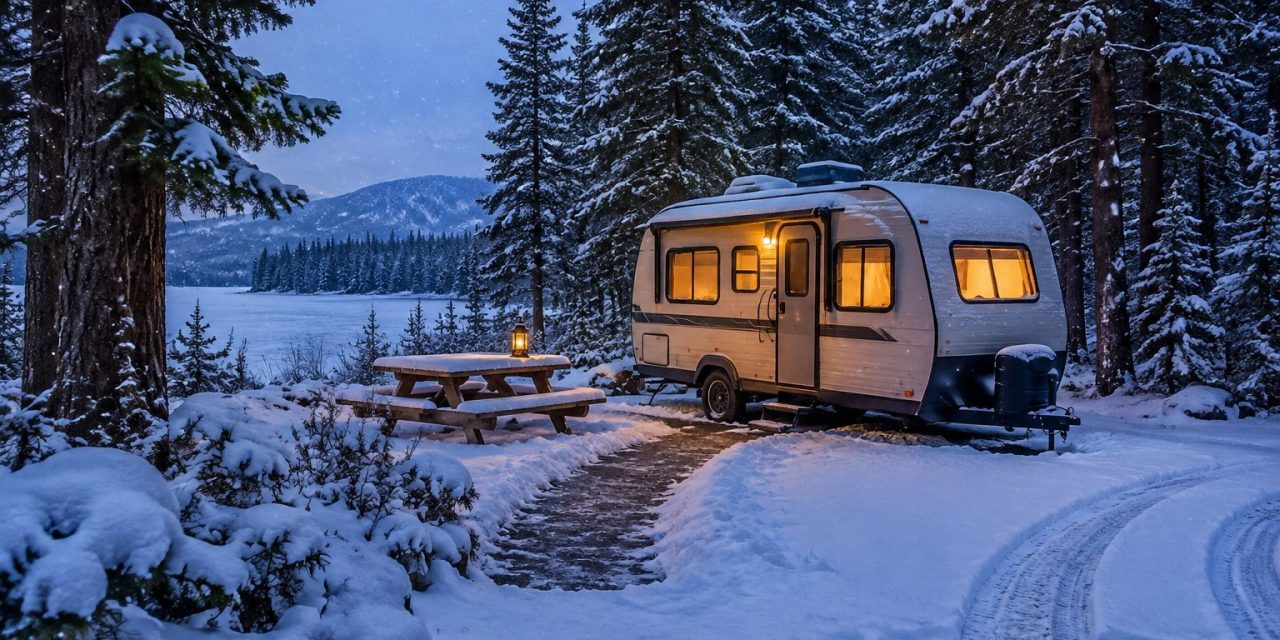
Most campgrounds in snow country shut their gates by late October, but a quieter list of sites keeps the lights on, the gates unlocked, and the loops open for campers willing to pack an extra layer. Some of these places run full hookups and plowed roads all winter. Others open only a single loop, cut water service at the spigots, and leave you filling jugs at a central tap. Both kinds earn a spot here, as long as you know which one you’re driving into.
This list covers twelve campgrounds across the country, from Death Valley’s gravel flats to the misty meadows of Cades Cove, with an eye toward which ones genuinely thin out once the snow flies and which ones still draw a crowd around the holidays. A few sit inside national parks that get plenty of day traffic even in January, so “quiet” here means fewer tents and RVs at the sites around you, not an empty park. Check road conditions and reservation calendars before you commit; winter weather changes plans fast, and a closed gate at the entrance station is a bad surprise two hours from home.
1) Mesquite Spring Campground, California
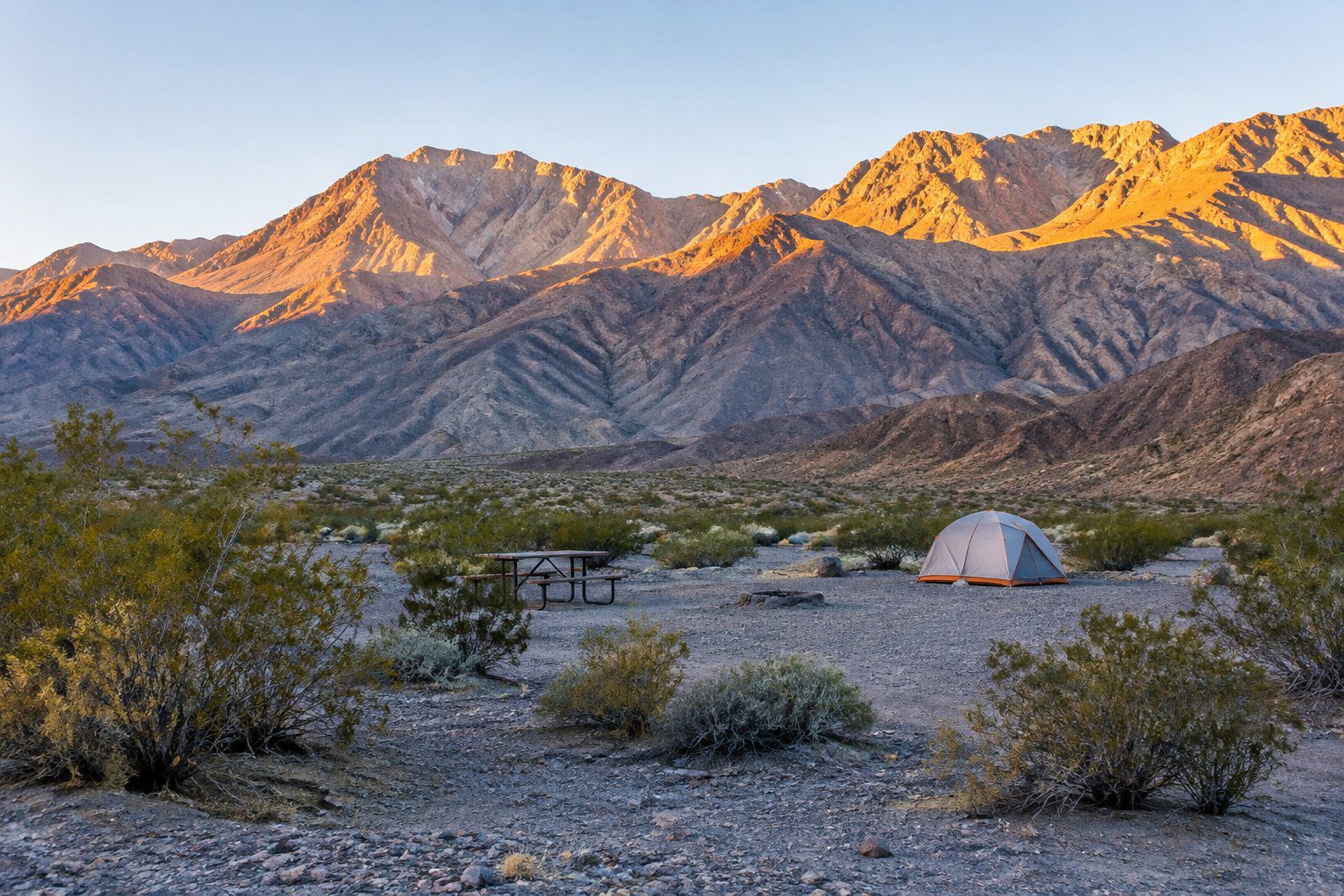
Mesquite Spring sits in the northern reaches of Death Valley National Park, far enough from the Furnace Creek corridor that it misses most of the park’s winter tour-bus traffic. Winter is actually the park’s busy season, since summer heat makes camping unworkable, but this campground’s distance from the visitor center and the main highway keeps it calmer than sites closer to the valley floor.
Expect vault toilets, potable water, and no hookups. Nighttime temperatures can drop well below freezing at this elevation, so bring a bag rated colder than you think you’ll need. The surrounding gravel flats and bare peaks make for a stark, satisfying place to sit outside at dusk once the generators quiet down.
2) Elk Prairie Campground, California
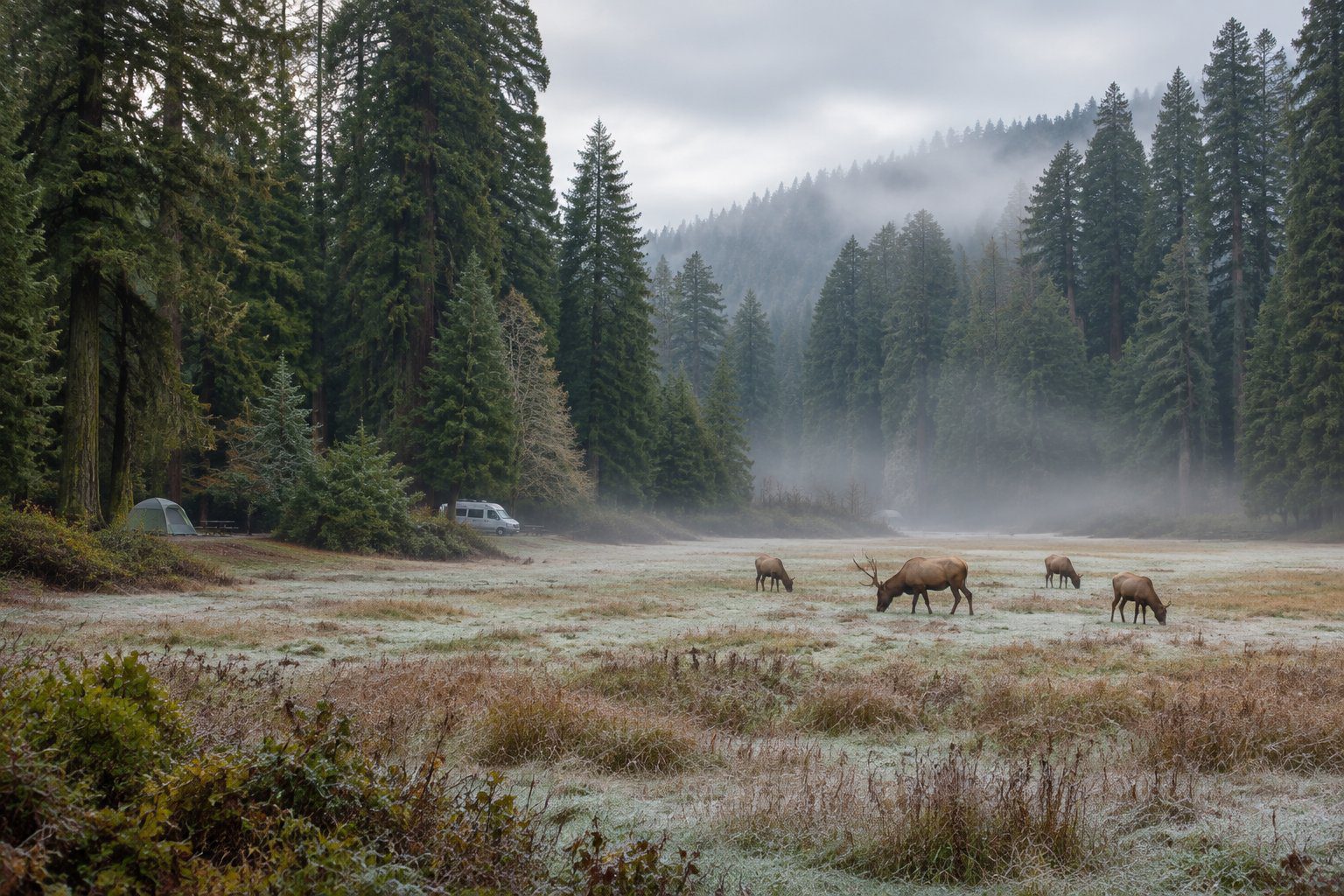
Elk Prairie, inside Prairie Creek Redwoods State Park, trades desert silence for the hush of old-growth redwoods and a resident elk herd that often grazes within sight of the campsites. Winter rain is a given here, not an occasional risk, so a good rainfly and a tarp over the picnic table aren’t optional extras.
The campground stays open through winter with restrooms, showers, and potable water, though you’ll want to confirm current hours directly with the park before you go. Midweek winter stays here are notably calmer than summer, when coastal fog-chasers fill every loop. Watch for elk on the access road at dawn and dusk; they have the right of way.
3) Cades Cove Campground, Tennessee
Cades Cove only runs its C-loop through December, which narrows your options but also narrows the crowd to whoever’s willing to book one of those limited sites. Misty valley mornings and grazing deer make this one of the more atmospheric winter stays in the Smokies, and Forge Creek Road closes seasonally, so reaching the historic grist mill and the cabin sites means hiking rather than driving, according to The Dyrt’s roundup of winter campgrounds.
Pigeon Forge and Gatlinburg sit about an hour away, both running holiday light displays and Winterfest events that start in early November. That’s worth knowing if you want a lively evening out after a quiet day in the cove. Confirm which loop is open and whether water service is active before you load the truck; Smokies winters can shut down even the open loop during a hard freeze.
4) Harris Beach State Park, Oregon
Harris Beach keeps its Oregon coast campground open through winter, and the off-season crowd thins dramatically compared to summer, when the park’s sea stacks and tide pools draw steady day-trip traffic from Brookings and beyond. Coastal pines shelter many of the sites from the worst of the wind, though Pacific storms still roll through with real force this time of year.
Winter here means rain gear, not snow gear. Expect wet weather, dramatic surf, and quiet beachcombing at low tide once the day-trippers clear out. Reserve ahead even in the off-season, since this park’s reputation as a locals’ favorite means it doesn’t stay empty for long.
5) Kalaloch Campground, Washington
Kalaloch sits on the Olympic Peninsula’s wild coast, where winter storm-watching is practically its own tourist season. That means the campground isn’t empty on weekends when a big swell is forecast, but weekday stays in January and February are a different story, with driftwood beaches and bluff-top sites mostly to yourself.
Rain is constant, wind is frequent, and the campground’s open, exposed layout offers less shelter than a forested site would. Pack for wet weather you can’t layer your way out of, and expect limited services; some restrooms and water may be reduced or closed depending on the season, so confirm specifics with the park before heading out.
6) Cottonwood Campground, Texas
Cottonwood, tucked in Joshua Tree National Park, is one of the clearer examples on this list of a site that opens specifically be