
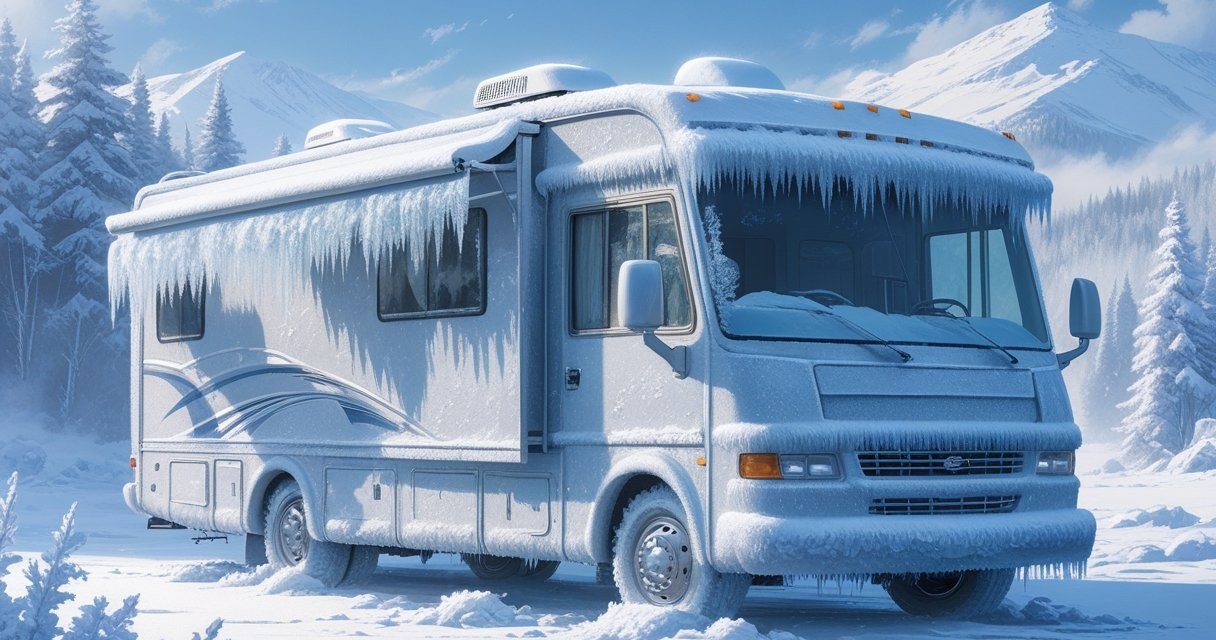
Winter camping can turn into a nightmare faster than you can say “frozen pipes.” When temperatures plummet below zero, your RV’s plumbing becomes as useless as a chocolate teapot. Whether you’re a full-time RVer or a weekend warrior caught in a cold snap, knowing how to unfreeze your pipes could save you from a very expensive insurance claim.
This isn’t just theory—these are proven steps that actually work when you’re standing in front of your sink wondering why nothing’s coming out. RVers and mobile home dwellers face the same brutal reality: pipes freeze, and when they do, you’ve got limited time to fix the problem before things get messy (or expensive). Let’s dive into the exact steps you need to thaw those stubborn pipes and get your water flowing again.
1. Diagnose the Problem: Find Out Which Pipes Are Actually Frozen
Before you start wielding hair dryers like a madman, you need to figure out which pipes have given up on life. Turn on all your faucets—hot and cold—to see what’s working and what’s not. If hot water flows but cold doesn’t, congratulations, you’ve narrowed down the problem significantly.
The cold water line is usually the culprit because it doesn’t benefit from the warmth of your water heater. In RVs and mobile homes, pipes run dangerously close to exterior walls where they’re practically begging to freeze. Feel along the pipes if you can access them—frozen pipes will be ice-cold to the touch while functioning ones remain relatively warm.
Here’s the thing: You’re basically playing detective with plumbing. Touch that pipe like you’re checking if your pizza rolls are cool enough to eat. If it feels like a Popsicle, you’ve found your problem child.
| Symptom | What It Means | Action Required |
|---|---|---|
| No water from any faucet | Main line is frozen | Check supply line near water source |
| Hot water works, cold doesn’t | Cold water line frozen | Focus on cold water pipes |
| One faucet dead, others fine | Individual pipe frozen | Target that specific line |
According to RV repair statistics, frozen pipes account for approximately 37% of winter RV damage claims, with repair costs averaging between $500 to $2,000 depending on whether pipes burst. The best time to catch a freeze is before it becomes a burst.
2. Open the Faucet Before You Start Thawing
This might seem counterintuitive when nothing’s coming out anyway, but trust the process. Turn that faucet to the “on” position before you begin thawing operations. When the ice starts melting, the water needs somewhere to go, and you want it flowing out the