If you’ve ever sold an RV after a few years of ownership, you already know the gut punch of a lowball trade-in offer. The good news is that some brands soften that blow a lot better than others.
Airstream consistently tops resale value charts and holds its worth better than any other RV brand, thanks to its aluminum construction and decades of cult-like demand. Roamly’s research points to Jayco as the resale leader instead, largely on the strength of its warranty coverage, which tells you something important right away: brand rankings shift depending on what’s being measured and which RV category you’re shopping in.
This list pulls together the brands that show up again and again in resale studies and real-world used listings, along with honest notes on where they fit and what might change your results. Travel trailers depreciate differently than Class A motorhomes, and a brand that dominates one category might be average in another.
Quick picks:
- Best overall resale reputation: Airstream, for timeless design and strong collector demand
- Best warranty-backed mid-market pick: Jayco, per Roamly’s resale research
- Best for towable buyers: Grand Design, for consistent quality across Reflection and Solitude lines
- Best for Class A luxury buyers: Newmar, for premium materials that age well
1) Airstream
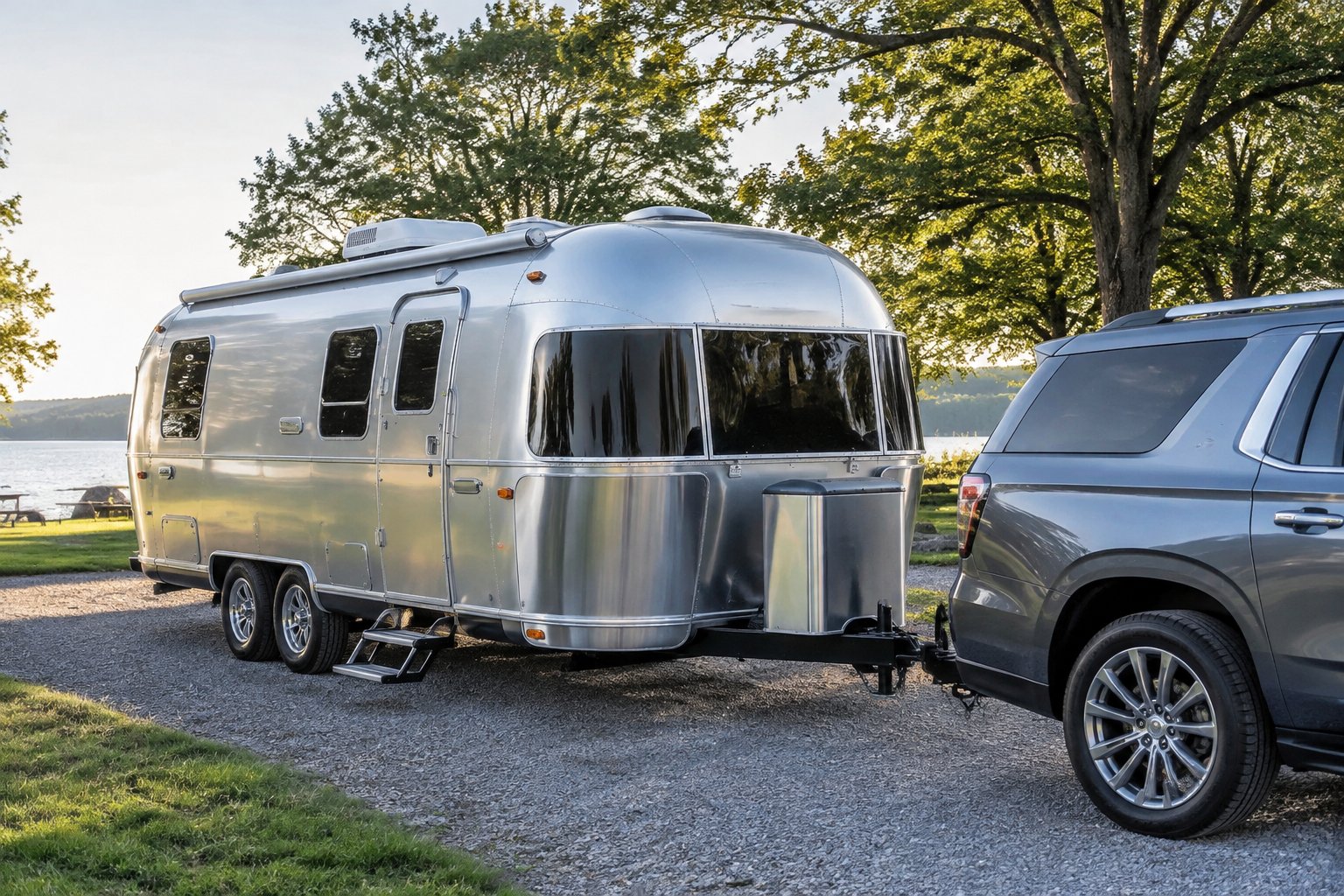
Airstream’s riveted aluminum shell is the reason this brand sits at the top of nearly every resale conversation. That single-shell body resists the moisture damage and delamination that eventually catches up with wood-framed trailers. A 10 or even 20-year-old Airstream can still turn heads at a campground, and that lasting appeal keeps buyers willing to pay up for used units.
Part of this comes down to identity. People don’t just shop for “a travel trailer.” They shop for an Airstream specifically, and that brand-specific demand keeps resale prices firm even when the broader travel trailer market softens.
You’ll pay a premium to buy one new. If history is any guide, you’ll recoup more of that premium at sale time than you would with most competitors.
2) Jayco
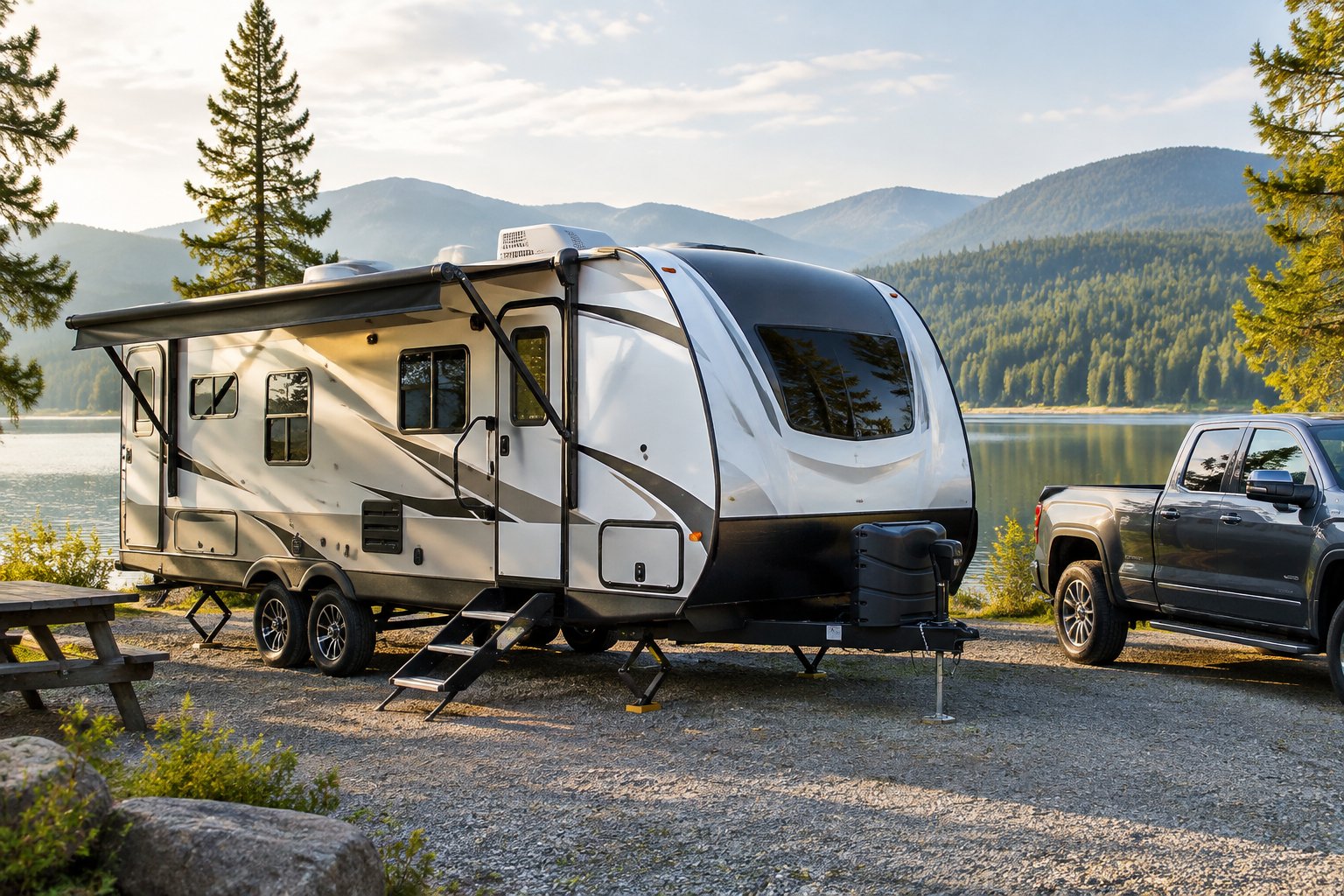
Roamly’s resale research ranks Jayco as the top brand for holding value, crediting over 50 years in business and a three-year structural warranty that few competitors match. That warranty matters more than it might seem at first glance. A buyer shopping used knows a structural problem is still covered, which removes a lot of the risk that scares people away from secondhand RVs.
Jayco builds a wide range of travel trailers, fifth-wheels, and motorhomes, so this isn’t a narrow or specialty brand. That breadth means more used inventory to compare, which helps keep pricing data realistic and transparent.
Jayco sits in a sweet spot for buyers who want strong resale backing without paying Airstream-level prices upfront.
3) Grand Design
Grand Design built a strong resale reputation faster than almost any other manufacturer in the towable market. Models like the Reflection, Imagine, and Solitude show up often in used listings commanding solid prices, which reflects consistent build quality and a dealer network that backs up what the company promises.
Owner satisfaction plays a real role here. Happy Grand Design owners tend to talk about it, and that word-of-mouth creates steady demand for used units.
If you’re shopping fifth-wheels or travel trailers and want a newer brand with a proven resale track record, Grand Design belongs on your shortlist.
4) Winnebago
Winnebago’s name recognition does real work for resale, especially in the Class B and smaller Class C segments where demand has stayed strong. Models like the Revel, Travato, and View line up well with what buyers want right now: smaller, more livable rigs built on proven automotive chassis.
That chassis detail matters more than most shoppers realize. Winnebago’s Class B vans use platforms from Mercedes-Benz, Ford, and Ram, which means parts and service are easy to find almost anywhere. Buyers shopping used feel safer with that kind of support behind them.
Winnebago also builds Class A and larger Class C motorhomes, and those benefit from the same brand trust, though resale strength shows up most clearly in the smaller, van-based lineup.
5) Oliver
Oliver Travel Trailers holds value at a level that surprises people who haven’t shopped the brand before. Its twin-fiberglass shell construction skips the wood framing found in most competitors entirely, which means no delamination risk and a trailer that looks nearly new well into its ownership life.
Production numbers stay small, and that’s by design. Limited supply paired with steady demand keeps used Oliver trailers priced close to what original owners paid, something you rarely see outside the premium fiberglass category.
Oliver won’t compete with Airstream on brand recognition among non-RVers. Among buyers who know fiberglass construction, it commands serious respect and serious resale dollars.
6) Lance
Lance has quietly built one of the strongest reputations for tight build quality in the travel trailer and truck camper market. Its aluminum-framed construction and attention to fit and finish keep used Lance units priced above comparable competitors on private-sale sites.
Truck campers are where Lance really stands apart. That segment has fewer strong brand names overall, so a well-kept Lance camper often sees faster sales and firmer pricing than you’d expect for the category.
Lance doesn’t get the mainstream attention that Airstream or Winnebago do. Among buyers who’ve owned one, loyalty runs deep, and that loyalty shows up in what people are willing to pay used.
7) Newmar
Newmar earns its resale reputation through premium materials and construction standards that hold up well over the long haul. Buyers shopping the luxury Class A market pay close attention to build quality, and Newmar’s reputation here gives it an edge over many competitors in the same price range.
Even older Newmar coaches draw serious interest from buyers who know the brand, because they understand what they’re getting beneath the surface finishes. That confidence helps sustain pricing in a segment where depreciation tends to run steep.
Class A motorhomes as a whole depreciate faster than towables or Class B vans, mostly because of their size, complexity, and fuel costs. Newmar doesn’t escape that pattern entirely. It softens the landing better than most luxury diesel pushers in its class.
How These RV Brands Were Ranked
Which Sources and Resale Signals Inform the Ranking?
This list draws on resale studies, insurance industry research, and patterns in used RV listings rather than one single data set. Roamly’s analysis of the RV resale market, used-listing comparisons across brands, and documented construction differences (aluminum versus wood framing, for example) all factor into which brands show up here.
No single study covers every brand and every RV type with the same methodology, so this list leans on where multiple sources agree.
Why Do Brand Rankings Differ Across Studies?
Rankings shift because studies measure different things. Some focus on percentage of value retained after five years, others on warranty strength, and others on raw demand in used listings.
Roamly’s report puts Jayco first based on warranty coverage and longevity. Other research leans toward Airstream because of its collector following and construction quality. Neither ranking is wrong. They’re just measuring different parts of the same puzzle, and the RV category matters too: a travel trailer study won’t rank the same way as a Class A motorhome study.
How Does RV Type Affect Value Retention?
RV type changes the resale math more than most buyers expect. Class B motorhomes tend to retain roughly 50 to 53% of their value after five years, the strongest showing of any RV category, largely because they’re built on proven automotive chassis with wide dealer support.
Travel trailers from strong brands often retain 40 to 55% over the same period, since there’s no engine or drivetrain to age out. Fifth-wheels land in a similar range, while Class A motorhomes see the steepest percentage drop-off, often retaining only 30 to 45%, due to their high price points and complex systems.
How to Buy an RV With Resale Value in Mind
Should You Buy New or Used to Reduce Depreciation?
Buying lightly used is often the smartest way to dodge the steepest depreciation hit. The first owner absorbs most of the first-year drop, which can run around 20% of the purchase price, so a rig that’s two to four years old often gives you a much better starting point.
This works especially well with brands like Airstream, Grand Design, and Winnebago, where demand for used units stays strong enough that you’re not stuck with something impossible to sell later.
How Can You Check Model-Specific Used Values?
J.D. Power’s RV values tool (formerly NADA) is the standard reference dealers and lenders use for trade-in and retail pricing. Run a check there before you negotiate any purchase or trade, and compare it against real listings for the same model and year.
A popular floor plan in good condition can sit above the baseline retail number. A model with an outdated layout or unknown history can fall below trade-in value, even from a well-regarded brand.
Which Inspection Findings and Service Records Matter Most?
Full maintenance records and a clean inspection often outweigh brand name when it comes to final sale price. Ask about roof seal maintenance, water damage history, and whether the unit has ever had delamination repairs.
For wood-framed trailers, check exterior panels for bubbling or soft spots, since that signals moisture has gotten into the wall structure. For motorhomes, service records on the engine and generator carry real weight with buyers who know what expensive repairs look like down the road.
Why Compare Dollar Loss Alongside Retained Value?
Percentage retained and actual dollars lost tell different stories, and both matter when you’re budgeting. A Class A motorhome that retains 40% of its value after five years might still represent a bigger dollar loss than a travel trailer that only retains 45%, simply because the starting price was so much higher.
Before you buy, run the math both ways: what percentage are you likely to keep, and how many actual dollars does that represent at your price point? That second number is often the one that affects your wallet the most.