Yellowstone pulled in more than 1.1 million visitors in July but saw that number drop to roughly 420,000 in October, a crowd reduction of almost 60 percent in a single season swing.[4] That’s not a fluke. Across the country, the same pattern repeats at dozens of public campgrounds once Labor Day traffic fades and school schedules kick back in.
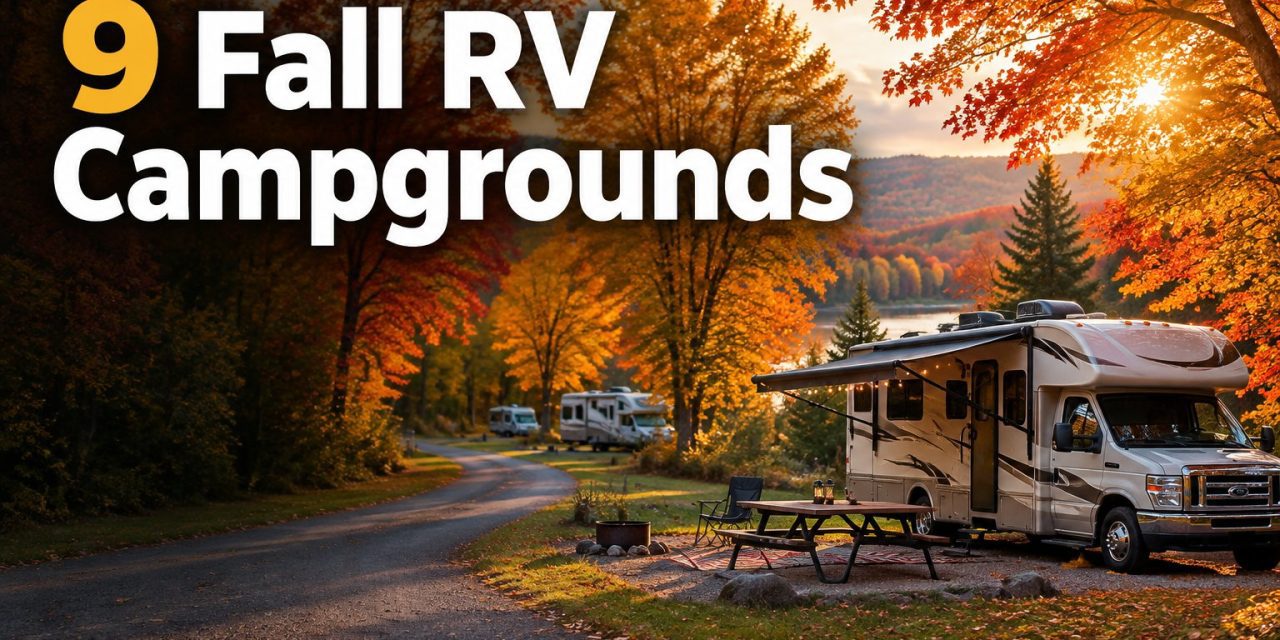
This list of 9 fall campgrounds that empty out in October rounds up the specific loops, lakeside sites, and mountain campgrounds where RVers can expect quieter neighbors, easier reservations, and a slower pace, even as campground occupancy overall has been creeping upward during shoulder season.[7] A few of these spots close outright by mid-October, while others simply thin out enough to feel like a private retreat.
1. Lewis Lake Campground, Yellowstone National Park
Lewis Lake sits in the quieter southern stretch of Yellowstone, away from the geyser-basin traffic jams that clog the park all summer. It’s one of the last campgrounds in the park to shut its gates each fall, typically closing around October 11, which makes it a magnet for RVers chasing the final weeks of the season.[2]
By the first week of October, the lake itself turns glassy and still, and the lodgepole pines along the shoreline start dropping needles across empty campsites. Rangers scale back staffing here well before the official closing date, so expect vault toilets instead of flush facilities and little to no camp store activity.
Anyone planning a trip should call ahead to confirm the exact closing date for the current season, since Yellowstone adjusts dates slightly year to year based on weather and road conditions. Bringing extra firewood and groceries is smart, because nearby services in West Thumb and Grant Village often shut down earlier in the month.[2]
2. Slough Creek Campground, Yellowstone National Park
Slough Creek is a small, no-frills campground tucked into the Lamar Valley region, better known among wildlife watchers than RV travelers. It holds on a bit longer than some of Yellowstone’s other northern-range campgrounds, generally closing around October 12.[2]
The appeal here in October isn’t luxury, it’s solitude. Wolf and elk activity picks up as temperatures drop, and with far fewer vehicles rolling through the valley, early morning drives feel almost private. Sites are narrow and better suited to smaller trailers and camper vans than big Class A motorhomes, so this is one to scout carefully before committing a longer rig to the access road.
Because Slough Creek has no hookups and minimal amenities even at peak season, October visitors should treat it like a boondocking trip: full tanks, charged batteries, and a plan for cold nights. The payoff is a front-row seat to one of the park’s best wildlife corridors without the midsummer traffic backups along the Lamar Valley road.
3. Grand Canyon’s Shoulder-Season Campgrounds
Grand Canyon’s visitation numbers tell the story plainly. July crowds routinely top a million visitors, but that number falls off dramatically by October, creating one of the more dramatic crowd swings of any major park.[4] Campgrounds that require reservations months in advance during summer often have same-week availability once fall arrives.
The South Rim stays more active than the North Rim, which closes services earlier in the season, so RVers aiming for a quieter canyon experience in October should lean toward South Rim sites while confirming current openings directly with the park.
Shorter days matter here. Sunset comes earlier, temperatures at the rim drop fast once the sun disappears, and some water lines get shut off to prevent freezing damage. Travelers who show up expecting full summer services sometimes find themselves disappointed, so checking current conditions before departure saves a lot of frustration on arrival.[3]
4. Cougar Rock Campground, Mount Rainier National Park
Cougar Rock is one of Mount Rainier’s largest and most popular campgrounds, which makes its October transformation especially noticeable. Summer weekends here often fill every site before noon, but by the back half of October, many loops sit nearly empty as cold weather and shorter daylight hours push casual campers elsewhere.
The forested setting near the Nisqually River keeps things scenic even without snow on the ground yet, and the lower elevation compared to Paradise means roads often stay passable longer into the fall. RVers who visit in early-to-mid October tend to catch a sweet spot: mild daytime temperatures, colorful undergrowth, and a fraction of the summer traffic.
Facilities start winding down as the month progresses, so visitors should plan for fewer restroom and water options toward month’s end. Calling the park directly or checking the current status page before a trip helps avoid surprises, especially if snow arrives earlier than expected in the Cascades.
5. Ohanapecosh Campground, Mount Rainier National Park
Ohanapecosh sits in old-growth forest on Rainier’s southeast side, and its October atmosphere is a different kind of quiet than Cougar Rock’s. Towering cedars and hemlocks block most direct sunlight, so the campground already feels hushed, and by October that stillness deepens as fewer campers pass through.