
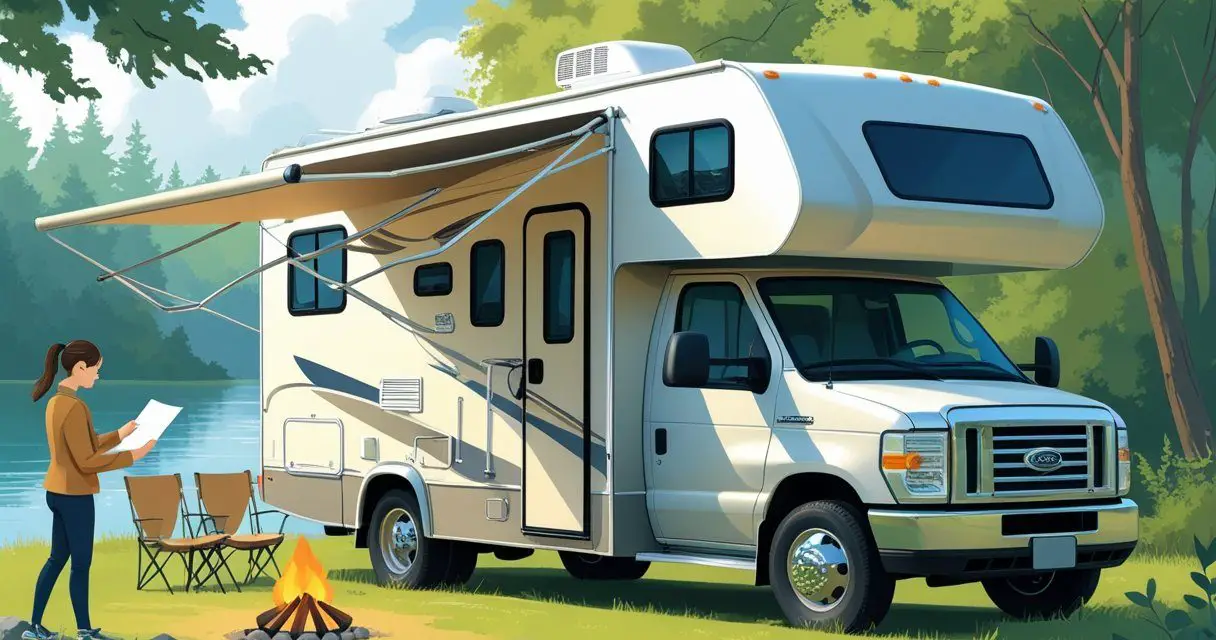
If you’re dreaming of hitting the road in an RV while also scoring some tax benefits, you might be wondering whether your recreational vehicle can actually count as a second home. Yes, your RV can qualify as a second home for tax purposes if it has sleeping, cooking, and toilet facilities according to IRS guidelines. This classification opens up potential deductions that could help offset the costs of your mobile adventures.
The tax landscape for RVs has shifted significantly in recent years, making it more complex than simply buying any recreational vehicle and claiming deductions. Understanding the specific requirements and limitations can help you make informed decisions about your purchase and potentially save money on your taxes.
Whether you’re considering an RV as an alternative to a traditional vacation home or just want to maximize the financial benefits of your investment, knowing how these rules work will help you navigate the process more effectively.
Key Takeaways
- RVs with sleeping, cooking, and toilet facilities can qualify as second homes under IRS rules
- Tax deductions for RV mortgage interest are limited by current laws and may require itemizing deductions
- Consulting a tax professional is recommended to understand how RV ownership affects your specific tax situation
What Does It Mean for an RV to Qualify as a Second Home?
When your RV qualifies as a second home, you can claim mortgage interest deductions and property tax benefits similar to a traditional vacation home. The IRS has specific facility requirements that determine eligibility, and different types of recreational vehicles may qualify differently based on their amenities and setup.
Key Requirements According to the IRS
The IRS requires your RV to have three essential facilities to qualify as a second home. Your recreational vehicle must include sleeping, cooking, and toilet facilities all within the same unit.
The sleeping area can be a permanent bed, convertible dinette, or any designated space for rest. Your cooking facility needs a stove, cooktop, or other permanent cooking equipment – a microwave alone typically doesn’t qualify.
The toilet requirement means a functional bathroom with plumbing. Portable camping toilets or cassette systems may not meet IRS standards depending on their installation and functionality.
All three facilities must be built into the RV itself. External attachments like portable grills or separate bathroom facilities don’t count toward qualification.
Your RV also needs to be used as a dwelling, not just storage or transportation. The IRS expects reasonable personal use of the vehicle as living space.
Differences Between RVs, Travel Trailers, and Other Dwellings
Motorhomes typically qualify most easily since they’re self-contained units with integrated systems. Class A, B, and C motorhomes usually include all required facilities in one cohesive living space.
Travel trailers and fifth wheels can qualify if they contain the three required facilities. Size doesn’t matter – even smaller trailers may qualify if properly equipped.
Truck campers often qualify when they include complete kitchen and bathroom facilities. Pop-up campers rarely qualify due to limited permanent facilities.
Toy haulers can qualify if the living area includes all required amenities separate from the cargo space. The IRS focuses on the dwelling portion, not storage areas.
Traditional vacation homes have permanent foundations and utilities. RVs differ because they’re mobile and may rely on hookups or self-contained systems for water, electricity, and waste management.
Common Misconceptions About RV Eligibility
Many people believe expensive RVs automatically qualify as second homes. Price doesn’t determine eligibility – only the presence of required facilities matters.
You don’t need to park your RV on owned land for it to qualify. RVs can qualify whether parked at RV parks, campgrounds, or private property.
Frequent movement isn’t required or prohibited. Your RV can remain stationary and still qualify as a second home if it meets facility requirements.
Some assume only large RVs qualify, but size doesn’t matter to the IRS. A small travel trailer with proper facilities can qualify over a large motorhome without them.
Many think RV loans automatically qualify for mortgage interest deductions. The loan terms don’t determine tax treatment – only whether your RV meets IRS dwelling requirements.
Business use doesn’t disqualify your RV from second home status, but it may affect your deduction calculations and require additional tax considerations.
IRS Rules and Criteria for Second Home Status
The IRS has specific requirements that determine whether your RV qualifies as a second home for tax purposes. These rules focus on basic living facilities, how you use the vehicle, and maintaining proper documentation.