
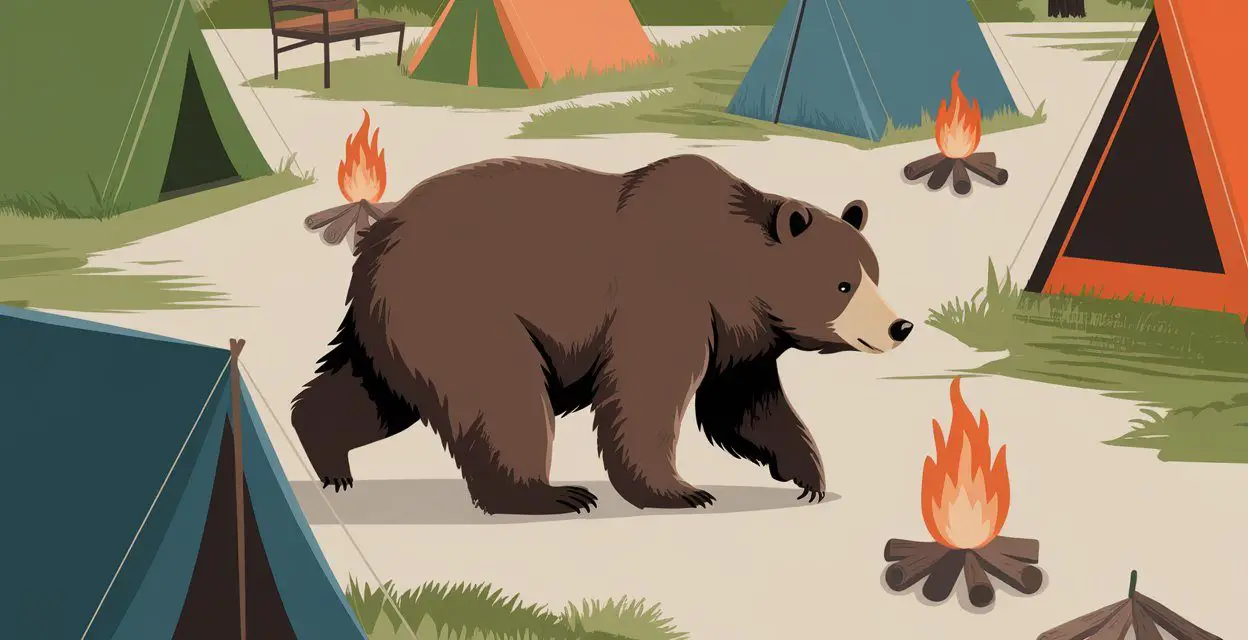
You may wonder, can a bear break into an RV while you’re camping near Yellowstone National Park or the Rocky Mountain National Park? Black bears and grizzly bears have strong paws and a keen sense of smell, making campervans like your Winnebago tempting targets.
This blog shares stories from real RV owners, food storage tips, and easy safety steps to keep wild bears out of your travel trailer in bear country. Keep reading to protect both your family and wildlife on your next rv camping trip!
Key Takeaways
- Bears, like black bears and grizzlies, can break into RVs by smashing windows, tearing doors, or ripping through thin walls. This happens in places such as Yellowstone National Park and Jasper, Canada.
- Food smells attract bears from miles away. Leaving snacks out or not sealing trash can invite them to your campsite or RV.
- Some campers report seeing bears damage coolers and eat all the food inside. Rangers in British Columbia point to bear break-ins caused by poor food storage every year.
- Use airtight containers for food and keep trash locked up tight. Close and check all doors and windows before you leave your RV unattended.
- Carry bear spray at all times in bear country. If a bear enters your RV, stay calm, back away slowly, call local wildlife authorities right away, and never fight the bear on your own.
Can a Bear Break Into an RV?
Turns out, a grizzly or black bear can open doors, smash windows, and tear through thin RV walls like a hot knife in butter. If you camp near Yellowstone National Park, Jasper in Canada, or the wilds of British Columbia—always think twice about food storage and locking up tight at night.
Common scenarios of bear break-ins
Bears often sniff out snacks left inside your RV in places like Yellowstone National Park or Jasper, Canada. A loaf of bread on the counter or a bag of chips on the table acts like an invitation to black bears and grizzlies alike.
Sometimes, campers toss food wrappers in outside bins without sealing them tight. In British Columbia and Rocky Mountain National Park, rangers report hungry brown bears tearing off doors or smashing windows just to grab leftovers.
You might hear stories on forums about grizzlies pawing at coolers during whale-watching season near Prince Rupert. Bears remember easy meals; so if someone fed one last year by accident around sporting camps, it may come searching again this summer.
Food storage mistakes can bring bear encounters faster than you can say “bear-proof container.” Few incidents happen each year among millions of RV owners, but a single human-bear interaction gone wrong can quickly turn into a serious problem.
Examples of damage caused by bears
Bears can create a lot of damage when they break into an RV. They often seek out food, which leads to destruction.
- Torn doors and windows can happen as bears try to get inside your RV. They are strong and determined creatures.
- Coolers can get smashed open if not secured properly. Bears recognize them as a food source.
- Cabinets may be ripped apart while searching for snacks. This can leave your belongings scattered everywhere.
- Furniture can get damaged when bears move around in the small space of an RV.
- Food items can be completely consumed or ruined during an encounter, wasting valuable supplies.
- The exterior of your RV might show scratches and dents from bear claws, making it look rougher than before.
Protecting your RV from these events is crucial while camping in bear country, like Yellowstone National Park or Rocky Mountain National Park.
Why Do Bears Target RVs?
Bears often target RVs because of food smells. When you cook or store food, the scent can travel a long way. Bears have a strong sense of smell, so they easily catch whiffs of tasty snacks.
They are curious creatures and will investigate anything that looks or smells like a meal. If your RV is open or has weak locks, bears see it as an easy chance for a feast.
Attraction to food and scents
Bears are attracted to food and strong scents. They have an amazing sense of smell, much better than humans or even bloodhounds. Odorous foods like tuna, sausage, and bacon can draw them in from far away.
If you leave food out or dispose of garbage carelessly, bears will notice it right away.
Many campers don’t think twice about what they throw in the trash. Improper waste disposal easily attracts bears. Even citronella products can lure them due to their scent. In bear country, be careful with what you store outside your RV.
Keep everything sealed up tight to avoid unwanted visitors!
Bear behavior and instincts around campsites
Bears have a strong sense of smell. They can detect food from miles away. This instinct often leads them to campsites and RVs, where humans store snacks and meals. While black bears might seem friendly, they can become dangerous if they feel threatened or want food.
A bear can run as fast as 30 miles per hour and climb trees easily, including grizzlies.
At night, bears are especially active. They wander around looking for meals. Lack of wild food might push them into areas filled with people like national parks or campgrounds. You must be cautious in bear country; their natural instincts drive them toward human food sources and garbage bins left out in the open.
Keeping your campsite clean is key to avoiding unwanted visitors!
Prevention Tips to Protect Your RV from Bears
Bears love to snoop around RVs. You can keep them away with a few smart moves.
Store your food in bear-proof containers. Keep trash sealed and locked up tight. Make sure all doors and windows close securely, too. Use bear spray or alarms if you’re camping in bear country.
It’s like an extra layer of protection you don’t want to skip!