
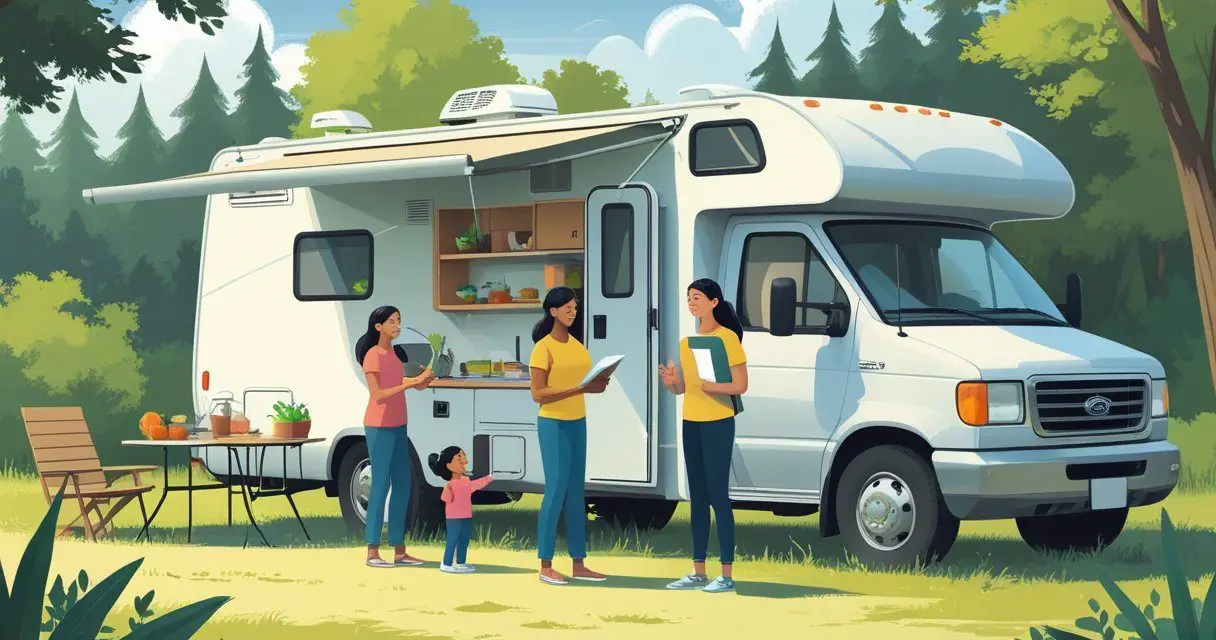
Many families choosing the RV lifestyle worry about Child Protective Services taking their children away. Living in an RV does not automatically give CPS the right to remove your child from your care.
The agency focuses on whether your child’s basic needs are being met, not the type of home you live in.
CPS can only take action when there is proof of neglect, abuse, or immediate danger to your child’s safety. The key is making sure your RV provides a clean, safe environment with proper utilities, sanitation, and basic necessities.
Poor living conditions, lack of resources, or health hazards could trigger an investigation. Understanding what CPS looks for during an investigation helps you prepare and protect your family.
You can take steps to prove your RV is a stable home by keeping maintenance records, ensuring proper utilities, and documenting your child’s health and education.
Key Takeaways
- CPS cannot remove children based solely on living in an RV if basic needs are met
- Investigators evaluate RV homes using the same safety standards as traditional houses
- Proper documentation and maintenance records help prove your RV is a safe environment
Legal Standards for CPS Intervention
Child Protective Services must follow specific legal rules when deciding whether to remove a child from their parents. Court orders play a key role in most removal cases, while parents keep certain rights throughout the process.
When Child Protective Services Can Remove a Child
CPS can only take your child when they have clear evidence of danger or harm. The agency must prove that your child faces immediate risk.
Common reasons for removal include:
- Physical abuse or neglect
- Sexual abuse
- Drug or alcohol abuse by parents
- Unsafe living conditions
- Abandonment
- Medical neglect
Living in an RV alone is not grounds for removal. CPS must show that your RV creates specific dangers for your child.
The agency looks at basic needs like food, water, shelter, and safety. They also check if your child can access school and medical care.
CPS workers must document their concerns with photos and written reports. They cannot remove your child based on personal opinions or bias against your lifestyle.
Role of Court Orders in CPS Cases
Most child removals require a court order. CPS must ask a judge for permission before taking your child in non-emergency situations.
Emergency removals can happen without a court order if:
- Your child faces immediate danger
- There is no time to get a judge’s approval
- CPS has reasonable belief of serious harm
After an emergency removal, CPS must go to court within 24-48 hours. A judge will decide if the removal was legal and necessary.
You have the right to attend all court hearings about your case. The judge will review evidence and hear from both sides before making decisions.
Overview of Parental Rights
You keep most of your parental rights during a CPS investigation. The agency cannot take away these rights without following proper legal steps.
Your key rights include:
- Right to legal representation
- Right to visit your child
- Right to challenge CPS decisions in court
- Right to refuse entry without a warrant
- Right to remain silent during interviews
CPS cannot terminate your parental rights quickly. This process takes months or years and requires multiple court hearings.
You can work with CPS to address their concerns and get your child back. Following their safety plan and completing required services helps show you are a fit parent.
How Living in an RV Is Evaluated by CPS
CPS investigators use specific criteria to determine if your RV living situation meets child welfare standards. They focus on basic needs, safety hazards, legal compliance, and access to essential services.
Assessing Basic Needs and Safety in an RV
CPS evaluates whether your RV provides the fundamental requirements for child welfare. They check if you have running water, electricity, and proper heating or cooling systems.
Space requirements are a major concern. Children need adequate room for sleeping, playing, and storing belongings.
CPS looks for overcrowding issues that could affect a child’s development. Sleeping arrangements must provide privacy and comfort.
Children typically need separate sleeping areas from adults. This can be challenging in smaller RVs but can be addressed with proper curtains or dividers.
Structural safety is examined closely. CPS checks for broken windows, loose railings, or damaged floors.
They also look for proper ventilation to prevent carbon monoxide buildup. Your RV must be in good working condition.
Broken appliances, leaking pipes, or faulty electrical systems can create safety hazards that concern CPS investigators.
Sanitation and Environmental Risks
Sanitation standards are strictly evaluated in RV living situations. CPS checks that you have access to clean water for drinking, cooking, and bathing.
Your waste management system must work properly. This includes both black water and gray water systems.
Backup or overflow creates health risks that CPS considers serious. Environmental dangers include mold, pests, or chemical exposure.
Poor ventilation can lead to moisture problems and mold growth. CPS looks for these issues during inspections.
Cleanliness of the living space matters significantly. Dirty dishes, garbage buildup, or unsanitary conditions can trigger CPS concerns about neglect.
Food storage and preparation areas must meet health standards. CPS checks that you can safely store adequate food and prepare meals for your children.
Location and Legal Zoning
Legal parking affects how CPS views your living situation. Parking in areas not zoned for residential use can create problems with local authorities.
CPS considers whether your location provides stability for your children. Constantly moving or staying in unsafe living conditions raises red flags about housing security.
Neighborhood safety is evaluated based on crime rates and environmental hazards. Parking near industrial areas or high-crime zones can concern investigators.
Access to utilities becomes complicated in illegal parking situations. CPS needs to see that you can maintain consistent power, water, and sewer connections.
Local ordinances about RV living vary widely. Some areas prohibit full-time RV residence, which can complicate your legal standing with CPS.
Consistent Access to Education and Healthcare
School enrollment must be maintained regardless of your living situation. CPS verifies tha