
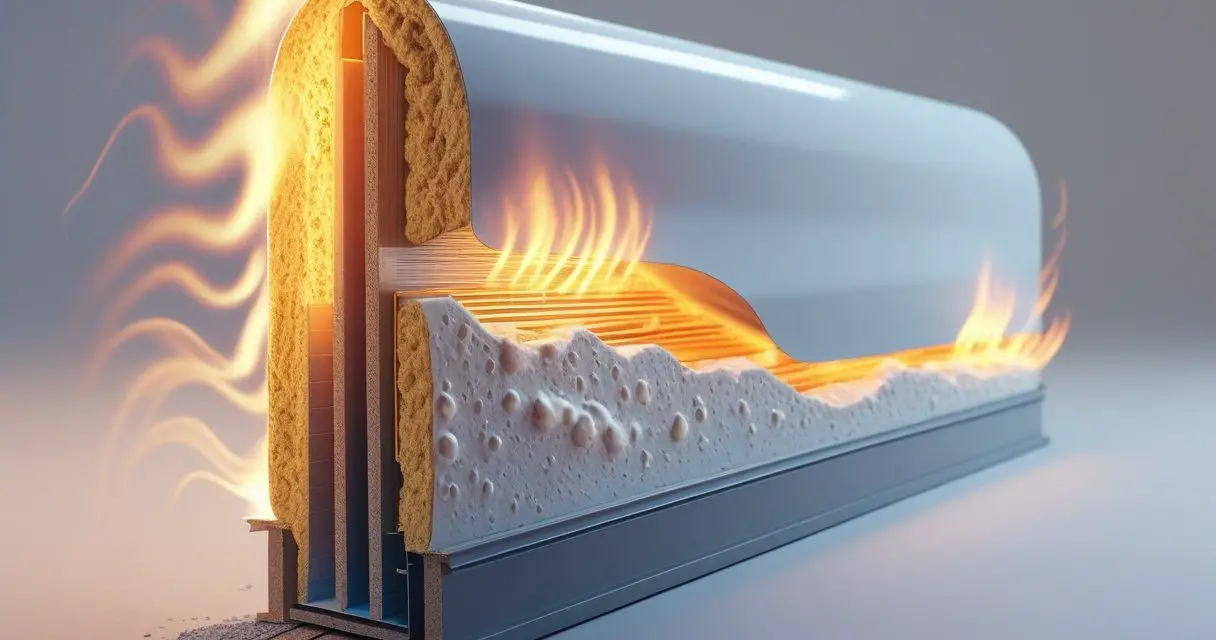
RV delamination is one of the most feared problems for recreational vehicle owners, and for good reason. This issue occurs when the outer layers of your RV’s walls separate from the inner structure, creating unsightly bubbles and potentially serious damage.
Yes, heat can absolutely cause RV delamination, and it’s actually one of the most common culprits behind this costly problem. When your RV sits in direct sunlight for extended periods, the intense heat can weaken the adhesive bonds that hold the wall layers together. This is especially true for older RVs or those with certain types of construction materials.
Understanding how heat affects your RV’s structure is crucial for preventing this expensive repair. This guide will walk you through the science behind heat-induced delamination, help you spot early warning signs, and provide practical solutions to protect your investment from sun damage and other common causes.
Key Takeaways
- Heat from sun exposure weakens the adhesive bonds between RV wall layers, causing them to separate and bubble
- Early detection through regular inspections can save you thousands in repair costs and prevent further structural damage
- Proper parking, maintenance, and protective measures can effectively prevent heat-induced delamination from occurring
How Heat Can Cause RV Delamination
Heat creates serious problems for RV walls by weakening the glue that holds layers together and causing materials to expand at different rates. Direct sunlight and extreme temperatures break down adhesives over time, leading to bubbling and separation on your RV’s exterior.
Impact of Temperature Extremes on Adhesives
Temperature changes put major stress on the adhesives that bond your RV’s wall layers. The glue used in RV construction breaks down when exposed to high heat for long periods.
When temperatures rise above 90°F, adhesives start to soften. This softening makes the bond between layers weaker. Your RV’s walls can reach much higher temperatures than the outside air when sitting in direct sunlight.
Heat affects adhesives in these ways:
- Softens bonding agents at high temperatures
- Causes adhesive failure over repeated heat cycles
- Creates weak spots where layers can separate
- Reduces the glue’s ability to hold materials together
Different materials in your RV walls expand at different rates when heated. The outer fiberglass layer expands differently than the inner foam core. This creates tension that pulls the layers apart.
Manufacturing defects make heat damage worse. RVs built with cheaper adhesives or poor bonding techniques fail faster in hot weather.
Environmental Factors and Heat Exposure
Your RV faces intense heat from multiple sources that increase delamination risk. Direct sunlight heats exterior walls to temperatures much higher than air temperature.
RVs stored outdoors year-round face the most heat exposure. Dark-colored RVs absorb more heat than light-colored ones. The south-facing side of your RV gets the most sun damage.
Key heat sources include:
- Direct sunlight heating exterior walls
- Reflected heat from pavement and concrete
- Hot climates with sustained high temperatures
- Lack of shade or covered storage
Desert climates create the worst conditions for rv delamination. Daily temperature swings from hot days to cool nights stress wall materials. This cycle of heating and cooling weakens adhesives over time.
Poor ventilation inside your RV traps heat. This internal heat adds to the stress on wall materials from the inside.
Signs of Heat-Related Delamination
Heat-related sidewall delamination shows specific warning signs you can spot during regular inspections. Look for these problems on the sunny sides of your RV first.
Visual signs of heat damage:
- Bubbling or rippling on exterior walls
- Wavy appearance in fiberglass panels
- Small blisters that grow larger over time
- Soft spots when you press on the wall
Heat-related delamination often starts near windows and doors. These areas have more seams where heat can penetrate. The damage usually appears on south-facing walls that get the most sun.
Touch your RV’s walls on hot days. Areas that feel unusually soft or spongy may have heat-damaged adhesives. Delamination feels different from solid, properly bonded walls.
Early detection helps prevent small heat-damaged areas from spreading. Check your RV monthly during hot weather for new bubbles or soft spots.
Other Common Causes of RV Delamination
While heat plays a major role in RV delamination, water damage remains the leading cause of sidewall separation. Poor manufacturing quality and physical damage also create conditions that lead to delamination over time.
Water Damage and Moisture Intrusion
Water damage causes most RV delamination cases. Moisture gets into small cracks around windows, doors, and roof seams.
Once water enters the wall, it breaks down the adhesive between layers. The bond weakens and creates air pockets that look like bubbles on your RV’s exterior.
Common water entry points include:
- Window and door seals
- Roof vents and air conditioners
- Awning brackets
- Storage compartment doors
Sidewall delamination often starts small near these areas. You might see a tiny bubble that grows larger each season.
RVs stored outside year-round face higher risks. Rain, snow, and humidity constantly test your seals and create more chances for water to get inside your walls.
Manufacturing Defects and Adhesive Quality
Poor construction methods lead to early delamination problems. Some RV makers use low-quality adhesives that fail within a few years.
The wrong type of sealant can also cause issues. Different materials expand at different rates, which creates stress on the bonds between wall layers.
Quality factors that affect delamination: