
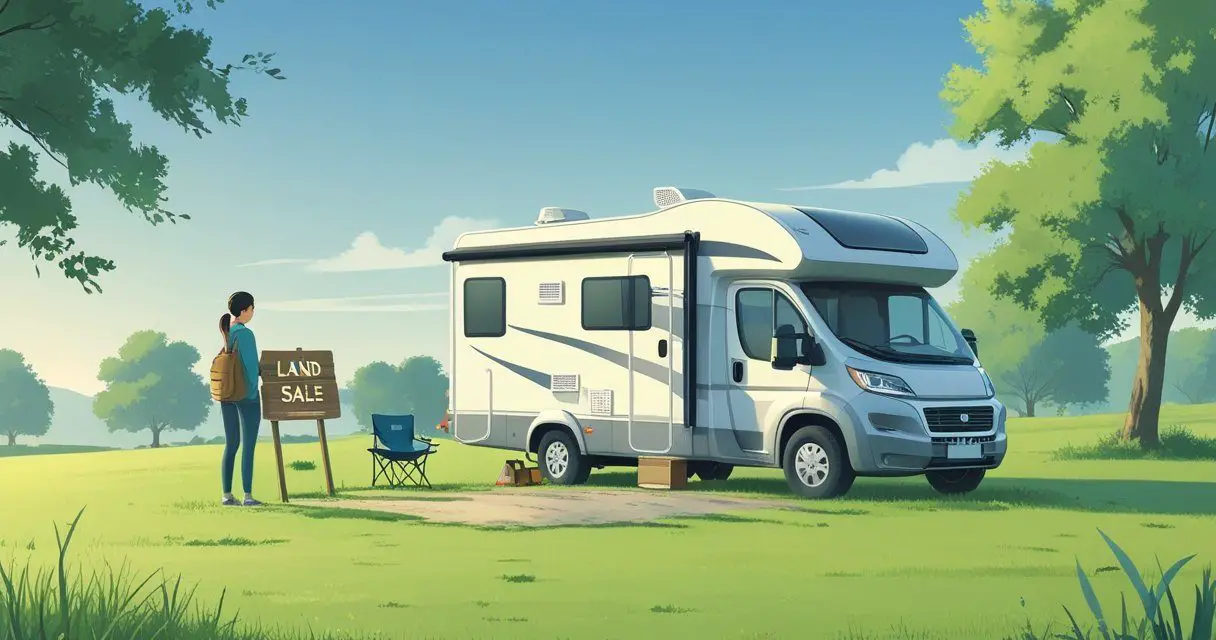
The simple answer is yes, you can buy land to live in an RV, but the process involves more than just making a purchase. Owning land doesn’t automatically give you the right to live in an RV on that property due to local zoning laws, building codes, and permit requirements that vary by location. Many areas classify RVs as temporary structures rather than permanent homes, which creates legal hurdles you must navigate.
Your success depends heavily on understanding local regulations before you buy. Rural areas often have more relaxed rules compared to cities and suburban zones. You’ll need to research zoning ordinances, obtain proper permits for utilities, and ensure the property allows RV living as a primary residence. Some areas only permit RV living for limited periods or during home construction.
This guide will walk you through the legal requirements, location selection, utility setup, and financial considerations. You’ll also learn about alternatives like RV parks and land cooperatives that might better suit your needs and budget.
Key Takeaways
- Local zoning laws and permits determine whether you can legally live in an RV on your land, not just property ownership
- Rural locations typically offer more flexibility for RV living compared to urban areas with stricter building codes
- Utility installation, permits, and infrastructure setup can cost thousands of dollars beyond the initial land purchase
Legal Considerations for Living in an RV on Your Own Land
Most states allow full-time RV living on private land, but local zoning laws and permitting requirements create the real barriers. You’ll need to research specific regulations in your area before you buy land or commit to this lifestyle.
State and Local Zoning Laws
State laws generally don’t prohibit RV living, but local zoning creates most restrictions. Your property must be zoned correctly to allow RV residency as a primary dwelling.
Residential zones often require traditional homes with permanent foundations. Commercial or agricultural zones may have different rules. Some areas have specific RV or mobile home zones.
RV-Friendly States:
- Texas, Florida, Arizona
- South Dakota, Oregon
- Montana, Wyoming
Restrictive States:
- Delaware (strictly prohibited)
- Hawaii (sleeping in RVs generally banned)
- New York (extensive permits required)
Many eastern states have stricter regulations than western states. California allows RV living but has specific requirements about utilities and health standards.
You must check both county and city ordinances. Rules can vary dramatically between neighboring jurisdictions.
Permitting and Residency Restrictions
Most areas require permits for full-time RV residency on private property. These permits often come with specific conditions and time limits.
Common permit requirements include:
- Property size minimums (Maryland requires one acre)
- Utility connections (water, sewer, electric)
- Safety inspections of your RV
- Registration with local motor vehicle departments
Some states limit occupancy periods. Idaho restricts RV living to six months and prohibits it from November 30th to March 15th.
Nebraska requires permits for stays over 30 days. These permits aren’t transferable if you sell your RV.
Permit costs and approval times vary widely. Some areas make the process intentionally difficult to discourage RV living.
Land Use Regulations
Land use rules determine what activities you can do on your property. These regulations often override your property rights regarding RV living.
Your RV may need to meet building codes for permanent residences. This includes proper waste disposal systems and utility hookups.
Key Requirements:
- Septic systems or sewer connections
- Well water or municipal water access
- Electrical service to code
- Setback distances from property lines
Missouri requires RVs to be hidden from public roads and maintained in good condition. Nevada only allows full-time RV living outside city limits.
Some areas allow RV living only while you build a permanent home. Others require the property owner to live in the main residence.
You may face restrictions on the number of RVs per property or the type of RV allowed.
Choosing the Right Location to Buy Land for RV Living
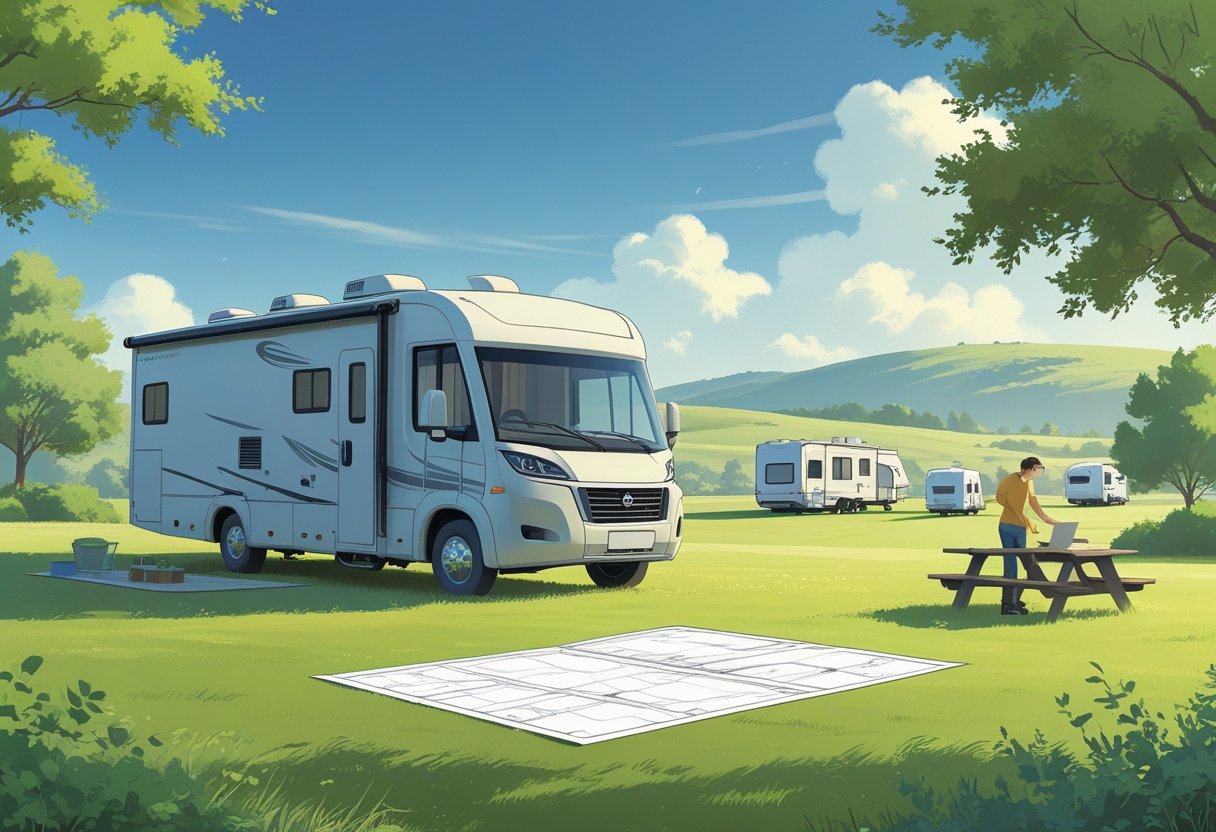
The location you choose affects costs, local laws, and daily living conditions. Property taxes and zoning rules vary greatly between urban and rural areas and different climate zones.
Urban vs. Rural Property Options
Urban and suburban areas offer better access to services but cost more. You’ll find grocery stores, hospitals, and internet connections nearby. However, land prices run much higher in cities.
Property tax rates in urban areas typically range from 1-3% of the land’s value each year. This means a $50,000 lot could cost $500-$1,500 annually in taxes.
Rural properties cost much less upfront. States like Indiana and Oklahoma sell land for $20,000-$30,000 that includes 8,000 square feet or more. Rural property taxes stay lower too.
The trade-off comes with fewer services. You might need to drive 30+ minutes for groceries or medical care. Internet options may be limited to satellite connections.
Key factors to compare:
- Land purchase price
- Annual property tax costs
- Distance to essential services
- Internet availability
- Emergency services access
Climate and Regional Considerations
Weather patterns affect your comfort and RV maintenance costs. Hot climates increase air conditioning costs and can damage RV seals faster. Cold areas require winterization and may limit year-round living.
Seasonal temperature ranges matter for utility planning. Areas with mild winters like Arizona or Florida work well for RV living. Extreme cold regions may require expensive heating systems.
Some states offer better conditions for RV living. Texas, Florida, and Colorado have favorable laws and climate conditions. These states also tend to have lower property taxes on raw land.
Regional costs vary significantly:
- Utilities hookup fees
- Local permit requirements
- Building inspection costs
- Weather-related maintenance needs