
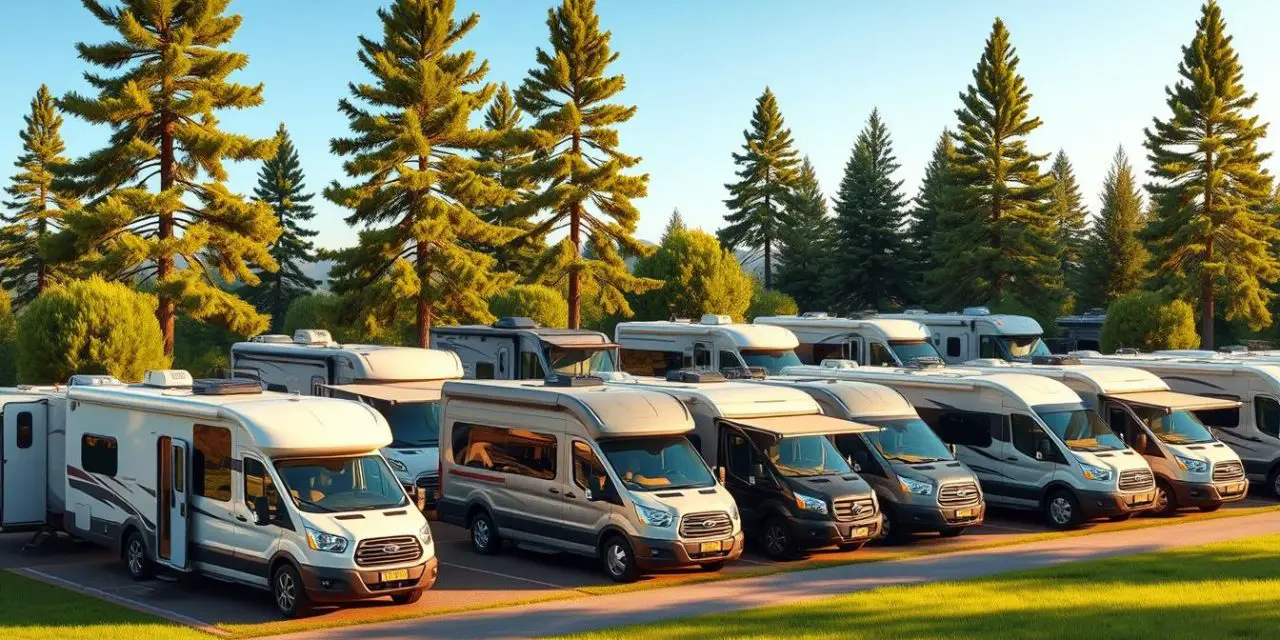
The rise of van camping has led to an increase in enthusiasts seeking adventure on the open road. Many van owners are converting their vehicles into camper vans, seeking the freedom to explore new destinations.
As the popularity of van camping grows, so does the need to understand the policies of RV parks. While some RV parks welcome camper vans, others may have specific rules or restrictions in place.
For those considering a life on the road, it’s essential to know their options. This article will explore the possibilities for van campers and provide insight into the world of RV parks.
Key Takeaways
- Understanding RV park policies is crucial for van campers.
- Some RV parks welcome camper vans, while others have restrictions.
- Researching RV park rules can help van owners plan their trips.
- Van camping is becoming increasingly popular.
- Camper vans offer a unique way to experience the great outdoors.
The Growing Trend of Van Camping
As more people seek adventure and freedom, van camping has become an increasingly appealing option. This lifestyle offers the flexibility to travel, explore new places, and connect with nature without the constraints of traditional camping methods.
The Rise of Van Life Culture
The van life culture has grown significantly, driven by a community that values freedom, adventure, and simplicity. Social media platforms have played a crucial role in this rise, with countless stories and images of van life adventures inspiring others to take the leap. As a result, van camping has evolved from a niche interest to a mainstream phenomenon.
“The freedom to roam and the simplicity of life on the road is incredibly appealing to many.”
Differences Between Van Camping and Traditional RVing
Van camping differs from traditional RVing in several key ways. Firstly, vans are generally more maneuverable and easier to park than large RVs, making them ideal for exploring tight city streets or secluded natural areas. Additionally, vans typically require less maintenance and are more fuel-efficient than larger RVs. This makes van camping an attractive option for those who want to experience the freedom of life on the road without the logistical challenges of larger vehicles.
Overall, the growing trend of van camping reflects a broader desire for adventure, simplicity, and connection with nature. As this culture continues to evolve, it’s likely that we’ll see even more innovative approaches to van camping and van life.
Types of Vans Used for Camping
The world of van camping is diverse, with different types of vans offering unique advantages. Whether you’re a seasoned camper or just starting out, understanding the various options available can help you make an informed decision.
Class B Camper Vans
Class B camper vans, also known as camper vans, are built on a van chassis and provide a compact, all-in-one camping solution. They typically include sleeping quarters, kitchen facilities, and bathroom amenities. These vans are ideal for those who want a hassle-free camping experience without sacrificing comfort.
Converted Cargo Vans
Converted cargo vans offer a blank canvas for customization. Enthusiasts can convert these vans into mobile homes, tailoring the interior to their specific needs. This type of van is perfect for those who enjoy DIY projects and want a unique camping experience.
Passenger Van Conversions
Passenger van conversions involve transforming a standard passenger van into a camping vehicle. This can range from simple modifications to full-scale conversions. A key consideration for these conversions is whether to opt for DIY conversions or professional builds.
DIY Conversions vs. Professional Builds
The choice between DIY conversions and professional builds depends on your budget, skills, and preferences. While DIY conversions offer flexibility and cost savings, professional builds provide expertise and a warranty. Consider your needs and resources when deciding which route to take.