
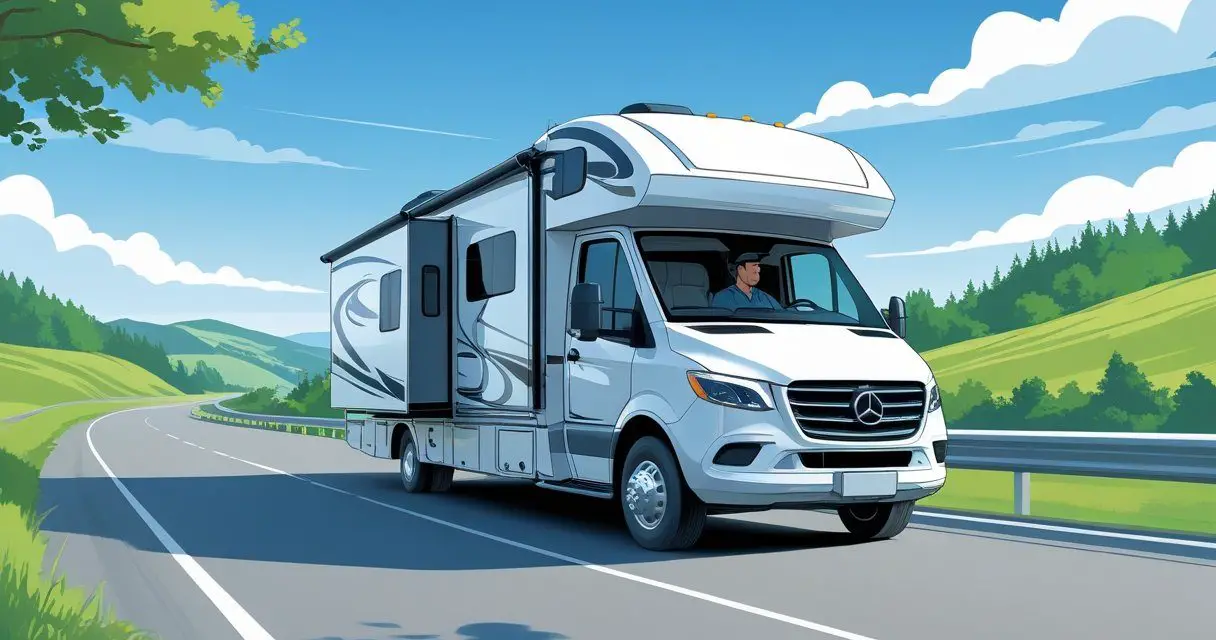
RV slide-outs create extra living space and make camping more comfortable. When it’s time to move to a new location, many RV owners wonder if they need to retract the slides first.
This question becomes especially important when making small adjustments to parking or leveling.
Nearly all RV manufacturers strongly recommend never driving an RV with the slides extended, even for short distances. Moving with slides out can damage the slide mechanisms, cause frame stress, and create unsafe driving conditions.
The slides also make the RV wider than legal road limits and harder to control. Understanding why this matters helps RV owners avoid expensive repairs and safety issues.
The slide systems contain sensitive parts that work together precisely. Even a small move with slides extended can cause problems that cost thousands of dollars to fix.
Key Takeaways
- RV manufacturers recommend always retracting slides before moving the vehicle to prevent damage and maintain safety
- Driving with slides out can damage mechanisms, exceed legal width limits, and cause frame stress from uneven weight distribution
- Proper slide maintenance and following best practices for extending and retracting slides helps avoid costly repairs and keeps the RV in good condition
Can You Drive an RV With the Slide Out Extended?
Driving an RV with slide-outs extended is dangerous and should never be done. Most manufacturers explicitly state in owner’s manuals that slide-outs must be retracted before moving the vehicle, and there are serious legal and safety reasons for this requirement.
Manufacturer Recommendations
RV manufacturers consistently prohibit driving with slide-outs extended in their owner’s manuals. The slide-outs are not engineered to handle the stress and vibration that occurs during travel.
When extended, these sections lack the structural support needed to withstand road movement. The mechanical components of an RV slide-out can suffer immediate damage from even short distances.
Slide-out rails can bend easily, with replacement costs running hundreds of dollars per rail. The motors and electrical systems become exposed to excessive tension when extended during movement, which can cause complete system failure.
Alignment issues commonly develop when an RV moves with extended slide-outs. The weight distribution shifts significantly, placing strain on the slide mechanisms.
This can result in permanent damage to the mounting system and the RV’s frame itself.
Legal Regulations and Road Width Limits
The legal maximum width for vehicles on most roads is 8.5 feet. Standard travel trailers and motorhomes typically measure 8 feet wide when slide-outs are retracted.
RV slide-outs add 2 to 3 feet of additional width when extended. This means an RV with extended slide-outs can reach 10 to 11 feet wide, exceeding legal limits by a significant margin.
Driving an oversized vehicle without proper permits violates traffic laws in most jurisdictions. The extended width also makes side mirrors useless since they cannot provide adequate visibility for the actual vehicle dimensions.
The extra width creates hazards on two-lane roads where the RV would extend into oncoming traffic lanes. On highways, the vehicle takes up more than a single lane, increasing collision risks with adjacent vehicles.
Real-World Scenarios and Emergency Moves
Some RV owners consider leaving slide-outs extended for very short movements, such as repositioning a few feet at a campsite. This practice causes the same damage as driving longer distances.
The slide-out components experience stress from any movement, regardless of the distance traveled. Common scenarios where owners are tempted to move with slides out:
- Adjusting position for better leveling
- Moving to a different spot in the same campground
- Pulling forward or backward a short distance
If an RV slide-out becomes stuck in the extended position, the owner should never attempt to drive. The proper response is to manually retract the slide-out using the emergency override system.
Most RV slide-outs include a manual retraction method that requires accessing the motor mechanism. If manual retraction is not possible, calling a mobile RV repair technician is necessary before moving the vehicle.
Why Driving With Slide Outs Is Dangerous
Driving an RV with slide-outs extended creates serious safety risks that affect both the driver and other vehicles on the road. The dangers range from physical collisions with other traffic to mechanical damage and loss of vehicle control.
Risk of Collisions and Accidents
An RV with extended slide-outs exceeds the legal width limit of eight and a half feet for vehicles on public roads. Slideouts typically add two to three feet to the width of an RV, pushing the total width well beyond what lanes can safely accommodate.
This extra width makes the RV stick out into adjacent lanes. On two-lane roads, the extended slide can reach into oncoming traffic lanes, forcing other drivers to swerve to avoid a collision.
Highways present similar dangers as the RV takes up more space than a single lane allows. The RV’s mirrors become useless with slide-outs extended.
They can’t show the true edges of the vehicle, leaving massive blind spots. Drivers lose the ability to judge distances and see vehicles in adjacent lanes, making lane changes and turns extremely hazardous.
Impact on Vehicle Stability
Extended slide-outs destroy the aerodynamic design of an RV. The vehicle was engineered to move with slides retracted, and opening them creates unbalanced weight distribution and increased wind resistance.
This imbalance makes the RV much harder to steer and control. The vehicle becomes prone to swaying, especially at highway speeds or in windy conditions.
The risk of rollover accidents increases significantly because the weight distribution shifts in ways the chassis wasn’t designed to handle. Fuel efficiency drops dramatically with slide-outs extended.
The poor aerodynamics force the engine to work harder, burning more fuel and requiring more frequent stops. The vehicle’s handling becomes sluggish and unpredictable, making emergency maneuvers nearly impossible.
Hazards to Slide-Out Components
RV slide-outs were never designed to handle the stress and movement of driving. The rails, motors, and mechanical systems that operate the slideout are built for stationary extension and retraction, not for bearing weight and vibration during travel.
Even short distances cause damage to slide-out rails, which can bend under the strain. These rails cost hundreds of dollars each to replace.
The alignment of the entire slide mechanism can shift, creating problems that prevent the slideout from retracting properly later. Slide-out toppers can tear off during movement, damaging the RV’s exterior walls.
The seals around slide-outs wear down rapidly when exposed to wind and debris while extended. Motor components and electrical systems become strained, potentially causing the slideout to become stuck in the open position.
Types of RV Slide Outs and Their Limitations
Different slide out mechanisms have unique strengths and weaknesses that affect their reliability and maintenance needs. Each system works differently and faces specific limitations when it comes to driving with slides extended.