
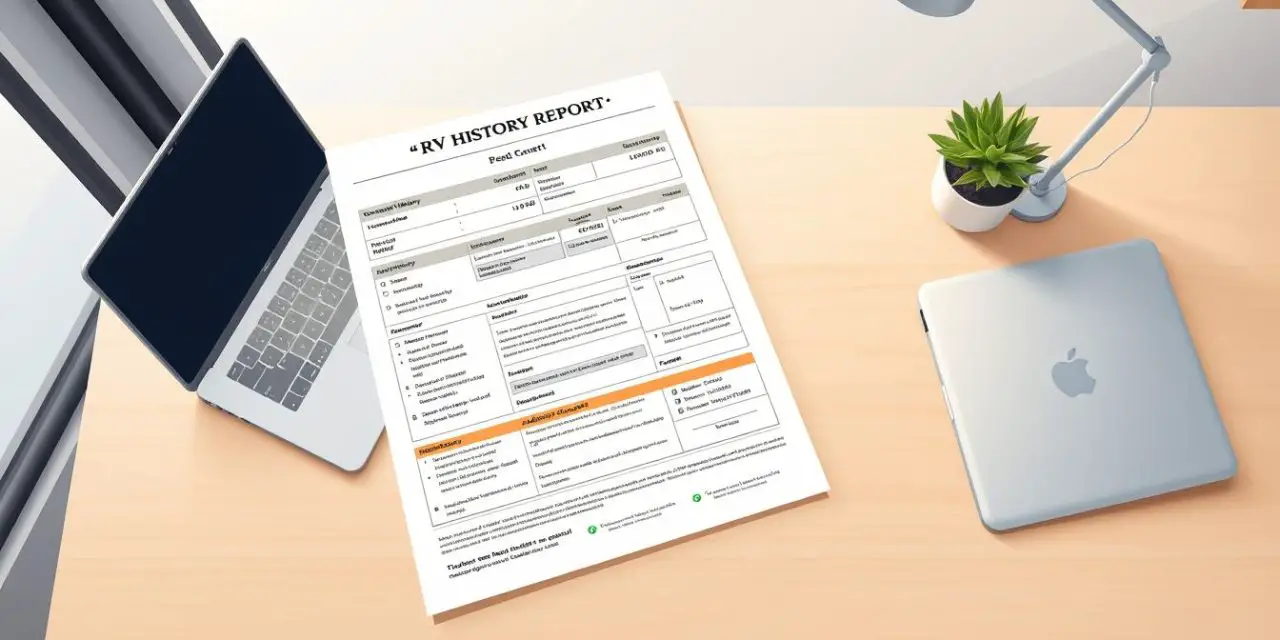
The answer is a resounding yes. Obtaining a detailed vehicle history report for a recreational vehicle is not only possible but highly recommended. This process provides crucial information before making a major purchase.
Specialized services compile data from thousands of sources. These include government agencies, insurance companies, and other vehicle data reporting entities. This creates a comprehensive picture of the RV’s past.
Using the unique Vehicle Identification Number (VIN), these reports unlock a wealth of information. They can reveal accident history, title status, flood damage, and whether the vehicle was ever declared a total loss. This knowledge protects your investment.
Understanding a motorhome’s background is vital. These are significant financial commitments. A thorough check helps avoid expensive surprises and ensures the vehicle is legally for sale.
Key Takeaways
- Specialized history reports for RVs are readily available and function similarly to Carfax.
- The RV’s VIN is the key to unlocking its complete past.
- These reports pull data from numerous official sources for accuracy.
- Checking a vehicle’s history helps identify major issues like accidents or title problems.
- This step is a critical part of making a smart and informed purchasing decision.
- It acts as an insurance policy against hidden damage and legal complications.
Understanding RV VINs and History Reports
The journey to uncovering an RV’s past begins with a single, crucial detail: the VIN. This unique vehicle identification number is the gateway to a comprehensive history report. Properly using this information is the foundation of a smart purchase.
Locating the VIN on Your RV
Finding the VIN on a recreational vehicle can be trickier than on a standard car. It is not always in an obvious spot. The most common location is on the driver’s side door jamb or a dashboard sticker visible through the windshield.
Additional places to check include the frame near the hitch, inside wheel wells, or near the propane tanks. Some RVs are multi-stage vehicles, meaning they might have two VIN numbers. Always physically verify the number on the RV itself against the title documents.
Decoding Accident, Title, and Odometer Information
Once you have the correct VIN, you unlock a wealth of data. The history report provides vital information about accident involvement and title status. This includes whether the vehicle was salvaged or rebuilt.
Odometer records are another critical component. They show mileage progression over time, helping to detect fraud. Understanding this information is key to spotting red flags like inconsistent odometer readings or undisclosed accident damage.
Can You Get a Carfax on an RV: Exploring the Process
A reliable vehicle history report is built upon a foundation of data gathered from numerous authoritative sources. This multi-source approach ensures the information is comprehensive and accurate.
How Vehicle History Reports Work
Specialized services perform a detailed VIN check to begin the search. They scan thousands of databases simultaneously.
This process compiles a timeline of events for the vehicle. It creates a clear picture of its past.
Reviewing Records from Multiple Sources
Key sources include the National Motor Vehicle Title Information System (NMVTIS). This system provides essential title information from state DMVs.
Insurance companies contribute critical data on damage claims and total loss declarations. Records from salvage auctions add another layer of history.
Interpreting Title Brands and Recalls
Understanding title brands is vital for assessing value and safety. These designations signal significant past events.
Critical title brands to recognize include:
- Salvage: The vehicle was declared a total loss.
- Rebuilt: A salvage vehicle that has been repaired.
- Flood Damage: Indicates significant water-related damage.
The report also lists open safety recalls from the manufacturer. Addressing these recalls is essential for safe operation.
Navigating Additional Data and Maintenance Insights
Evaluating an RV’s history effectively means comparing reports from different providers. This strategy gives you the most complete picture. While one service is well-known for cars, others specialize in recreational vehicle data.
Comparing Carfax with Alternative History Reports
Specialized RV reports often access unique databases. They might include federal inspection records or details on commercial use. Running a VIN check with multiple services can reveal different data.
This comparative check helps you understand the full value and price of the motorhome. It confirms critical specifications like the engine type and original MSRP.
Verifying Maintenance and Ownership History
The ownership history is a vital part of the report. It shows the number of