
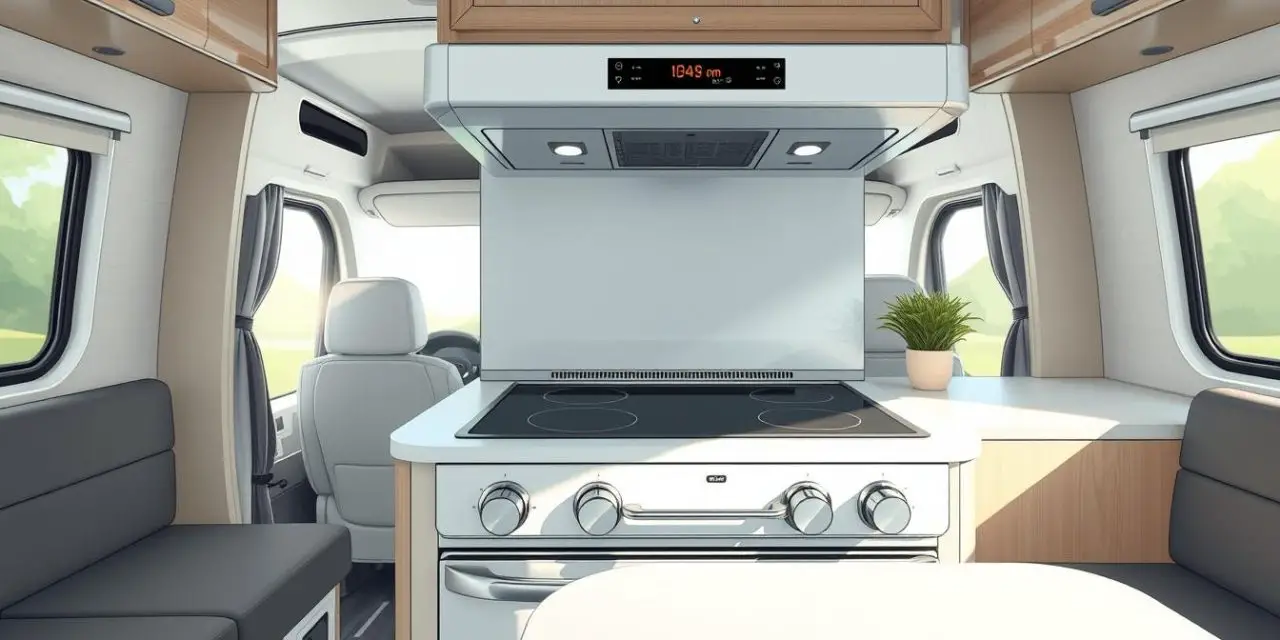
The answer is a definitive yes, you absolutely can find an RV equipped with an electric stove. While the vast majority of recreational vehicles roll off the production line with propane cooktops, electric options are increasingly available. Some modern models now include them as built-in features.
This comprehensive guide provides all the essential information needed to navigate your choices. Selecting the right cooking appliance is a crucial decision for your mobile home. It impacts your daily meals, energy usage, and overall comfort during your travels.
We will walk you through the different stove types, safety considerations, and cost factors. Our goal is to help you make the best choice, whether you’re upgrading a current rig or selecting features for a new one. Let’s dive into the details.
Key Takeaways
- Electric stoves are a viable option for RVs, though less common than propane as standard equipment.
- Many newer RV models offer electric cooktops as an optional or standard feature.
- Aftermarket installation is a popular path for adding an electric stove to an existing vehicle.
- The choice between stove types significantly affects your cooking experience and energy consumption.
- This guide covers essential topics like safety, costs, and lifestyle compatibility.
- Making an informed decision requires understanding the pros and cons of each option.
Understanding the Spectrum of RV Stove Options
Choosing the right cooking method involves weighing multiple fuel types and their characteristics. Each option brings unique advantages to your mobile kitchen setup.
Overview of Propane, Electric, Wood, and Diesel Stoves
Propane stoves remain the traditional choice for many recreational vehicles. They operate independently of electrical hookups, making them ideal for off-grid adventures. However, proper handling is essential due to flammability concerns.
Electric models offer modern convenience with stylish designs. They work well at campgrounds with power connections. Wood-burning units provide sustainable heat for environmentally conscious travelers.
Diesel stoves integrate seamlessly with diesel-powered vehicles. They create an efficient single-fuel system for streamlined travel.
Sustainability and Cost Considerations
Each fuel type carries different long-term expenses and environmental impacts. Propane requires regular refills, while electric options tap into campground power.
Wood represents a renewable resource but demands more effort. Diesel offers fuel efficiency but has specific environmental considerations. Your budget and values will guide this decision.
Adapting Stove Options to Your RV Layout
Your vehicle’s available space significantly influences which stove type fits best. Consider ventilation requirements and fuel storage needs during planning.
Smaller rigs might favor compact electric or propane units. Larger vehicles could accommodate wood-burning or diesel systems. There’s no universal solution—your travel style determines the ideal choice.
Can You Get an RV with an Electric Stove? A Buyer’s Guide Perspective
The decision to incorporate electric cooking into your mobile home requires careful assessment of your camping habits. This buyer-focused section helps evaluate whether this option aligns with your travel style.
Assessing Your Power and Cooking Needs
Understanding your rig’s electrical capacity is crucial. Check if your vehicle has 30-amp or 50-amp service before adding any electric stove.
Consider how often you cook meals while traveling. Full-time RVers who primarily use campgrounds with hookups benefit most from electric cooking solutions.

When and Where Electric Stoves Excel
Electric models shine at campgrounds where electricity is included in the fees. This makes cooking essentially free compared to purchasing propane.
During summer months, these units produce less ambient heat than propane burners. This keeps your living space cooler and reduces air conditioning workload.
Electric cooking also avoids adding excess moisture to your RV’s interior. Propane combustion releases water vapor that can cause condensation issues.
Remember that electric stoves work best for travelers who rarely camp off-grid. They serve as excellent primary options or supplementary units alongside propane systems.
Comparing Electric and Propane Stove Features
The choice between electric and propane cooking systems represents one of the most significant decisions for RV owners. Each option brings unique characteristics that affect daily living on the road.
Pros and Cons: Electric vs. Propane
Propane stoves offer complete independence from electrical hookups. Many cooks prefer gas models for their instant heat response. The pros include reliable operation anywhere.
However, the cons involve ongoing fuel costs and excess heat output. Electric models provide cleaner cooking with less moisture. But they require campground power connections.
Impact on Energy Use and Cooking Efficiency
Gas cooktops heat up quickly and adjust temperature instantly. This makes them excellent for precise cooking control. Electric units take longer to warm but maintain steady heat.
Energy efficiency varies significantly between systems. Propane converts most energy directly to cooking heat. Electric models lose some energy during the heating process.
Style and Aesthetics in Modern RV Kitchens
Electric cooktops often feature sleek glass surfaces. They contribute to a contemporary kitchen appearance. Many models offer various color options.