

Yes, you can get temporary RV insurance, and it’s designed specifically for short-term needs like renting an RV, borrowing one from a friend, or using your own RV for just a few trips each year. This type of coverage works just like a standard RV policy but lasts anywhere from one day to 30 days instead of a full year.
It protects you from costly accidents, damage, theft, and liability claims during your trip without requiring a long-term commitment.
Many people don’t realize temporary RV insurance exists until they need it. Rental companies often offer their own coverage, but it can come with high deductibles and limited protection.
Getting your own short-term policy gives you better control over your coverage and can save money while protecting you from expensive repair bills that can easily reach thousands of dollars.
Understanding how temporary RV insurance works helps you make smart decisions before your trip. This guide explains what it covers, how much it costs, and when you need it so you can hit the road with confidence.
Key Takeaways
- Temporary RV insurance provides short-term coverage from one to 30 days for rentals, borrowed RVs, or occasional use
- Coverage typically costs between $15 and $30 per day and includes liability, collision, comprehensive, and other protections
- You can purchase temporary policies through insurance companies or agents as an alternative to rental company coverage
What Is Temporary RV Insurance?
Temporary RV insurance provides coverage for recreational vehicles for a limited time period, typically ranging from one day to several months. This type of policy offers the same basic protections as annual coverage but without requiring a long-term commitment.
Definition and Basic Features
Temporary RV insurance is a short-term policy designed to protect recreational vehicles for specific trips, rentals, or occasional use. The coverage period can range from a single day to six months, depending on the insurance provider and the policyholder’s needs.
Most temporary RV insurance policies include standard protections. Liability coverage pays for injuries or property damage the driver causes to others.
Collision coverage handles damage to the RV from accidents with other vehicles or objects. Comprehensive coverage protects against non-collision incidents like theft, vandalism, fire, or weather damage.
Additional protections often include medical payments coverage for injuries to the driver and passengers. Uninsured motorist coverage provides protection when another driver causes an accident but lacks adequate insurance.
Some policies also offer roadside assistance and coverage for personal belongings inside the RV.
Temporary vs. Annual RV Insurance
The main difference between temporary and annual RV insurance is the coverage duration. Annual policies run for 12 months and automatically renew, while short-term policies cover specific time periods without renewal obligations.
Cost structures vary between the two options. Annual motorhome insurance typically costs less per day when calculated over the full year.
Short-term policies charge higher daily rates but eliminate payments during periods when the RV sits unused. Annual policies work best for frequent RV users who take multiple trips throughout the year.
Temporary RV insurance suits occasional users, renters, or owners who only travel during specific seasons. Annual coverage requires cancellation if no longer needed, while short-term policies simply expire at the end date.
Who Needs Temporary RV Insurance?
People renting an RV for vacation or a single trip need short-term coverage. Rental companies often offer insurance, but renters can also purchase third-party temporary policies that may provide better rates or coverage options.
RV owners who only use their vehicles seasonally benefit from temporary insurance. Instead of paying year-round premiums, they can activate coverage only during camping season or planned trips.
This approach saves money for owners who store their RVs for extended periods. Individuals borrowing an RV from friends or family should obtain temporary coverage.
The owner’s policy may not extend to other drivers, leaving borrowers personally liable for accidents or damage. First-time RV buyers moving a newly purchased vehicle home also need short-term protection before establishing annual coverage.
Situations When Temporary RV Insurance Is Required
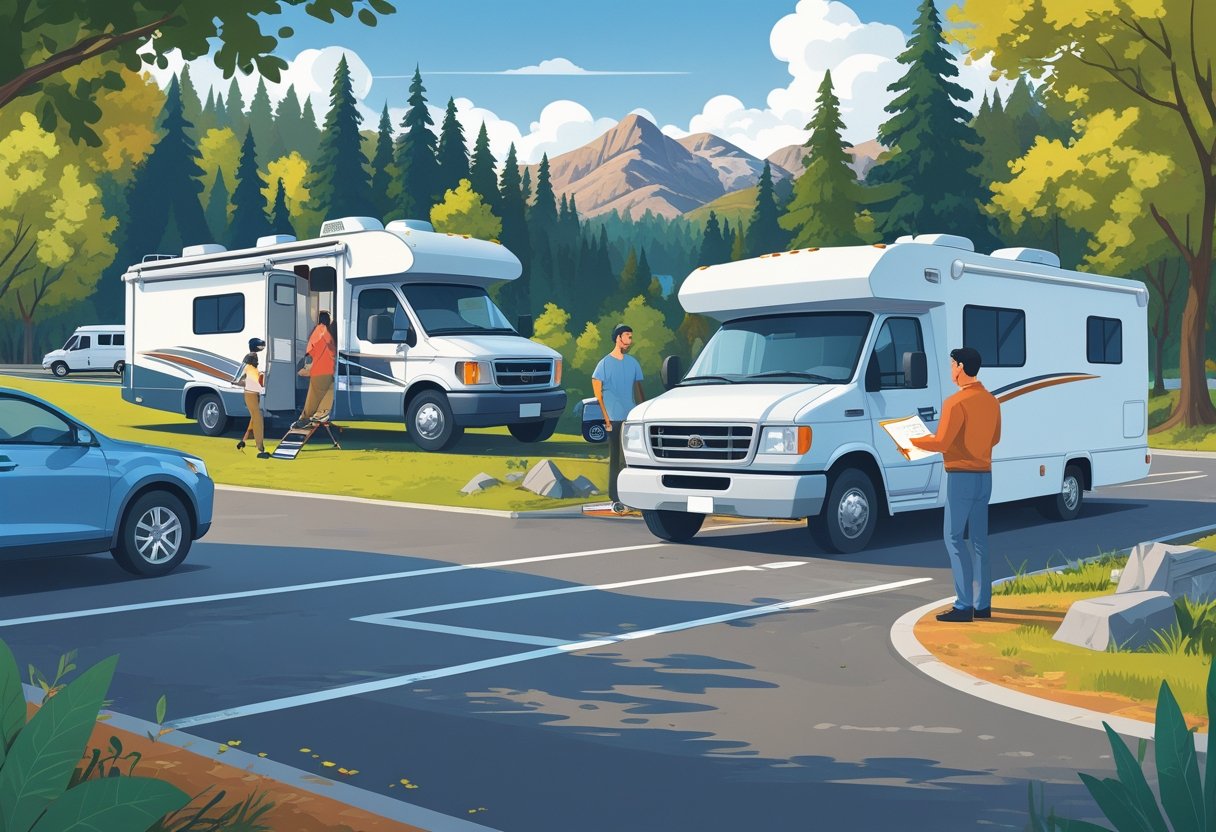
Temporary RV insurance becomes essential in specific scenarios where standard auto or homeowners policies don’t provide adequate protection. Three main situations require short-term coverage: renting an RV for a vacation, borrowing or lending an RV between individuals, and using an RV occasionally rather than full-time.
RV Rentals: Protecting Your Trip
RV rental companies typically offer temporary insurance policies that cover the vehicle during the rental period. Standard auto insurance policies usually don’t extend to rented RVs, leaving renters exposed to significant financial risk.
A renter could face six-figure liability for damage to the RV, injuries to other people, or breach-of-contract penalties. Most rental companies provide several coverage options at the time of booking.
These policies include liability protection, collision damage waivers, and comprehensive coverage for theft or vandalism. The cost varies based on the RV type, rental duration, and coverage level selected.
Renters should carefully review what their personal insurance covers before purchasing rental coverage. Some credit cards offer rental vehicle protection, but these benefits rarely extend to RVs due to their size and value.
Temporary rental insurance ensures complete protection without gaps in coverage.
Borrowing or Lending an RV
Borrowing an RV from a friend or family member creates a unique insurance situation. The owner’s existing RV insurance may not cover accidents when someone else drives the vehicle.
Temporary insurance protects both the borrower and the owner from financial losses during the lending period. A borrower needs to verify the owner’s insurance policy details before taking the RV.
Many standard policies include exclusions for non-owner drivers or limit coverage amounts. Taking out a short-term policy in the borrower’s name provides clear liability protection and prevents disputes about who pays for damages.
Owners lending their RV should require proof of temporary insurance f