
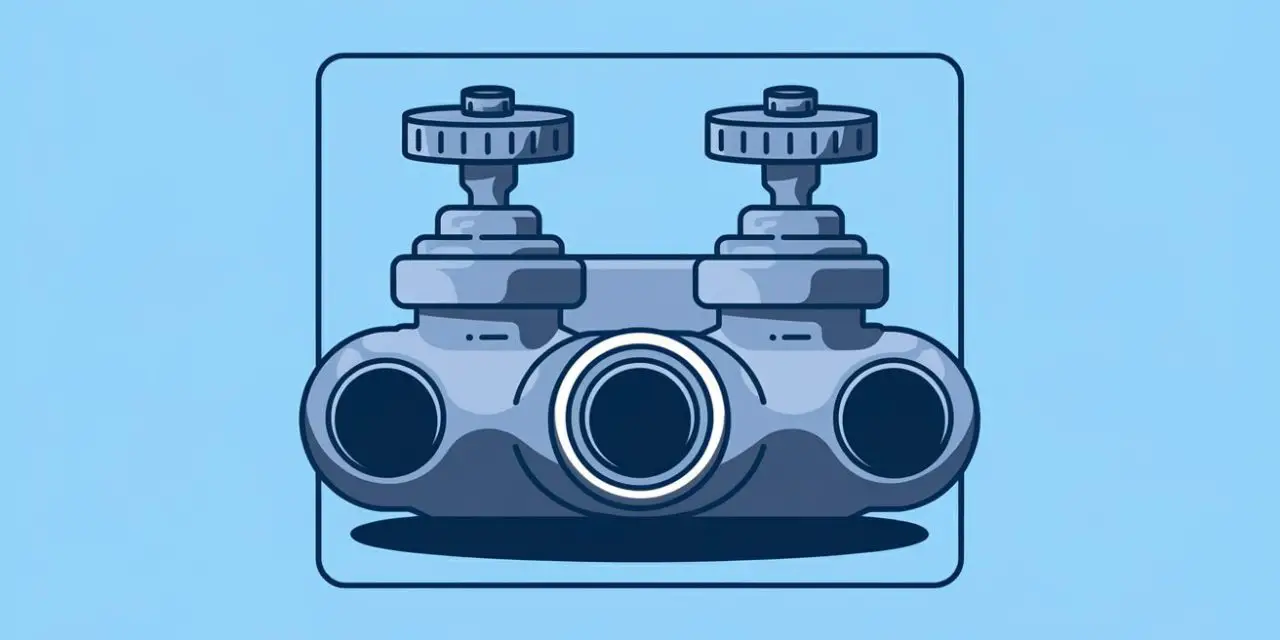
Are you tired of crawling underneath your RV to empty your tanks at dump stations, while a line of impatient campers waits behind you? Traditional RV tank valves have been a notorious pain point for RV owners for decades. Today, we’re exploring an upgrade that’s revolutionizing how RVers manage their waste systems – electric valve systems.
These smart additions use electric actuators to open and close your black and gray tank valves with the simple push of a button, eliminating the need to manually pull those stubborn valve handles.
If you’ve ever found yourself contorting your body to reach awkward valve locations or dealing with stuck handles that refuse to budge, this technology might be the game-changer you’ve been waiting for. As more RVers embrace full-time or extended travel, convenience upgrades like these are becoming essential rather than just nice-to-have accessories.
1. Say Goodbye to the Dump Station Scramble
Traditional RV waste valves often require you to crawl underneath your rig at dump stations, fumbling with stiff handles while everyone watches. Electric valves allow you to simply connect your sewer hose, press a button, and let technology do the work.
According to a 2024 RV Owner Survey, the average RVer spends approximately 12 minutes at dump stations per visit, with nearly 5 minutes dedicated just to accessing and operating tank valves. Electric valve systems can reduce this time by up to 60%, getting you back on the road faster.
For Grand Design and similar RVs where black tank handles are positioned 24 inches under the rig, electric valves eliminate the need for uncomfortable contortions and crawling on potentially unsanitary dump station grounds.
The Dump Station Shuffle: Where Dreams of Dignified RV Living Go to Die
2. Improve Your Tank Maintenance Routine
Regular black tank maintenance requires frequent valve operation – something many RVers neglect due to the inconvenience. Electric valves make maintenance so simple that you’ll actually do it properly.
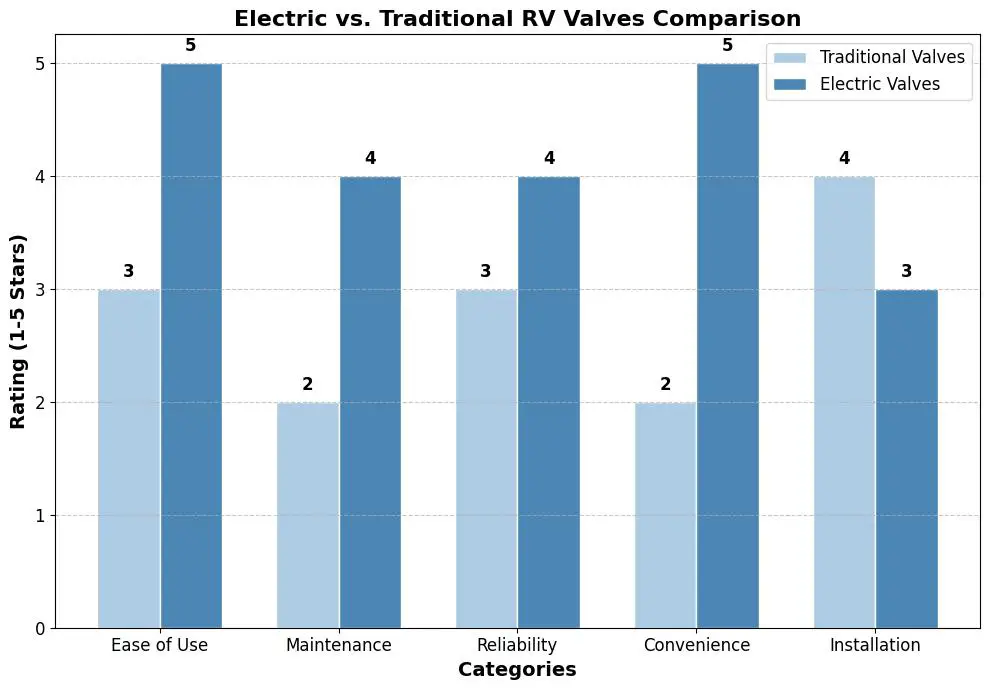
The RV Industry Association recommends completely emptying and rinsing black tanks at least once weekly during active use. Studies show that 65% of RV owners with manual valves admit to emptying their tanks less frequently than recommended, while only 28% of those with electric valves report the same.
With electric valves, you can easily perform multiple rinse-and-release cycles to thoroughly clean your tanks. The video presenter mentions doing 3-5 flushes per weekly emptying, something far more practical with push-button convenience.
Who Needs a Gym Membership When You Have Manual RV Valves? Those Awkward Reaches Count as Yoga, Right?
3. Enhance Access to Hard-to-Reach Valves
Many RVs, especially larger fifth wheels and travel trailers, have valve handles positioned in nearly inaccessible locations. Electric valves solve this design flaw permanently.
The video host’s Grand Design 315BH requires crawling on all fours to reach the black tank valve, a common issue across numerous RV models. According to RV service technicians, valve accessibility is among the top 5 design complaints from owners.
Electric valve systems like the Barker Auto Drain can be installed with the control switch in convenient locations, such as inside wet bays or near other tank monitoring systems.
I Used to Tell People I Go Camping to Connect with Nature, Not to Play Twister Under My RV Every Few Days!
4. Increase System Reliability
Traditional valve handles connected to long cables are notorious for jamming, breaking, or becoming misaligned. Electric valves offer superior reliability with fewer mechanical failure points.
RV repair shops report that manual valve systems account for approximately 15% of waste system service calls. The primary points of failure include cable kinking, handle breakage, and internal valve misalignment.