
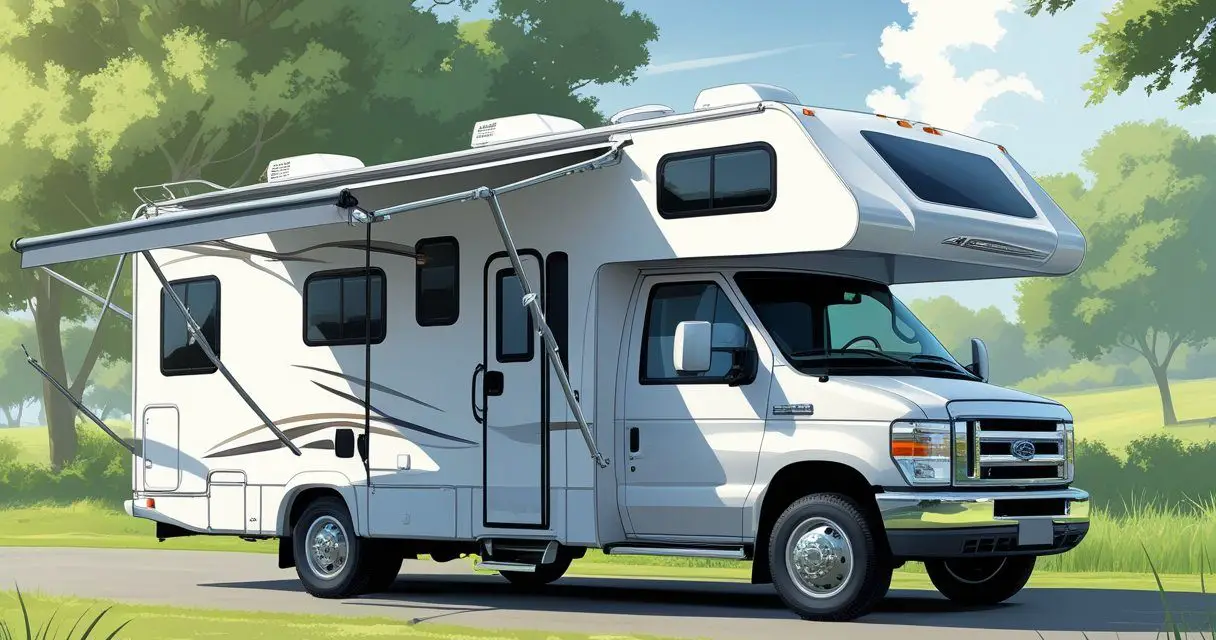
Thinking about RV life? You’ve probably heard some myths that don’t add up. Many people assume RVing is always cheap or easy, but that’s not the whole story. This post clears up the confusion by debunking common RV myths—helping you avoid costly mistakes.
Keep reading to learn the truth.
Common RVing Myths
You might think all RVs follow the same rules—but many assumptions are just plain wrong. Don’t fall for these myths before hitting the road.
Model numbers do not always indicate length
Many assume an RV’s model number directly reflects its length—but that’s rarely true. These numbers often represent the manufacturer’s series or features, not exact measurements.
Always check the specifications for accurate dimensions before making a decision.
Don’t judge an RV by its model number alone—verify the real size first.
Misclassifying an RV based on its designation can lead to parking headaches or towing issues. Next up, let’s tackle another myth: assuming every truck can handle any trailer.
Not every truck can tow any RV
You might assume any truck can handle towing an RV, but that’s not the case. Towing capacity varies widely depending on your vehicle’s specs and the RV’s weight. An F-150 can tow a large fifth wheel in some setups, while an F-450 might struggle if it’s improperly loaded.
Understanding weight distribution and payload is critical before hitching up. Check your truck’s gross vehicle weight rating (GVWR) and match it with the trailer hitch requirements.
Some RVs demand heavy-duty towing gear, while others fit smaller trucks—but guessing can lead to safety risks. Always research towing guidelines and confirm compatibility for a smooth trip.
RVing is not always a cheap lifestyle
Just like choosing wrong equipment adds unexpected costs—thinking RVs save money isn’t entirely true either… Many assume hitting road means cutting expenses—but reality varies based on travel style needs…
Motorhome camping involves upfront investment plus ongoing maintenance fees… Gear like solar setups lithium batteries hikes budgets fast without guarantees returns savings long term….
Accessories modifications pile up quickly too since each trip demands unique solutions depending terrain weather conditions faced along way… Even basic storage solutions require careful planning avoid overspending unnecessary items cluttering limited space inside vehicle itself! Costs fluctuate wildly whether opting luxury resorts boondocking remote spots off grid entirely so research pays dividends before committing full time living arrangements behind wheel here folks!
Camping does not always mean staying in campgrounds
You might think RVing means parking at crowded campgrounds with hookups. The truth is, camping styles like boondocking and wild camping let you explore off-grid spots—think forests, deserts, or beaches.
Freedom isn’t just about the open road; it’s about choosing where to stop.
Your gear and prep change based on your style. Off-grid trips need solar panels or generators. Nature retreats demand water-saving tricks. Adventure travel in an RV opens doors to nomadic lifestyles beyond traditional sites.
RV covers can protect, not always damage RVs
Many think RV covers cause damage over time—but the truth is more nuanced. With the right cover, you get protection from harsh weather, UV rays, and debris, boosting your RV’s longevity.
The key lies in choosing a cover suited to your climate and using it properly to avoid trapped moisture or abrasion.
Investing in a quality cover made for your RV’s size and material helps prevent wear and tear. Weatherproofing and durability matter—skip cheap, ill-fitting options that could scratch or trap heat.
Maintenance is easier when a well-fitted cover shields your RV from dust, rain, and sun damage. Just ensure airflow to avoid condensation and check the fit regularly.
Full-time RVers do not always have a perfect plan
You might think full-time RVers have every mile mapped out, but that’s rarely true. Spontaneity and flexibility often define the nomadic lifestyle, not rigid itineraries. Plans change—weather turns bad, campsites fill up, or unexpected adventures pop up.
Adaptability is key for long-term RV living. Some days involve quick decisions, like rerouting due to road closures or extending stays in hidden gems. The open-ended journey thrives on community connections and embracing uncertainty—not a flawless schedule.
Freedom to explore means plans stay fluid, not fixed.
RVing is not always a solo adventure
Many people assume RVing means traveling alone, but that’s far from the truth. Families, friends, and even larger groups often hit the road together—turning their trips into shared adventures filled with exploration and fellowship.
Campgrounds become hubs for socializing, where new connections form over campfires or group activities.
Caravaning is a popular choice among RVers who prefer company while exploring. Road trips turn into bonding experiences when you travel with loved ones or join organized events like rallies.
The sense of community on the road proves that solo travel isn’t the only way to enjoy life in an RV—it’s just one option among many.
Jared Gillis’ Debunked Myths
Jared Gillis clears up confusion about RV myths—like AC cooling and awning extensions—so you can hit the road smarter…ready to learn the real facts?
AC Cooling Myth
You might have heard RV air conditioning can cool your rig only 20 degrees below outside temperatures. That’s not entirely accurate. Jared Gillis clarifies the misunderstanding arises from confusing two measurements—the temperature difference between outdoor and indoor air versus the AC’s intake and output airflow.
RV AC units generally create a 15 to 20-degree difference between the air they pull in and release, not the overall inside-to-outside comparison. This means maintaining a comfortable indoor environment relies more on insulation, shade, and proper ventilation than solely on the HVAC system.
Thermal comfort isn’t restricted to that single number often mentioned as fact.
Efficiency of RV ACs
RV air conditioners often struggle to cool effectively. Thin walls and single-pane windows let heat seep in, making it hard to maintain a comfortable temperature. Even powerful AC units can’t overcome poor insulation, so energy consumption stays high while cooling efficiency drops.
The design of most RVs works against cl