
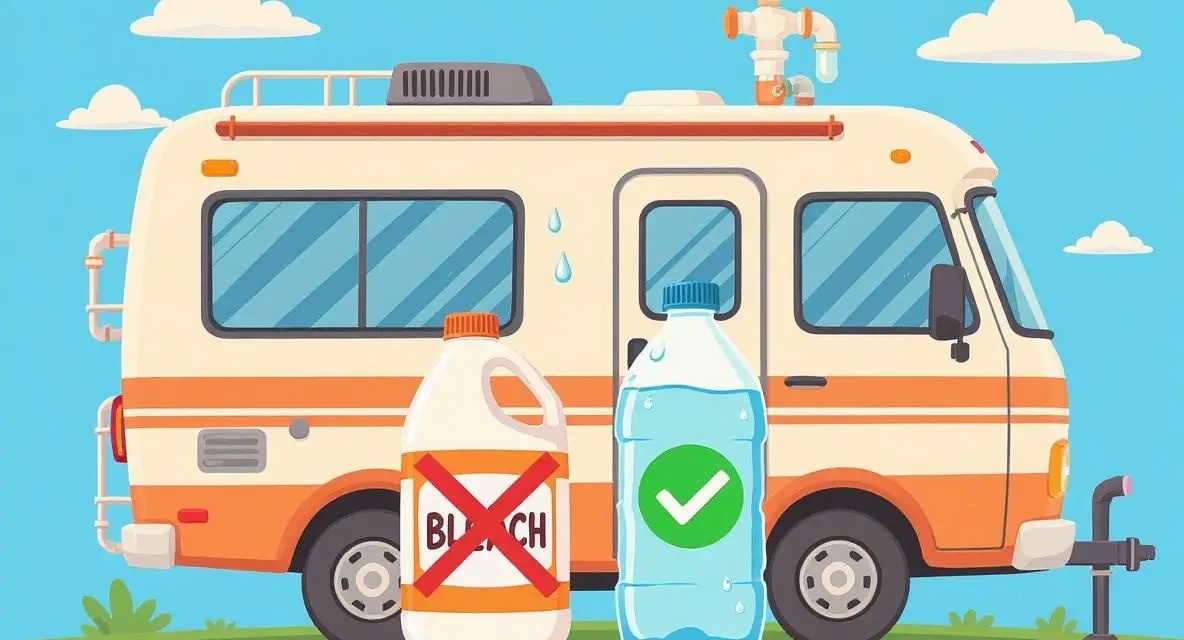
Hey there, fellow road warrior! Are you still dumping bleach into your RV’s water system thinking you’re keeping things clean? Hold onto your camping chair because you’re about to discover why that “tried and true” method might be destroying your rig from the inside out. After years of RVers using bleach, there’s been a complete wake-up call that’s changing everything about how you should maintain your RV’s water system.
Your RV’s plumbing system is one of the most critical components of your mobile home, and treating it wrong can cost you thousands in repairs. The good news? There’s a revolutionary approach that’s not only safer for your RV but also saves you massive amounts of time and money.
You’ll learn about cutting-edge, NSF-certified alternatives that professional RVers are switching to in droves, and by the end of this article, you’ll understand exactly why bleach has become the enemy of smart RV maintenance.
You deserve better than outdated methods that put your investment at risk, and you’re about to discover the solution that will transform your RV experience forever.
1. Bleach is Silently Destroying Your RV’s Plumbing Components
Here’s what the RV industry doesn’t want you to know: bleach is incredibly corrosive to the materials that make up your RV’s water system. Those rubber seals, O-rings, and gaskets that keep your system leak-free? Bleach attacks them like acid on metal, and you’re paying the price.
The Hidden Damage Statistics You Need to Know:
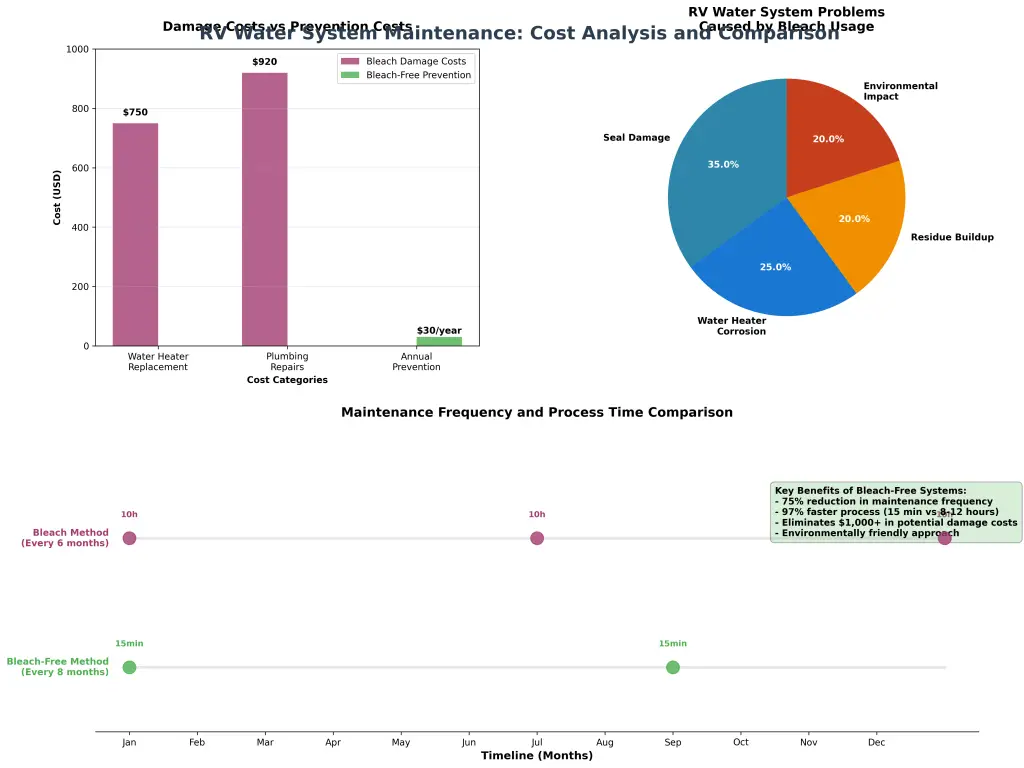
- Seal damage accounts for 35% of all bleach-related RV water system problems
- You’ll face average costs of $50-$300 per incident to replace damaged seals and gaskets
- Most RVers don’t notice the damage until it’s too late – will you be next?
Your RV uses PEX lines (those flexible plastic water lines), and bleach gradually breaks down their protective properties. What starts as microscopic damage in your system eventually leads to catastrophic failures that can flood your RV interior.
The Real Kicker for Your Wallet: Most RV insurance policies don’t cover water damage caused by “maintenance-related” issues. That means you’re on the hook for potentially thousands in repairs that could have been prevented.
Nothing ruins your camping trip quite like discovering your “maintenance routine” has turned your dream RV into a soggy nightmare. You’ve probably seen fellow RVers learn this lesson the hard way, and trust me, you don’t want to be next!
2. Your Water Heater is Under Silent Attack
Water heater corrosion represents 25% of all bleach-related damage in RV water systems, and this is where things get expensive fast for you. Bleach doesn’t just clean – it chemically attacks the protective lining inside your water heater tank, setting you up for costly failures.
The Shocking Numbers That Will Hit Your Budget:
- You’ll face $300-$1,200 for average RV water heater replacement costs
- You’ll pay an additional $200-$500 in labor costs for professional installation
- You’ll lose 2-5 days of camping time waiting for parts and service
Your modern RV water heater has sophisticated internal components that weren’t designed to handle regular bleach exposure. The heating elements, temperature sensors, and internal coatings in your system all suffer from chlorine damage over time.
What You Don’t See Coming: The damage happens gradually in your system, so you won’t notice until your water heater completely fails. By then, you’re looking at emergency repairs in the middle of your vacation – at emergency prices that will shock you.
Picture this scenario: You’re at your favorite campground, ready for a hot shower after a long day of hiking, and… nothing. Cold water only. Now you’re scrambling to find an RV repair shop that’s open on weekends. If you’ve been there, you know it’s exactly as miserable as it sounds!
3. You’re Drinking Bleach Residue (And Don’t Even Know It)
This one will make your stomach turn. Bleach residue buildup accounts for 20% of water system problems, and here’s the scary part: you can’t always taste or smell it in your drinking water.
The Residue Reality Affecting Your Health:
- Bleach can remain in your system for weeks after you think you’ve “flushed” it
- Trace amounts accumulate in hard-to-reach areas of your plumbing
- Even small amounts can affect the taste of your drinking water and potentially impact your health