
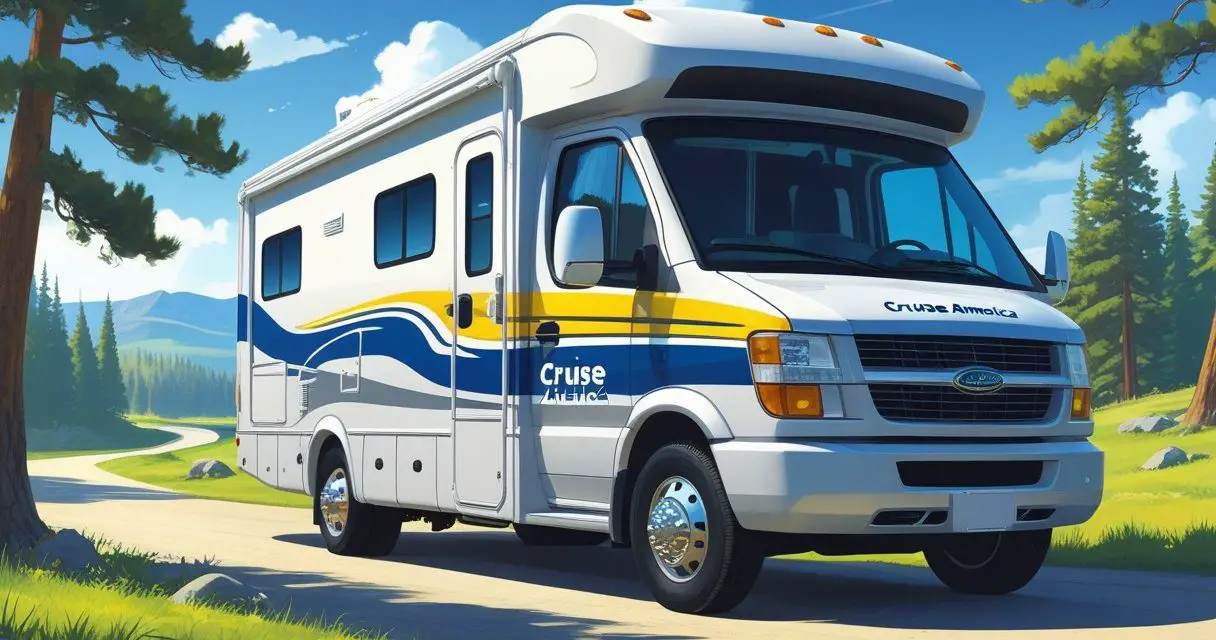
So you’re thinking about renting one of those iconic white and green Cruise America RVs you see on the highway? You’re not alone—over 65 million U.S. leisure travelers planned RV vacations in recent years, and Cruise America is the biggest player in the rental game. But before you hand over your credit card, you need the real scoop on what it’s actually like to rent from America’s largest RV rental company.
The truth is, renting an RV isn’t as simple as booking a hotel room on wheels. With daily rates ranging from $180 to $300+ and the RV rental market booming to nearly $3 billion in 2026, there’s a lot of money on the line. You deserve to know the good, the bad, and the downright noisy before you commit to your adventure.
This article breaks down everything from the ear-splitting road noise to the mysterious smells, real costs, and whether these well-traveled RVs are actually worth it. We’re pulling back the curtain on what thousands of renters experience—but might not tell you until after you’ve already signed the contract.
1. The Road Noise Will Test Your Sanity (Seriously, Bring Earplugs)
Let’s start with the elephant in the RV—these things are LOUD. When you’re cruising down the highway in a Cruise America rental, you’ll quickly discover why experienced RVers call them “rolling echo chambers.” The combination of the Ford chassis, thin walls, and years of rental use creates a symphony of rattles, bangs, and whooshes that would make a rock concert seem peaceful.
Why is it so loud? Cruise America primarily uses Class C motorhomes built by Thor Motor Coach on Ford cutaway chassis. These vehicles prioritize durability and cost-effectiveness over luxury sound dampening. Add in the fact that rental RVs get way more use than privately-owned ones, and you’ve got a recipe for a noisy ride.
| Noise Source | Decibel Level | Comparable To |
|---|---|---|
| Highway Driving | 75-85 dB | Busy city traffic |
| Rattling Cabinets | Variable | Kitchen chaos |
| Engine Noise | 80-90 dB | Lawnmower |
You’ll want to pack some quality earplugs or noise-canceling headphones, especially if you’re planning long driving days. Your co-pilot trying to have a conversation? Good luck with that. The person in the back trying to nap? They’re in for a rude awakening.
Real Talk: You might think you’re prepared for RV noise, but your first highway merge will have you questioning whether you accidentally rented a jet engine with sleeping quarters. Pro tip: save the deep conversations for rest stops, and maybe invest in a good Bluetooth headset if you’re expecting important calls.