
Running your RV inverter while driving might seem like the perfect solution for staying cool during those long summer road trips, but is it really safe for your electrical system?
This comprehensive guide reveals everything you need to know about powering your RV inverter on the road. Whether you’re a weekend warrior or a full-time RVer, understanding these crucial facts could save you from costly repairs and keep you comfortable during travel. The National RV Training Academy’s expert insights will help you make informed decisions about your mobile power setup.
From alternator protection to wire upgrades, we’ll cover the essential knowledge every RV owner should have.
1. Your 7-Pin Connector is Actually Your Safety Net
The standard 7-pin connector between your truck and RV does more than just handle your brake lights and turn signals. It’s your primary charging connection that allows your truck’s alternator to charge your RV’s battery system. According to the National RV Training Academy, this connector typically uses 14-gauge wire, which naturally limits the amount of current that can flow through the system.
Here’s what most RVers don’t realize: This wire limitation is actually protecting your alternator from overload. The resistance created by the smaller gauge wire and the distance (typically over 20 feet) acts as a natural current limiter.
Key Specifications:
| Component | Standard Rating | Limitation Factor |
|---|---|---|
| 7-Pin Connector Wire | 14 Gauge | Natural current limiting |
| Typical Distance | 20+ feet | Increases resistance |
| Safe Operating Range | Under alternator capacity | Built-in protection |
You might think this sounds like a design flaw, but it’s actually brilliant engineering. The automotive industry knew that RV owners would eventually push the limits of their electrical systems, so they built in natural safeguards that prevent most people from accidentally destroying their alternators.
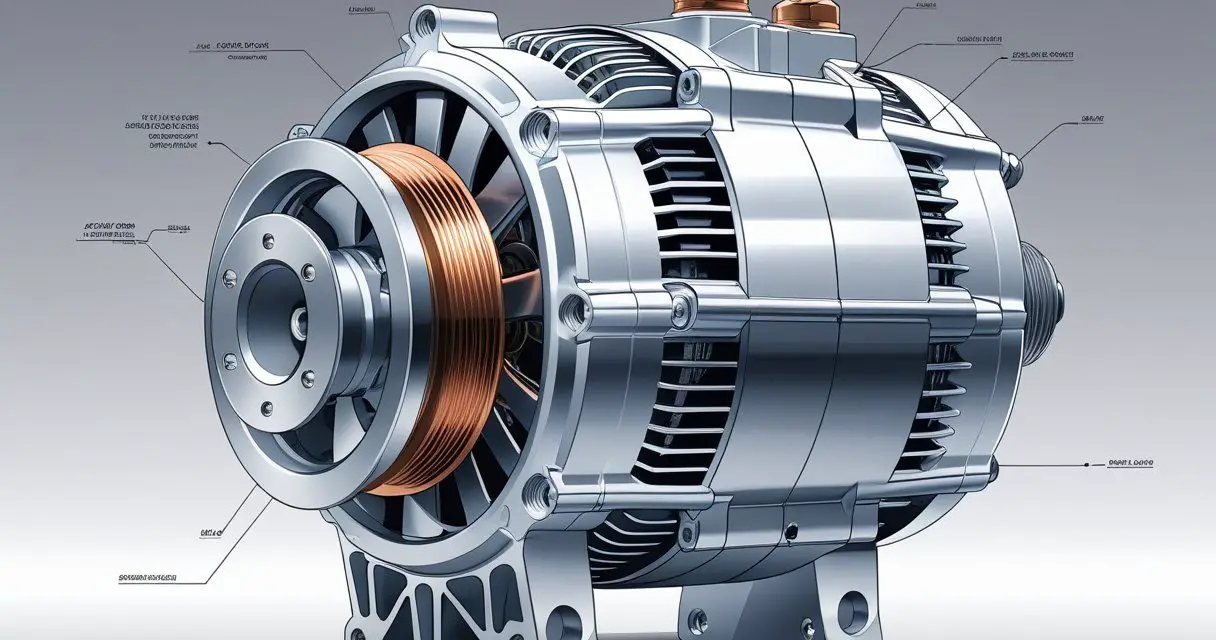
2. Most Alternators Aren’t Built for Marathon Performance
Your truck’s alternator wasn’t designed to run at 100% output continuously. Think of it like a sprinter trying to run a marathon – it might handle short bursts of high demand, but sustained maximum output will eventually cause problems. The National RV Training Academy emphasizes that alternators lack the “logic” to protect themselves from continuous heavy loads.
Here are the critical facts about alternator limitations:
- Most alternators are designed for intermittent high-load operation
- Continuous 100% output can lead to premature failure
- Heat buildup is the primary enemy of alternator longevity
- Typical alternator lifespan decreases significantly under continuous heavy load
You’re basically asking your alternator to work overtime without breaks when you run high-demand appliances like air conditioning. It’s like expecting your smartphone battery to maintain peak performance while running every app simultaneously – eventually, something’s got to give.