
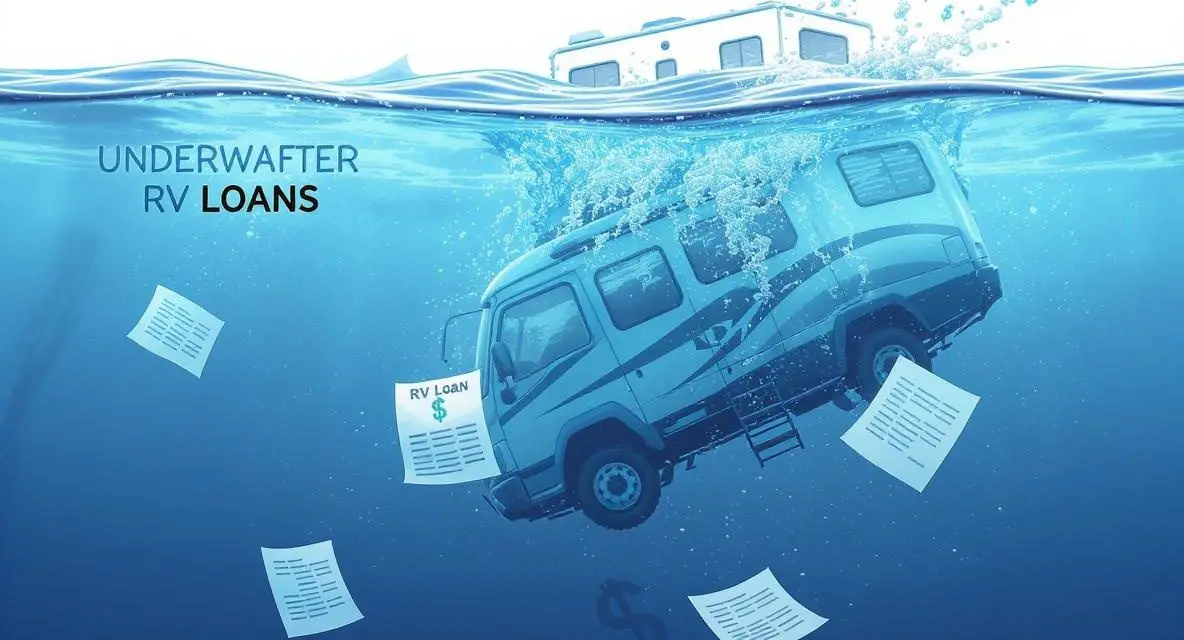
Your dream RV might be turning into a financial nightmare, and you’re not alone. The recreational vehicle industry has experienced unprecedented changes since COVID-19, leaving countless RV owners struggling with loans that exceed their vehicle’s value. This phenomenon, known as being “underwater” on your loan, has become alarmingly common across America.
Recent market data shows that many RV owners need to put down an additional 20% just to break even on their loans when trying to sell. The combination of inflated COVID-era prices, increased supply from dealerships, and rapid depreciation has created a perfect storm for RV owners. Understanding these challenges is crucial whether you’re considering buying your first RV, already own one, or are exploring rental opportunities to offset your costs.
In this comprehensive guide, we’ll explore seven critical insights about RV loans and the emerging rental market that could help you navigate these turbulent waters and potentially turn your RV investment around.
1. The 20% Rule: Why Most RV Owners Are Trapped
The shocking reality is that most RV owners today need to come up with an additional 20% of their loan balance just to break even when selling their vehicle. This means if you owe $80,000 on your RV, you might need to bring $16,000 to the table just to get out of the loan.
This underwater situation stems from several factors:
- Inflated COVID-era pricing that drove RV values to unsustainable levels
- Mass dealership inventory flooding the used market
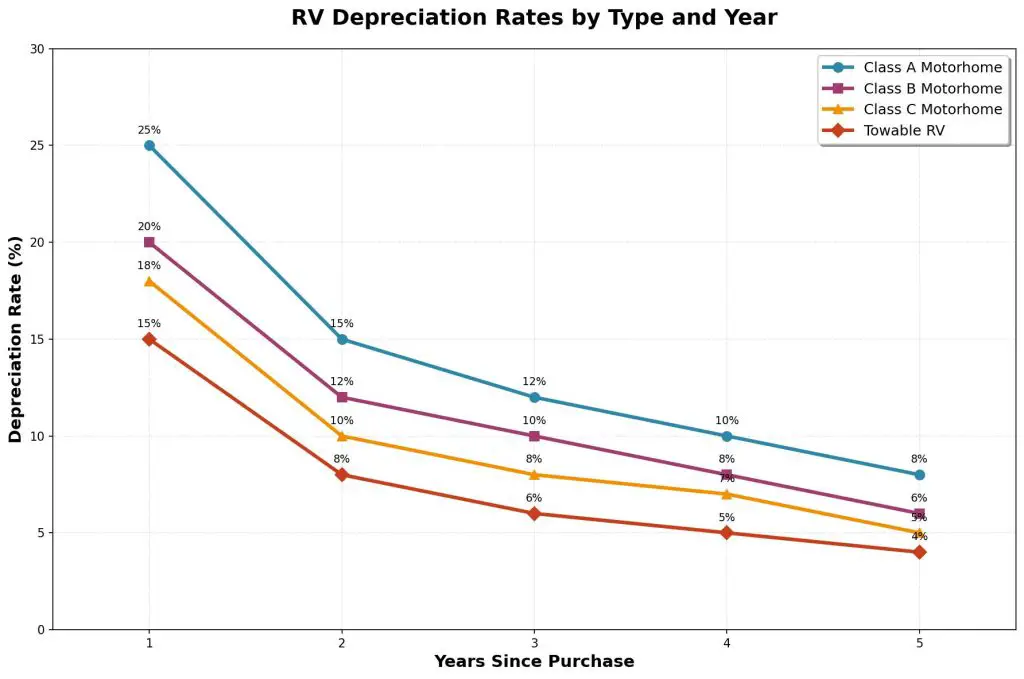
- Rapid depreciation especially on motorized RVs
The RV rental market has emerged as a potential solution, with platforms like Fireside RV Rental helping owners generate income to pay down their principal faster. However, this approach requires careful planning to avoid accelerating depreciation through excessive use.
Here’s the thing about being underwater on an RV loan – it’s like being stuck in quicksand. The more you struggle by trying to sell quickly, the deeper you sink into negative equity. Smart RV owners are now looking at rental income as their rope to climb out.
2. COVID’s Lasting Impact on RV Values
The pandemic created an artificial RV bubble that’s now bursting, leaving owners with vehicles worth far less than their purchase price. During 2020-2021, RV demand skyrocketed as people sought safe, isolated travel options, driving prices to historic highs.
Key statistics from the RV industry show:
- RV market size: Expected to reach $53.74 billion by 2030
- Economic impact: $140 billion annually on the US economy
- Post-COVID reality: Values now similar to or below late-2023 levels
The challenge for current owners is competing with dealerships who are aggressively pricing their inventory to clear lots. This creates downward pressure on private party sales, making it even harder for underwater owners to escape their loans.
It’s like buying a house at the peak of a housing bubble – except RVs depreciate much faster than real estate. The COVID bump was great for dealers, but terrible for anyone who bought at the peak.
3. The Mileage Trap: Why Unlimited Rentals Are Dangerous
Some RV rental platforms promote “unlimited mileage” to attract renters, but this can be devastating for RV owners. When you allow unlimited mileage, you’re essentially gambling with your vehicle’s value, as high-mileage RVs depreciate exponentially faster.