
A clean-looking RV title does not prove the person selling the RV owns it. The scam works because the paperwork looks real enough to calm a buyer’s doubts, while a lien, a stolen unit, a cloned VIN, or a skipped owner sits underneath. Before you pay, confirm that the seller’s ID matches the title, the VIN on the RV matches the VIN on the title, and the state motor vehicle agency and any lender agree with what the seller told you.
Most private sellers are honest, and plenty of title hiccups are simple mistakes that a visit to the DMV can fix. The goal is to tell the two apart before your savings are on the line. Title, lien-release, and transfer rules differ by state, so treat the checks below as a framework and confirm the details locally.
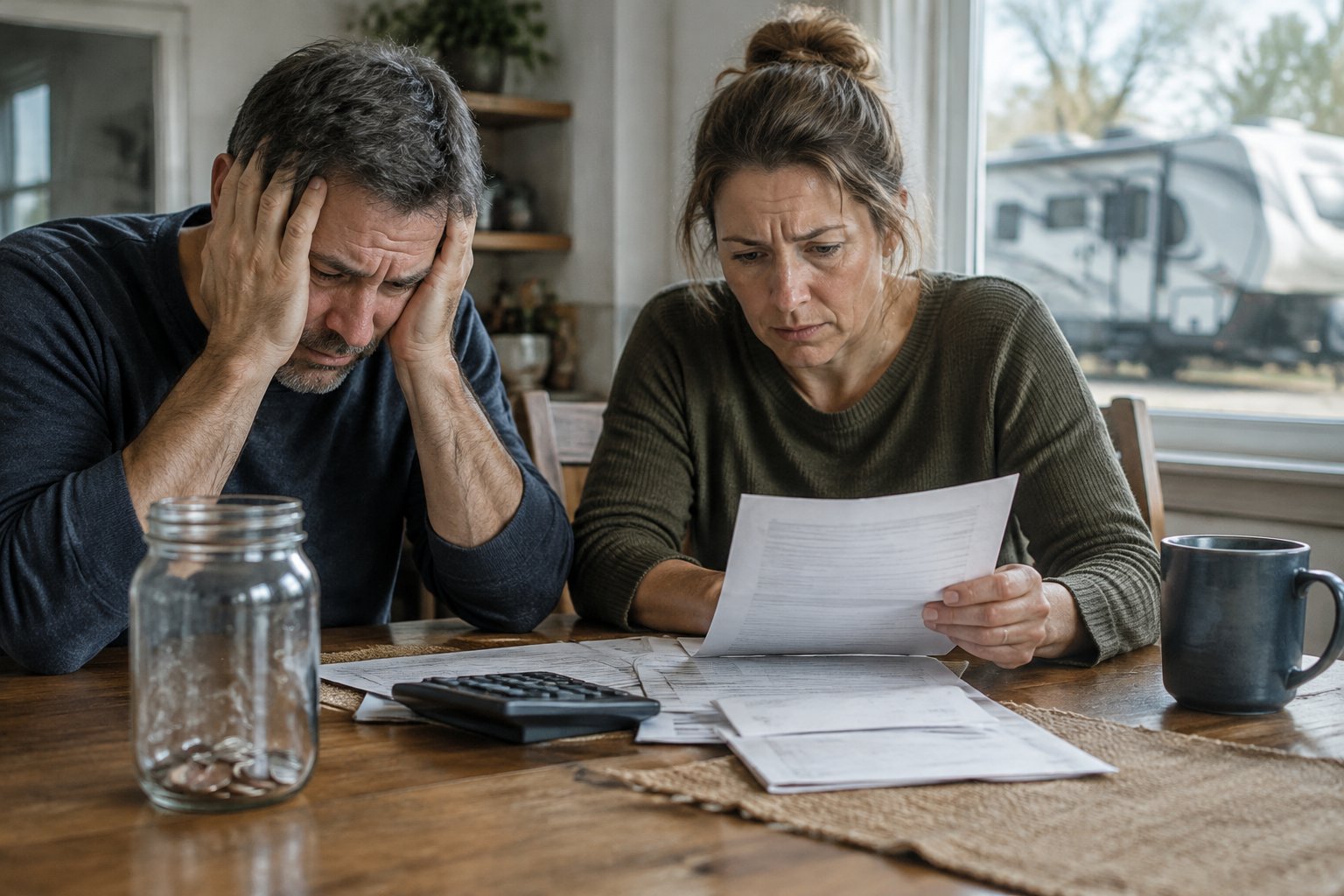
Fraud reports in this space are common, and some listings are built to look polished. If you have been caught in one, you are far from alone, and the later sections cover what to do next.
How Can a Convincing RV Title Hide an Ownership Problem?
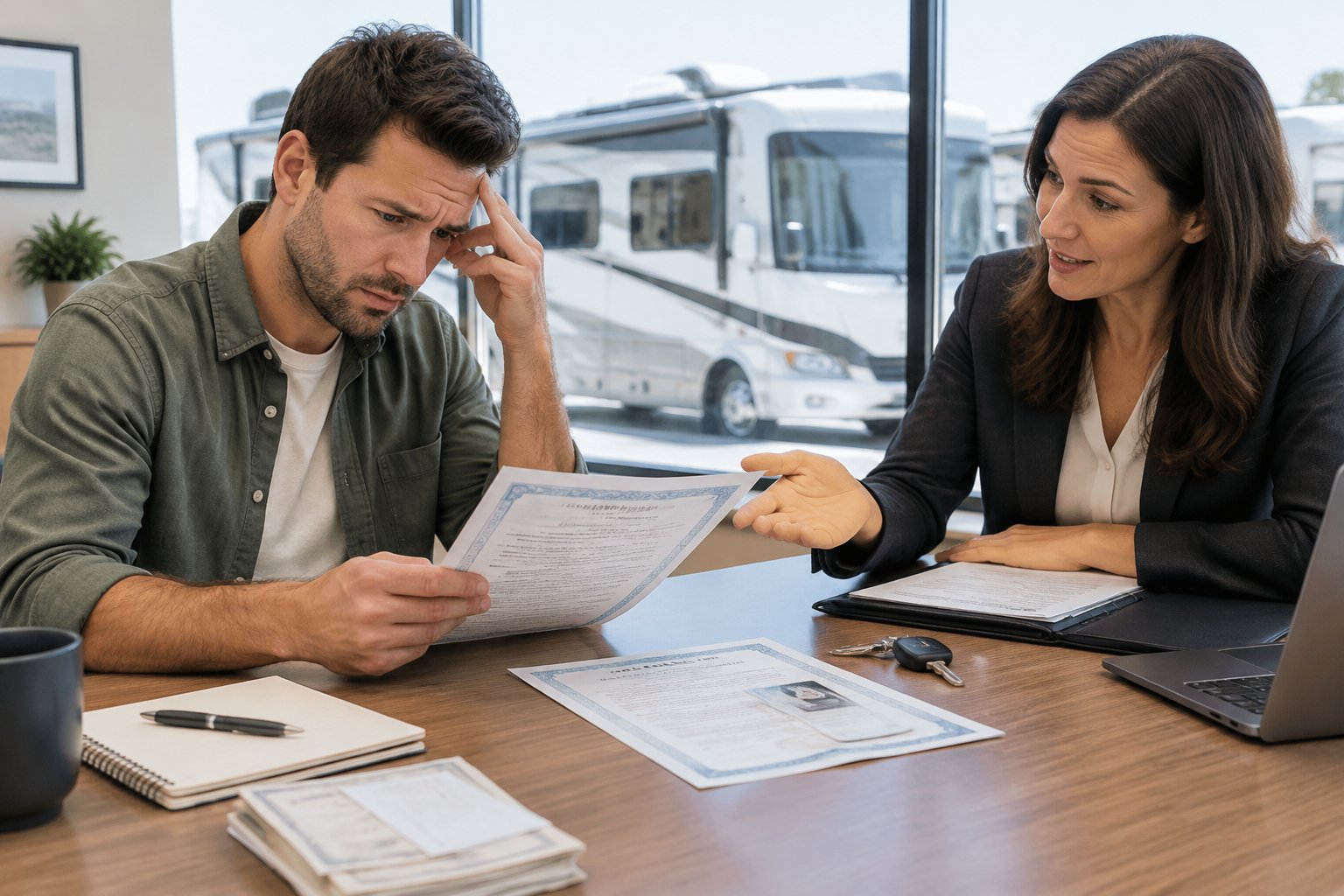
A title is only a piece of paper that points to a record, and paper can be forged, borrowed, or left incomplete. The most common problems fall into a few groups: documents that are fake, units that were stolen, ownership chains with missing links, and debts or damage history that never made it onto the page you are holding.
Forged Titles, Stolen RVs, and VIN Cloning
A forged title copies the look of a state document, and a stolen RV can be paired with paperwork that seems fine. RVtravel warns that a used RV may be stolen, which is why a clear and legitimate title belongs on every inspection list.
VIN cloning goes one step further. A thief copies the VIN of a legal RV onto a stolen one, so the number on the unit and the number on the paper agree, yet both belong to a different vehicle.
That is why you check the VIN in several places. One guide says that on a towable, the VIN stamped on the frame, the federal certification label, and the title should match character for character, and a mismatch can mean an altered identity, a stolen trailer, or a frame swap.
Title Jumping, Hidden Liens, and Washed Brands
Title jumping happens when a seller buys an RV, never retitles it, and sells it on with the previous owner’s signature. You end up with a gap in the chain, and the person whose name is on the title may not know the sale happened.
A hidden lien is a lender’s legal claim on the RV. The seller can own the RV and still not be free to sell it until the loan is paid.
Washed brands are a history problem. Title washing moves a branded RV through a state with weak reporting so the new paper title leaves off the earlier salvage or flood record.
When Is a Title Problem Fraud Rather Than a Paperwork Error?
Fraud involves deliberate deception, and paperwork errors do not. A name misspelled by a clerk, a missing signature from a co-owner who is happy to sign, or a lien that was paid off but never recorded as released are fixable with the agency or lender.
Warning signs of intent look different. The seller refuses to let you call the lender or the state agency, pushes you to pay before the paperwork is checked, shows a title for a different vehicle, or cannot explain gaps in the ownership chain.
One reader-reported case describes a buyer who found the DMV transaction had been done for a different vehicle. That account comes from a forum, so treat it as an example of what to watch for rather than a verified case.
What Do Verified RV Title-Fraud Cases Show?
Documented cases show the damage when title handling goes wrong, but they also show why you should separate allegations from findings. The Harris County Sheriff’s Office is investigating allegations that Texas Housing and RV sold consigned RVs without proper title transfers and used fraudulent documents. Those are allegations under investigation, and no outcome is confirmed.
A consignment case in Oregon is better documented. The state bar’s consumer law section reports that a Salem RV dealer sold over $500,000 worth of RVs, kept the money, and disappeared. Sellers were never paid and held onto their titles, while buyers had paid and wanted them. The article notes that Oregon requires a dealer bond, capped at $50,000 per year and split among all claimants, which leaves victims with a small share.
The lesson: if a dealer is selling on consignment, ask whether it holds the physical title before you pay.
How Do You Verify RV Ownership Before Paying?
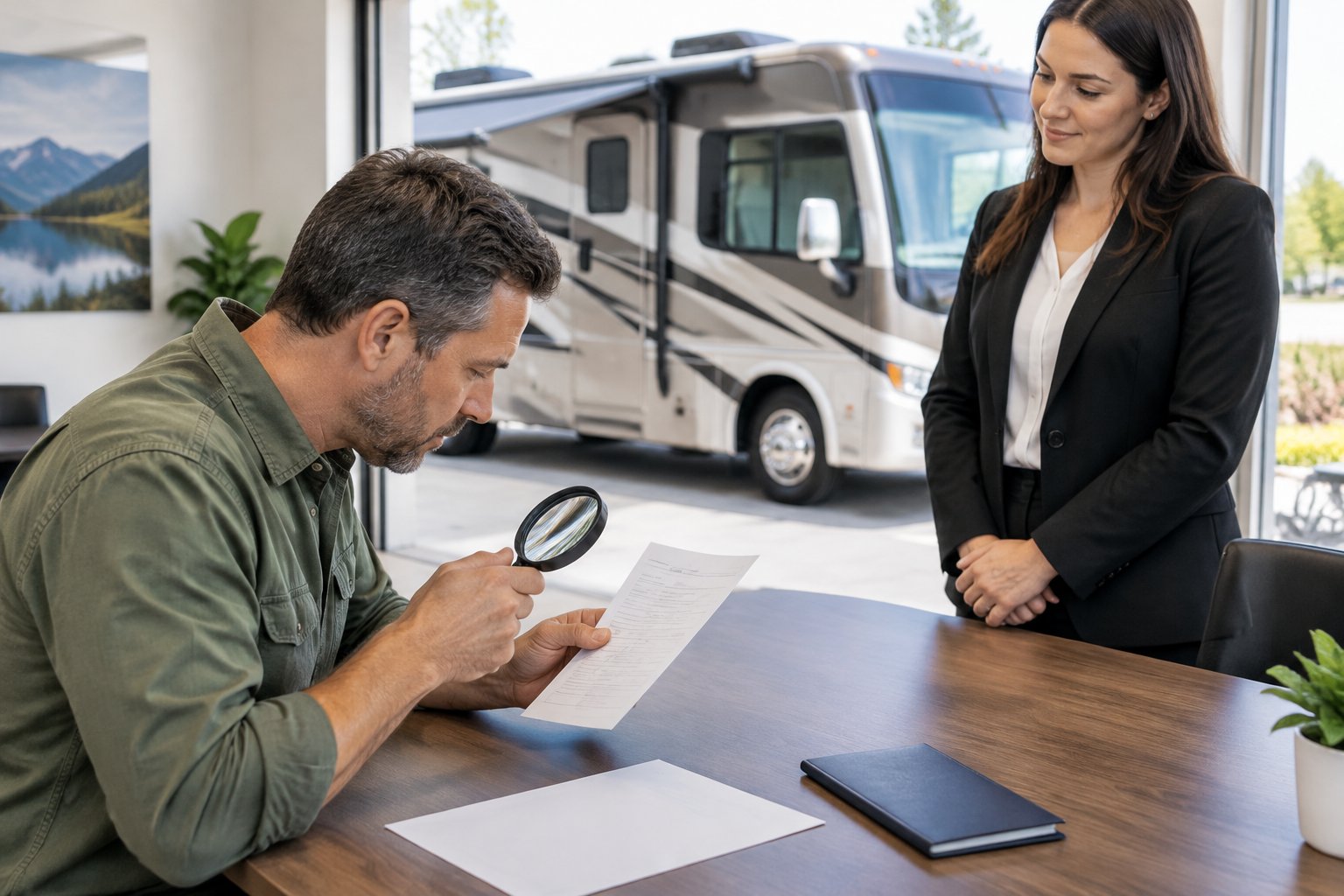
Ownership checks work best as a sequence: identity first, then the VIN, then the lender, then the state. Each step answers a different question, and a seller with nothing to hide will usually welcome all of them.
Match the Seller’s Identity to the Title and Their Authority to Sell
Ask to see the original title and the seller’s government ID, and confirm the names match. RVtravel advises requesting a copy of the title and the seller’s ID so you can weed out many scammers.
If two owners are listed, find out whether both must sign, since requirements vary by state and by whether the names are joined by “and” or “or.” If someone else is selling for the owner, ask for written authority and verify it with the owner directly.
Protect yourself too. Do not send your own driver’s license, Social Security number, or bank statements to prove you are serious, because that can open the door to identity theft.
Compare the RV’s VIN With Its Title and Records
Walk up to the RV and read the VIN yourself. For a motorhome, use the chassis VIN, since state title records tie legal ownership to the chassis.
Then compare it with the title, registration, and service records. A seller who is far away can show you the VIN on a live video call, but treat that as a first look and not as proof of ownership.
Verify Liens and Any Required Lien Release With the Lender
If