

Before you hit the road with your dream RV, discover the hidden truths that could save you thousands!
Are you ready to embark on your RV adventure but feeling overwhelmed by all the “expert” advice floating around? You’re not alone! The RV lifestyle promises freedom, adventure, and unforgettable memories, but there are crucial secrets that dealers and salespeople often don’t share with first-time buyers.
This comprehensive guide reveals 15 essential truths that can save you from costly mistakes and frustrating surprises. From tire safety to electrical systems, we’ll uncover the real-world insights that experienced RVers wish they’d known before purchasing their first travel trailer.
Whether you’re shopping for your first RV or already own one, these insider tips will help you make informed decisions and avoid the expensive learning curve that catches many new RVers off guard. Get ready to discover what the RV industry doesn’t want you to know!
1. Your “Perfect” RV Tires Might Be Dangerous Time Bombs
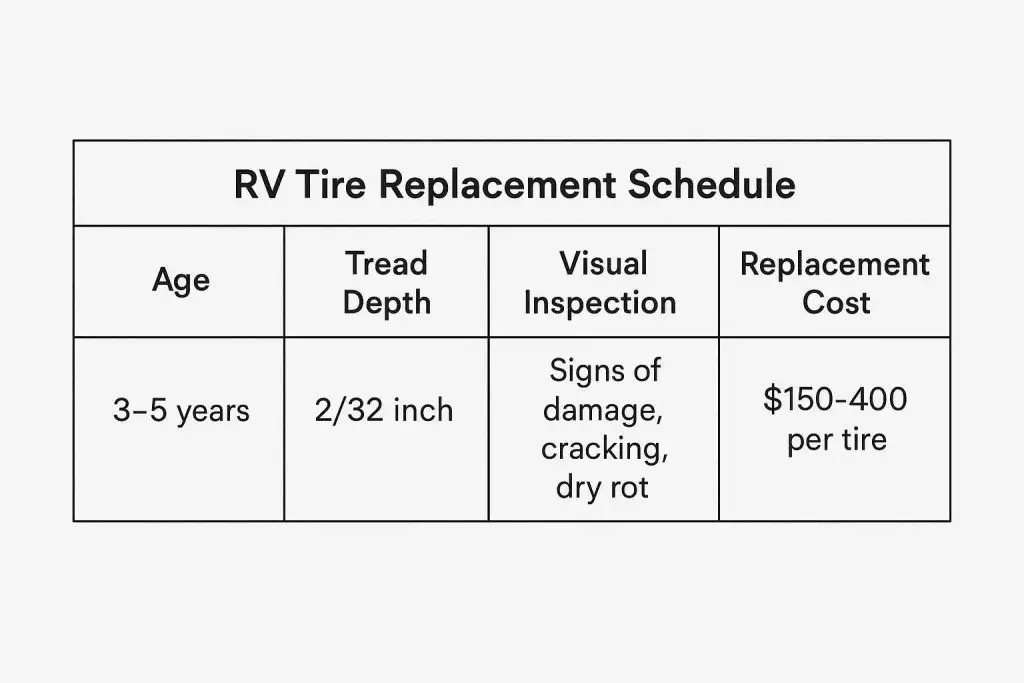
You need to check your tire’s DOT date code before you even think about hitting the road. That four-digit code stamped on your tire’s sidewall tells you the week and year it was manufactured. For example, “3523” means the tire was made in the 35th week of 2023.
Critical Statistics:
- RV tires should be replaced every 3-5 years, regardless of tread wear
- Tire blowouts can cost up to $10,000 in RV damage
- Most RVers age out their tires before wearing them out
- Replacement costs range from $150-400 per tire RVshare
Pro Tip: That “low-mileage” used RV with 5-year-old tires isn’t a blessing—it’s a liability waiting to happen.
Here’s the kicker: Those pristine-looking tires that have been sitting in one spot for years are actually more dangerous than well-traveled ones. It’s like buying a sports car and being proud it’s never been driven—except this “feature” could leave you stranded on the interstate with a $300 tow bill!
2. RV Travel Isn’t the Money-Saving Miracle You Think It Is
You’ve probably heard that RVing is the cheapest way to travel, but that’s about as accurate as saying unicorns make great pets. The real value of RV travel lies in the lifestyle, not the savings.
Real Cost Breakdown:
- Maintenance and repairs
- Fuel costs (RVs aren’t fuel-efficient)
- Campsite fees and memberships
- Essential gear and gadgets
- Insurance and registration
Industry Reality Check: According to RVIA, the RV industry has an economic impact of $140 billion annually, supporting nearly 680,000 jobs RVIA. This massive economic footprint suggests people are spending serious money on RV travel, not saving it.
Think of RV travel costs like a gym membership—you’re paying for the privilege and convenience, not necessarily saving money. The real payoff is waking up next to a mountain lake where hotels don’t exist and bringing your furry friends along for the ride.
3. The “No Repairs Needed” Red Flag You Should Never Ignore
When a seller claims their RV has “never needed repairs,” your alarm bells should be louder than a smoke detector at 3 AM. Every used RV has needed repairs at some point—even most new RVs require fixes between the manufacturer and your driveway.
What You Need to Know:
- Honest sellers provide repair documentation
- Most new RVs need warranty work before delivery
- Service center wait times can be weeks or months
- Mobile RV technicians are becoming essential
Better Approach: Look for sellers who provide detailed repair history and documentation. This transparency is actually a positive sign that the RV has been properly maintained.
It’s like someone claiming they’ve never needed to change the oil in their car—technically possible if they’ve