
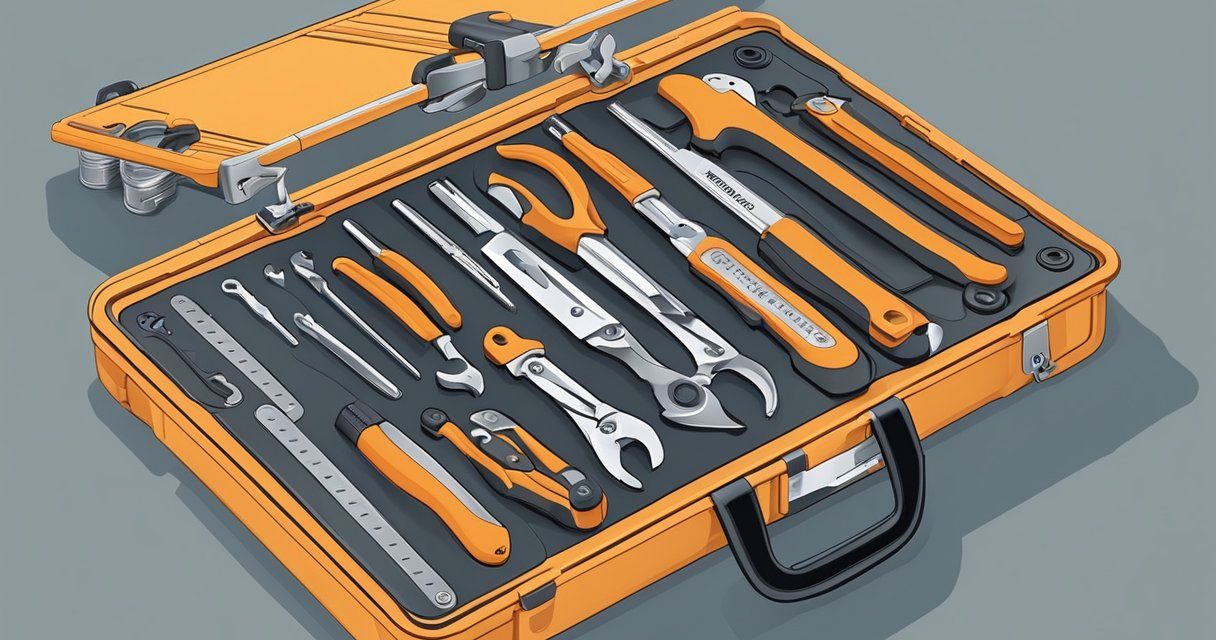
For anyone hitting the open road in an RV, having the right tools on board can make all the difference.
Whether it’s for unexpected repairs or routine maintenance, an essential tool kit keeps travelers prepared for any situation that may arise during their adventures.
Equipping an RV with the right set of tools is crucial to ensure a smoother and worry-free journey.
With limited space available, it becomes important to carefully choose which tools to include while balancing necessity and practicality.
These essential items provide peace of mind, making every trip more enjoyable and stress-free.
1) Adjustable Wrench
An adjustable wrench is one of the most versatile tools in any RV tool kit.
It allows RVers to tackle different sizes of nuts and bolts with a single tool. This adaptability can save space, which is crucial in the compact storage areas typical in RVs.
Whether performing routine maintenance or quick fixes on the road, an adjustable wrench can handle various tasks.
It’s perfect for plumbing fittings, securing loose bolts, or making adjustments to hitch components. The ability to fine-tune the jaw’s width makes it useful for a range of repairs.
RVers appreciate tools that provide flexibility, and the adjustable wrench is a prime example.
It is lightweight and easy to store, creating space for other tools that might be needed. This tool helps RVers stay prepared without overloading their storage area.
2) Multimeter
A multimeter is an essential tool for anyone traveling in an RV.
It helps diagnose electrical issues by measuring voltage, current, and resistance. These measurements can pinpoint issues with RV batteries, wiring, or appliances.
RVers often face electrical problems that can disrupt their travels. A simple check with a multimeter can detect problems early. This allows for timely repairs and prevents more significant issues down the road.
Compact and lightweight, multimeters are convenient to carry and store. Many models offer digital displays, making them easy to read and user-friendly for those with limited electrical knowledge.
With this vital tool, RVers can maintain a safer and more enjoyable adventure.
3) Duct Tape
Duct tape is a handy tool that no RV should be without.
It’s incredibly versatile and can be used for a wide range of repairs, from patching holes to securing loose items. Many RV owners have found it indispensable during unexpected situations.
This tape is known for its strong adhesive qualities and durability. Whether it’s for temporary fixes or more significant repairs, it can handle various weather conditions and surfaces.
Outdoor and indoor use means it stands up to moisture, UV rays, and more.
Duct tape is also useful beyond simple repairs. Creative RVers have used it for crafting or even making temporary items like wallets.
Keeping a roll or two in your tool kit ensures you’re ready for any quick fix needed on the road.
4) Needle Nose Pliers
Needle nose pliers are a staple in any RV tool kit.
Known for their long, tapered jaws, they can reach into tight spaces, making them ideal for jobs in cramped quarters. Their design allows them to grasp small objects with precision, a vital feature when dealing with intricate wiring or tiny fasteners.
In addition to their primary use, they’re perfect for bending, twisting, or cutting wire. This versatility means they can handle a variety of tasks, whether it’s fixing a loose connection or adjusting a stubborn small part.
They are lightweight and easy to store, which is important given the limited space available in an RV.
Every RVer benefits from having a reliable pair of needle nose pliers on hand. They are not just useful for routine maintenance; they can be lifesavers when unexpected issues crop up on the road. Their ability to manipulate small components efficiently ensures RVers can keep things running smoothly.
5) Tire Pressure Gauge
A reliable tire pressure gauge is essential for any RV tool kit.
Properly inflated tires are crucial for safety and optimal performance. RV tires often require higher pressure compared to regular vehicles, sometimes exceeding 100 psi.
Choosing the right gauge can make a significant difference. Digital gauges offer quick, accurate readings, and are often easier to read than analog ones. This makes them a popular choice among RV en