
You’ll learn how to avoid common decorating errors that make a shabby chic camper feel cluttered, fragile, or uncomfortable. Follow simple fixes to get a cozy, vintage look that actually works for small, moving spaces.

Would you like to save this article?
You’ll want soft colors, smart storage, durable fabrics, and the right lighting to keep your camper charming and livable. PRO TIP: small changes can give the biggest impact when space is tight.
1) Ignoring camper size when selecting furniture

You might pick a pretty couch or table that looks perfect at home but won’t fit your camper’s layout. Measure your floor space, doorways, and storage areas before you buy anything.
Think about how you move around inside. Narrow aisles and low ceilings change what will work comfortably.
Choose multiuse and foldable pieces to save room. Lightweight items make setup and storage easier on the road.
PRO TIP
Bring a tape measure and sketch a floor plan to scale. Test pieces at home by marking the footprint with tape so you know the fit before you commit.
2) Using harsh, bright colors instead of soft pastels
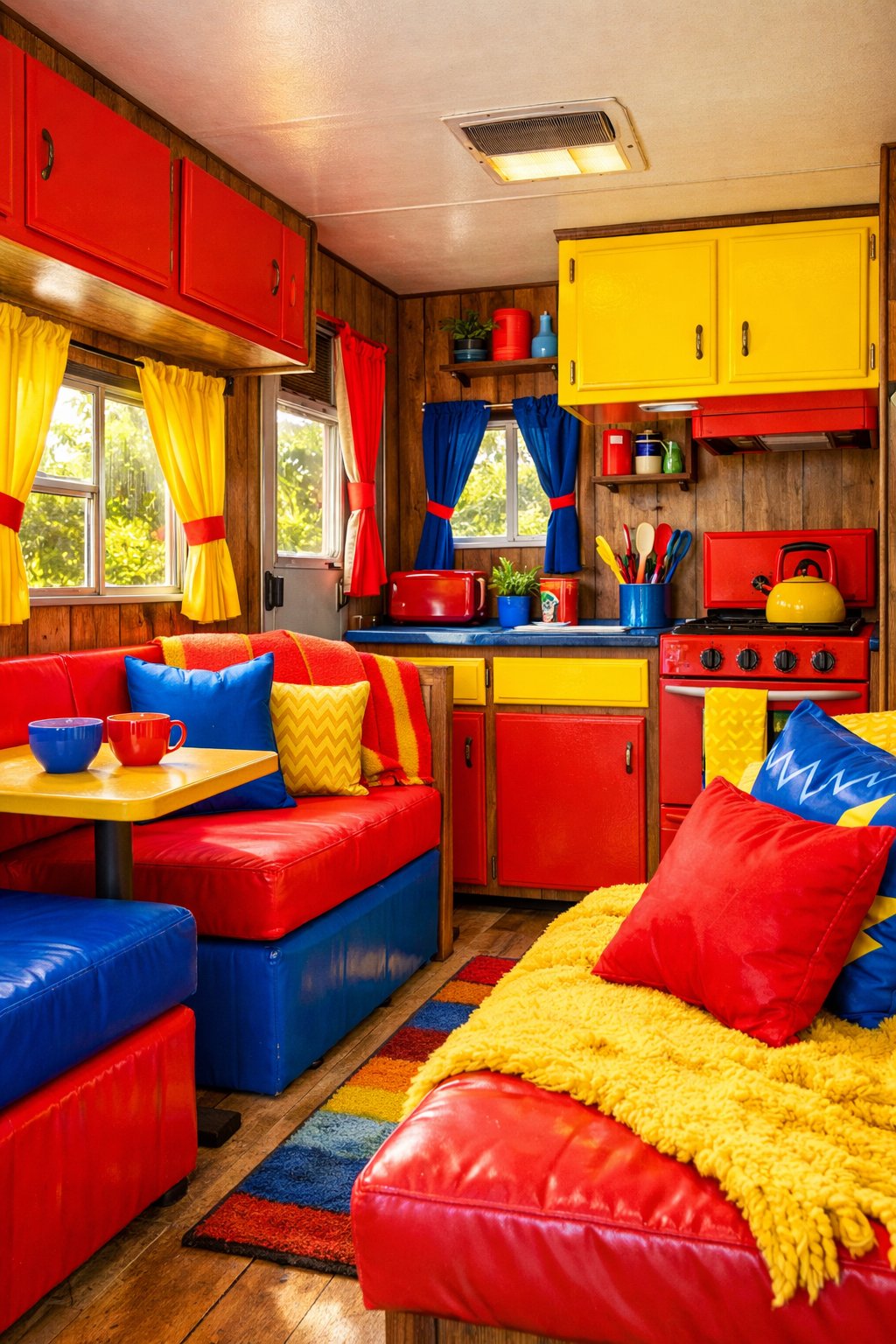
Bright, neon, or very bold colors can overwhelm a small camper and break the shabby chic vibe. You want a calm, cozy feel that invites you to relax, so choose soft pastels, muted tones, and faded hues instead.
Harsh colors draw attention to flaws and clutter. Soft shades hide imperfections and make patterns and textures blend nicely, which fits shabby chic better.
PRO TIP
Pick one soft base color and add two gentle accent shades. Use worn finishes and light fabrics to keep the look layered and lived-in without feeling loud.
3) Overloading space with too many vintage accessories

Filling every surface with old items can make your camper feel crowded and chaotic. You want charm, not clutter, so pick a few pieces that matter to you.
Group similar items together to create small displays instead of scattering things everywhere. This makes the space feel intentional and gives each item room to stand out.
Use empty space as part of your design. Blank areas help the eye rest and make the accessories you kept look more special.
PRO TIP
Choose one or two focal vintage pieces and limit the rest to simple, modern accents. This balance keeps the shabby chic look cozy without overwhelming your camper.
4) Choosing non-durable fabrics that don’t withstand travel

You want fabrics that handle bumps, sun, and spills. Lightweight or delicate materials tear, fade, and wear fast when the camper moves.
Pick fabrics that clean easily and dry fast. Stains happen, so choose weaves that wipe or wash without losing shape.
Avoid thin trims and fragile lace in high-use spots. They catch on things and shred; save those for decorative, out-of-reach areas.
PRO TIP
Test a small swatch by crumpling and washing it. If it wrinkles, fades, or frays, don’t use it for cushions or curtains.
5) Skipping weatherproofing on wooden decor

Wood looks warm and cozy, but it can swell, crack, or rot if you skip weatherproofing. Moisture and sun will wear wood fast, especially in a camper where conditions change a lot.
You should seal any wooden signs, shelves, or frames you bring inside. A clear sealer or multiple thin coats of a protective finish keeps grain and paint safe without changing the look.
If you use vintage wood, sand lightly and remove dust first. That helps the sealer stick and keeps paint from peeling later.
PRO TIP
Test a small, hidden area before treating the whole piece. This shows how the finish will look and how many coats you need.
6) Neglecting proper lighting for cozy ambiance

Lighting shapes how your camper feels. Harsh overhead lights can kill the soft, lived-in look you want, while no lighting makes the space feel dull and cramped.
Mix light sources to create depth. Use warm string lights, small lamps, and directional task lights so you can adjust brightness for cooking, reading, or relaxing.
Place lights where you need them most. Add a soft light near seating and a focused lamp by the bed or kitchen counter to make tasks easier and mood cozier.
PRO TIP
Choose bulbs with warm color temperature and add dimmers or multiple switches. That gives you control and helps keep the shabby chic vibe warm and inviting without being dark.
7) Forgetting to add personal handmade touches

Your camper should feel like yours, not a showroom. Handmade items add warmth and tell a story about who you are.
Small things matter. A sewn pillow, a painted sign, or a jar of hand-tied twine can make the space feel lived-in and loved.
DIY projects let you control color, scale, and durability. They also save money and let you reuse materials instead of buying new.
PRO TIP
Start with one easy project, like fabric coasters or a simple wall hanging. It builds confidence and gives you a clear way to add personality.
8) Using plastic containers instead of woven baskets

Plastic containers can feel out of place in a shabby chic camper. They look modern and can clash with soft, worn textures you want to highlight.
Woven baskets add warmth and a handmade feel. They hide clutter while matching rugs, linens, and distressed wood.
PRO TIP
Choose baskets in natural tones and varied sizes to fit shelves and cubbies. Line them with fabric if you need dust protection or a cleaner look.
9) Installing bulky curtains that block natural light

Heavy, thick curtains can make a small camper feel darker and smaller. You want light to bounce around the space so it feels airy and open.
Choose lightweight fabrics or sheer panels that let sunlight through while still giving privacy. Tiebacks or simple clips work well to keep fabric off windows when you want more light.
Avoid long, floor-grazing curtains that bunch and collect dirt. Shorter, neat curtains keep a tidy look and make cleaning easier.
PRO TIP
Mount the curtain rod close to the ceiling and use light-colored fabric. This makes windows appear taller and lets more natural light fill your camper.
10) Ignoring storage solutions for small camper spaces

You need smart storage to keep your shabby chic look tidy and useful. Small campers can feel cramped fast when things pile up, so plan where each item will live.
Use vertical space with hooks, shelves, and hanging baskets. These keep surfaces clear and add cottage-style charm without taking floor space.
Under-seat and under-bed storage hide bulky items. Clear bins or fabric drawers make it easy to see what’s inside and pull things out when you need them.
PRO TIP
Choose multiuse pieces like benches with lids or ottomans that double as storage. This saves room and keeps the decor cohesive.