You can create Instagram-worthy road trip photos by pairing your RV, travel companions, and changing landscapes with simple, intentional styling. Use natural light, a few personal details, and varied viewpoints to give your travel photos a relaxed, cohesive feel.
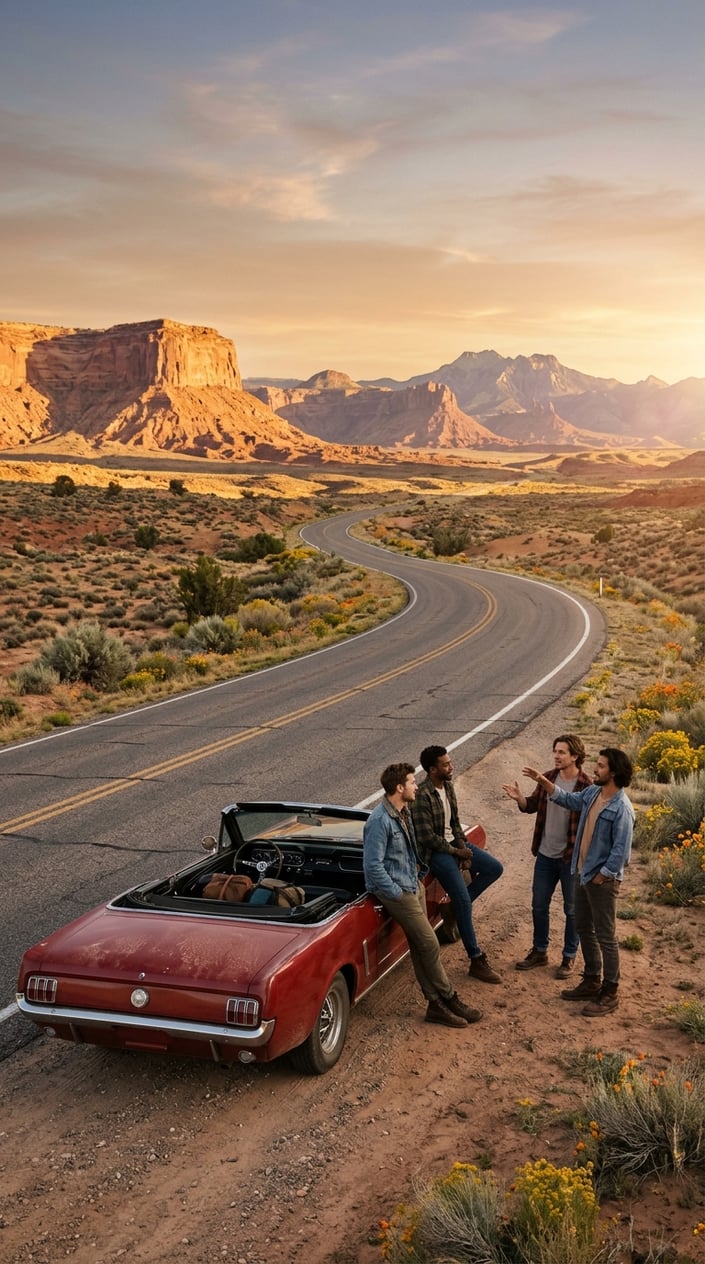
Choose a visual thread for your trip, such as warm sunset colors, cozy campsite scenes, or wide-open-road views. You’ll have an easier time building a memorable photo diary when you repeat a few colors and details while letting each stop bring its own scenery.
1) Golden-Hour RV Departure in the Driveway
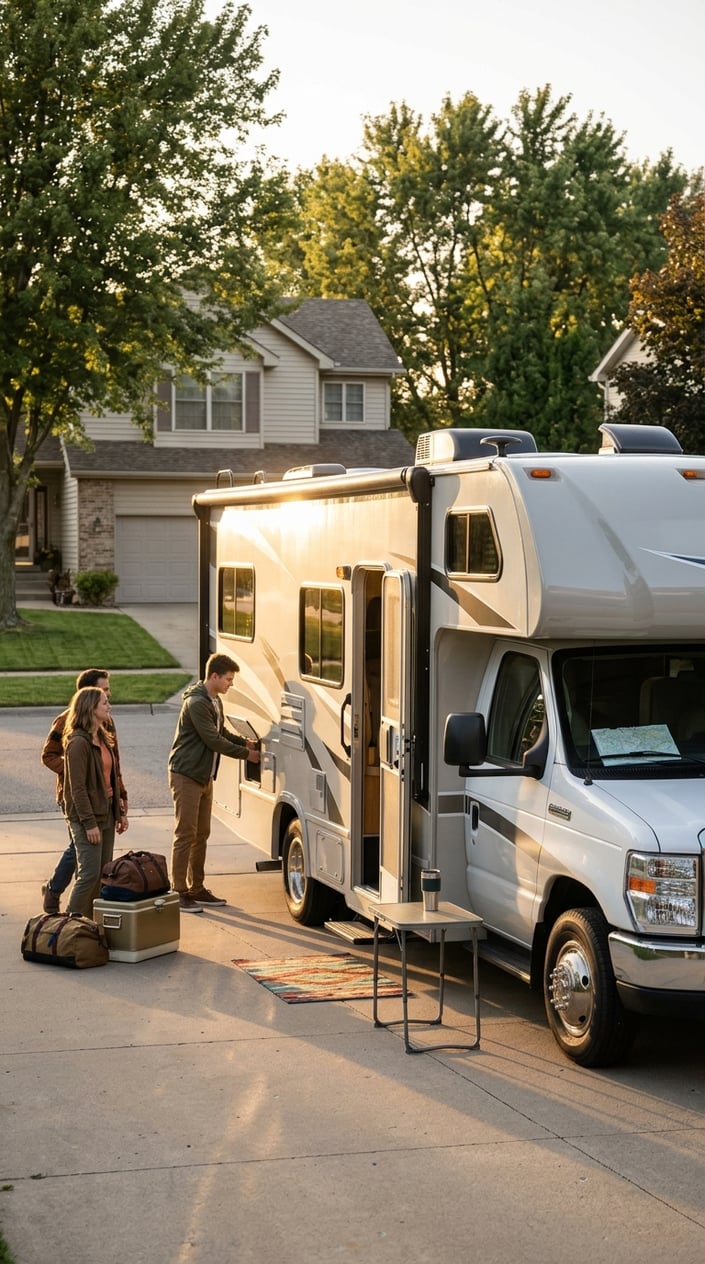
A golden-hour departure gives your road trip photos a warm, cinematic beginning. Set your RV in the driveway while the light is soft, then include a small part of your pre-trip routine, such as closing a storage compartment or carrying a travel mug.
You’ll get a more natural scene when you keep the setup simple. Straighten visible outdoor gear, leave a little space around the vehicle, and let the warm sky add color behind it. If someone is joining the trip, ask them to walk toward the RV or check a travel list. Those small actions make the scene feel lived-in. Keep the road and driveway clear while you take photos, and finish packing before you pause for the camera.
2) Coffee in the Open RV Doorway
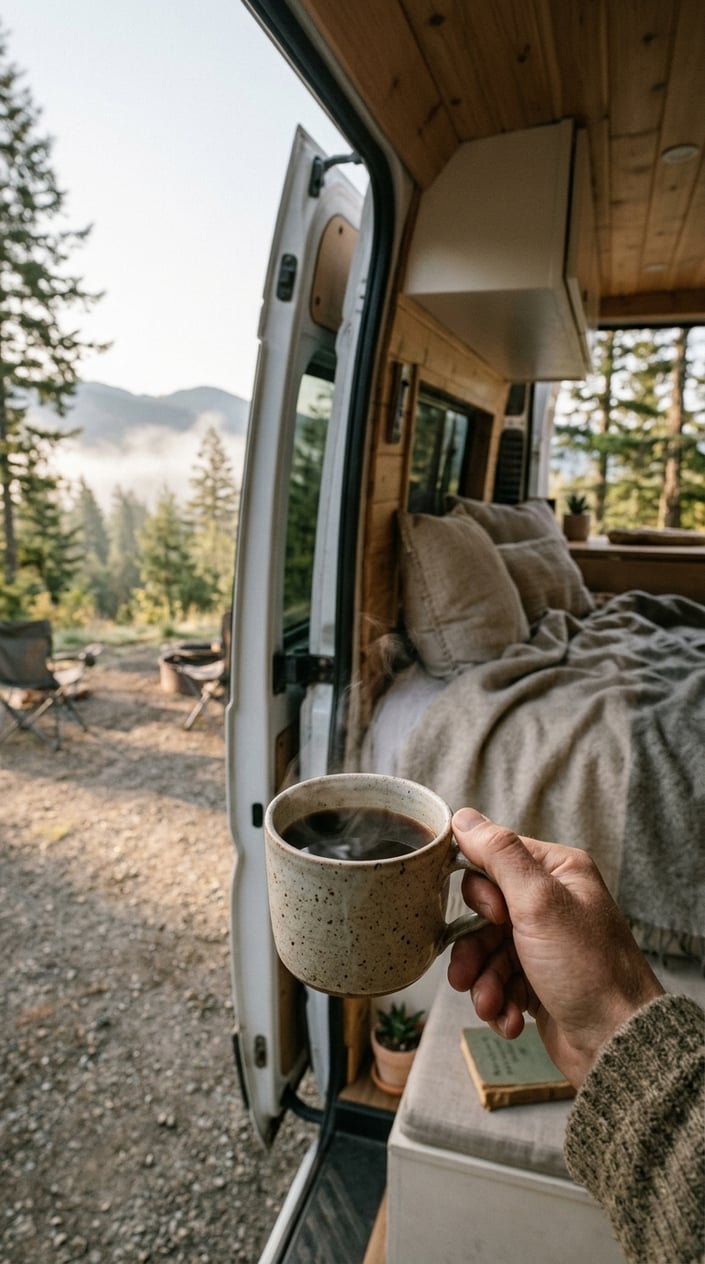
A coffee moment in your open RV doorway captures the quiet comfort of travel. Hold a favorite mug near the doorway and let the campsite or morning landscape fill the background, keeping the frame focused on the contrast between the cozy interior and the outdoors.
For a soft, inviting look, take the photo early while the light is gentle. A blanket folded nearby or a book on a small table adds a personal touch without making the space feel staged. You can include your hand and mug for a close, casual view, or step back to show more of the doorway and campsite. Check that the RV interior looks tidy from the angle you choose, then enjoy your coffee before the day’s drive.
3) A Roadside Portrait With Your RV
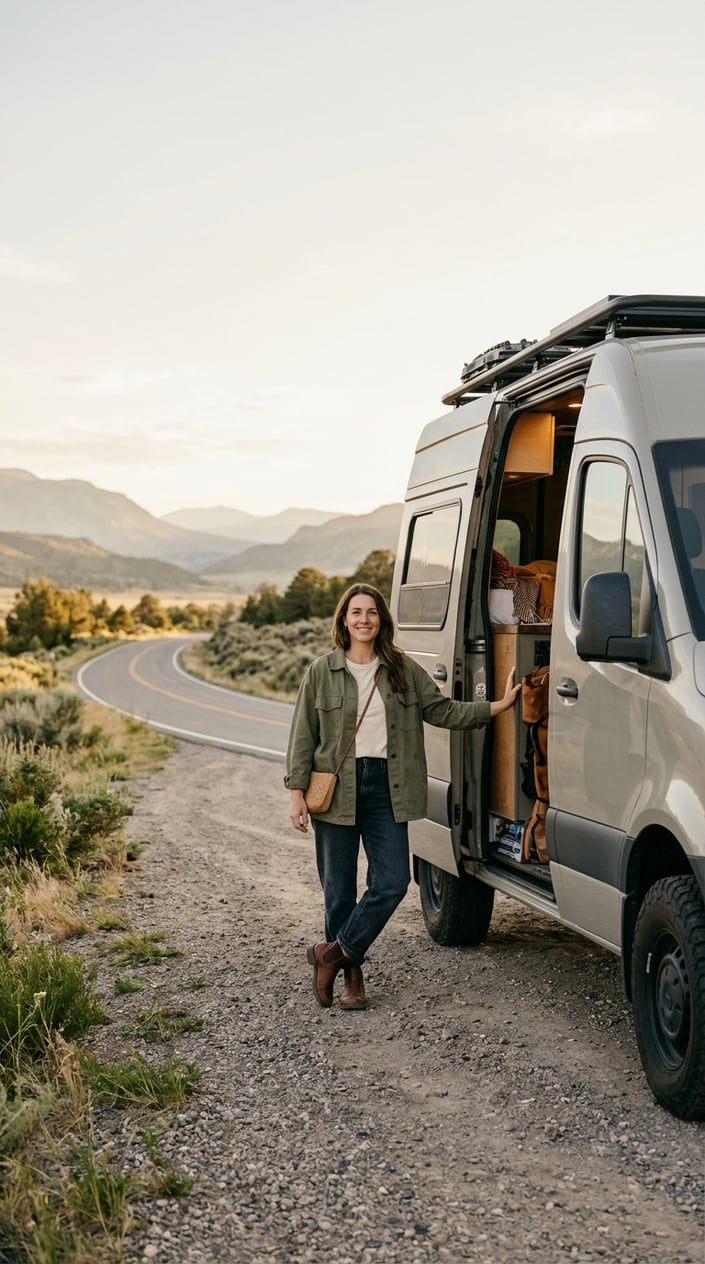
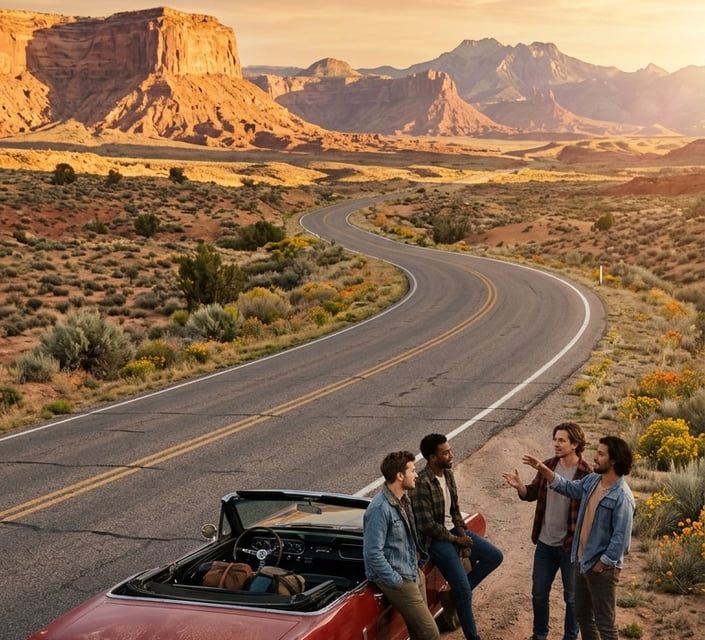
A roadside portrait gives your RV trip a human point of view. Park fully in a safe pull-off, then stand near the vehicle with the landscape visible around you. A relaxed stance, such as looking toward the view or adjusting a jacket, feels comfortable and personal.
Choose clothing that suits the setting and works with the tones around you. Earthy colors complement forests and desert scenery, while a light layer adds texture in mountain locations. Leave room in the frame to show the RV’s shape and the road or terrain behind it. Ask a travel companion to take a few frames while you shift your gaze and posture. Keep clear of traffic, and use designated parking areas for every stop.
4) A Windshield View of the Open Road
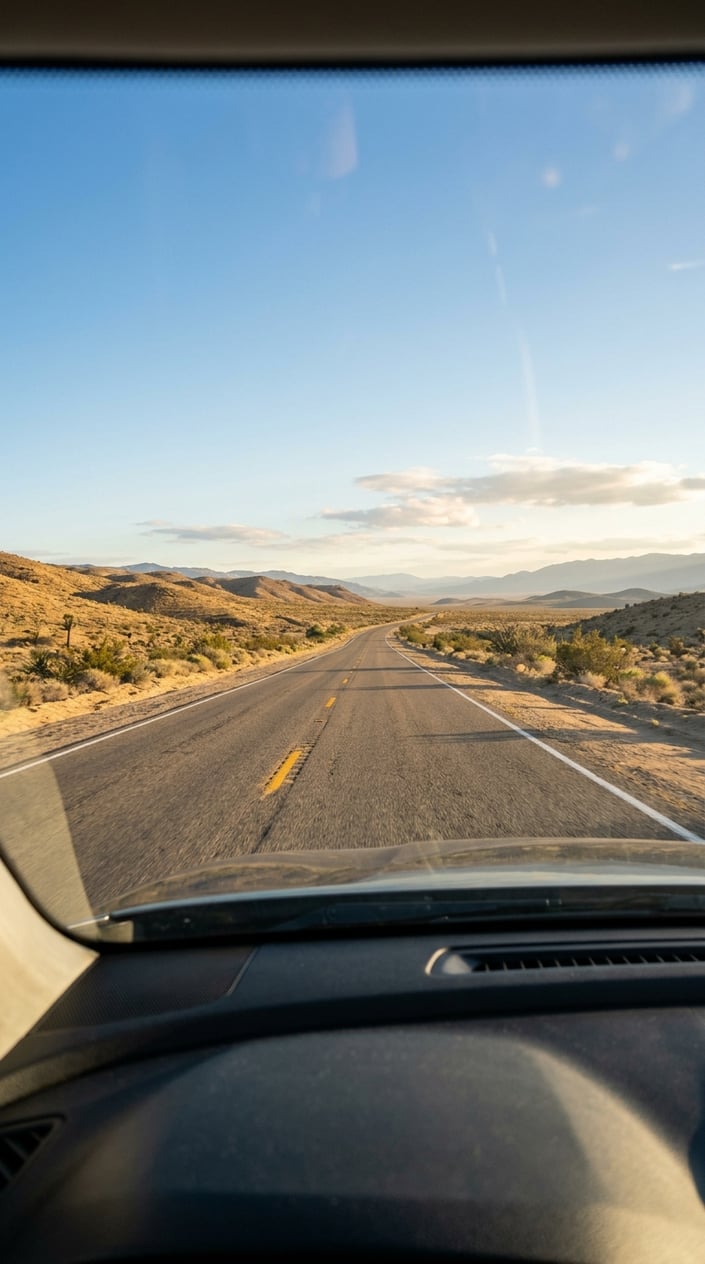
A windshield view turns the road ahead into a natural travel diary image. Park safely before taking the photo, then use the dashboard and windshield to frame the highway as it leads toward hills, trees, or a distant horizon.
A clean windshield helps the scenery look crisp, while a little dashboard detail makes the view feel like your own journey. For a balanced composition, keep the horizon level and let the road draw your eye into the distance. You can include a map or travel mug at the edge of the frame if it adds context without blocking the view. If you want a moving-road image, ask a passenger to handle the camera; keep the driver focused on the road.
5) Your RV at a Scenic Overlook
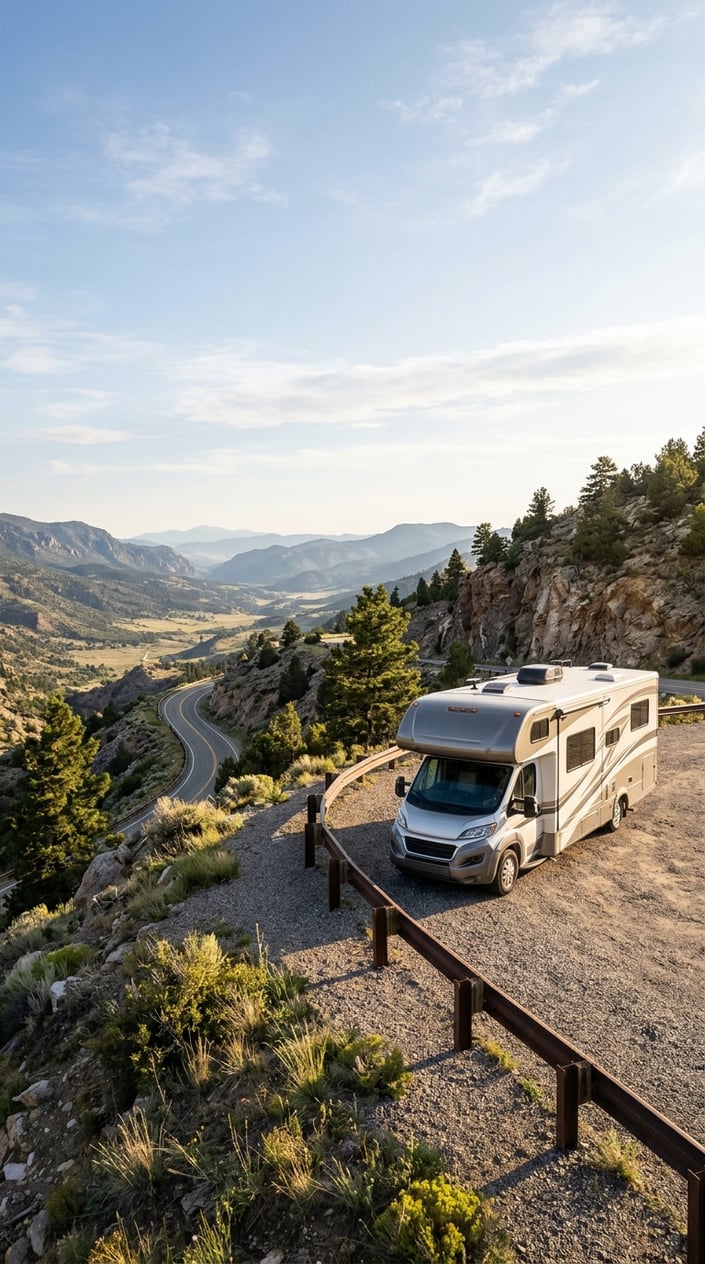
Your RV becomes the anchor of an overlook photo when you place it against a sweeping landscape. Use a designated parking area and choose an angle that shows both the vehicle and the view, such as a winding road, mountain ridge, or open valley.
Give the landscape breathing room by keeping the RV to one side of the frame. A person standing nearby adds scale and helps the photo feel connected to your trip. Early or late daylight brings out texture in the hills, while bright midday light suits a clear, vivid travel snapshot. Before you step away from the vehicle, confirm it’s parked securely and that you’re well clear of moving traffic and steep edges. Stay on marked paths when you explore the overlook.
6) The First-Morning Campground Scene
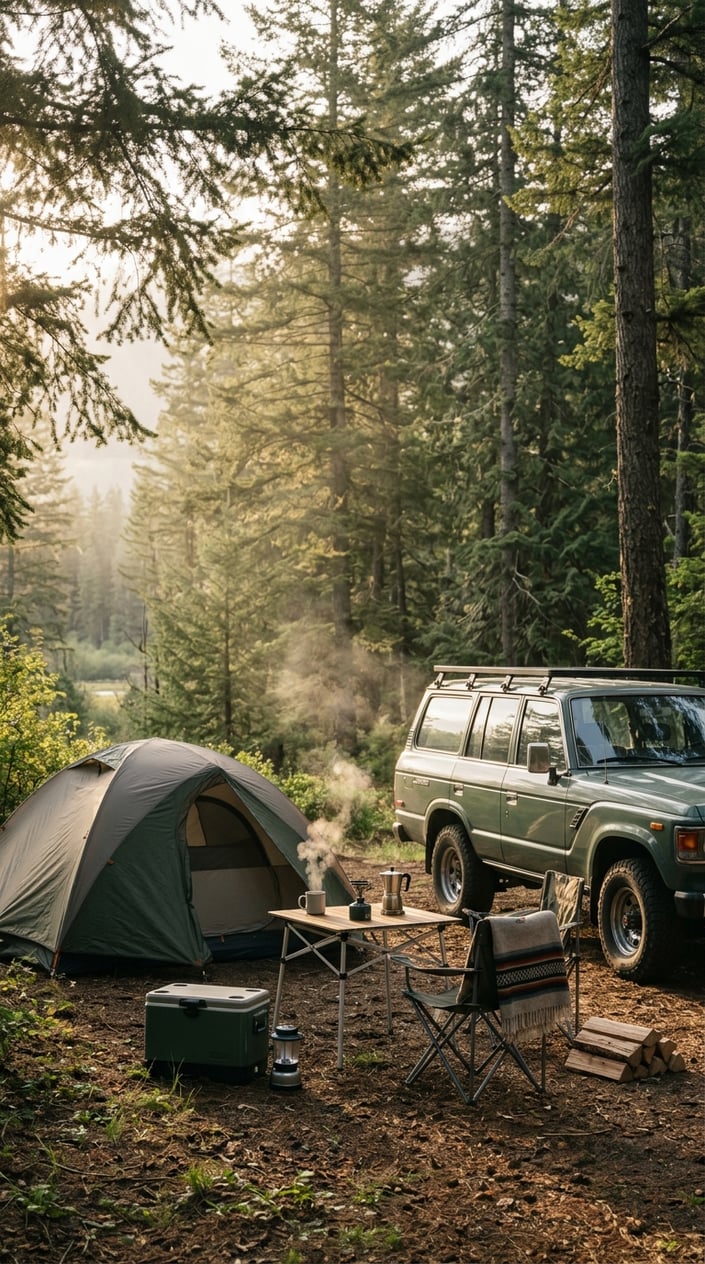
Your first morning at camp makes a peaceful start to a road trip photo diary. Capture the RV or tent among the trees while the campground is quiet, and let the soft sunrise light bring out the scene’s calm colors.
Keep a few everyday details in view, such as camp chairs, a folded blanket, or breakfast on the table. These items help your photo feel personal while showing how you spend time outdoors. If you want a candid feel, ask a travel companion to pour coffee or step outside to enjoy the morning air. Watch for other campers and give them privacy by framing your own site closely. A low angle can include the campsite foreground, while a wider view shows more of the forest setting.
7) A Cozy Campsite Under the Awning
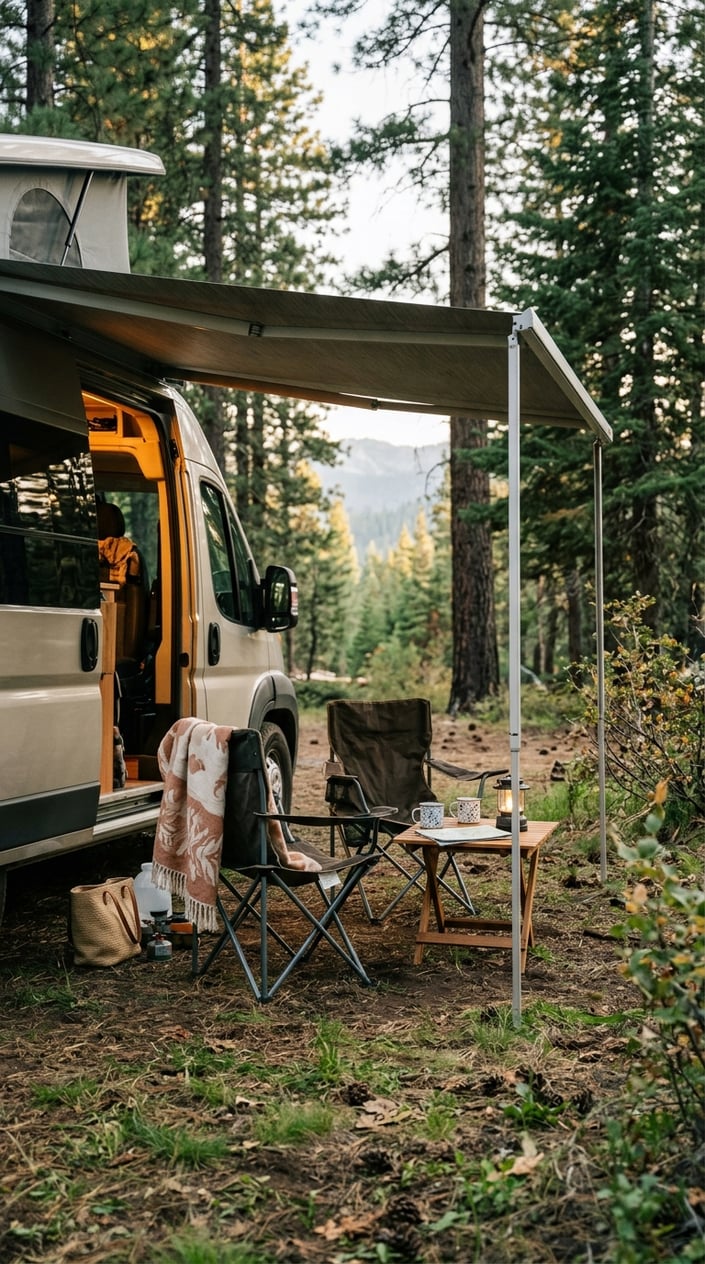
An awning creates a naturally cozy setting for campsite photos. Arrange your chairs beneath it, add a throw or cushion, and include the RV in the background so the image captures both your outdoor lounge and your home on the road.
Look for even light under the awning, especially when the surrounding campsite is bright. A lantern, book, or cup on a small table gives the scene a lived-in touch. Keep walkways and RV access clear as you arrange the space, and secure loose items if there’s a breeze. You can photograph the setup from a few steps back to show the full area, or sit in one chair for a relaxed portrait. Forest greenery adds a rich backdrop, while a simple color palette keeps the scene cohesive.
8) Plotting the Route With a Paper Map
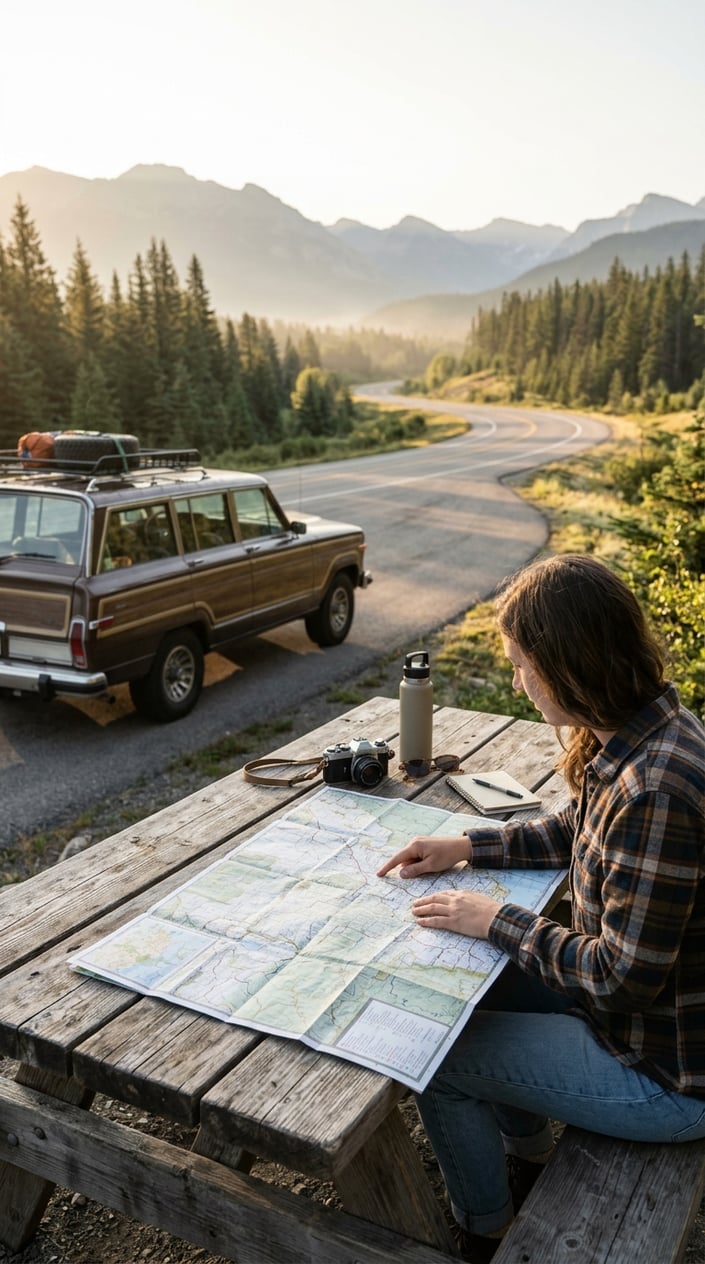
A paper map adds a sense of discovery to your road trip photos. Spread it across a picnic table or hold it beside your RV, then include a glimpse of the landscape you’re planning to explore.
Keep the map readable enough to suggest the route, while letting the view remain part of the frame. A pen, notebook, or pair of sunglasses can add context to the planning moment. If you’re traveling with someone, capture them tracing a route or pointing toward a nearby landmark. Choose a safe place to stop before you take the photo, and keep the map secure if the wind picks up. This idea works well at a campground table, rest area, or scenic overlook with a clear view.
9) A Candid Stop at a Classic Gas Station
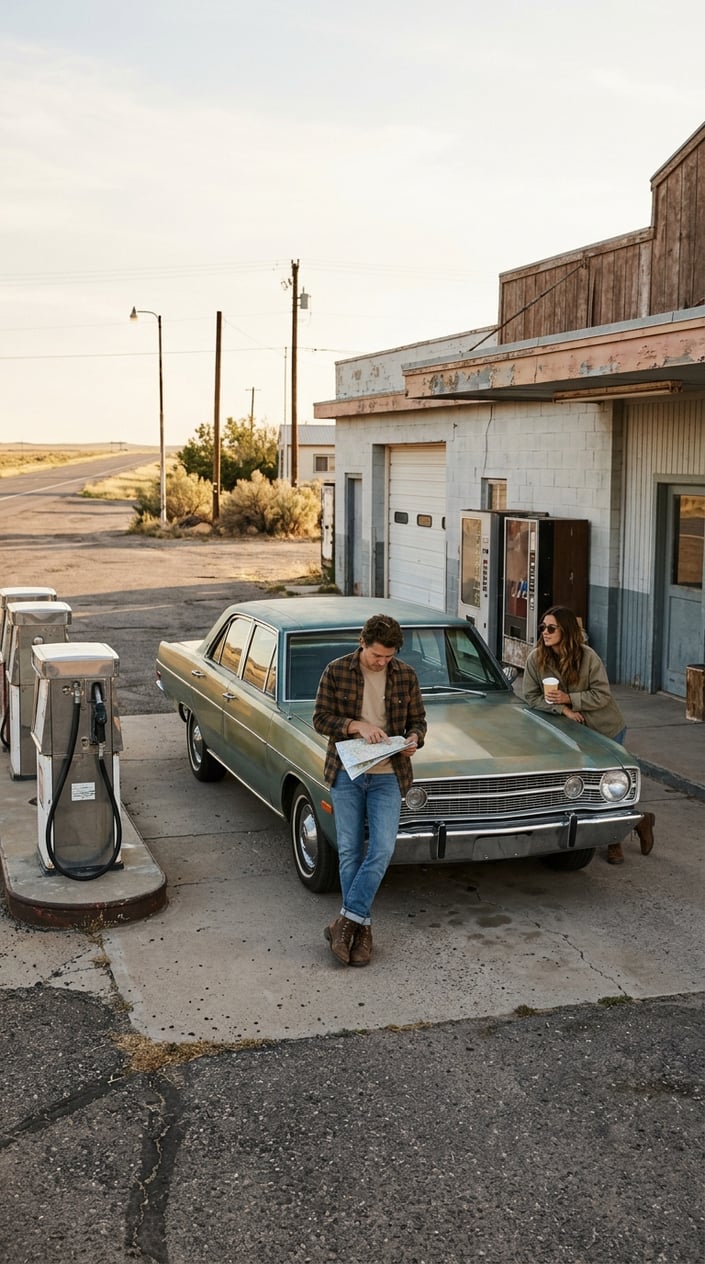
A gas station stop adds an everyday detail to your road trip story. Focus on a small pause, such as checking directions beside your parked vehicle, and let the station’s colors or roadside setting provide atmosphere.
For a candid feel, keep your attention on the map or travel notes instead of facing the camera. Use a safe parking spot away from pumps and traffic, and ask a companion to take the photo from a respectful distance. A vintage-looking sign or canopy can add visual character, as long as you follow posted rules and avoid blocking other customers. You can frame the vehicle and person together for a clear sense of place, or crop closer around the map and hands for a quieter travel detail.
10) Rainy-Day Reflections Through the RV Window
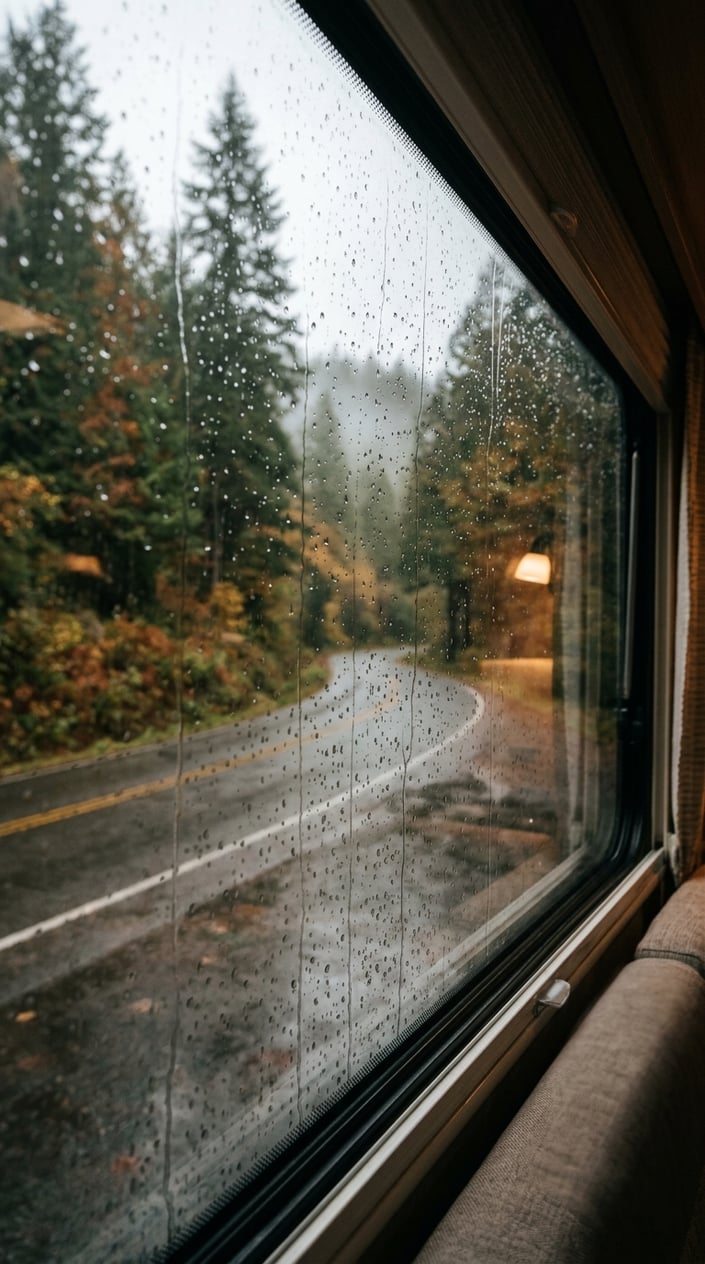
Rain on your RV window turns a gray travel day into a moody photo opportunity. Focus on the droplets in the foreground and let the forest, campground, or road outside soften into the background.
For stronger detail, wipe a small area of glass if you want the scenery to remain clear behind the rain. A warm mug or soft interior light can add a cozy contrast to the cool weather outside. Keep the frame simple so the droplets and misty view hold attention. You can also include a reflection of the RV interior, such as a curtain or lamp, to make the image feel more intimate. Take the photo from inside while parked, and keep the view free of distracting clutter.
11) A Roadside Diner Sign at Dusk
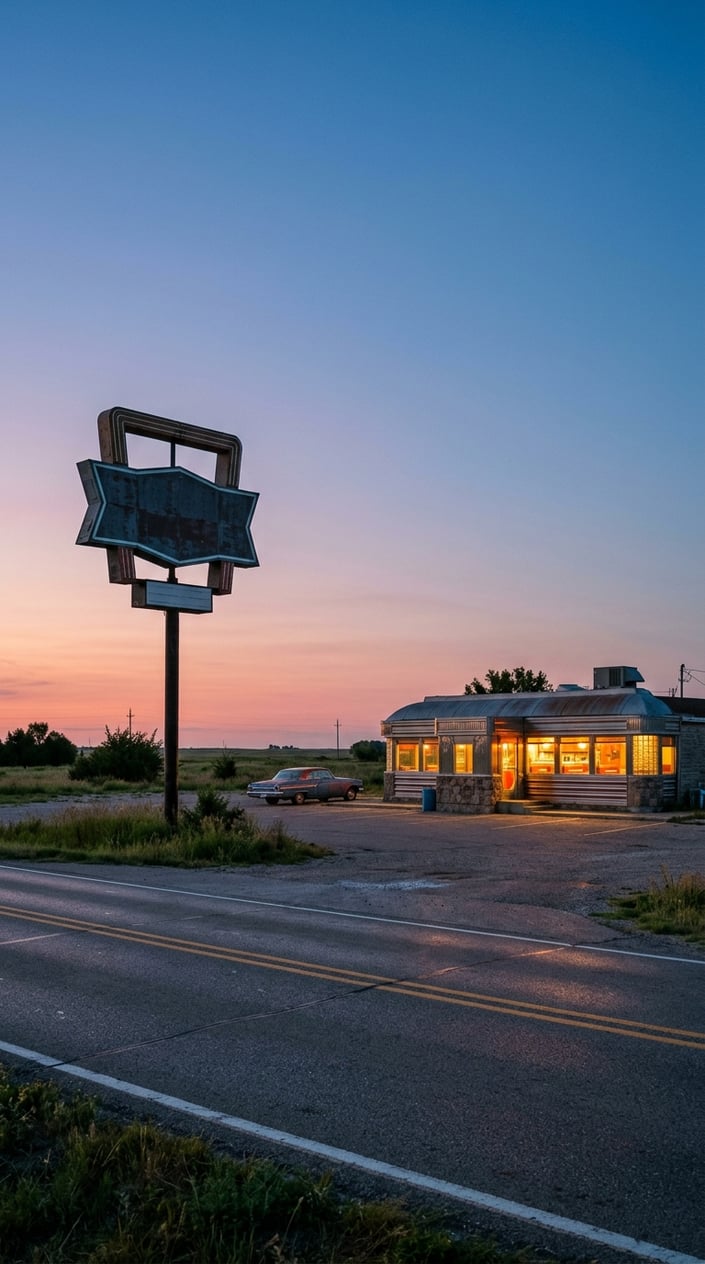
A diner stop at dusk brings a nostalgic note to your road trip photo collection. Let the building and roadside sign sit against the fading sky, then include your RV or travel companion to connect the scene to your journey.
The blue and gold tones near sunset create a gentle glow around the sign and windows. Stand in a permitted area and keep enough distance from the road for a safe, clear view. If the sign is lit, wait until the sky darkens enough for its glow to show while the surrounding scene remains visible. You can include a takeout cup or diner booth detail in a separate frame to suggest the stop without crowding the main composition. Respect the business and ask before photographing inside.
12) Silhouettes Beneath the Campground Stars
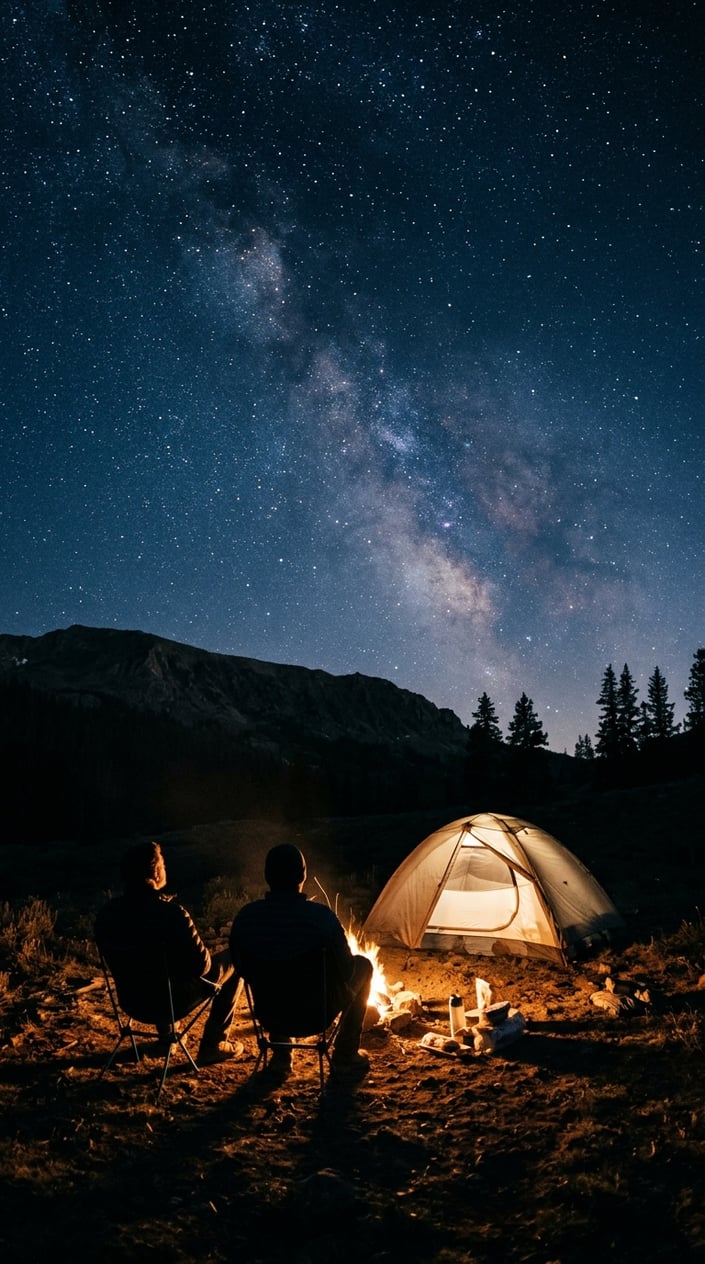
A starry campground silhouette gives your trip a quiet, memorable closing scene. Place yourself and a travel companion near the tent or RV, then let the night sky take up most of the frame.
A small camp light or fire can outline the campsite and add a warm glow beneath the stars. Follow campground fire rules, keep a safe distance from flames, and make sure the fire is fully attended. For a simple silhouette, position yourselves between the camera and the light source, then hold still while the image is taken. A tripod or steady surface helps keep the night view sharp. Include a recognizable detail, such as the tent entrance or RV outline, so the photo still feels rooted in your road trip.