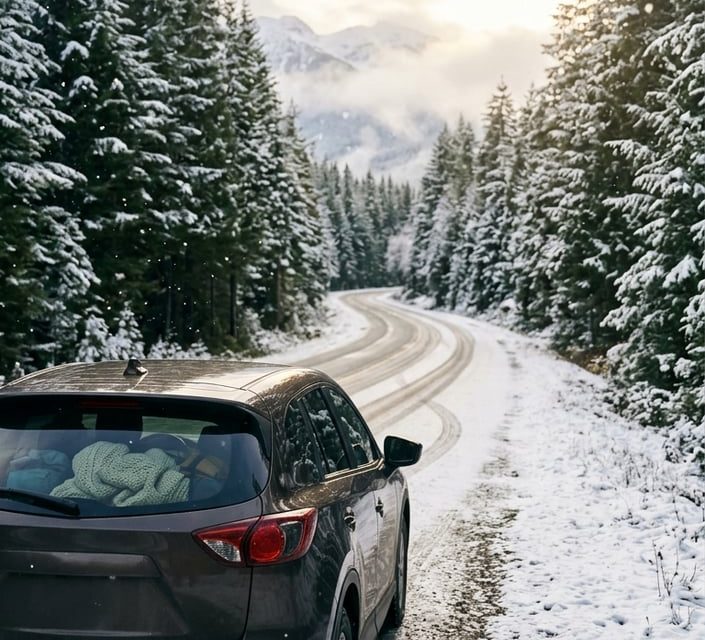
You can create 12 Road Trip Aesthetic Ideas for Winter Drives by matching your RV route’s landscape, light, and weather to a simple travel style.
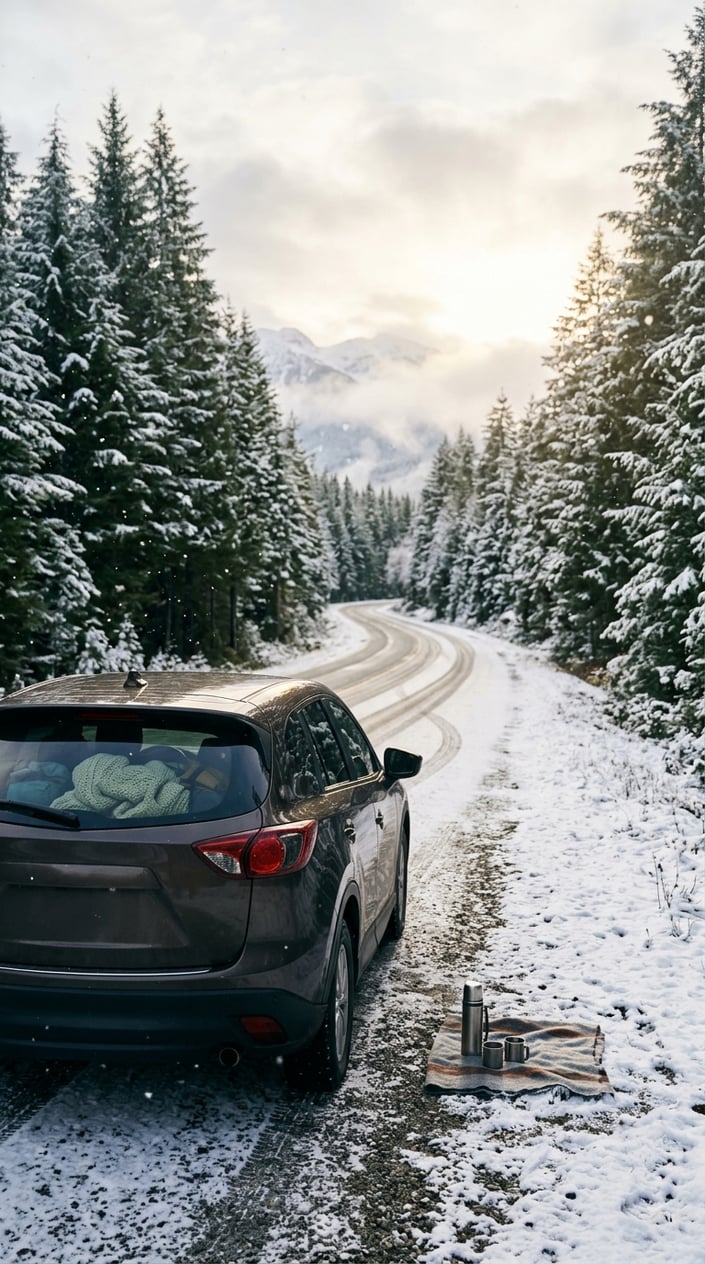
For an RV trip, the look comes from small choices: when you drive, where you pause, and what you keep within reach. Winter brings clear desert skies, stormy coastlines, and snow-lined mountain roads, so check road and park conditions before you set out.
1) Sunrise on Florida’s Overseas Highway
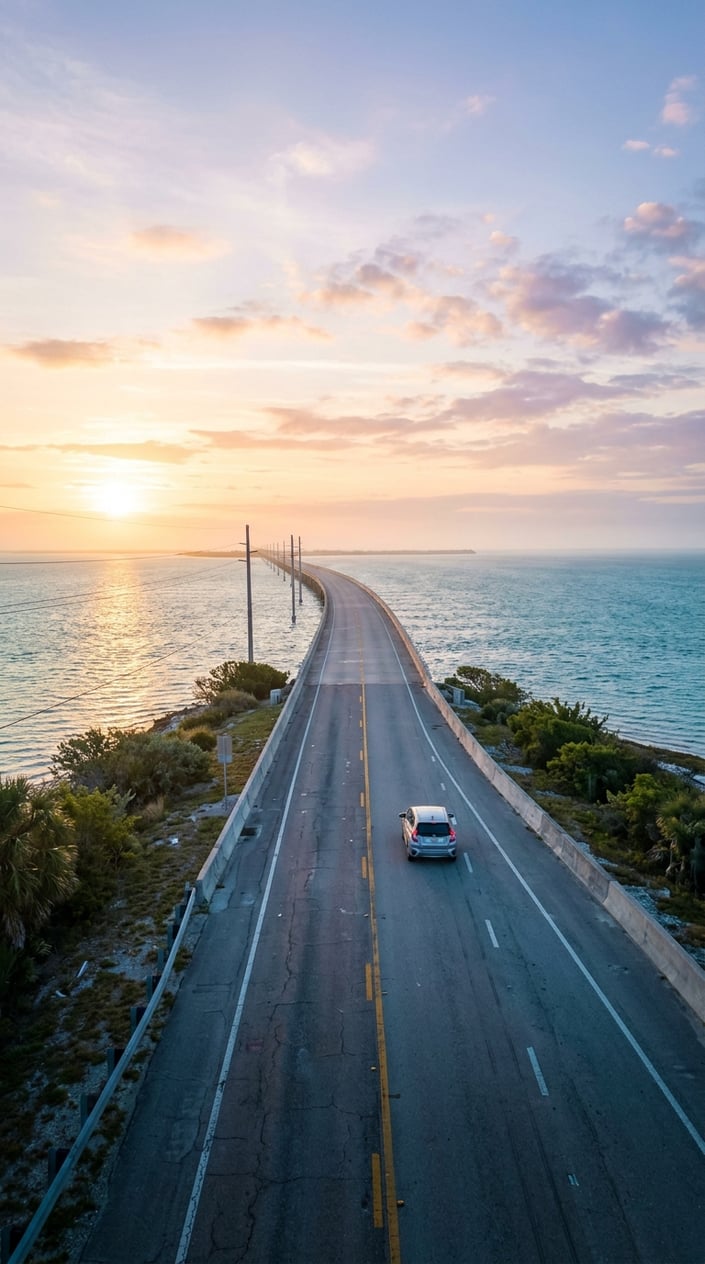
For a bright, tropical winter-drive look, plan your Overseas Highway crossing around the first light of day. The low sun brings warm color to the water and gives the long bridges a calm, open feel. Keep your palette simple inside the RV with light linens, a woven blanket, and a thermos ready before you leave.
Give yourself time to reach a safe place to stop before sunrise; the bridges are for driving, not roadside breaks. Choose a legal pullout or waterfront stop for a pause, and keep your route flexible if wind or rain affects visibility. A soft playlist and a clear dashboard keep the cabin feeling settled while the ocean view does the work outside. Pack sunglasses for the return drive, when the sun may sit low ahead of you.
2) Winter Waves Along the Oregon Coast on U.S. 101
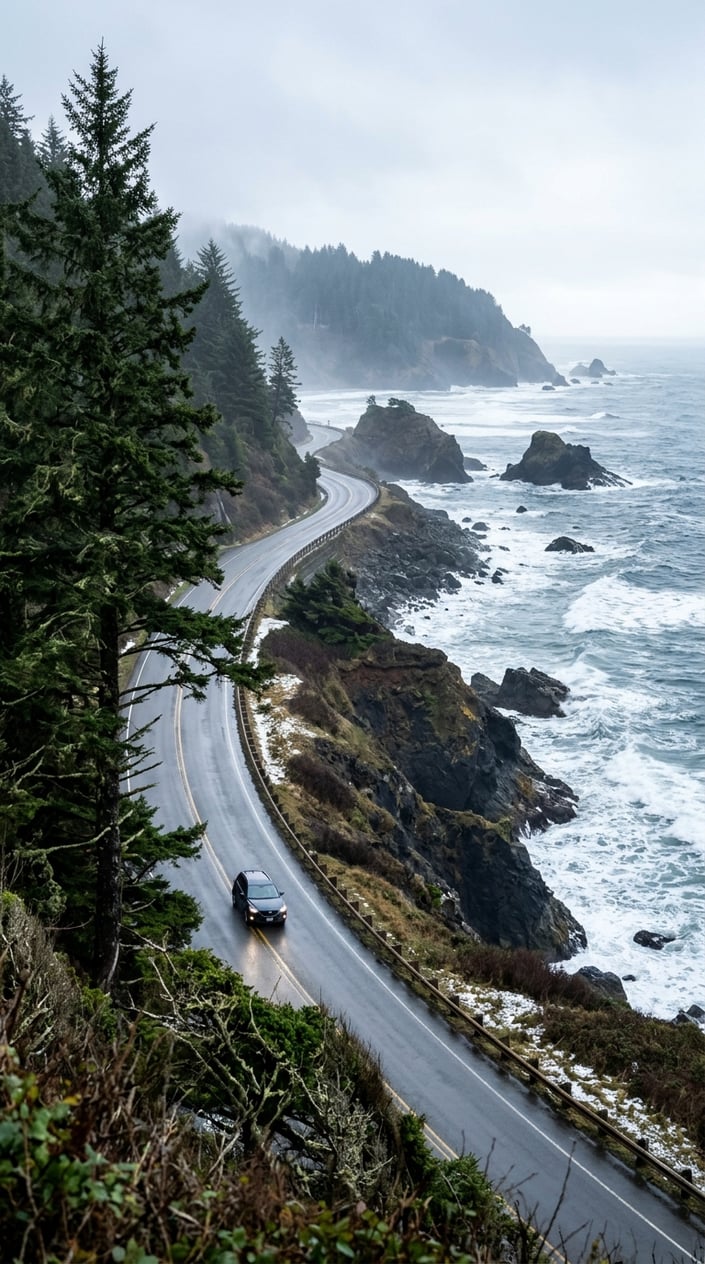
U.S. 101 gives you a moody coastal aesthetic, with winter surf, dark rock, and stretches of evergreen forest. Set up your RV for a cozy, natural look with wool layers, muted colors, and a warm drink close at hand. The contrast between a gray shoreline and a bright, dry cabin makes each stop feel inviting.
Rain, ocean spray, and low clouds can change the view quickly, so check local conditions before driving and leave extra room for slower travel. Use signed viewpoints and designated parking areas for breaks; avoid stopping along narrow shoulders. Keep a towel near the entry for wet shoes, and store outdoor gear where you can reach it without unpacking the whole rig. If a coastal overlook is crowded, continue to a larger stop where your RV can park safely.
3) Red-Rock Views on Sedona’s State Route 179
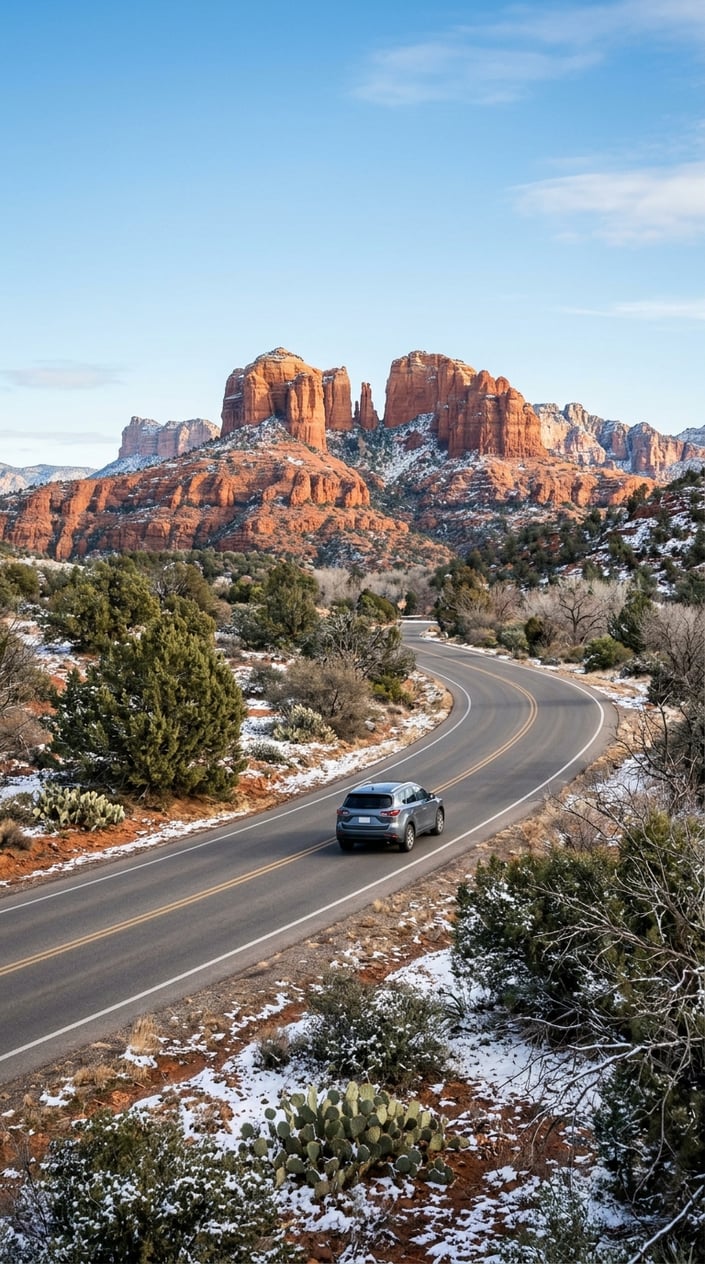
State Route 179 pairs red-rock scenery with a crisp winter palette, giving your drive a warm desert look even on a cool day. Keep your RV interior in earthy shades such as rust, sand, and cream, then add a textured throw for chilly mornings. The red cliffs stand out against a pale sky, so a clear windshield and uncluttered dash help you take in the view as you travel.
Traffic and parking can be tight near popular stops, so plan your breaks around designated lots that fit your vehicle. A smaller roadside viewpoint is not always suitable for a large rig. Check the local forecast before departure, since winter weather can bring slick patches to higher areas. When you arrive at a stop, give yourself time to park fully before stepping out to enjoy the scenery.
4) Desert Light on Joshua Tree’s Pinto Basin Road
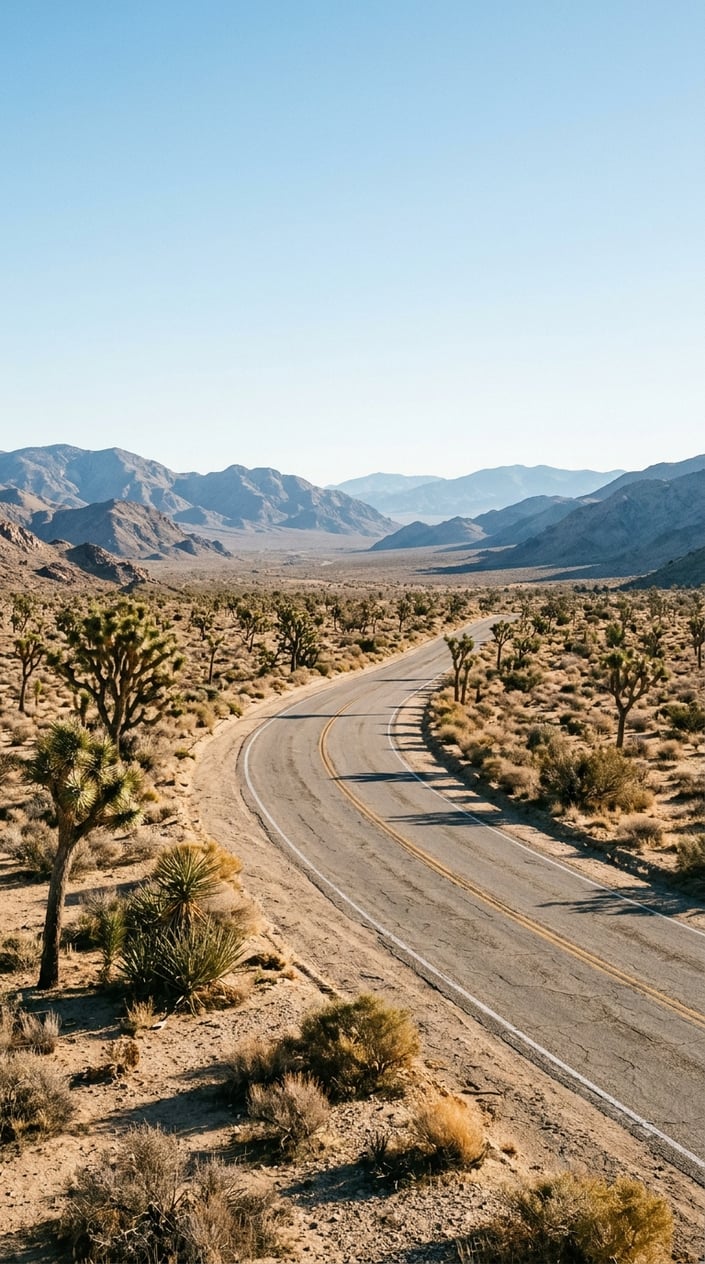
Pinto Basin Road gives you a spacious desert-drive aesthetic built around open land, sculptural plants, and distant mountains. Aim for morning or late-afternoon light, when the low sun brings out the colors of the basin. Inside your RV, natural fabrics and a restrained palette keep the cabin in step with the quiet landscape.
Bring water and snacks before entering remote stretches, and keep your fuel plan in mind when mapping your route. Services are limited within desert park areas, so plan stops in advance and confirm current road conditions before driving. Use established pullouts for breaks, and stay on marked routes to protect the fragile desert ground. A small blanket and an insulated cup make a comfortable stop when the air feels cool after sunset.
5) Snow-Dusted Arches Along the Arches Scenic Drive
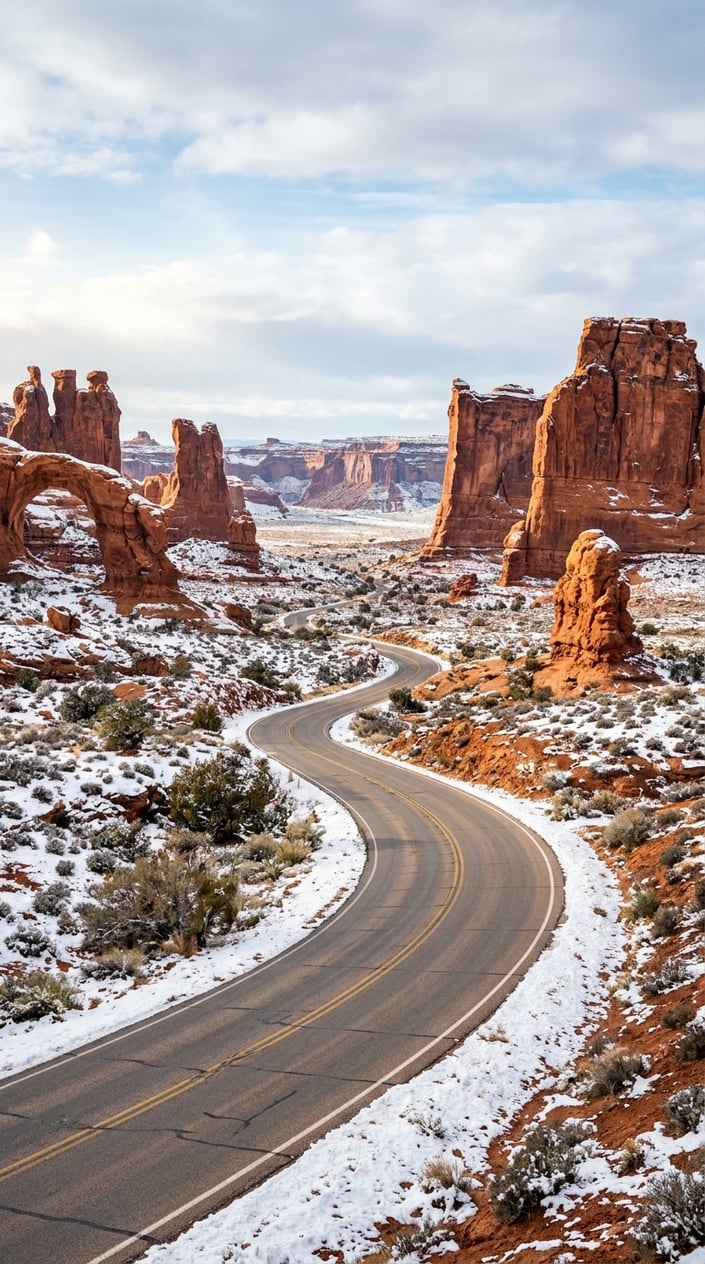
The Arches Scenic Drive has a striking winter look when pale snow meets red sandstone and open desert sky. For your RV, choose practical layers and a warm interior accent in a deep red or clay tone. The scenery changes along the drive, so keep your day unhurried and leave room for stops at designated viewpoints.
Winter conditions can bring ice or snow to the park road, which calls for a slower pace and a check of current alerts before you leave. Carry traction gear suited to your vehicle and follow posted closures. Larger vehicles need extra care when turning or parking, so use signed lots that can accommodate your rig. If a trailhead lot is full or feels too tight, continue to a safe place to turn around instead of squeezing in.
6) A Quiet Yosemite Valley Loop in Winter
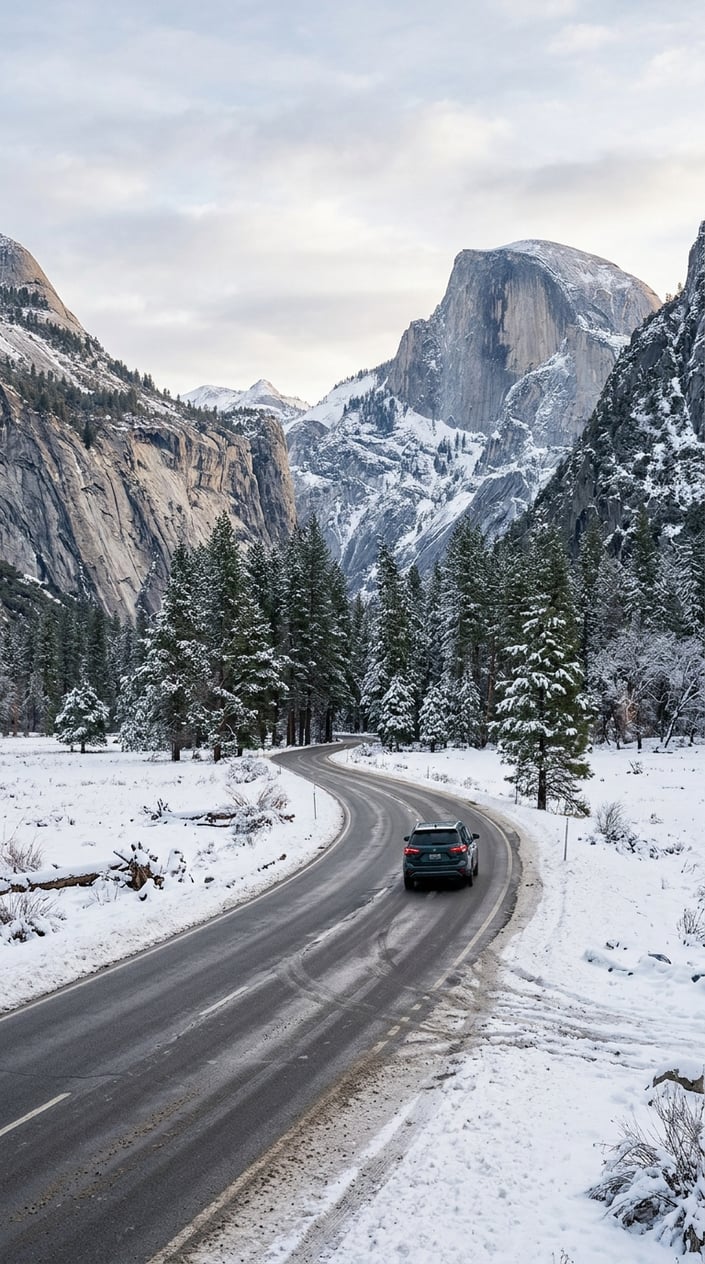
A winter drive through Yosemite Valley gives you a peaceful, snow-framed look at towering cliffs and evergreen trees. Keep your RV cabin warm and uncluttered, with gloves, hats, and a layer for each passenger close to the door. The subdued winter colors outside pair well with soft gray, cream, and pine-green details inside.
Snow and ice can affect park roads, so check conditions and any chain controls before you travel. Follow posted directions and use designated parking areas; a large RV needs more room to maneuver than a passenger car. Plan your route around the stops that suit your vehicle, and avoid relying on a small lot as your only break option. A full tank and a flexible schedule help you adapt if weather changes travel times. Keep walking shoes accessible for short, clear-path stops.
7) Blue Ridge Winter Views on Skyline Drive
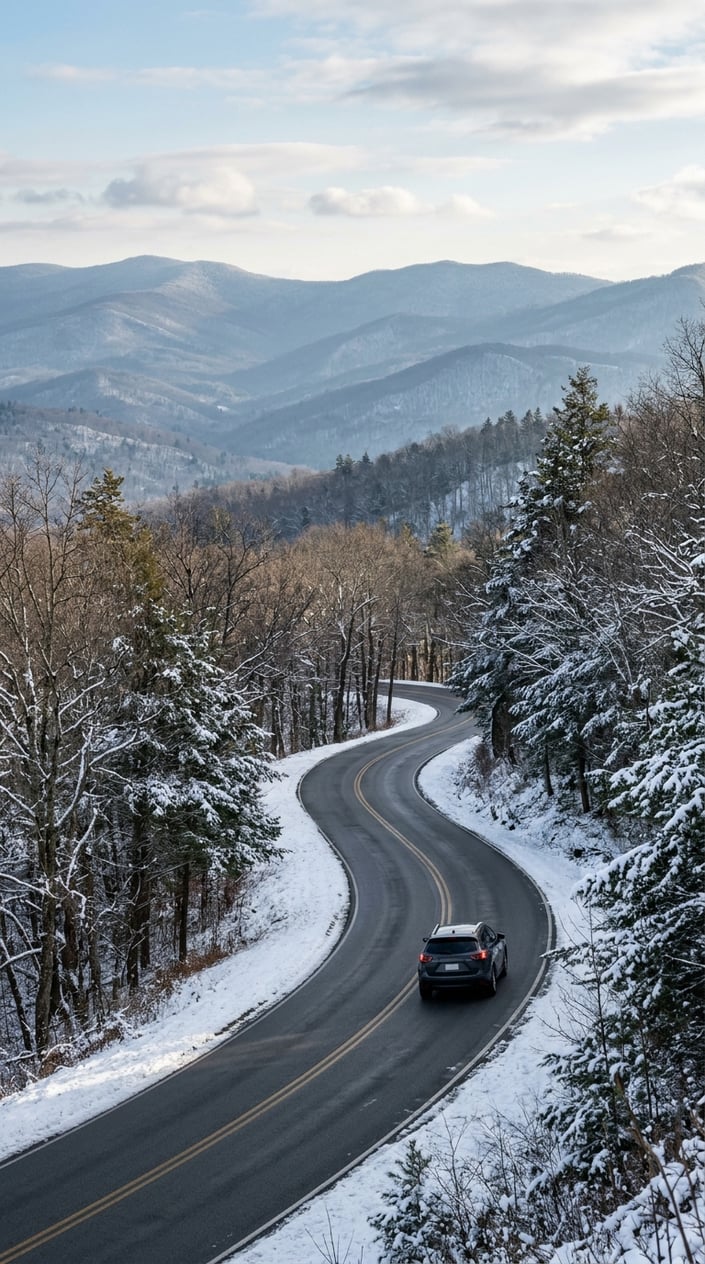
Skyline Drive gives you a mountain-road aesthetic of ridgelines, bare hardwoods, and occasional snow views. The changing elevation and long overlooks make a simple cabin setup feel right: warm layers, a thermos, and a map you can check before setting off. Winter light can be soft and cool, so choose a clear day if you want wide views across the Blue Ridge.
The road is winding, and winter weather can lead to temporary closures. Check park conditions before departure and confirm that your planned stretch is open to traffic. Take turns slowly in an RV, and use only signed overlooks for stops. Some pullouts may not suit larger rigs, so give yourself room to pass one and continue to a safer parking area. Keep food and extra clothing accessible in case your drive takes longer than planned.
8) Snowy Farm Scenes on Vermont Route 100
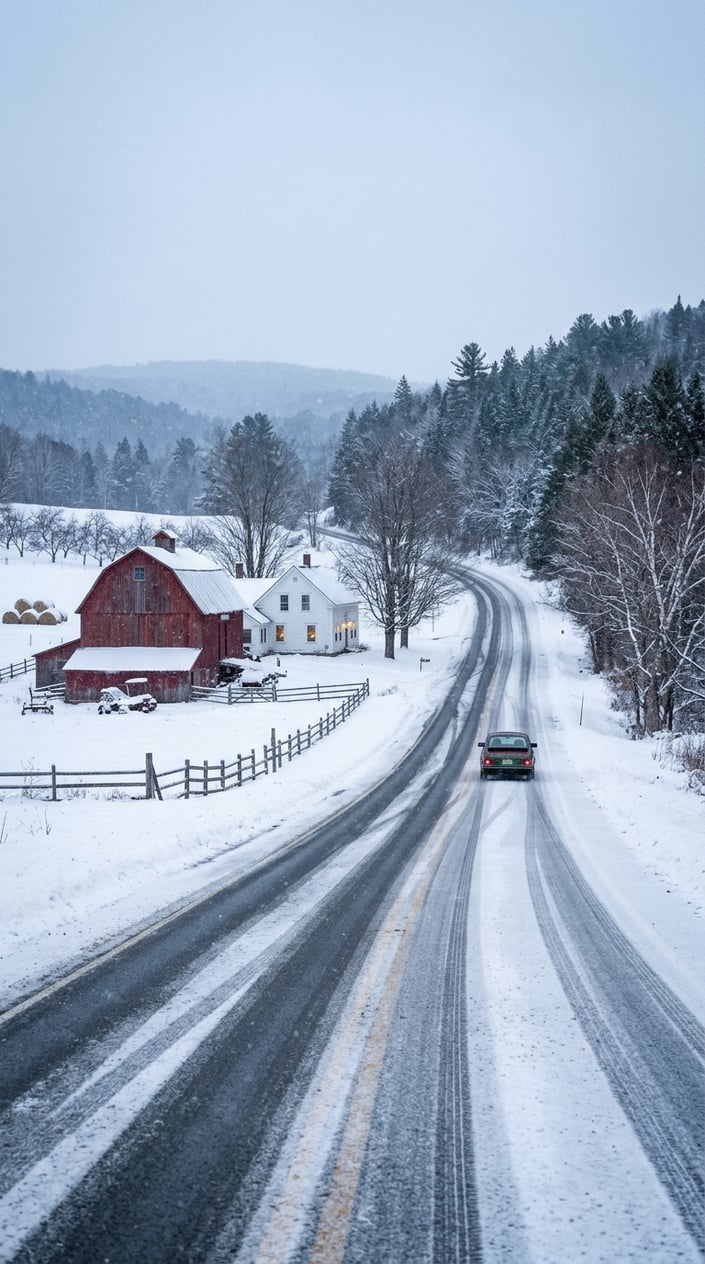
Vermont Route 100 brings you a classic winter-country look, with farm fields, wooded hills, and red barns against snow. Build a cozy RV palette with warm plaid, wool socks, and a small lantern for evenings at camp. A thermos and a simple snack make cold-weather stops more comfortable without adding much packing.
Snowfall can change road conditions, especially on rural stretches, so check the forecast and local road updates before you drive. Keep your speed suited to visibility and leave extra space on slick pavement. Pull into marked public stops or campgrounds for breaks; farm lanes and private driveways are not parking areas. If you plan to explore a town along the route, confirm RV parking before you arrive. This gives you time to enjoy the landscape without making a rushed turn on a narrow road.
9) A Cozy Cabin Feel on the Cades Cove Loop
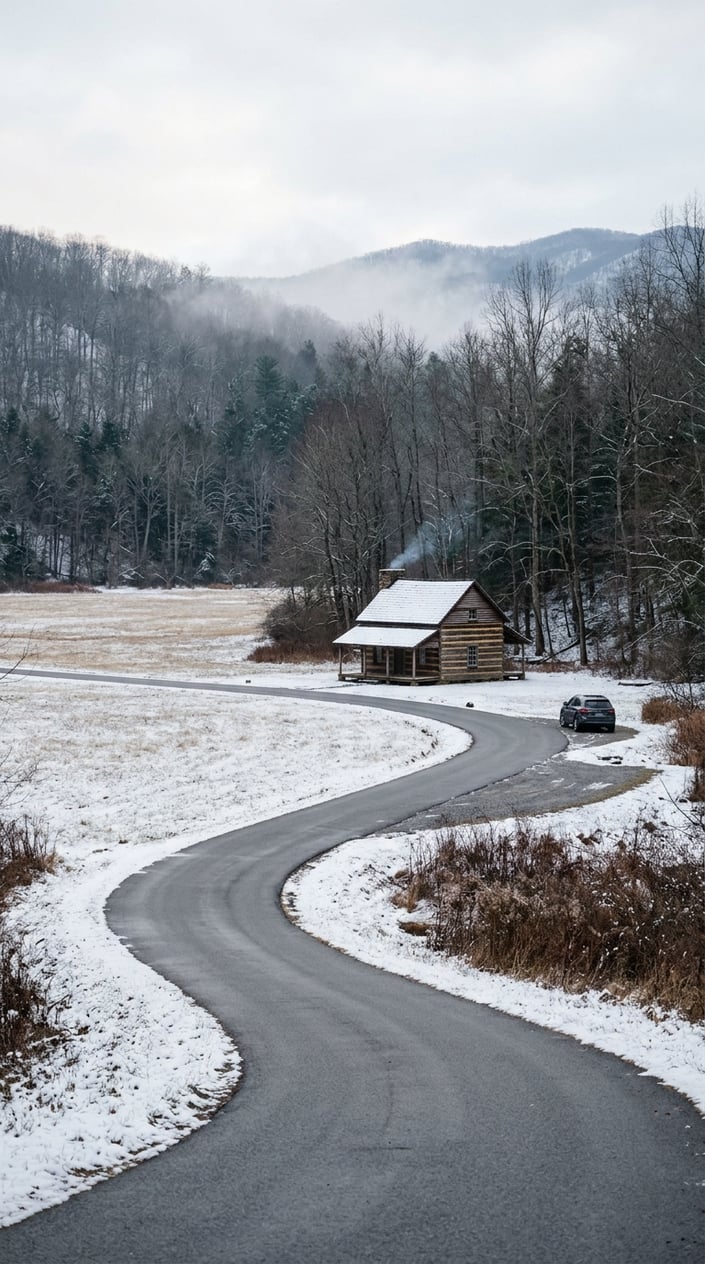
Cades Cove’s meadows and historic cabins give you a quiet, rustic mood for a winter drive. Keep the RV interior warm and simple with a soft blanket, a lantern, and easy-to-dry layers. The open fields and bare trees create a slower pace, so plan a visit that leaves time for safe stops and short walks where conditions allow.
Check current park rules and road status before setting out, including vehicle-size limits on the loop. Some RVs may not be permitted, so confirm that your rig fits the current restrictions before building your day around the drive. Winter weather can also affect access. Use marked pullouts and stay clear of the travel lane when viewing historic structures. Pack water and snacks in case services are limited during your visit, and keep footwear ready for damp or muddy ground.
10) Turquoise-Hued Landscapes on New Mexico’s Turquoise Trail
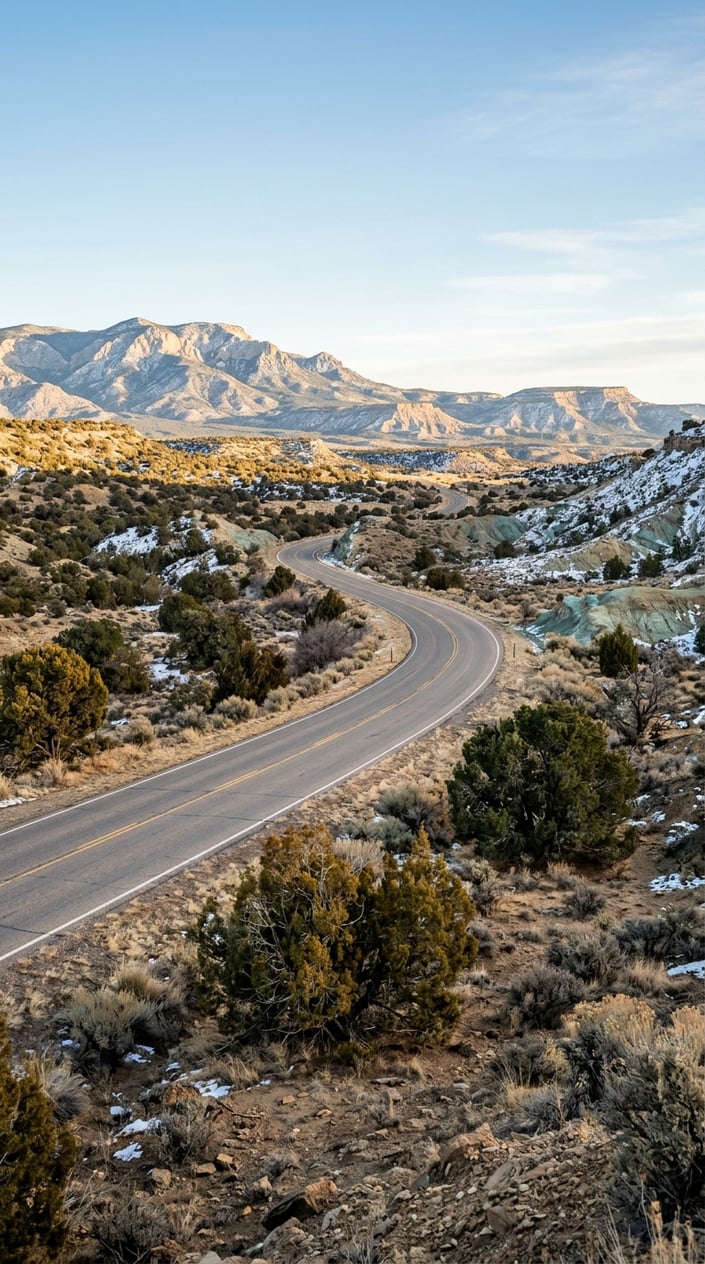
New Mexico’s Turquoise Trail gives you a high-desert look with broad skies, earthy colors, and mountain views. Use turquoise accents in a cushion or travel mug to echo the region’s name, then keep the rest of your RV palette neutral. The road links small communities and open stretches, making it easy to build in a town stop between scenic drives.
Winter sun can be bright even when the air is cold, so keep sunglasses and warm layers handy. Check conditions before you go, since snow or ice can affect the route and nearby higher elevations. In an RV, plan fuel and meal stops before leaving a town, and choose parking areas that fit your vehicle. Take your time on winding sections, especially if you are driving a larger rig. A short stop in a community along the way gives you a chance to stretch without crowding a roadside shoulder.
11) Big Bend’s Desert Palette on Ross Maxwell Scenic Drive
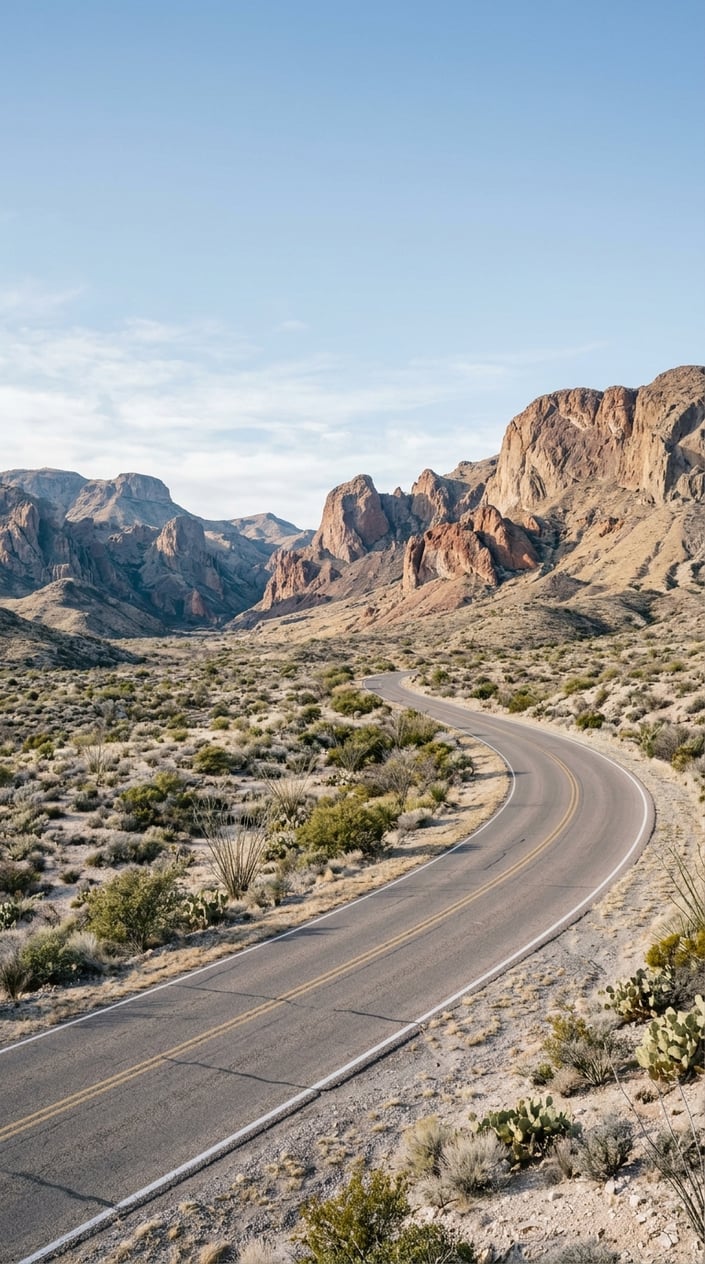
Ross Maxwell Scenic Drive gives you a wide desert palette of muted earth, distant mountains, and long open views. In your RV, bring a light blanket and a few warm layers for cool mornings, then keep the colors simple with tan, rust, or olive accents. The open landscape suits a slow day with time for planned stops.
Big Bend’s distances call for advance planning, so check your fuel, water, and food before leaving a service area. Confirm current road conditions and park notices before you head out. Use established pullouts for breaks, and make sure your rig is fully clear of the road before anyone steps outside. Some viewpoints have limited space, so keep your schedule flexible and continue to a larger area when needed. Pack a flashlight for late stops and keep it near the entry, where you can find it quickly.
12) Golden-Hour Desert Views on Death Valley’s Badwater Road
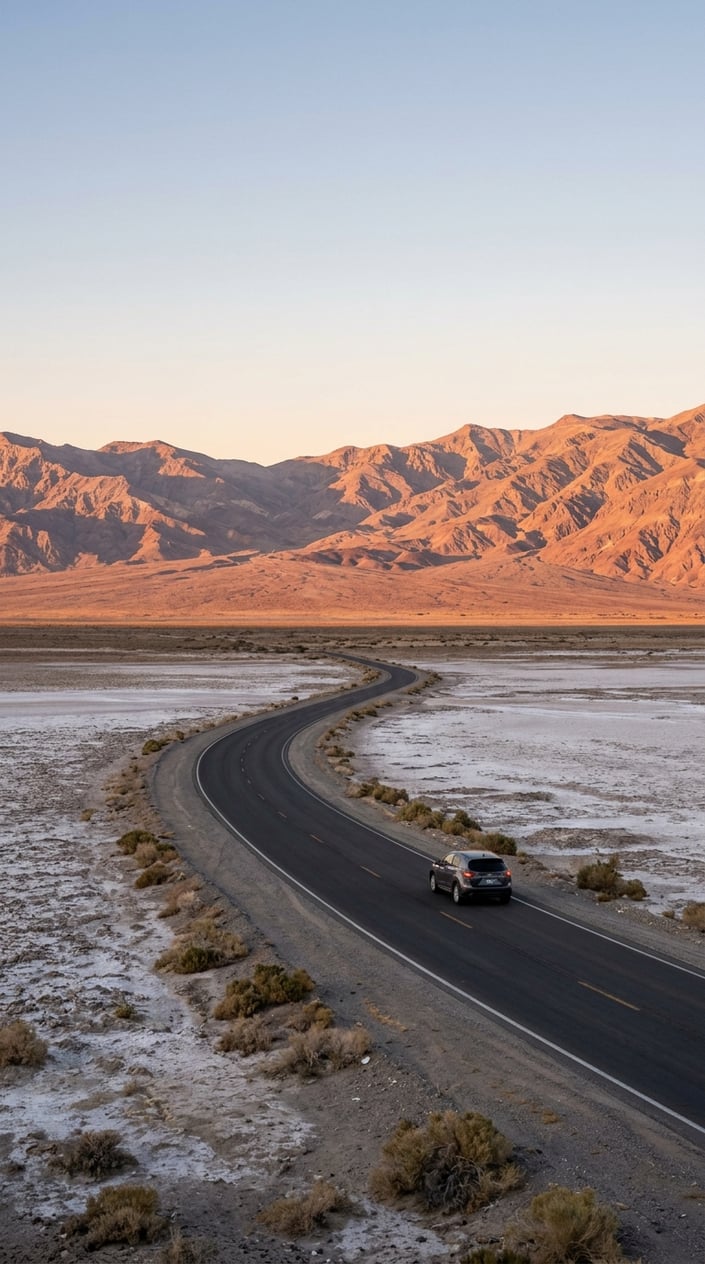
Badwater Road gives you a golden-hour desert aesthetic, with salt flats, distant mountains, and long bands of warm light. Keep your RV setup practical and low-key with sun protection by day and a warm layer for the evening. The open scenery pairs well with a simple travel journal or map kept within reach for planning your next stop.
Before you drive, check the park’s current conditions and confirm that your route is suitable for your RV. Carry water and keep your fuel plan in view, since desert distances can stretch between services. Stop only in designated areas, and stay on marked paths around the salt flats to protect the ground. Sunset light fades quickly, so allow enough time to reach your overnight stop before dark. A headlamp by the door makes the final RV setup easier after dusk.