You’re parked at a gorgeous campsite, the birds are singing, coffee is brewing — and your RV toilet is clogged. 😬 The first instinct for most people is to grab a plunger. But wait — can you use a plunger on an RV toilet? The answer is more nuanced than a simple yes or no, and getting it wrong could cost you a pricey repair. Let’s break it all down so you can handle this situation like a seasoned road warrior.
Key Takeaways
- 🚫 Standard plungers can damage RV toilets — the excessive force may crack the bowl or damage delicate components.
- ✅ An RV sewer auger (swivel stick) is the safest and most recommended tool for clearing clogs.
- 💧 Using enough water when flushing is one of the simplest ways to prevent clogs in the first place.
- 🧻 Only RV-grade, rapid-dissolving toilet paper should ever go into an RV toilet.
- ⚠️ Chemical drain cleaners like Drano are a hard no — they degrade seals and gaskets and lead to expensive leaks.
Why RV Toilets Are Different From Home Toilets
Before diving into whether you can use a plunger on an RV toilet, it helps to understand why RV toilets work differently from the ones in your house.
Home toilets are heavy-duty porcelain fixtures connected to a large municipal or septic system. They’re built to handle significant water pressure and force.
RV toilets, on the other hand, are:
- Lighter and more compact — often made from plastic or lightweight porcelain
- Connected directly to a black water holding tank — usually just a few feet away
- Designed with a simple foot-pedal flush valve rather than a traditional siphon flush
- More sensitive to pressure and force
This design difference is exactly why the tools and techniques that work at home may not be safe for your rig.
Can You Use a Plunger on an RV Toilet? The Honest Answer
Would you like to save this article?
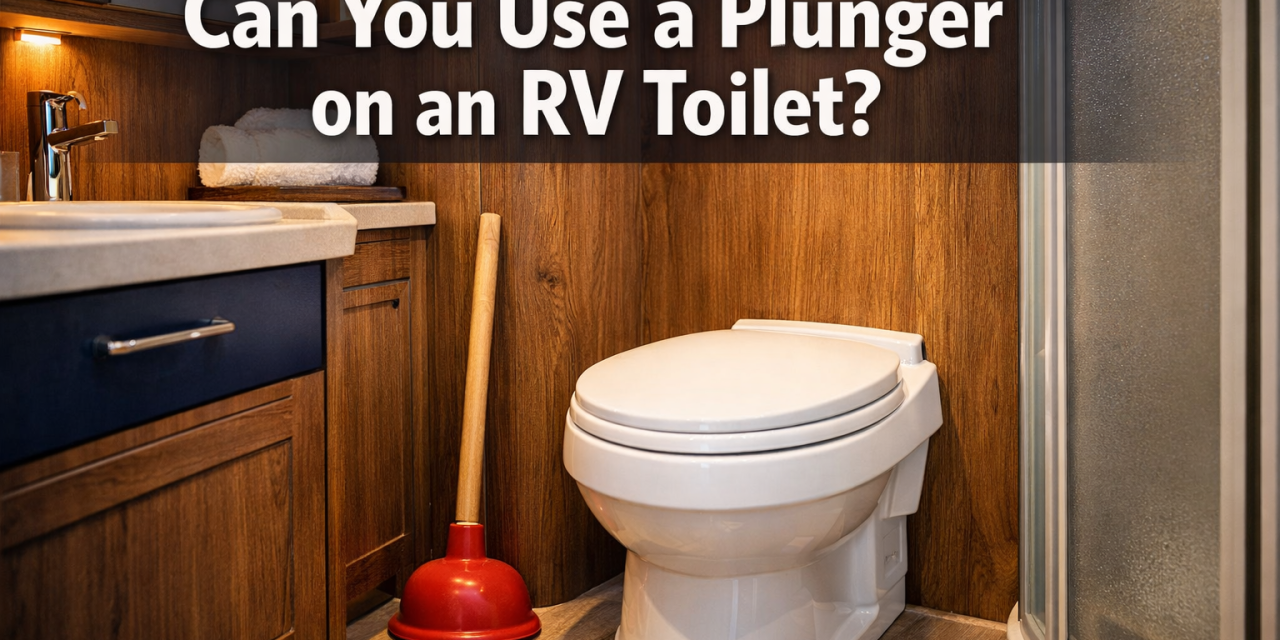
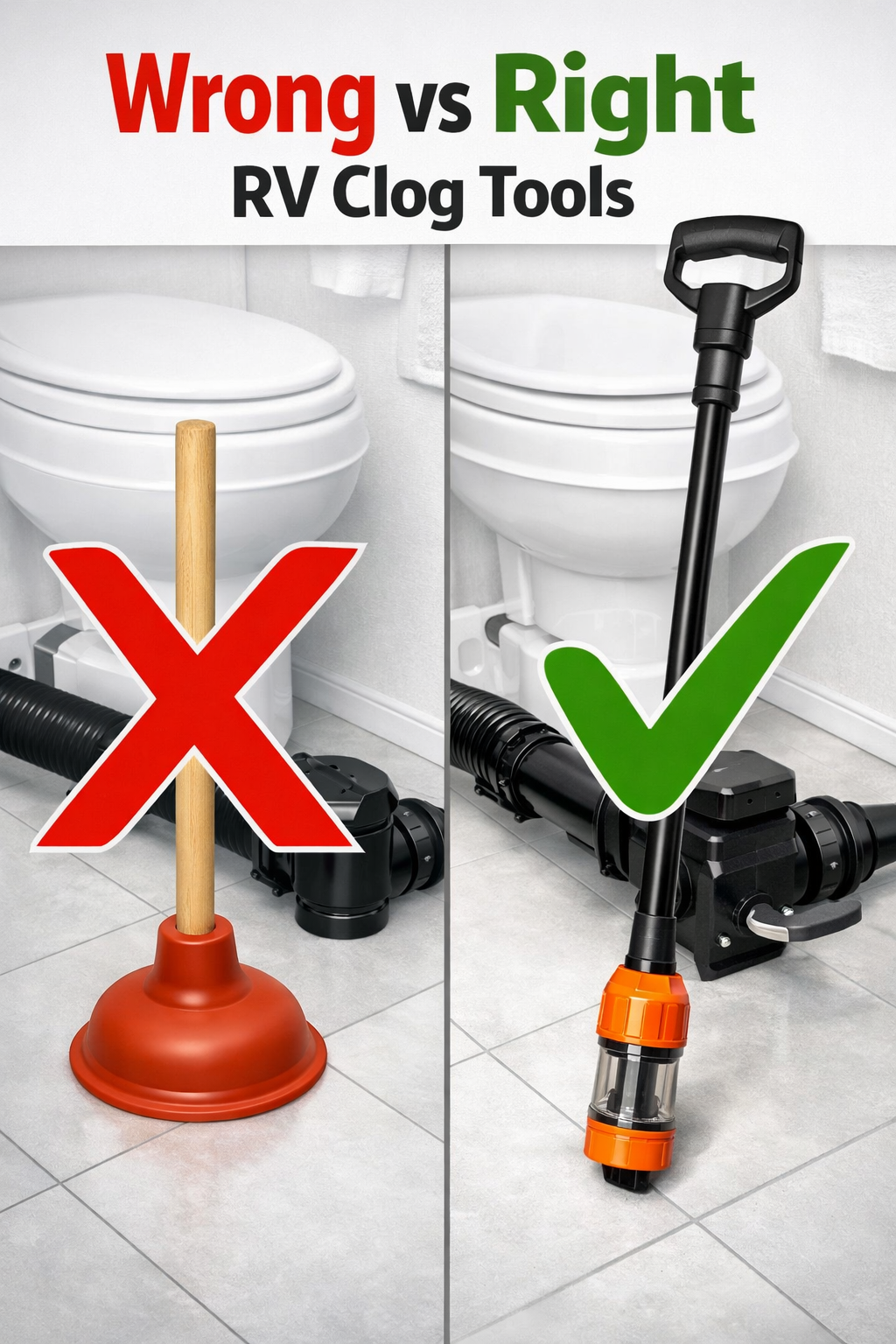
So, can you use a plunger on an RV toilet? Technically, yes — but it comes with real risks, and most RV professionals advise against it.
The Risk of Using a Standard Plunger
A regular household plunger works by creating suction and pressure. That’s great for a heavy-duty home toilet, but for an RV toilet, that same force can:
- Crack the toilet bowl — especially if it’s made from plastic [2]
- Damage the flush valve seal — leading to leaks
- Cause stress fractures in the connections between the toilet and the black tank [2]
💬 “Standard household plungers can exert excessive force on the relatively delicate RV toilet design, potentially resulting in cracks and damage to the bowl.” — Roadville [2]
When a Plunger Has Worked
To be fair, not every experience is negative. At least one RV owner in an online forum shared that a plunger successfully cleared a stubborn clog that even a 6-foot toilet snake couldn’t budge. Their RV had an unusual 90-degree bend and a 3–4 foot pipe run to the black tank — a setup where the plunger’s suction actually helped [4].
The RV community is split on this topic. Some users suggest a safer method: hold the toilet flush valve open and only use the plunger handle (not the cup) to push the clog through, or use the plunger cup only when connected to a sewer dump with the dump valve open [1].
Bottom line: A plunger can work in specific situations, but it’s not the recommended first move.
Safer Alternatives to Using a Plunger on an RV Toilet
Here’s the good news — there are better tools designed specifically for this job. 🛠️
1. RV Swivel Stick (Sewer Auger) — The Top Pick
An RV swivel stick, also called a sewer auger, is the go-to tool recommended by RV experts. It:
- Reaches further into the plumbing than a plunger [2]
- Breaks up stubborn clogs without applying damaging pressure [2]
- Is specifically designed for RV plumbing systems
2. Plumber’s Snake (Drain Snake)
A regular flexible drain snake is another solid option. Insert it into the bowl, turn the handle until you feel resistance, then reverse direction to break up the blockage [2]. It’s gentle enough for RV plumbing and widely available at hardware stores.
3. Hot Water Flush
For minor clogs, pouring hot (not boiling) water into the bowl and letting it sit for 15–20 minutes can help dissolve soft blockages. This works especially well for toilet paper buildup.
4. RV-Safe Enzyme Treatments
Enzyme-based holding tank treatments can help break down waste and paper over time. They’re safe for seals and gaskets and double as a preventive maintenance tool.
Quick Comparison: Clog-Clearing Tools for RV Toilets
| Tool | Effectiveness | Risk Level | Cost |
|---|---|---|---|
| Standard Plunger | Moderate | ⚠️ High | Low |
| RV Swivel Stick/Auger | High | ✅ Low | Moderate |
| Plumber’s Snake | High | ✅ Low | Low–Moderate |
| Hot Water Flush | Low–Moderate | ✅ Very Low | Free |
| Chemical Cleaners (Drano) | Moderate | 🚫 Very High | Low |
What NOT to Do: Avoid These Common Mistakes
🚫 Don’t use chemical drain cleaners. Products like Drano contain harsh chemicals that degrade the rubber seals and gaskets inside RV toilets, leading to leaks and expensive repairs down the road [2].
🚫 Don’t use regular household toilet paper. Standard toilet paper doesn’t dissolve fast enough for RV systems and is a leading cause of clogs [3].
🚫 Don’t flush with too little water. Skimping on water is another major clog culprit. Always use at least one-third to one-half a bowl of water when flushing solids [3].
How to Prevent RV Toilet Clogs in 2026
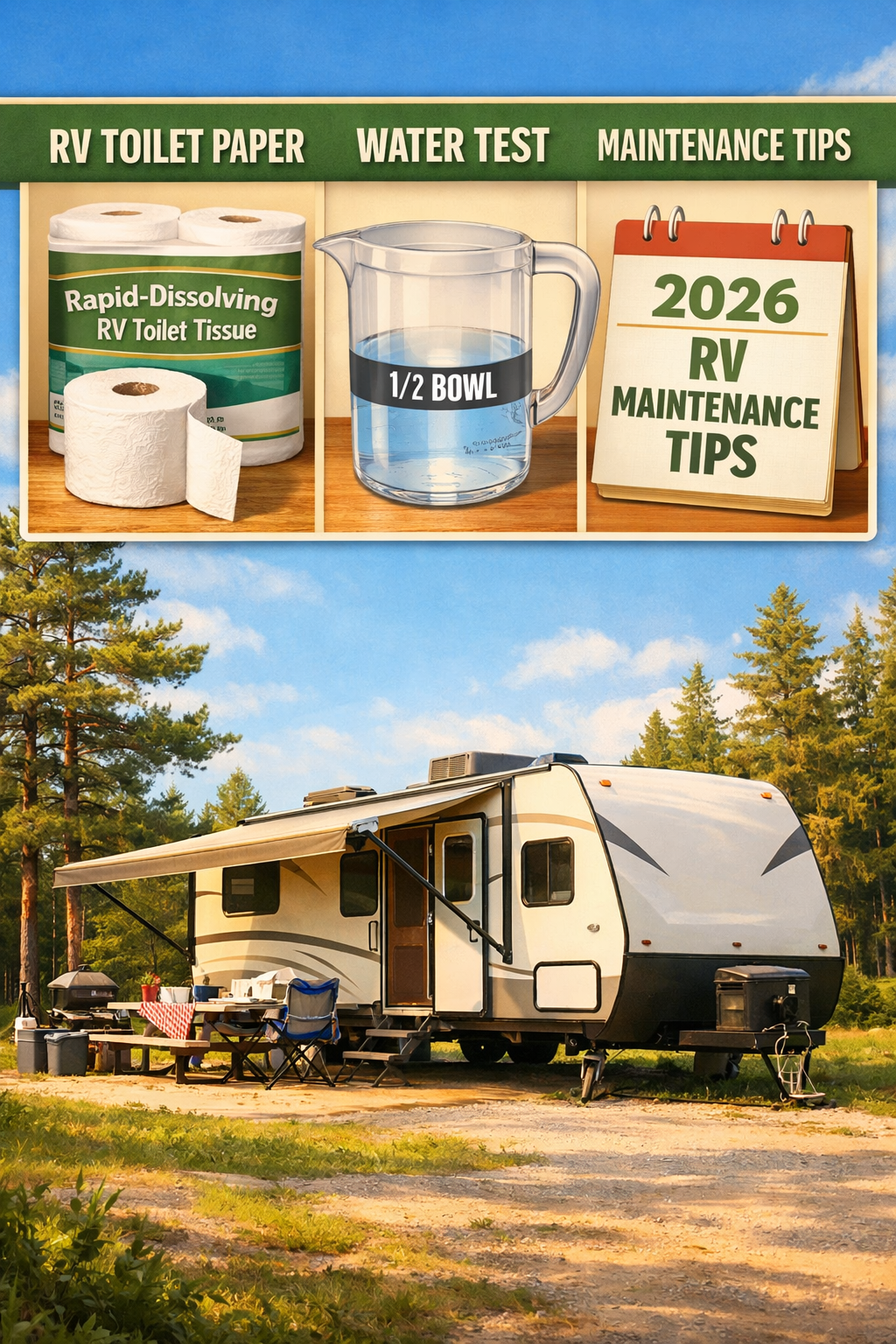
Prevention is always better than a clogged toilet situation. Here are the habits that keep RV plumbing flowing smoothly:
✅ Use RV-Grade Toilet Paper
Only use rapid-dissolving RV or marine-grade toilet paper. Regular toilet paper can cause clogs so severe that the entire system may need to be disassembled for cleaning [3]. Many RVers do a simple “shake test” — put a few sheets in a jar of water, shake it, and see how fast it breaks apart.
✅ Flush With Plenty of Water
Use at least one-third to one-half a bowl of water every time you flush solids. More water means waste moves more efficiently through the system and into the black tank [3].
✅ Use a Holding Tank Treatment Regularly
Enzyme or bacterial tank treatments help break down waste and prevent buildup. Add them after every dump and tank rinse.
✅ Rinse the Black Tank After Every Dump
Use a tank rinser or built-in flush system to keep solids from building up inside the black tank, which can cause “pyramid plugs” — a whole other nightmare.
✅ Never Flush Non-Waste Items
Keep wipes (even “flushable” ones), feminine products, and paper towels out of the RV toilet. No exceptions.
Conclusion: Plunge With Caution — or Better Yet, Don’t
So, can you use a plunger on an RV toilet? The short answer: it’s risky, and there are better options available. A standard plunger can crack your bowl or damage seals, turning a simple clog into a costly repair [2]. While some RVers have had success with plungers in unique situations [4], the safer bet is reaching for an RV sewer auger or a drain snake first.
Your Actionable Next Steps 🎯
- Pick up an RV swivel stick/sewer auger — keep it in your rig for emergencies.
- Switch to RV-grade toilet paper if you haven’t already.
- Flush with more water — make it a habit every single time.
- Add a holding tank enzyme treatment to your regular maintenance routine.
- Avoid chemical drain cleaners entirely in your RV plumbing system.
A little preparation goes a long way. Take care of your RV toilet, and it’ll take care of you — mile after mile. 🚐💨
References
[1] B5o1iiveztm – https://groups.google.com/g/alt.rv/c/B5O1iivEztM
[2] How To Unclog An Rv Toilet – https://roadville.com/camp-hiyo/how-to-unclog-an-rv-toilet/
[3] Rv Toilet Maintenance – https://www.rv.com/servicing-care/safety-maintenance/rv-toilet-maintenance/
[4] Psa A Plunger Can Help – https://www.mygrandrv.com/threads/psa-a-plunger-can-help.27756/