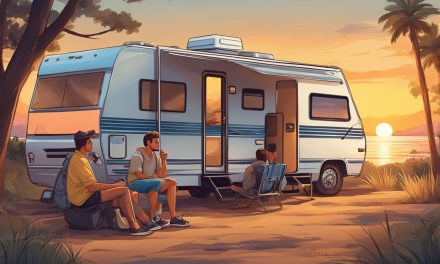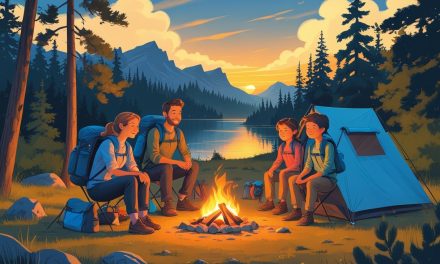
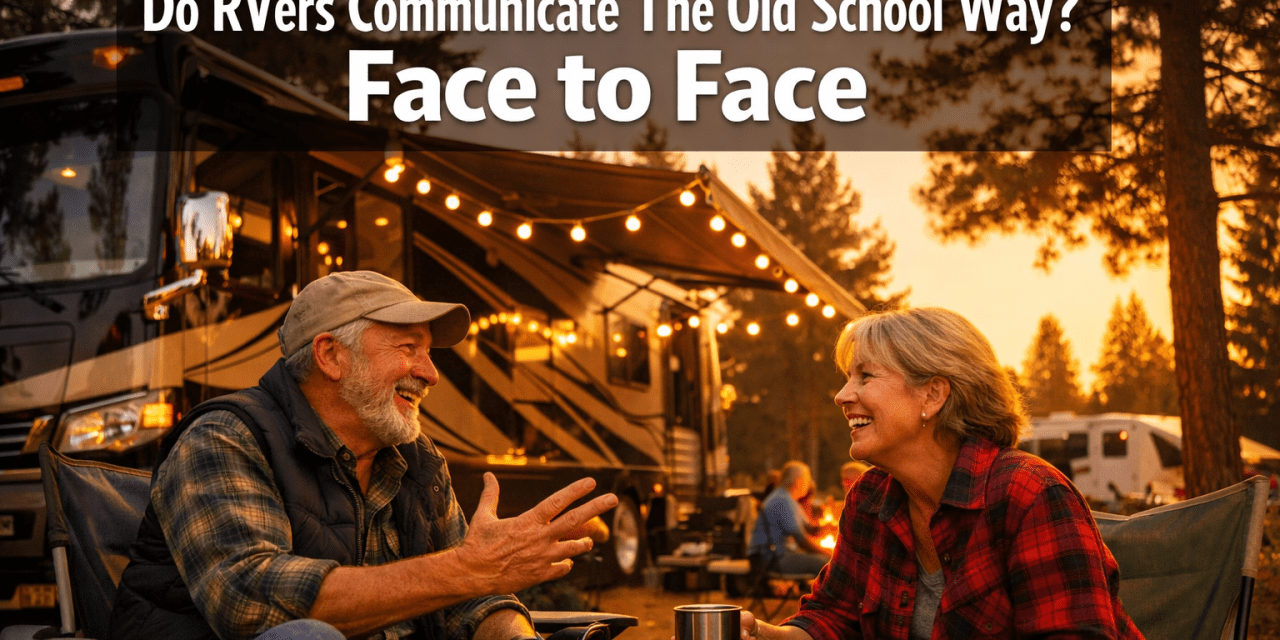
There is something almost magical about pulling into a new campground, stepping outside your rig, and having a neighbor wave you over to share a cold drink and a great story. In a world buzzing with notifications and social media feeds, many RV enthusiasts are asking: Do RVers Communicate With Others The Old School Way? The answer, backed by real poll data, might just surprise you — and warm your heart at the same time. 🏕️
Would you like to save this article?
Key Takeaways
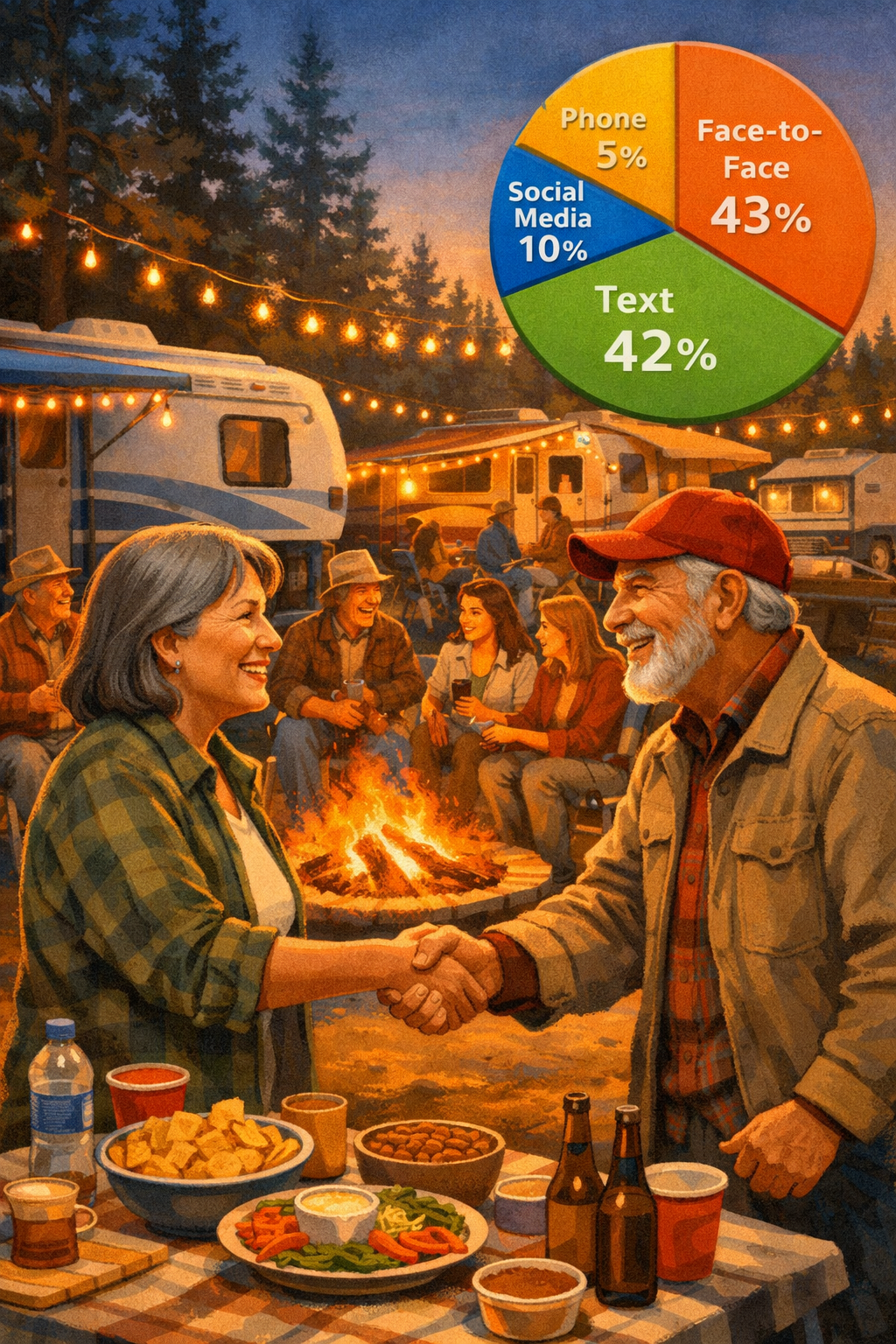
- 43% of RVers prefer face-to-face communication, making it the top choice in recent community polling.
- Text messaging is a close second at 42%, showing that digital tools still play a big role.
- Social media (10%) and phone calls (5%) trail far behind in preference.
- The RV lifestyle naturally encourages in-person connection through campground culture and rallies.
- A healthy mix of old-school and modern communication keeps the RV community strong and welcoming.
The Big Question: Do RVers Communicate With Others The Old School Way?
Short answer: Yes, and they love it.
A recent community poll asked RVers about their preferred way to communicate with fellow travelers. Here is what the results showed:
| Communication Method | Preference % |
|---|---|
| 😊 Face-to-face | 43% |
| 📱 Text messaging | 42% |
| 💻 Social media | 10% |
| 📞 Phone calls | 5% |
Face-to-face communication came out on top — barely edging out text messaging. This tells a compelling story about who RVers really are. Despite living in a hyper-connected digital age, nearly half of RV enthusiasts still prefer the warmth of a real conversation over a glowing screen.
“The best campfire stories are the ones told in person, not typed out in a group chat.” — Common sentiment in the RV community
Why Face-to-Face Still Wins 🤝
The RV lifestyle is built around freedom, exploration, and — perhaps most importantly — community. When someone parks their rig next to yours, there is a natural invitation to connect. It starts with a simple wave, then a question about your setup, and before long you are swapping route recommendations over morning coffee.
Several reasons explain why face-to-face communication thrives in the RV world:
- Shared physical spaces — Campgrounds, rally events, and rest stops naturally bring people together.
- Common ground — RVers already share a passion, making conversation easy and genuine.
- Trust built quickly — Meeting someone in person creates a level of trust that a text message simply cannot replicate.
- Richer experience — Body language, tone, and laughter make in-person exchanges far more memorable.
RV rallies and organized meetups are a perfect example of this culture in action. Events hosted by clubs like the Good Sam Club, Escapees RV Club, and Harvest Hosts gatherings draw thousands of RVers who travel specifically to connect in person. These events are not just about the rigs — they are about the people.
Text Messaging: The Digital Runner-Up at 42%
While face-to-face wins the top spot, text messaging at 42% is practically tied for first place. This makes a lot of sense when you think about the realities of RV travel.
RVers are constantly on the move. One day you are in the mountains of Colorado, and the next you are rolling through the Texas Hill Country. Staying in touch with fellow travelers, family members, and campground hosts across those distances requires a reliable digital tool — and texting delivers.
How RVers Use Text Messaging
- Coordinating caravan travel — Groups of RVers often travel together and use group texts to share road conditions, fuel stops, and campsite availability.
- Staying connected with family — Many full-time RVers use texting to keep loved ones updated on their whereabouts.
- Campground communication — Quick texts to campground hosts about arrival times or site questions are common.
- RV club group chats — Many local and national RV clubs maintain active group text threads for announcements and tips.
The near-tie between face-to-face (43%) and texting (42%) suggests that RVers do not see these two methods as opposites. Instead, they use both depending on the situation. Meet someone at a campground? Talk in person. Need to send them a campsite recommendation later? Send a text.
Social Media and Phone Calls: Useful But Not Preferred
Social Media at 10% 📲
Social media platforms like Facebook, Instagram, and YouTube have massive RV communities. Facebook groups dedicated to specific RV brands, full-time living, or regional travel have tens of thousands of members. Yet only 10% of RVers named social media as their preferred communication method.
This does not mean social media is unimportant. It plays a key role in:
- Discovering new campgrounds and routes
- Researching RV repairs and upgrades
- Finding local meetups and rallies
- Connecting with the broader RV community before hitting the road
Social media functions more as a discovery and research tool than a primary communication channel for most RVers.
Phone Calls at 5% 📞
Phone calls ranked last at just 5%. This aligns with broader communication trends across all demographics, where voice calls have steadily declined in favor of text-based communication. For RVers specifically, connectivity can be spotty in remote areas, making reliable phone calls a challenge.
The Culture Behind Old-School RV Communication
The fact that Do RVers Communicate With Others The Old School Way is even a question worth asking says something important about the RV community’s values. RVers tend to be people who chose a lifestyle that prioritizes experience over convenience, and connection over consumption.
Campground Culture as a Social Hub
Walk through any busy campground on a weekend and the social energy is unmistakable. Neighbors share firewood, swap travel stories, and offer help with everything from a stuck slide-out to a leaking water hose. This informal, face-to-face support network is one of the most beloved aspects of RV life.
Many full-time RVers and weekend warriors alike describe their campground neighbors as some of the most genuine friendships they have ever made — bonds formed quickly over shared meals and evening campfires.
RV Rallies: Face-to-Face at Scale 🎉
RV rallies take in-person communication to a whole new level. These organized events can range from small regional gatherings of a few dozen rigs to massive national events with thousands of attendees. Workshops, seminars, group meals, and evening entertainment all create opportunities for deep, meaningful face-to-face interaction.
The social fabric woven at these events often extends beyond the rally itself, with friendships maintained through texts and social media until the next in-person gathering.
Balancing Old School and New School Communication
The poll results paint a picture of a community that values authenticity but also embraces practical tools. Here is a simple way to think about how RVers balance both worlds:
| Situation | Preferred Method |
|---|---|
| Meeting a new campground neighbor | Face-to-face |
| Coordinating a caravan route | Text messaging |
| Researching a new RV destination | Social media |
| Sharing an emergency on the road | Text or phone call |
| Attending a rally or club event | Face-to-face |
This balance is not accidental. It reflects a community that is intentional about connection — choosing the right tool for the right moment rather than defaulting to whatever is easiest.
Conclusion: The Heart of RV Communication
So, Do RVers Communicate With Others The Old School Way? Absolutely — and the data proves it. With 43% of RVers naming face-to-face interaction as their top choice, the human element remains at the core of RV culture. Text messaging runs a close second, showing that modern tools have earned their place in the RV toolkit without replacing the irreplaceable value of a real conversation.
Actionable Next Steps for RV Enthusiasts 🚐
- Say hello first — Make it a habit to introduce yourself to campground neighbors within the first hour of arriving.
- Join a local RV club — In-person club meetings and rallies are the fastest way to build lasting connections.
- Use texting to stay connected — Exchange numbers with fellow travelers you meet on the road.
- Attend at least one RV rally per year — The face-to-face energy at these events is unlike anything digital communication can offer.
- Balance your channels — Use social media to discover, texting to coordinate, and face-to-face moments to truly connect.
The open road is better with great company — and the RV community knows exactly how to find it. 🌄
References
No citations from the provided source list were applicable to the specific topic of RV communication patterns and community interaction. The data and insights presented in this article are based on the poll results and community knowledge provided in the article brief.