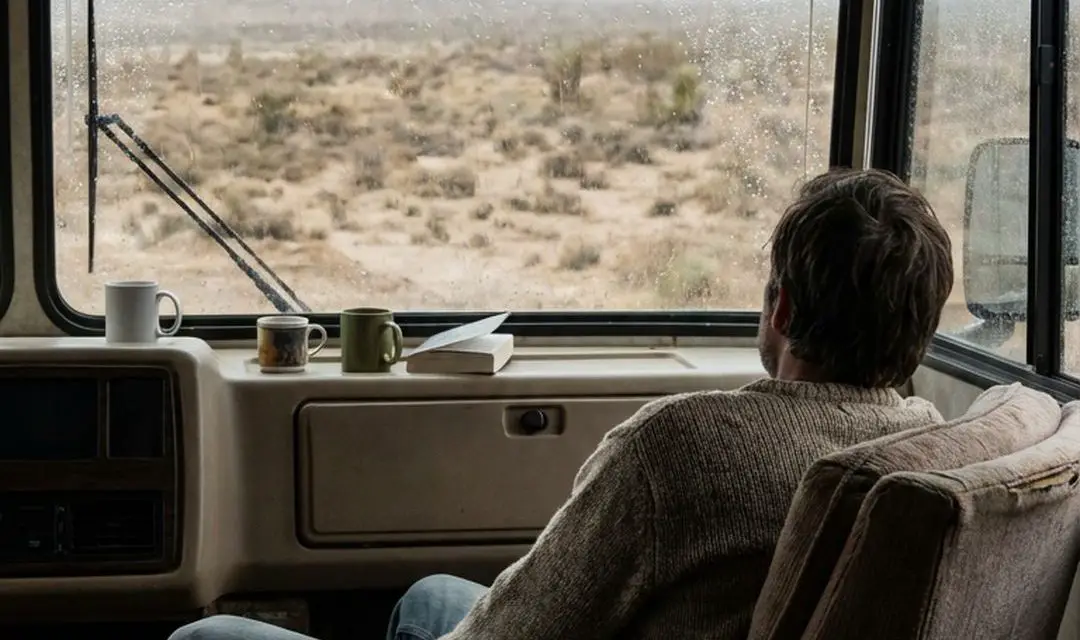
Making the leap to full-time RV living is one of the most transformative decisions you can make, but it’s not all Instagram-worthy sunsets and endless freedom. Before you sell your house and hit the road, it’s crucial to understand both the incredible advantages and the challenging realities that experienced RVers rarely discuss openly. This honest guide breaks down 16 key pros and cons that will help you make an informed decision about whether the RV lifestyle aligns with your expectations and goals. From the financial implications to the emotional adjustments, we’re covering the real talk that goes beyond the glossy travel blogs. Whether you’re dreaming of retirement on wheels or seeking adventure with your family, these insights will prepare you for what’s actually ahead on the open road.
1. PRO: Ultimate Freedom and Flexibility
Would you like to save this article?
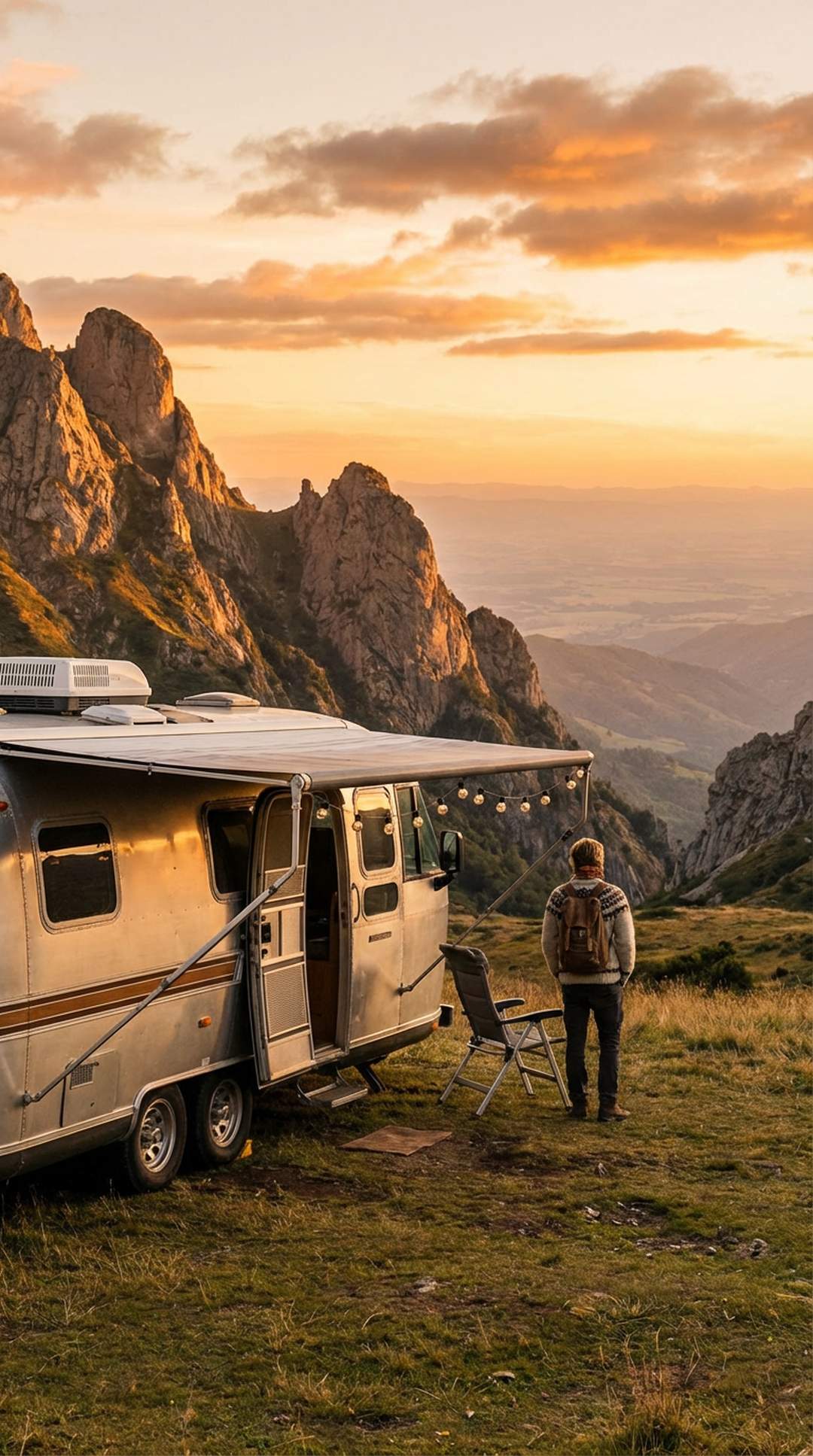
The freedom to wake up anywhere is the primary draw for most full-time RVers. One week you’re watching the sunrise over the ocean, the next you’re nestled in mountain pine forests. This lifestyle eliminates the constraints of a fixed address and lets you chase perfect weather year-round. You can extend stays in places you love and quickly move on from locations that don’t meet your expectations. The ability to change your backyard whenever you want creates an unparalleled sense of adventure and discovery.
This flexibility extends beyond location to your daily schedule and lifestyle choices. Without the anchor of a traditional home, you’re free to design each day exactly as you wish. Many full-timers report feeling more alive and present because every day brings new possibilities. The nomadic lifestyle encourages spontaneity and helps break the monotony that can creep into conventional living arrangements.
PRO TIP: Create a rough travel plan for 3-6 months ahead, but leave room for spontaneity. Some of the best experiences come from unexpected detours and last-minute changes. Keep a running list of places you want to visit so you always have options when it’s time to move on.
2. CON: Limited Living Space Creates Challenges
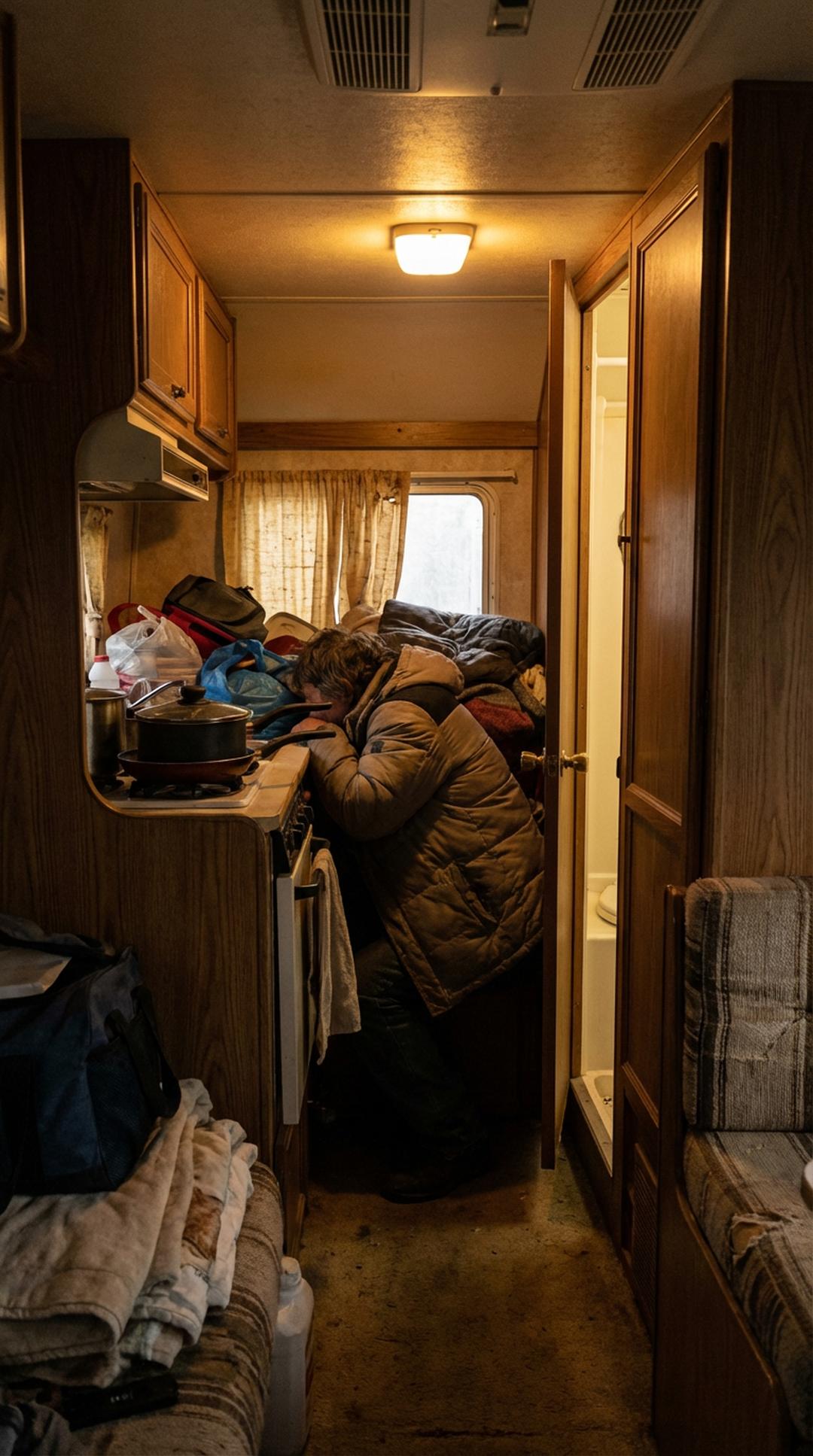
Living in 200-400 square feet requires significant lifestyle adjustments that many people underestimate. Every item you own must serve multiple purposes or earn its place, and finding storage solutions becomes a daily puzzle. The compact quarters can feel suffocating during bad weather when you’re stuck inside for extended periods. Couples often struggle with the lack of personal space, especially when one person needs quiet while the other wants to watch TV or take a phone call.
The spatial limitations also affect entertaining, as hosting more than 2-3 guests becomes logistically challenging. Simple tasks like cooking elaborate meals or working on hobbies requiring spread-out materials become complicated. Over time, the confined space can trigger feelings of claustrophobia, particularly for people accustomed to larger homes. You’ll need to be honest about your space requirements and whether you can genuinely thrive in such tight quarters.
PRO TIP: Before committing to full-time RV living, rent an RV for a month-long trial period. Live in it exactly as you would full-time, including working, cooking all meals, and experiencing bad weather days. This realistic preview helps you understand if you can truly handle the space constraints long-term.
3. PRO: Lower Cost of Living Potential

Many full-time RVers reduce their monthly expenses significantly compared to traditional homeownership. Without mortgage payments, property taxes, homeowners insurance, and utility bills, you can potentially save thousands of dollars annually. Campground fees typically range from free (boondocking) to $30-60 per night at full-hookup sites, often totaling less than rent or mortgage payments. The ability to relocate based on cost of living means you can stretch your budget further by avoiding expensive regions.
Additional savings come from downsizing possessions, reduced shopping impulses, and lower energy costs. Many RVers find they spend less on entertainment because nature provides free recreation opportunities. Without a garage full of stuff, you’ll spend less on storage, insurance for belongings, and home maintenance services. For retirees or remote workers on fixed incomes, these savings can mean earlier retirement or financial freedom.
PRO TIP: Create a detailed RV living budget before making the transition. Track your actual spending for the first 6 months to see where money really goes. Many new RVers underestimate fuel costs, campground fees, and eating out expenses. Apps like RV Trip Wizard and Campendium help plan routes to minimize costs while maximizing experiences.
4. CON: Unexpected Maintenance and Repair Costs
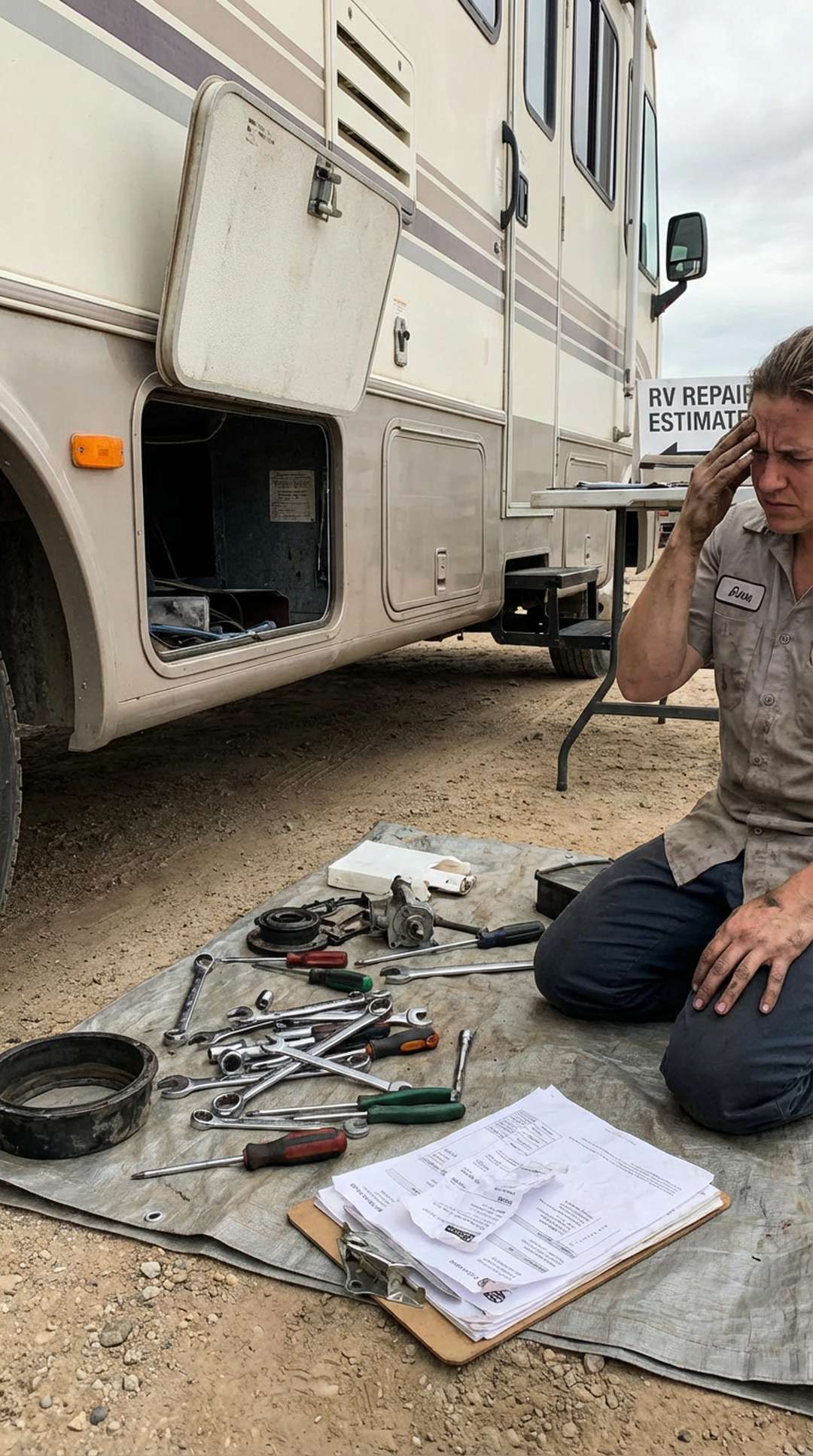
RVs are complex vehicles that combine automotive systems with home appliances, meaning things break frequently and often expensively. A single major repair like transmission work, roof replacement, or slide-out mechanism failure can cost $3,000-$10,000 or more. Unlike a house that stays stationary, your RV endures constant road vibration, weather exposure, and wear that accelerates deterioration. The learning curve for RV systems is steep, and mistakes in maintenance can lead to catastrophic damage like water intrusion or electrical fires.
Finding qualified repair technicians in remote areas proves challenging, and many RV service centers have wait times of weeks or months. You’ll need an emergency fund of at least $5,000-$10,000 for unexpected repairs, which many new RVers don’t anticipate. Regular preventive maintenance is essential but time-consuming and costly. Tires, batteries, seals, and other components wear out faster than in traditional vehicles, creating ongoing expenses that quickly add up.
PRO TIP: Invest in a comprehensive RV maintenance course or guidebook before hitting the road. Learning to handle basic repairs yourself can save thousands annually. Join RV forums and Facebook groups where experienced full-timers share repair tips and mechanic recommendations. Always get multiple quotes for major repairs and consider mobile RV technicians who come to your location.
5. PRO: Perfect for Remote Work and Digital Nomads
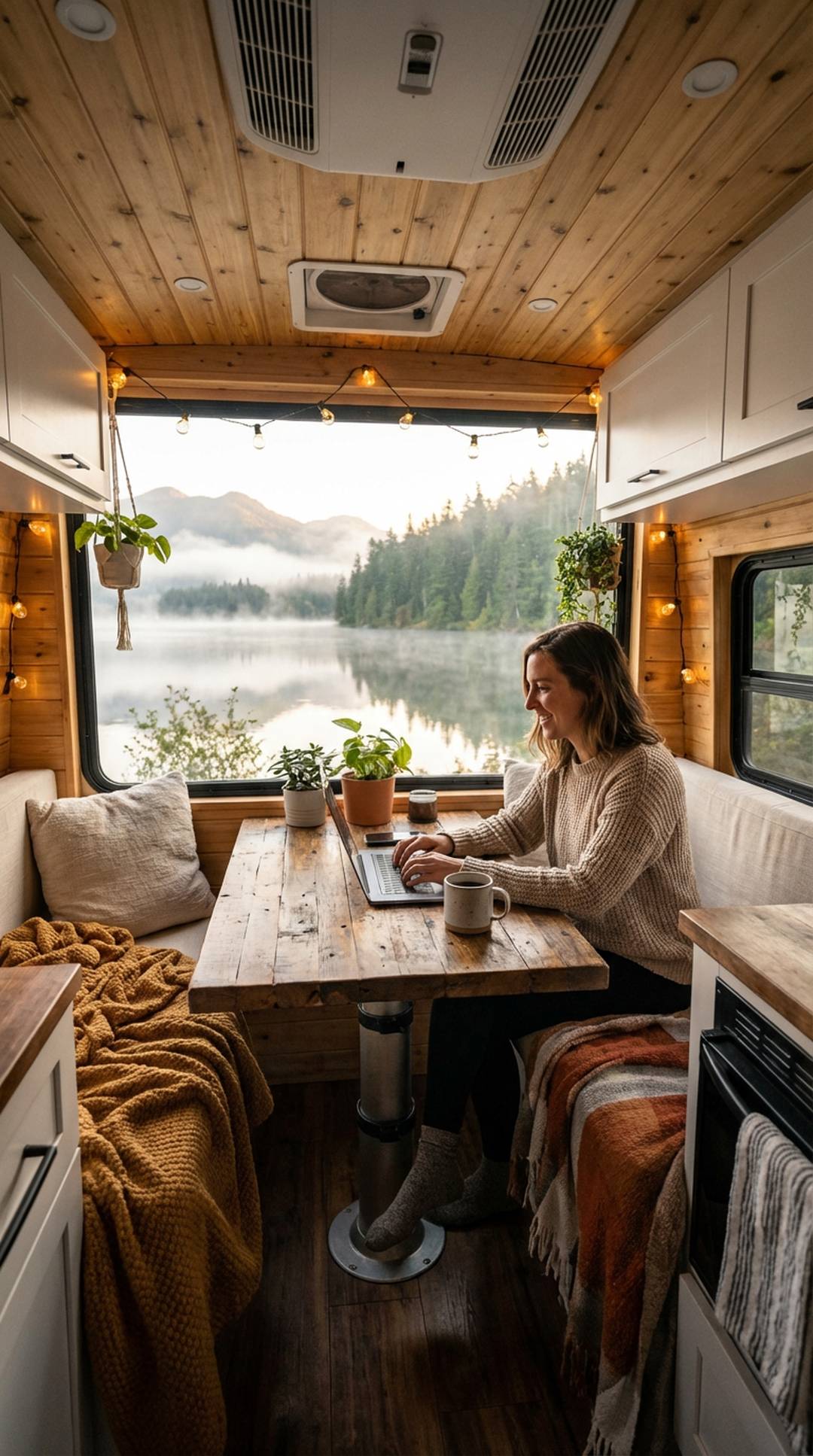
The rise of remote work has made full-time RV living more feasible than ever. With a reliable internet setup, you can maintain your career while exploring the country. Many RVers work from stunning locations that would cost a fortune to vacation in otherwise. The lifestyle allows you to attend conferences, meet clients, or visit company headquarters while maintaining your wanderlust. Productivity often increases because you’re happier and more inspired by constantly changing surroundings.
Digital nomad culture has grown tremendously, creating coworking spaces and RV parks specifically designed for remote workers. Many full-timers report better work-life balance because they can take lunch breaks hiking or kayaking. The ability to relocate near family for extended visits while keeping your job provides flexibility that traditional arrangements can’t match. Time zone challenges become opportunities to structure work hours around your preferred schedule and exploration plans.
PRO TIP: Invest in redundant internet systems including cellular hotspots from multiple carriers, WiFi boosters, and satellite internet as backup. Research cell coverage carefully when planning your route and always have offline work you can do during connectivity outages. Many successful working RVers schedule intensive work periods in areas with excellent connectivity, then take breaks in more remote locations.
6. CON: Unreliable Internet Connectivity
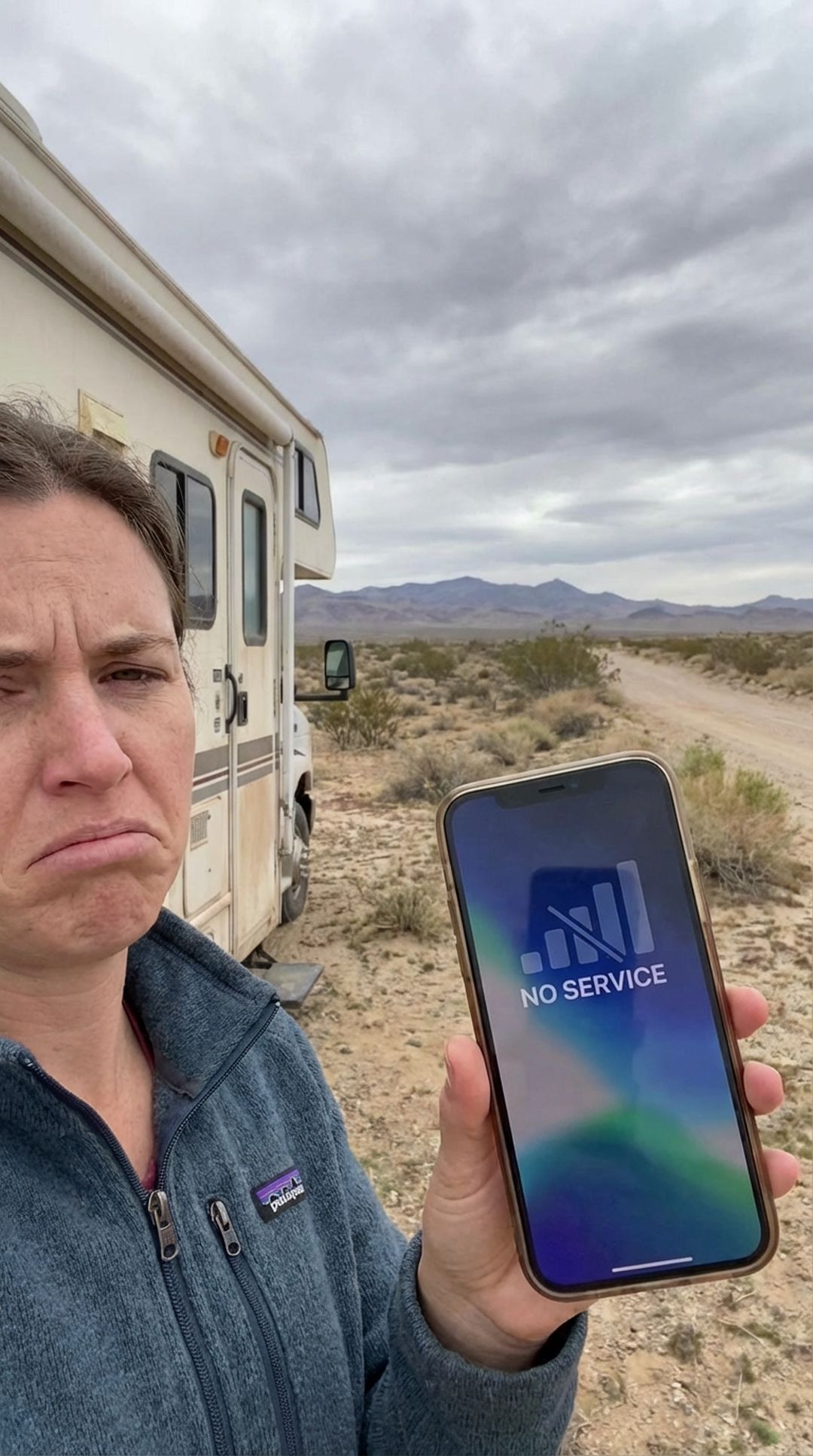
Despite technological advances, reliable internet remains the biggest challenge for working RVers. Rural campgrounds, national parks, and remote boondocking sites often have zero connectivity. Even locations claiming “WiFi available” frequently offer speeds too slow for video calls or large file uploads. Cell signal can be inconsistent even in populated areas depending on carrier coverage and terrain. Weather, trees, and distance from towers all affect your ability to stay connected when it matters most.
The cost of maintaining multiple internet solutions adds up quickly with cellular data plans, hotspot devices, boosters, and potentially satellite internet exceeding $200-300 monthly. Juggling different systems and troubleshooting connectivity issues becomes a frustrating part-time job. For remote workers, missed video calls or inability to access files can jeopardize employment. Even casual users struggle with simple tasks like streaming entertainment or video chatting with family when internet fails at critical moments.
PRO TIP: Sign up for connectivity services like Campendium and RV Life that provide real-world reviews of cell coverage and WiFi quality at specific campgrounds. Always have a backup plan including knowing where nearby libraries, coffee shops, or coworking spaces with reliable internet are located. Consider installing a cell signal booster like WeBoost, which can significantly improve weak signals in remote areas.
7. PRO: Embracing Minimalism and Intentional Living
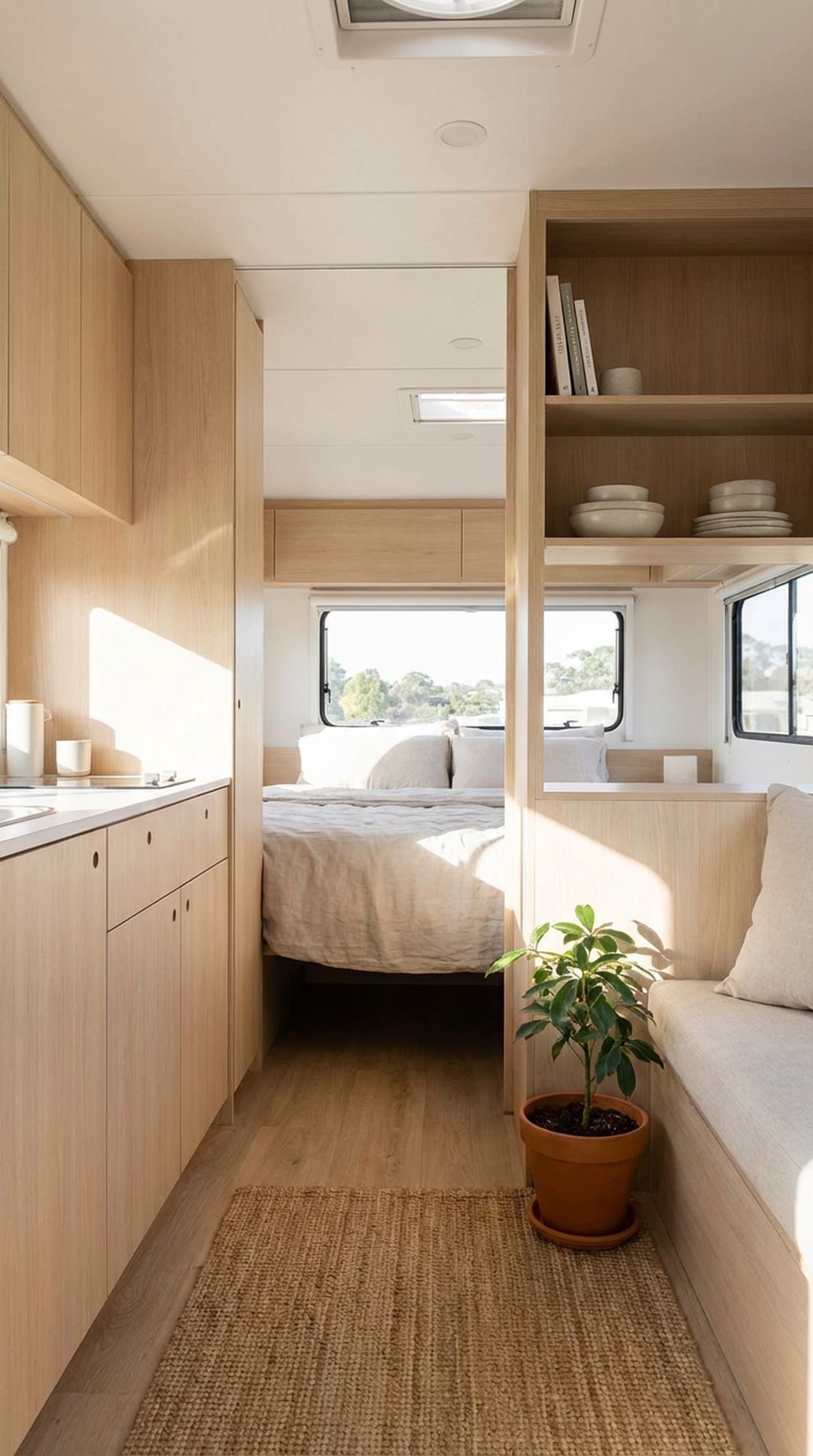
Full-time RV living forces you to evaluate what truly matters in life. With limited space, every possession must justify its existence, leading to a refreshingly simplified lifestyle. Most RVers report feeling liberated after downsizing from accumulation of years. The minimalist approach reduces time spent cleaning, organizing, and maintaining stuff, freeing you to focus on experiences and relationships. You’ll discover that happiness doesn’t come from possessions but from adventure, connection, and personal growth.
This simplified existence extends beyond physical belongings to schedules and commitments. Without homeowner responsibilities, neighborhood obligations, and material maintenance, your time becomes your own. Many full-timers find themselves more present and mindful, appreciating simple pleasures like morning coffee watching wildlife or sunset walks. The lifestyle naturally encourages prioritizing what brings genuine joy rather than what society expects. You’ll learn to distinguish between wants and needs in ways that transform your relationship with consumption.
PRO TIP: Use the “one in, one out” rule religiously – for every new item that enters your RV, one must leave. Digitize documents, photos, and entertainment to reduce physical storage needs. Embrace multipurpose items like clothing that works for multiple activities and collapsible kitchenware. Schedule quarterly evaluations of your belongings to continually refine what you truly need versus what’s just taking up valuable space.
8. CON: Emotionally Difficult Downsizing Process

Letting go of a lifetime of possessions triggers unexpected emotional turmoil. Each item carries memories, and deciding what to keep versus donate or sell forces difficult choices. Family heirlooms, children’s artwork, photo albums, and sentimental items create painful dilemmas about what defines your identity. The process often takes 6-12 months and causes significant stress and relationship strain. Many people underestimate the psychological weight of releasing physical connections to their past.
Selling a house full of furniture and belongings rarely generates the money people expect, adding financial disappointment to emotional distress. Adult children may not want family heirlooms, and watching possessions you cherished go to strangers hurts more than anticipated. Some people rush the downsizing process and later regret giving away irreplaceable items. The permanence of the decision weighs heavily, especially when considering you can’t easily retrieve things once you’re living on the road full-time.
PRO TIP: Start downsizing at least one year before your planned departure date to avoid rushed decisions you’ll regret. Digitize photos, important documents, and children’s artwork to preserve memories without physical storage. Consider renting a small storage unit for the first year to keep truly irreplaceable items until you’re certain about full-time RV life. Take photos of sentimental items before selling them to maintain the memory without the physical burden.
9. PRO: Building Amazing Community Connections
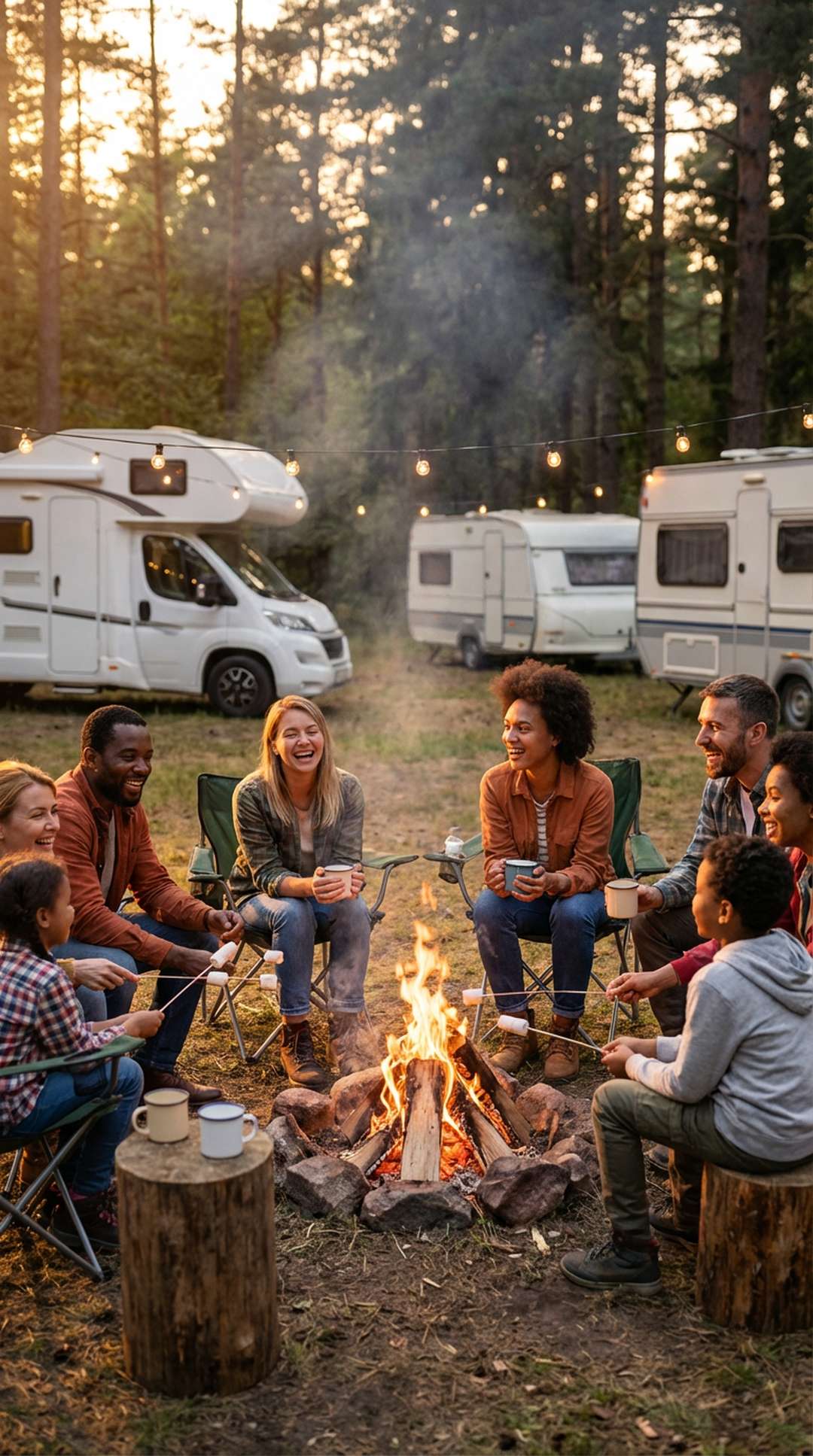
The RV community is remarkably welcoming and supportive. Fellow travelers understand the lifestyle’s unique challenges and readily share advice, tools, and assistance. Campground friendships form quickly because everyone shares common interests and experiences. You’ll meet fascinating people from diverse backgrounds with amazing stories from around the country. Many RVers report their social life improved dramatically because they’re constantly meeting new people who share their adventurous spirit.
Online communities and rallies create opportunities to connect with like-minded individuals before you even hit the road. Facebook groups, forums, and apps like Harvest Hosts facilitate meet-ups and provide instant support networks. The transient nature of the lifestyle means friendships form fast and deep, with people opening up about their lives more readily than in traditional neighborhoods. You’ll develop friendships across the country, creating a network of people to visit and reconnect with during your travels.
PRO TIP: Join RV clubs and attend rallies specific to your RV brand, lifestyle interests, or demographics (like Escapees, FMCA, or Workamper News). Don’t be shy about introducing yourself to neighbors and offering help when someone’s struggling with a problem. Participate in campground activities like potlucks and happy hours to quickly integrate into temporary communities. Stay in touch with friends you make through social media to maintain connections as you travel.
10. CON: Loneliness and Social Isolation
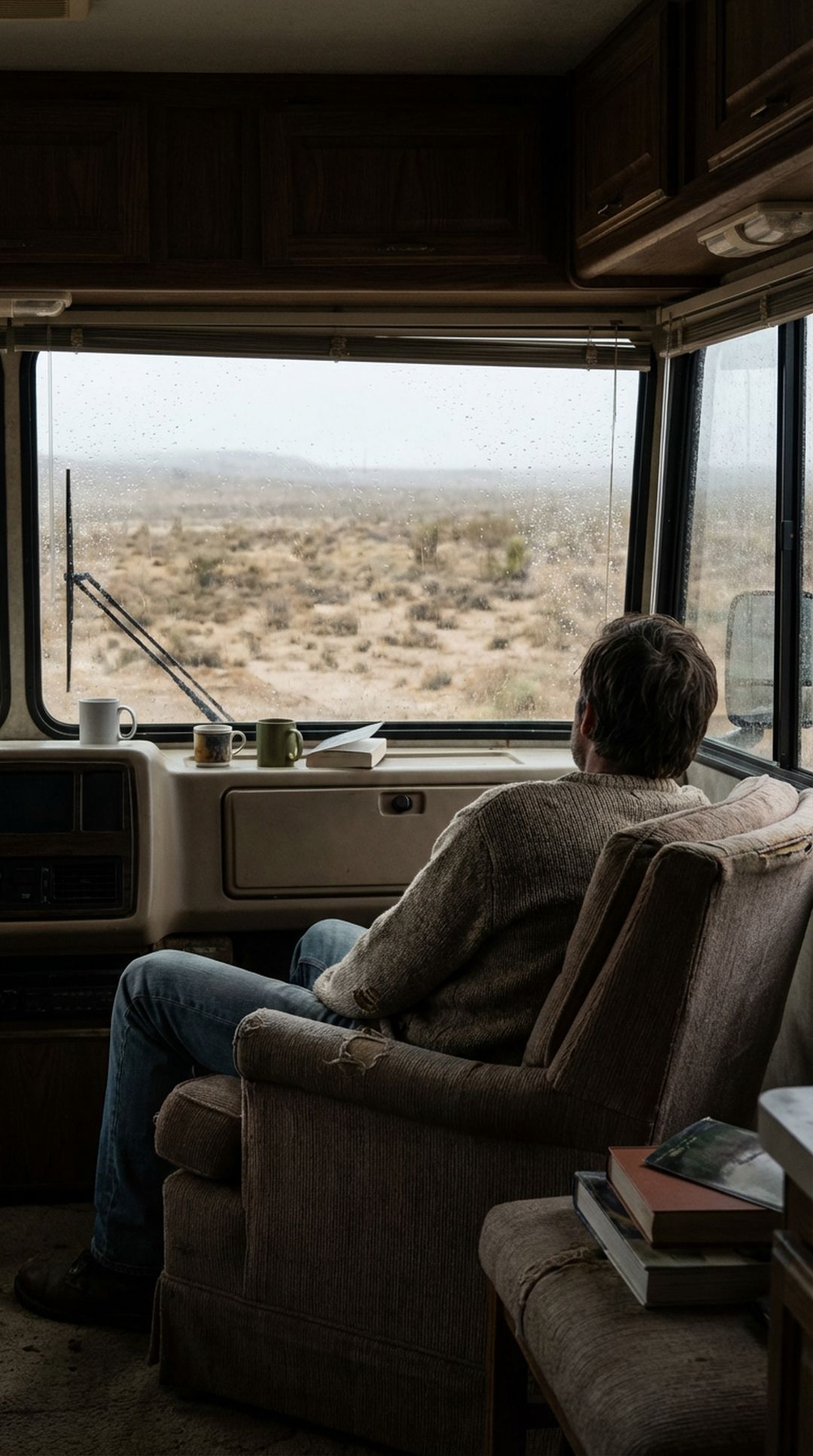
Despite the friendly RV community, many full-timers struggle with profound loneliness. Constantly moving means friendships remain surface-level or end abruptly when someone moves on. You miss the depth and history of long-term friendships where people know your story and share your past. Family gatherings become complicated, and you often miss important milestones like birthdays, graduations, and holidays. The transient lifestyle makes it hard to find your “tribe” and establish meaningful belonging.
Introverts may find the constant social adjustment exhausting, while extroverts miss the reliable friend groups that traditional living provides. Dating becomes complicated when you’re always on the move, and maintaining romantic relationships requires intentional effort. Couples living full-time together sometimes experience relationship strain from the intensity of constant togetherness without outside social outlets. The freedom to be anywhere can paradoxically make you feel like you don’t truly belong anywhere, creating an existential loneliness that catches many people off guard.
PRO TIP: Schedule longer stays (2-3 months) in locations to build deeper community connections and combat transience. Use technology proactively to maintain relationships with family and old friends through regular video calls and messaging. Consider volunteering or working part-time at campgrounds to create purpose and routine. Join activity groups like hiking clubs, book clubs, or craft circles to develop more meaningful connections beyond surface campground interactions.
11. PRO: Spontaneous Travel and Adventure

The ability to change plans on a whim creates extraordinary opportunities. If you hear about an amazing festival, stunning fall foliage, or perfect weather window, you can simply go. This spontaneity leads to serendipitous experiences that planned vacations rarely provide. You can follow your interests and passions without constraints, whether that’s chasing wildflowers, attending multiple music festivals, or visiting every national park. The journey becomes as important as the destination, with unexpected stops often becoming favorite memories.
Long-term travel reveals destinations in ways tourists never experience. You discover local favorites, build relationships with community members, and understand regional cultures deeply. The flexibility allows you to avoid crowds by visiting popular destinations during off-seasons and shoulder seasons. You’re never stuck in a boring routine because your environment constantly changes, keeping life fresh and exciting. Many RVers report feeling decades younger because every day offers potential for discovery and adventure.
PRO TIP: Keep your RV ready to move with minimal setup time by perfecting your departure routine and keeping tanks, propane, and supplies at reasonable levels. Maintain flexibility in your reservations by using campgrounds with lenient cancellation policies or relying on first-come-first-served sites. Follow weather patterns and local events through apps to identify perfect opportunities for spontaneous exploration. Always keep an emergency fund for unexpected adventures that are too good to pass up.
12. CON: Vulnerability to Extreme Weather
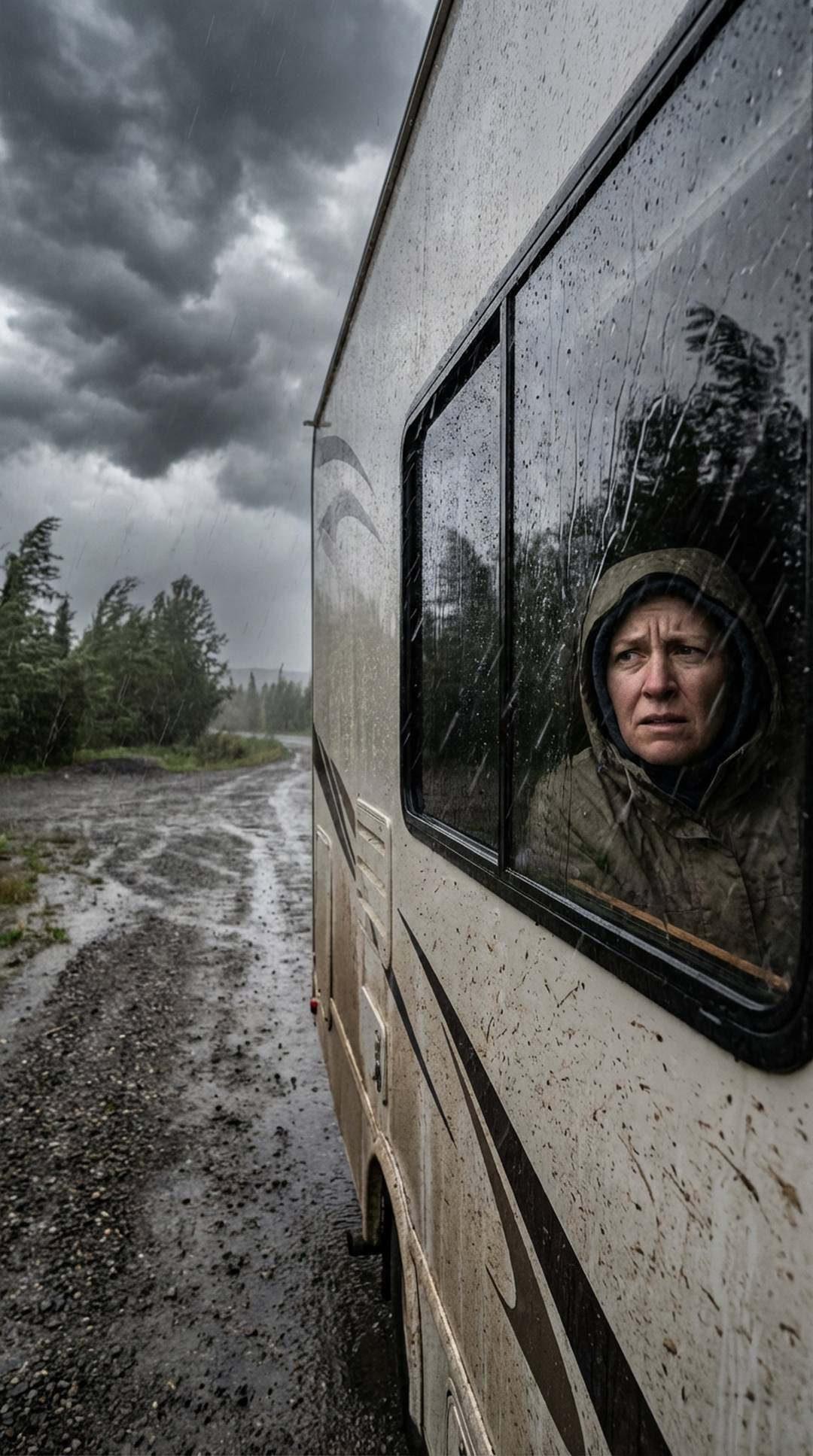
RVs offer minimal protection compared to traditional homes during severe weather. High winds can rock your rig violently and potentially cause dangerous situations or tip-overs. Summer heat turns RVs into ovens requiring constant air conditioning that strains systems and budgets. Winter cold challenges insulation and plumbing, with frozen pipes and tanks being common expensive disasters. You’re essentially living in a thin metal box that amplifies every weather extreme.
Monitoring weather becomes a constant preoccupation, especially during tornado season, hurricane season, and winter storms. Evacuation during emergencies is complicated and stressful, particularly with limited notice. Finding safe places to ride out dangerous weather requires planning and often means expensive last-minute campground reservations. Temperature extremes inside the RV affect sleep quality, work productivity, and overall comfort. Many RVers underestimate how much weather dictates their daily life and travel plans, with constant route adjustments to avoid dangerous conditions.
PRO TIP: Invest in a weather monitoring system and apps like Weather Underground and RadarScope to track conditions precisely. Plan your route to follow good weather north in summer and south in winter. Know your RV’s wind rating and never stay in exposed locations when high winds are forecast. Keep emergency supplies including extra water, food, and battery power in case you’re stranded by weather for several days.
13. PRO: Deep Connection with Nature
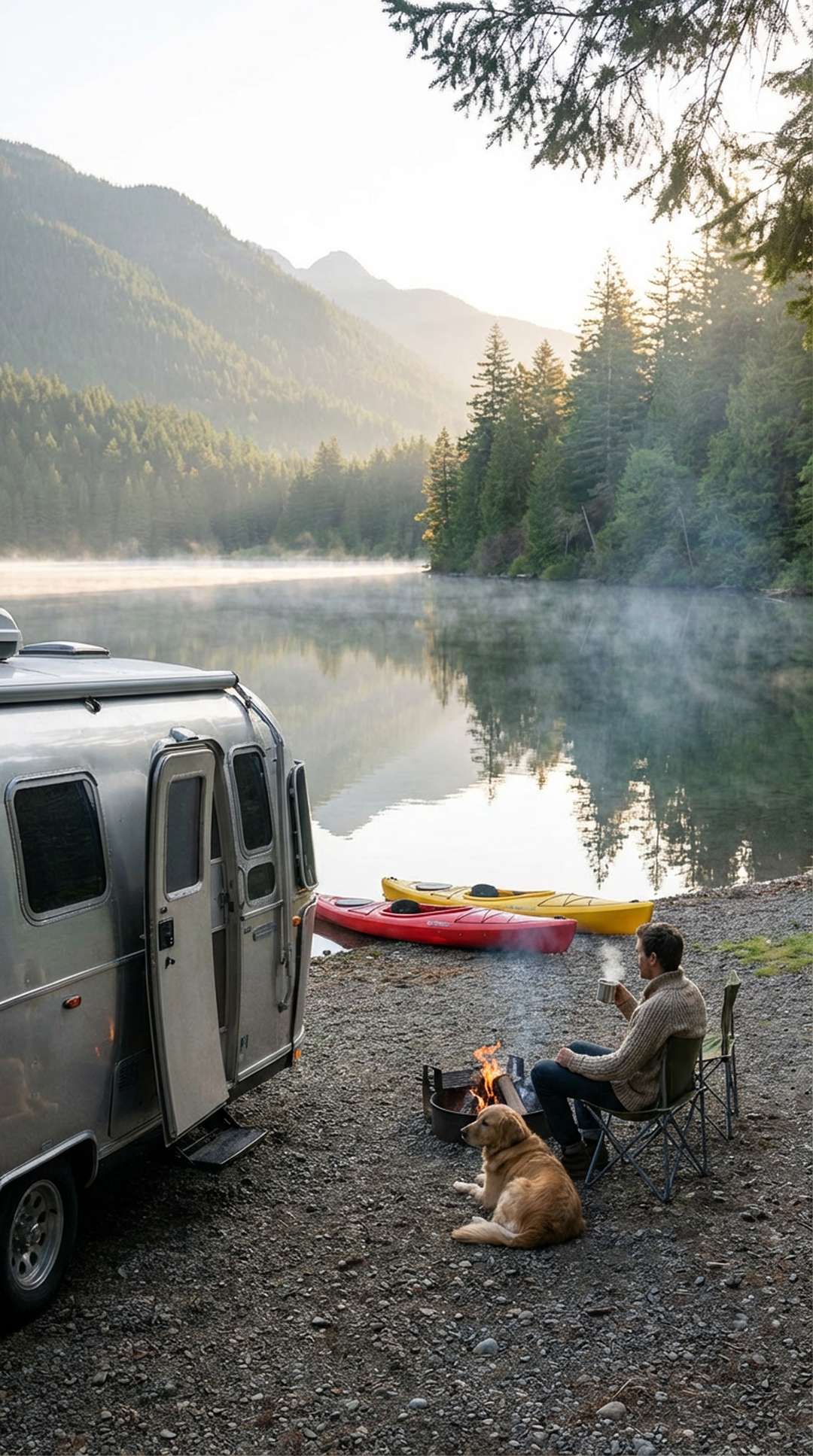
Living in an RV places you directly in natural settings rather than viewing them from hotel windows. Your morning coffee comes with wildlife sightings, bird songs, and stunning vistas. This constant nature immersion significantly reduces stress and improves mental health. You develop a deeper appreciation for seasonal changes, local ecosystems, and environmental conservation. Activities like hiking, kayaking, and wildlife photography become regular parts of life rather than special occasion activities.
The lifestyle encourages outdoor living with campfires, outdoor cooking, and evenings spent stargazing. Children growing up in RVs develop environmental awareness and outdoor skills that classroom learning can’t provide. You’ll witness incredible natural phenomena like meteor showers, bioluminescent waves, and animal migrations that most people only see in documentaries. This connection to nature often transforms people’s values and priorities, creating a more sustainable and environmentally conscious worldview.
PRO TIP: Invest in quality outdoor gear including comfortable camp chairs, portable fire pits, and outdoor lighting to extend your living space beyond the RV. Learn about local flora and fauna wherever you visit to deepen your nature connection. Practice Leave No Trace principles and participate in campground cleanup activities. Consider timing your travels to witness special natural events like wildflower blooms, bird migrations, or salmon runs for truly memorable experiences.
14. CON: Dealing with Waste Management
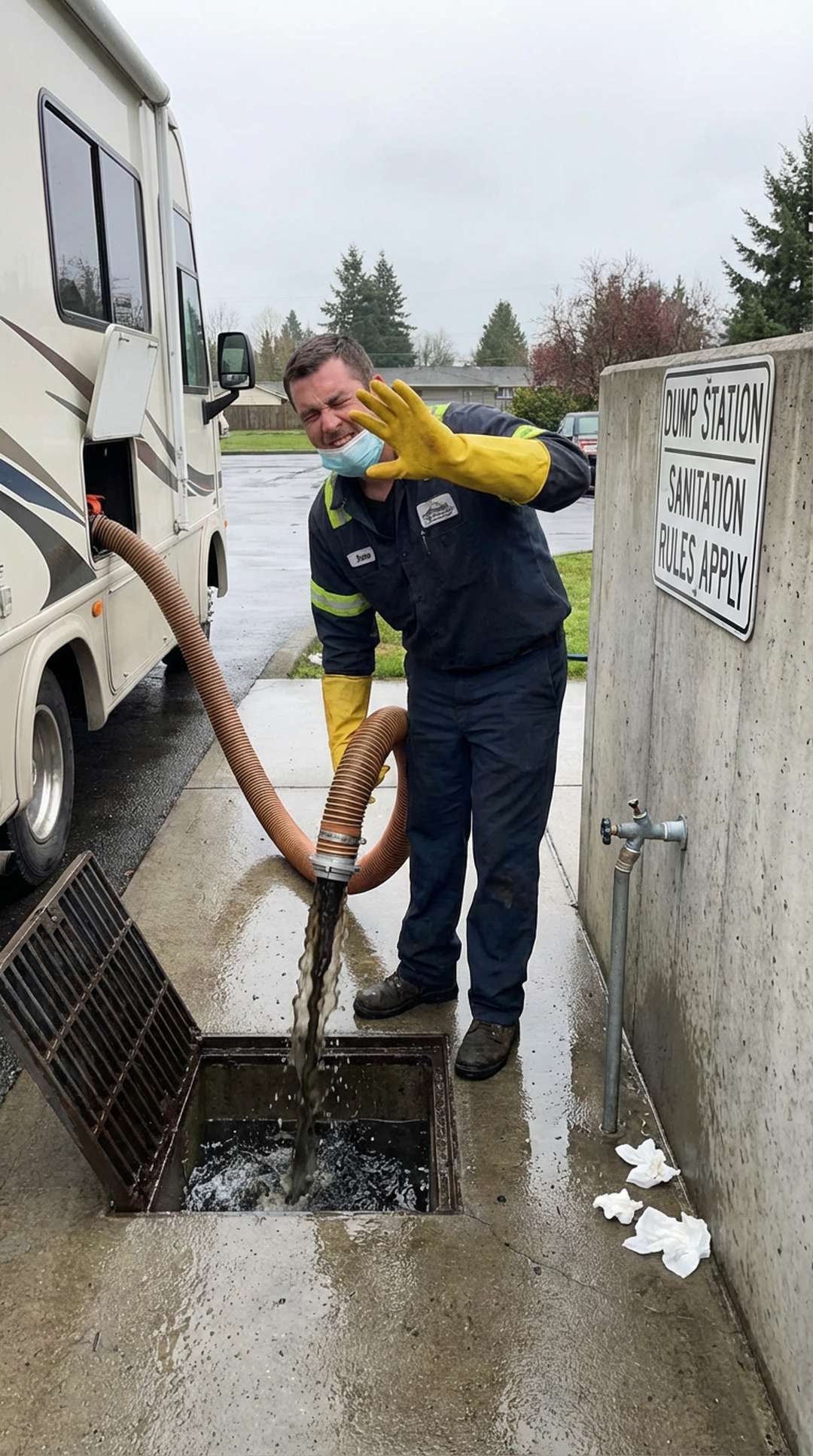
Managing black and gray water tanks is one of the most unpleasant realities of RV life. Dumping tanks is a dirty, smelly job that never gets more enjoyable. Finding dump stations in remote areas can be challenging, and some charge fees. Tank sensors often malfunction, leaving you guessing when tanks are full. The consequences of overfilled tanks or dumping mistakes range from embarrassing to disgusting. This aspect of RV living is rarely discussed in glossy social media posts but consumes significant time and mental energy.
Conserving water becomes a constant consideration, limiting long showers, frequent dishwashing, and laundry. The chemistry of keeping tanks clean and odor-free requires ongoing attention and expense. Winter camping complications include frozen dump valves and careful tank monitoring. Many campgrounds have poorly maintained or inconveniently located dump stations. Some RVers report this being the single aspect they hate most about full-time living, especially when things go wrong during the dumping process.
PRO TIP: Invest in a quality clear elbow attachment for your sewer hose so you can see when tanks are truly empty. Use tank treatments religiously to control odors and keep sensors working. Learn proper dumping procedures and always wear disposable gloves. Consider staying at campgrounds with full hookups more often to avoid the dumping process, even though it costs more. Keep extra sewer hoses, fittings, and cleaning supplies since these items break at the worst possible times.
15. PRO: Simplified and Intentional Life
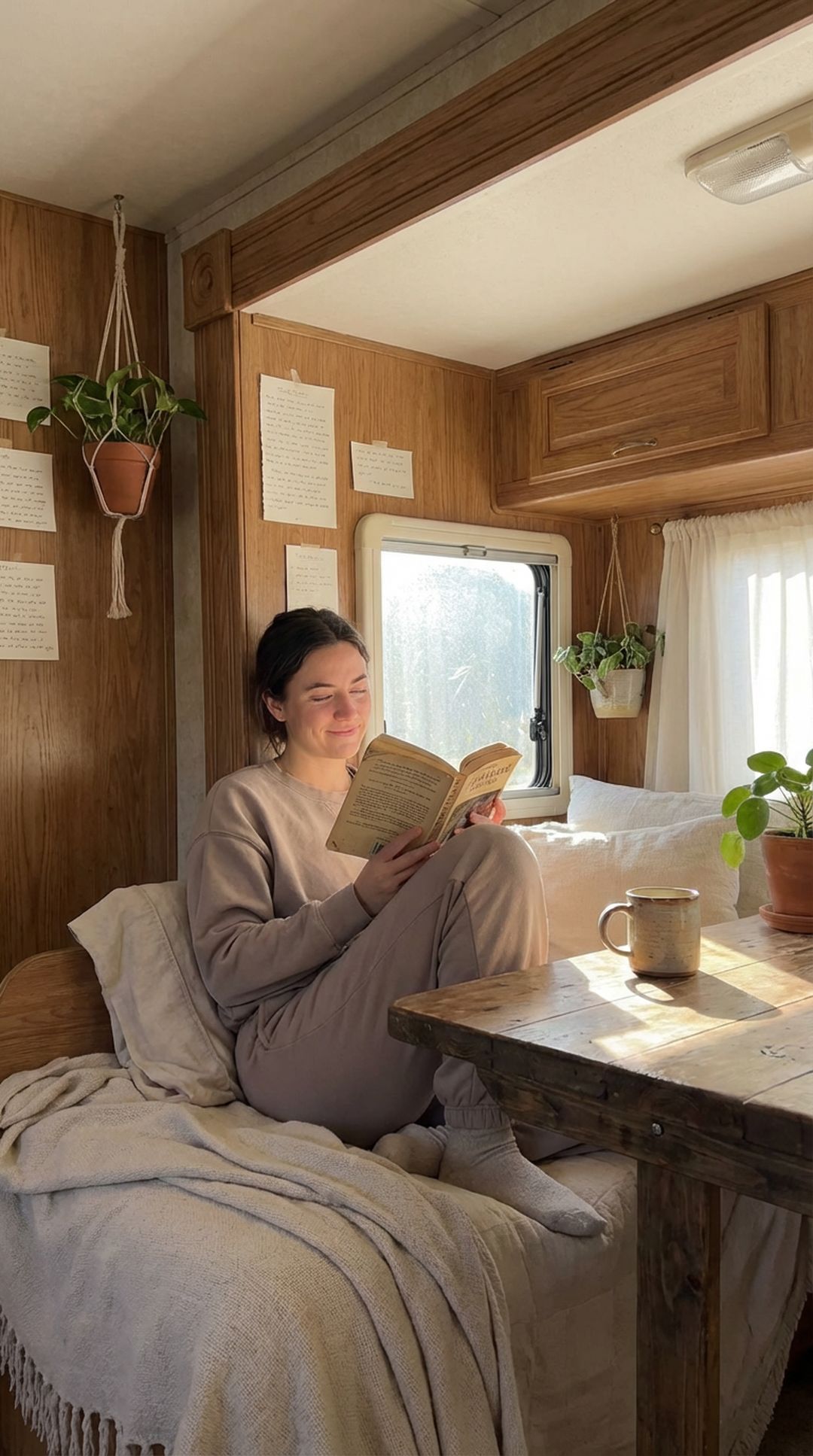
Full-time RV living strips away life’s complexity and forces you to focus on what truly matters. Without the burden of maintaining a large property, you reclaim time for hobbies, relationships, and personal growth. The simplified lifestyle reduces decision fatigue since you have fewer possessions and commitments demanding attention. Many RVers report improved mental health because they’re no longer overwhelmed by the weight of stuff and obligations. Days feel more purposeful when centered on experiences rather than maintenance and acquisition.
This intentionality extends to how you spend money, time, and energy. Every choice becomes more deliberate when resources are limited and space is precious. You’ll likely discover passions and interests that were buried under the busy-ness of conventional life. The lifestyle naturally encourages mindfulness and presence because your environment constantly changes, demanding awareness. Many people find that simplification reveals their authentic selves, stripped of societal pressures about how life “should” look.
PRO TIP: Use the transition to RV living as an opportunity to audit all aspects of your life, not just possessions. Consider which relationships, commitments, and habits serve you versus drain you. Establish simple daily routines that ground you despite constant change. Journal regularly to process the transformation and maintain clarity about your values and goals. The simplified life requires active intention to prevent it from becoming cluttered again with different complications.
16. CON: Healthcare Access and Insurance Challenges
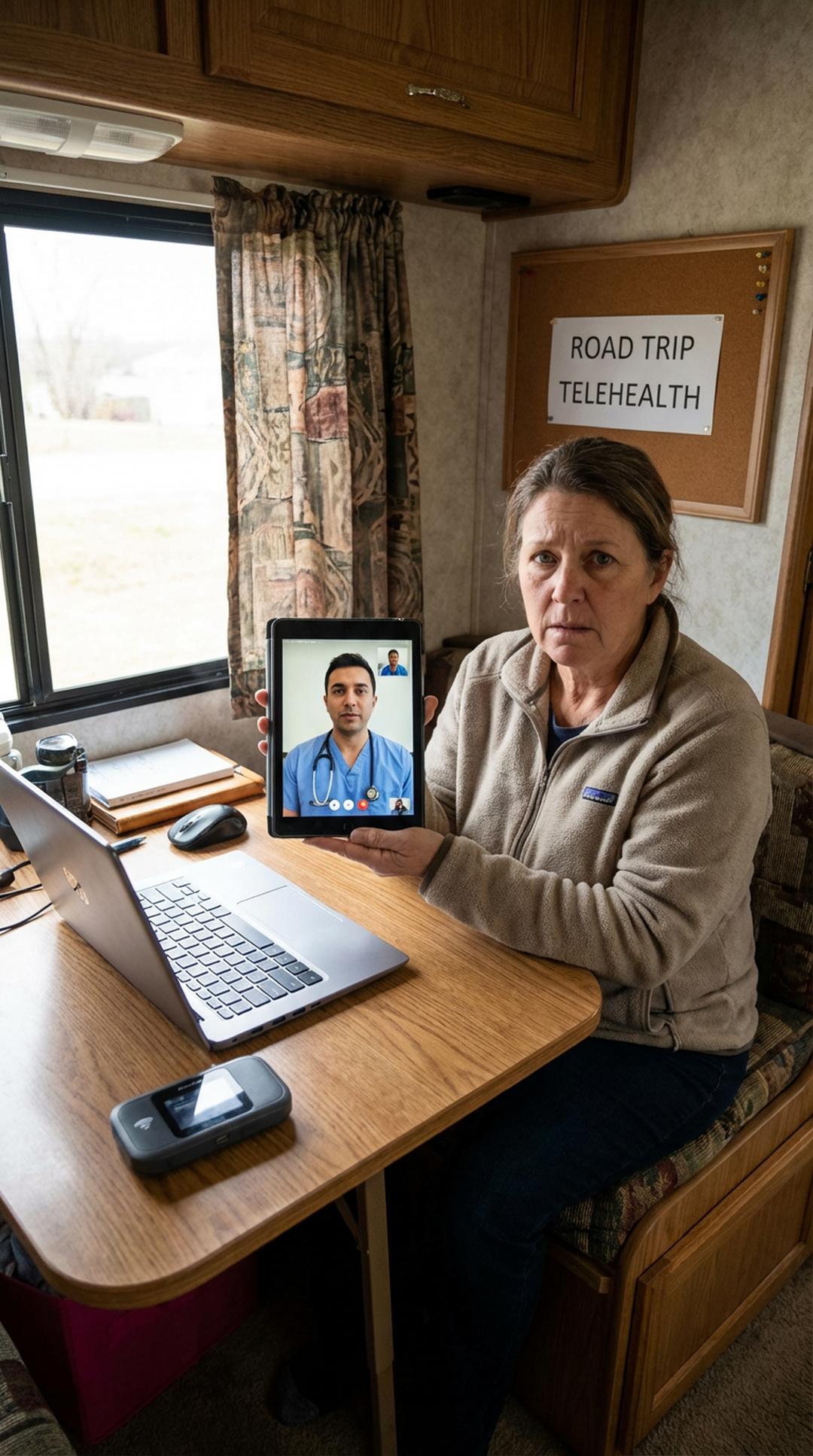
Accessing quality healthcare while constantly moving presents significant challenges. Finding doctors who accept your insurance in different states is complicated. Establishing care with new providers repeatedly means explaining your medical history over and over. Prescription refills become logistical headaches when you’re away from your home pharmacy. Emergency medical situations in remote areas can be genuinely dangerous with limited nearby facilities. Many RVers worry constantly about what would happen if serious illness or injury occurred far from family and familiar healthcare systems.
Health insurance options for full-timers are limited and often expensive. Medicare users face additional complications with coverage varying by location. Dental and vision care require planning ahead to schedule appointments in areas you’ll be visiting. Ongoing medical conditions requiring regular monitoring or treatment complicate the nomadic lifestyle significantly. Some full-timers return to a home base periodically for medical appointments, which reduces the freedom that initially attracted them. The stress of healthcare uncertainty affects quality of life and can make the RV lifestyle unsustainable for people with complex medical needs.
PRO TIP: Establish a “home base” state with good healthcare options where you can schedule annual checkups and maintain primary care relationships. Research telehealth services that provide virtual care regardless of location. Keep digital copies of all medical records, prescriptions, and insurance information accessible offline. Purchase supplemental travel medical insurance if your primary coverage has geographic limitations. Connect with RV healthcare Facebook groups where members share recommendations for RV-friendly doctors and facilities nationwide.