Imagine this: You’re standing in a campground watching one person crawl into a tent like they’re preparing for survival training, while your neighbor fires up their RV’s ice maker and settles in for Netflix. Both will look you straight in the eye and declare with absolute confidence, “Yeah, this is camping.”
Welcome to the most heated debate in outdoor recreation—one that’s sparked more arguments than politics at Thanksgiving dinner. Is RVing really camping, or is it just fancy living in the woods? The truth is, this question has divided campers for decades, and the passion behind it isn’t going anywhere. According to recent statistics, 53.7 million North American households participated in camping in 2023, with 11.2 million U.S. households owning an RV. That’s a lot of people with strong opinions about sleeping arrangements.
Let’s dive into the seven most compelling arguments on both sides of this never-ending camping controversy.
1. The “Suffering Required” Argument: Real Camping Means Discomfort
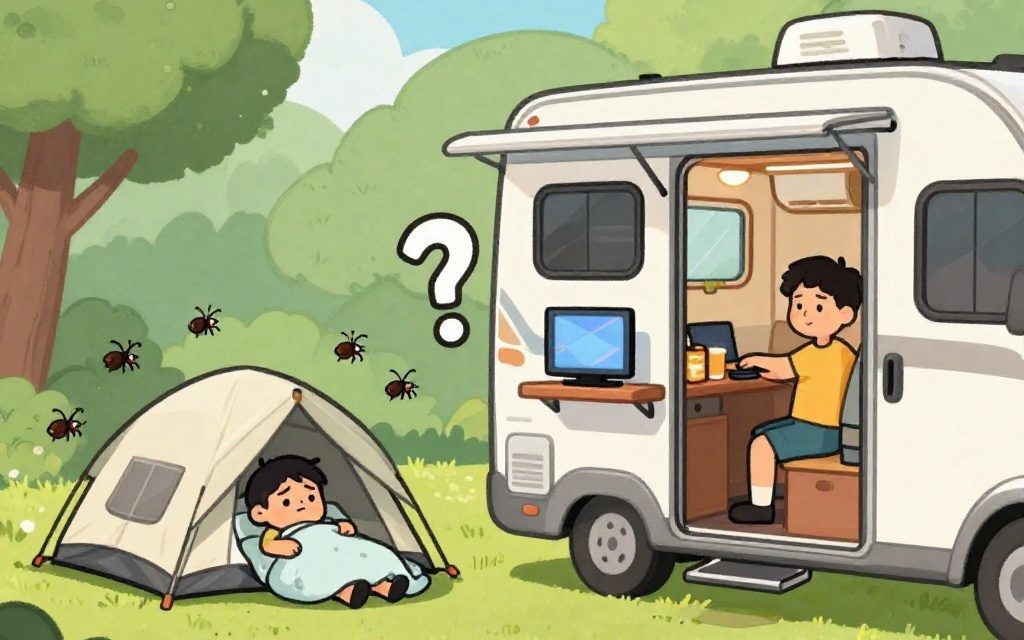
Hardcore traditionalists believe that authentic camping requires some level of struggle. If you’re not questioning your life choices at 2:00 a.m. because something’s biting you, are you even camping?
To tent purists, camping is about connecting with nature—which apparently means sweating for no reason, sleeping on the ground next to a root, and using a bathroom situation that makes you appreciate modern plumbing.
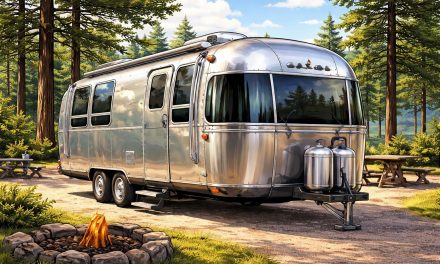
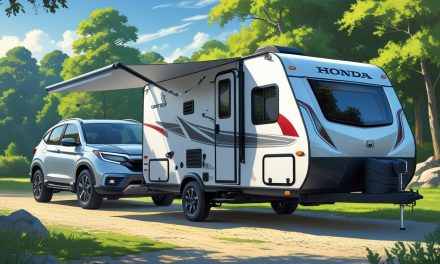
Meanwhile, RVers roll up with slide-outs deployed, AC blasting, and a full kitchen. You didn’t connect with nature; you brought your living room and told nature to wait outside like it’s not on the lease.
Here’s the kicker: If comfort is suspicious, then maybe the tent crowd is onto something. After all, 60% of all campers still use tents as their primary accommodation, proving that plenty of people choose the ground over a memory foam mattress.
But here’s the thing: Just because you can control the temperature and charge your phone doesn’t mean you’ve “lost the plot.” You’ve just upgraded from survival mode to sanity mode. And honestly, if suffering was the goal, you could’ve just stayed home and opened your mail.
| Tent Camping | RV Camping |
|---|---|
| Sleep on the ground | Sleep on a mattress |
| No climate control | Full AC/heating |
| Questionable bathroom situation | Actual plumbing (sometimes) |
| Bugs are roommates | Bugs stay outside |
| Character building | Comfort prioritizing |
2. The Glamping Accusation: You’re Not Camping, You’re Glamping
The word “glamping” gets thrown around like an insult, usually by someone brushing dirt off their only pair of pants. If your campground features a Keurig, Bluetooth speaker, and a shower you don’t cry in, you’re dangerously close to just being at home—with worse plumbing and smaller rooms.
According to camping statistics, 50% of campers want to experience glamping, and 46% of Canadian camper households are interested in glamping experiences. Translation: Half of all campers secretly (or not so secretly) want the outdoors with the comforts.
Here’s where it gets spicy: Glampers typically have higher household incomes than traditional campers, with almost 10% more glampers earning over $100,000 compared to tent campers. So maybe the real debate isn’t about authenticity—it’s about economics.
You might be watching nature through tinted RV windows with snacks, but at least you’re watching. To purists, comfort equals compromise. To RVers, comfort equals common sense.
3. The Reality Check: RV Life Isn’t Actually Easy
Let’s get defensive for a second (rightfully so). RVing is NOT some luxury vacation on wheels. You’re still dealing with bugs, weather, smoke in your eyes, and that one guy who cuts through your campsite like it’s a public park.
On top of that, you’ve got plumbing issues, electrical problems, and mystery noises at 3:00 a.m. You didn’t escape problems—you upgraded them. RVing is basically unplugging from your normal life to plug into a 50-amp pedestal and praying it doesn’t trip.
Here are the hidden struggles of RV life:
- Maintenance nightmares: Something is always breaking
- Electrical drama: One breaker controls everything
- Plumbing disasters: Black tank situations no one talks about
- Towing stress: Backing into campsites is a team sport (and potential marriage counselor visit)
- Weather challenges: You’re still outside when it storms
- $12 firewood bundles: Because apparently wood is made of gold now
The verdict? RVing isn’t cheating—it’s commitment. It’s not traditional camping, but it’s certainly not just being at home either. It’s aggravated living, where you get all the responsibilities of home plus all the stresses of traveling with it.
4. The Demographic Shift: Younger Generations Are Choosing Comfort
Here’s a stat that’ll blow your mind: The median age of RV owners dropped from 53 in 2021 to 49 in 2025. Even more interesting? Millennials and Gen Z now make up approximately 22% of RV owners, and 56% of all campers are Millennials.
Why the shift? Because younger generations watched their parents “rough it” and said, “No thanks, we’ll take the version with Wi-Fi.”
45% of Millennials and 44% of Gen Z have the highest interest among prospective new campers, and guess what? 60% of new campers are choosing RVs, cabins, or other accommodations over tents.
This isn’t about being soft—it’s about being smart. Why sleep on the ground when you can sleep on an actual bed and still wake up to a sunrise? You’re not less of a camper because you have a working bathroom. You’re just better rested.
| Generation | Camping Preference |
|---|---|
| Millennials | 56% of all campers, prefer RVs/glamping |
| Gen Z | 44% interested in camping, choose comfort |
| Gen X | Traditional mix of tent and RV |
| Baby Boomers | Love the RV life, earned the comfort |
5. The “It’s Just Housing” Accusation: Are You Camping or Just Parking?
The harshest critics say RVing is just paying rent to live in the woods. You’re not experiencing nature—you’re bringing your house to a prettier parking lot.
And honestly? They’re not entirely wrong. At some point, the outdoors become scenery—like a screensaver that occasionally bites you. You’re not experiencing nature; you’re viewing it through windows while eating a charcuterie board.
But here’s the counterpoint: Just because you have amenities doesn’t mean you’re not outside. You still hear the birds, smell the campfire, see the stars, and deal with raccoons trying to break into your cooler at midnight.
The real question: Does proximity to nature count if you’re comfortable? Or does camping require you to be mildly uncomfortable to earn the title?
If we’re being honest, both groups are still paying ridiculous prices. We’re all spending $12 on a bundle of wood and outrageous fees for camp ice. Whether you sleep in a tent or an RV, your wallet feels the same pain.
6. The Activity Argument: It’s Not WHERE You Sleep, It’s WHAT You Do
Here’s a refreshing take: Maybe camping isn’t about your sleeping arrangements—it’s about the experience.
According to statistics, 90% of campers leave campsites to participate in other activities like hiking, sightseeing, dining, and recreational opportunities. Translation: Most people aren’t just sitting inside their tents or RVs all day.
Whether you sleep in a tent or an RV, if you’re:
- ✅ Spending time outdoors
- ✅ Making memories with family
- ✅ Disconnecting from daily routines (sort of)
- ✅ Cooking over a fire (or propane, no judgment)
- ✅ Arguing about backing into the campsite
Then you’re camping. Period.
The tent vs. RV debate misses the point entirely. Nobody remembers the “authenticity” of their sleeping arrangements. They remember the chaos, the stories, and the laughs. And listen, if you’ve survived a family camping trip without a meltdown, tent or RV, you deserve a medal.
7. The Bottom Line: It’s All Aggravated Living
So, is RVing really camping? Honestly, who cares?
Whether you’re in a tent or an RV, you’re outside, making memories, and probably fighting over something ridiculous like who forgot the marshmallows or how to properly back into a site.
The truth is, both sides are right in their own ridiculous way. Tent camping is harder, sure—but RV camping isn’t the luxury vacation people think it is. You’re just trading one set of problems for another, slightly more expensive set.
At the end of the day, camping—whether traditional or “glamping”—is about getting outside and disconnecting (mostly). And with 53.7 million North American households camping and the industry projected to hit $62.23 billion by 2027, clearly millions of people think whatever they’re doing counts as camping.
So pitch your tent, park your RV, or book that glamping yurt. As long as you’re outside, you’re doing it right. And if anyone tries to gatekeep your camping experience, just remind them: Neither sleeping arrangement makes you immune to paying $12 for firewood.