You’re sitting in your RV on a beautiful morning, ready to brew that first cup of coffee, when you notice something terrifying: your batteries are at 20% even though you’re plugged in. Your heart sinks as you realize the problem might not be a simple tripped breaker. What you’re about to discover could save you thousands of dollars—or even prevent a devastating RV fire.
The hidden danger lurking inside your power cord reel is something most RV owners never check until it’s too late. According to the National Fire Protection Association, electrical failures account for approximately 6,800 home fires annually, and RVs face similar risks with their mobile electrical systems. This isn’t just about inconvenience; it’s about safety.
In this eye-opening investigation, you’ll learn the five critical warning signs that your power cord reel is becoming a fire hazard. Whether you’re a weekend warrior or a full-time RVer, you need to know what’s hiding inside that innocent-looking power cord storage box. Trust me, after reading this, you’ll be crawling under your rig faster than you can say “30-amp service.”
Would you like to save this article?
1. The Mystery of the Dead Batteries: When Your RV Loses Power Overnight
Picture this: You wake up after a peaceful night’s sleep, reach for the light switch, and… nothing. Your batteries have mysteriously drained to 20% despite being plugged into shore power all night. Before you panic and start shopping for new batteries or a replacement surge protector, the culprit might be hiding in plain sight.
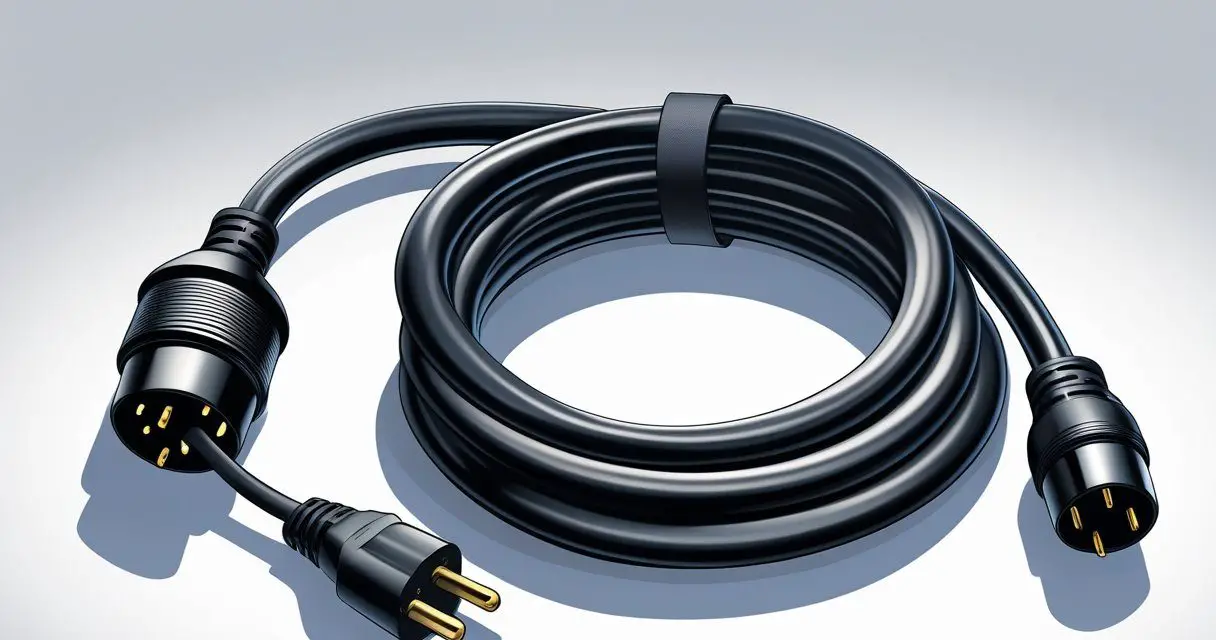
The power cord reel—that cylindrical device that neatly stores your electrical cord—contains contact rings that can corrode, loosen, or pit over time. When these contactors fail to make proper connection, power simply doesn’t flow into your RV. You might think your surge protector died or your transfer switch failed, but often it’s just a $50 part causing a $5,000 headache.
Here’s what’s really happening: Inside that reel, there’s a contactor ring that your power cord slides onto. Power comes through this ring and transfers through contactors into slip rings, allowing the cord to wind and unwind. When one of these connection points gets loose, corroded, or damaged, you’re essentially trying to power your entire RV through a bad connection.
Power Interruption Statistics
| Issue | Impact | Frequency |
|---|---|---|
| Corroded contactors | Intermittent power loss | Common in coastal/humid areas |
| Loose connections | Complete power failure | Occurs in 15-20% of older RVs |
| Pitted contact rings | Inconsistent voltage | Develops over 5+ years of use |
The RV Repair Reality Check: You know that moment when you’re convinced you need to replace everything expensive, but it turns out to be something ridiculously simple? Yeah, welcome to RV ownership. You’ll probably wiggle that power cord 47 times before you figure out the reel is the problem. Don’t worry—you’re not the first person to overthink it, and you definitely won’t be the last.
2. The Hidden Fire Hazard: When Metal Gets Hot and Angry
Let’s talk about something truly scary: electrical fires starting inside your RV’s power cord reel. You can’t see it, you can’t smell it initially, and by the time you notice, it could be catastrophic. According to the RV Safety & Education Foundation, electrical system failures are among the top causes of RV fires.
When contactors inside your power cord reel become loose, they create resistance. Resistance creates heat. Heat on metal connections creates arcing. And arcing? That creates pitting, burning, and eventually fire. The discoloration you’ll see on damaged contactors isn’t just surface rust—it’s evidence of metal literally burning from electrical arcing.
Here’s the terrifying part: This problem develops gradually over months. One day everything works fine. The next week, you notice occasional power hiccups. A month later, your surge protector keeps tripping. Before you know it, you’re dealing with a full-blown electrical emergency at a remote campground with no RV service within 200 miles.
Electrical Fire Risk Factors
| Warning Sign | Risk Level | Action Required |
|---|---|---|
| Discolored contactors | HIGH | Immediate replacement |
| Visible pitting on metal | HIGH | Immediate replacement |
| Intermittent power loss | MEDIUM | Inspect within 1 week |
| Burning smell from reel | CRITICAL | Disconnect immediately |
| Cord gets hot to touch | CRITICAL | Professional inspection NOW |
Your Insurance Company’s Nightmare: Imagine explaining to your insurance adjuster that you knew about the electrical problem for “several months” but didn’t fix it. Spoiler alert: that’s not going to be a fun conversation. Check your power cord reel before it turns into a $150,000 claim and a bunch of awkward questions about why you didn’t act sooner.
3. The 30-Amp vs. 50-Amp Confusion: Understanding Your RV’s Power Appetite
Not all RV electrical systems are created equal, and understanding the difference could prevent you from damaging your entire electrical system. Your power cord reel is designed to handle specific amperage—typically either 30-amp or 50-amp service. Getting this wrong isn’t just inconvenient; it’s dangerous.
Here’s the breakdown: 30-amp systems provide 3,600 watts of power, while 50-amp systems deliver 12,000 watts. That’s a massive difference! A 30-amp RV trying to run multiple air conditioners will constantly trip breakers. The video showcases a 30-amp system where the owner can’t use 20-amp service without tripping circuits—a common frustration for many RVers.
Your power cord reel’s contactors are rated for specific amperage. The black wire typically handles 30 amps, while the red wire handles 20 amps. Some systems wire two 30-amp lines together to create 60 amps at campgrounds. When these connections degrade, you’re no longer getting the amperage you need, leading to what electricians call a “brownout” situation.
RV Electrical System Comparison
| System Type | Voltage | Total Watts | Typical RV Size | AC Units Supported |
|---|---|---|---|---|
| 30-Amp Service | 120V | 3,600 watts | Small to medium RVs | 1 air conditioner |
| 50-Amp Service | 120V/240V | 12,000 watts | Large RVs/motorhomes | 2-3 air conditioners |
According to etrailer.com, one of the leading RV parts suppliers, improper electrical connections are responsible for approximately 40% of RV electrical system failures. That’s nearly half of all electrical problems stemming from something as simple as a loose wire or corroded contact point!
The Campground Shuffle: You’ll learn real fast which campgrounds have properly wired pedestals when your surge protector starts throwing tantrums. Nothing says “weekend fun” like playing musical electrical sites at 9 PM because someone wired the 50-amp plug to deliver 30 amps. Pro tip: Always carry adapters, and maybe some wine for when nothing works.
4. The Surge Protector Blame Game: When Good Equipment Gets a Bad Rap
This is where most RVers go wrong: They blame the surge protector when the power cord reel is actually the problem. Surge protectors are like the canary in the coal mine—they’re telling you something’s wrong, but they’re not necessarily the problem themselves.
When you experience intermittent power loss, your first instinct might be to check the breaker, then examine your surge protector. After all, that’s the expensive piece of equipment sitting right there in plain sight. But as shown in the video, sometimes simply moving the power cord reel makes the surge protector suddenly spring back to life.
Quality surge protectors like the Hughes Autoformer (mentioned in the video) are designed to protect your RV from voltage spikes, brownouts, and electrical surges. According to Progressive Industries, a leading surge protector manufacturer, their devices prevent an average of $2,500 in potential electrical damage per incident. But they can’t fix a bad connection inside your power cord reel.
Common RV Electrical Troubleshooting Mistakes
| Symptom | What Most People Check First | Actual Problem Often Is |
|---|---|---|
| No power to RV | Breaker, then surge protector | Power cord reel contactors |
| Intermittent power | Surge protector failure | Loose reel connections |
| Batteries won’t charge | Converter or charger | Power not reaching coach |
| AC units won’t run | Compressor problem | Low voltage from bad reel |
The Expensive Education: You know what’s hilarious? Spending $300 on a new surge protector, $400 on service calls, and countless hours Googling “why won’t my RV hold shore power” before discovering a $12 piece of sandpaper could have fixed the whole thing. But hey, at least now you own a really nice backup surge protector, right? Silver linings!
5. The DIY Fix That Could Save You Thousands: Cleaning and Replacing Contactors
Here’s the good news: This is actually a fixable problem, and you don’t need to be an electrical engineer to handle it. The repair shown in the video took less than an hour and cost virtually nothing since the technician had spare parts available. Even if you need to buy new parts, you’re looking at $50-$150 versus thousands in potential fire damage or electrical repairs.
The fix involves accessing your power cord reel (usually located in a compartment underneath your RV), removing the contactor assembly, and inspecting for corrosion, pitting, or burning. If the damage is superficial, you can clean the contactors with fine-grit sandpaper. If there’s deep pitting—where the metal has actually burned and created divots—you’ll need to replace the contactor assembly.
Dave’s RV Center in Connecticut, featured in the video, emphasizes the importance of checking these connections regularly. The technician notes that even in cold weather when electrical draw is lower, these problems can develop. During hot summer months when you’re running multiple air conditioners, a bad connection becomes exponentially more dangerous.
Power Cord Reel Maintenance Schedule
| Inspection Item | Frequency | Tools Needed | Difficulty Level |
|---|---|---|---|
| Visual inspection of reel | Every 6 months | Flashlight | Easy |
| Contactor cleaning | Annually | Sandpaper, contact cleaner | Moderate |
| Full disassembly check | Every 2-3 years | Screwdrivers, multimeter | Moderate-Advanced |
| Professional inspection | Every 5 years | N/A | N/A |
According to the RV Industry Association, regular preventive maintenance can extend your RV’s electrical system lifespan by 60%. That’s not just about avoiding fires—it’s about ensuring reliable power when you’re 300 miles from the nearest RV service center.
The Parts Hoarder’s Victory: This is the moment when being that person who “saves everything” finally pays off. While everyone else waits three weeks for parts shipping, you’re Frankensteining two broken reels into one functional masterpiece in your driveway. Who’s laughing now? You are—all the way to your fully powered RV. Keep saving those weird parts, packrat.
Conclusion: Take Action Before Your Power Cord Reel Takes You Down
The electrical gremlins hiding inside your RV’s power cord reel aren’t going to announce themselves with flashing lights and sirens. They’ll quietly corrode, pit, and arc until you’re stranded without power—or worse, dealing with an electrical fire. The good news? Now you know exactly what to look for.
Don’t wait until you’re at a remote campground wondering why your batteries are dead despite being plugged in. Take 30 minutes this weekend to inspect your power cord reel. Look for discoloration, check for loose connections, and test your power flow. Your future self—and your insurance company—will thank you.
Remember: RV electrical problems rarely fix themselves. They only get more expensive, more dangerous, and more inconvenient. Whether you’re heading to Dave’s RV Center in Connecticut or tackling this as a DIY project, make power cord reel maintenance part of your regular RV care routine. Your adventure shouldn’t end because of a $50 part you didn’t know needed attention.
Now get out there, check that reel, and enjoy your travels with the confidence that comes from knowing your electrical system won’t leave you in the dark.
SOURCES
- RV Electrical Issue We Were Not Warned About! – Endless RVing YouTube Channel
- Dave’s RV Center – Connecticut RV Service and Repair – Phone: (877) 483-3866
- National Fire Protection Association – Electrical Fire Statistics
- RV Safety & Education Foundation – RV Fire Prevention
- etrailer – RV Electrical Systems and Parts
- Progressive Industries – RV Surge Protection Information
- Hughes Autoformers – RV Power Management Systems
- RV Industry Association – Maintenance Best Practices