Key Takeaways
- The United States offers stunning cities with surreal beauty perfect for RV travelers seeking unforgettable destinations
- RV-friendly infrastructure makes visiting these picturesque cities accessible with proper planning for parking and campground availability
- Seasonal timing significantly impacts the visual appeal of these destinations, with each city offering peak beauty during specific months
- Many of these breathtaking cities provide nearby RV parks and campgrounds within easy driving distance of main attractions
- Planning ahead for reservations and understanding local RV regulations ensures smooth travels to these picture-perfect destinations
Would you like to save this article?
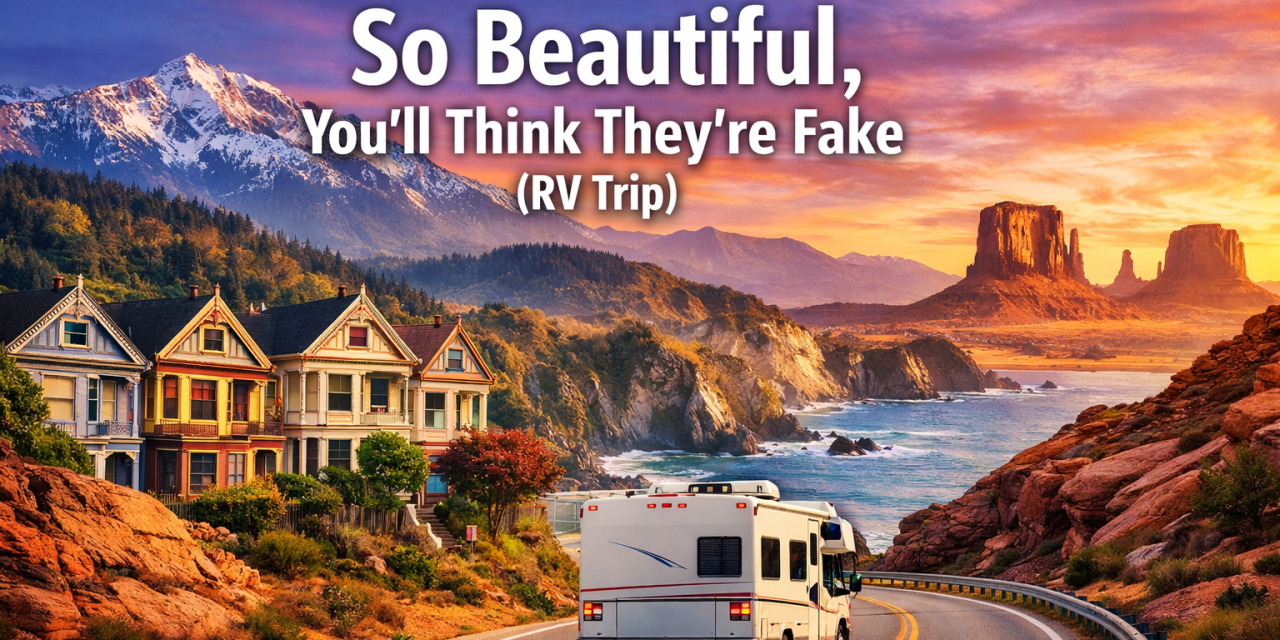
These 10 U.S. cities offer scenery so stunning that RV travelers often question if they’re real. From Savannah’s moss-draped squares to Sedona’s red rock formations, these destinations combine natural beauty with RV-accessible infrastructure. The best time to visit varies by location, but spring and fall typically offer ideal weather and fewer crowds for RV enthusiasts exploring these remarkable cities.
What Makes These Cities Perfect for an RV Adventure?
These cities combine extraordinary visual appeal with practical RV accessibility, offering dedicated campgrounds and parking facilities near main attractions. RV travelers can experience world-class beauty without sacrificing the convenience and comfort of their mobile homes.
The infrastructure supporting RV tourism has expanded significantly across the United States. Many of these stunning destinations now feature:
- Full-service RV parks with hookups, Wi-Fi, and amenities within 10-30 minutes of city centers
- Dump stations and water refill locations strategically placed for easy access
- Wide parking areas at popular attractions designed to accommodate larger vehicles
- Clear signage indicating RV-friendly routes and height restrictions
- Seasonal campground options ranging from budget-friendly to luxury resort-style facilities
According to RVshare, the best RV destinations in the United States combine natural beauty with practical amenities that make extended stays comfortable and convenient [1]. When planning your route, consider the distance between cities and available overnight options.
Common mistake: Many RV travelers underestimate the need for advance reservations during peak seasons. Popular destinations like those on this list often book up 3-6 months ahead, especially during their most beautiful seasons.
Choose these cities if you want Instagram-worthy scenery combined with the freedom to explore at your own pace without hotel check-in times or luggage restrictions.
The 10 Most Beautiful Cities for Your RV Journey
1. Savannah, Georgia – Southern Elegance Frozen in Time
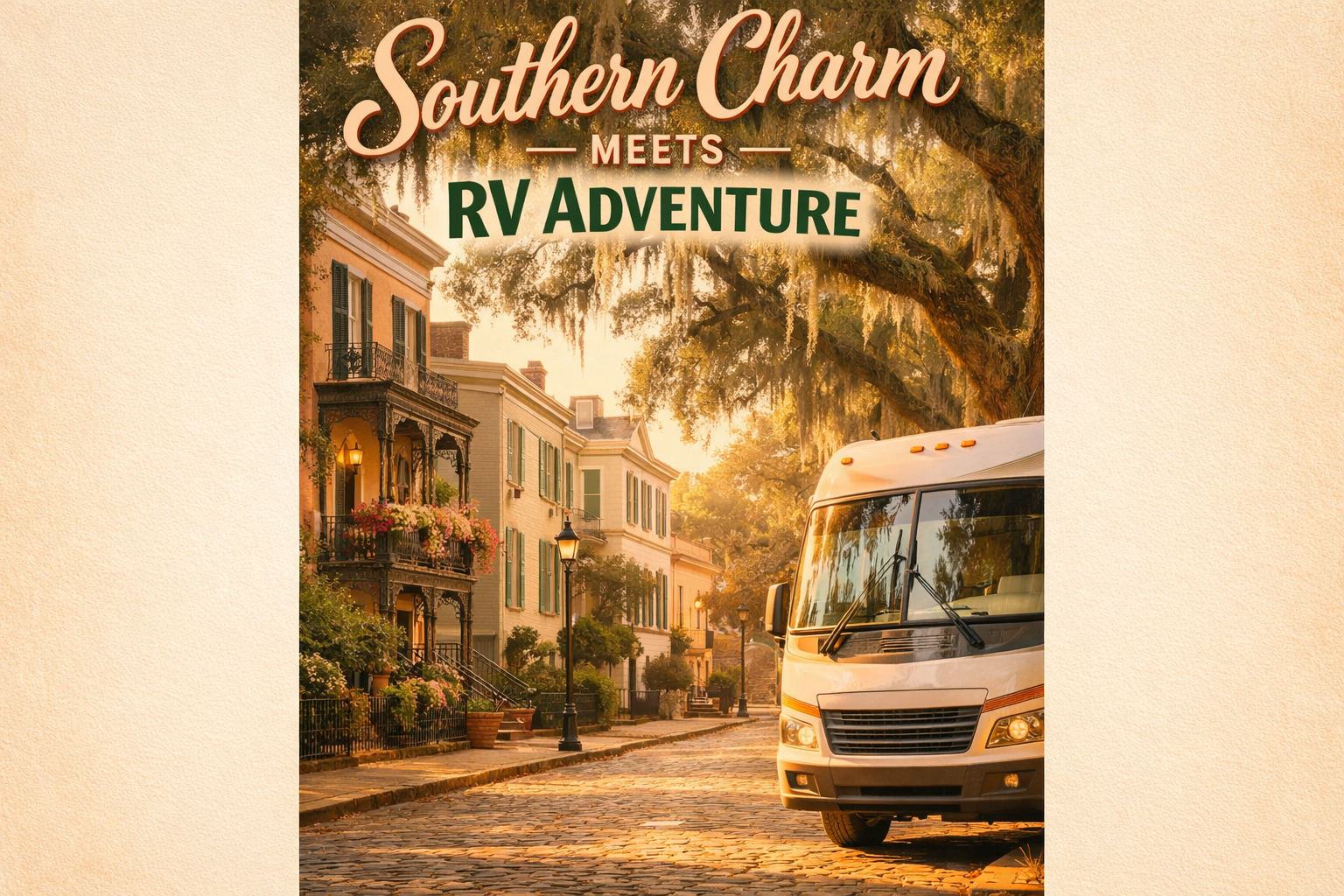
Savannah’s historic district features 22 park-like squares surrounded by antebellum architecture, Spanish moss-draped oak trees, and cobblestone streets that create an almost dreamlike atmosphere. The city’s preservation efforts have maintained its 18th and 19th-century charm while adding modern RV-friendly amenities.
Why it feels fake: The perfectly manicured squares, pastel-colored mansions, and cascading Spanish moss create scenes that look more like movie sets than real neighborhoods. In fact, Savannah has served as the backdrop for numerous films precisely because of its unreal beauty.
RV considerations:
- Skidaway Island State Park offers full hookups 20 minutes from downtown
- Red Gate Farms RV Park provides shuttle service to historic district
- Street parking for RVs is limited; use designated lots or park at campground and use rideshare
- Best visiting months: March-May and September-November for mild weather
Pro tip: Book walking tours that depart from near RV parking areas to maximize your exploration time without moving your rig repeatedly.
2. Sedona, Arizona – Red Rock Wonderland
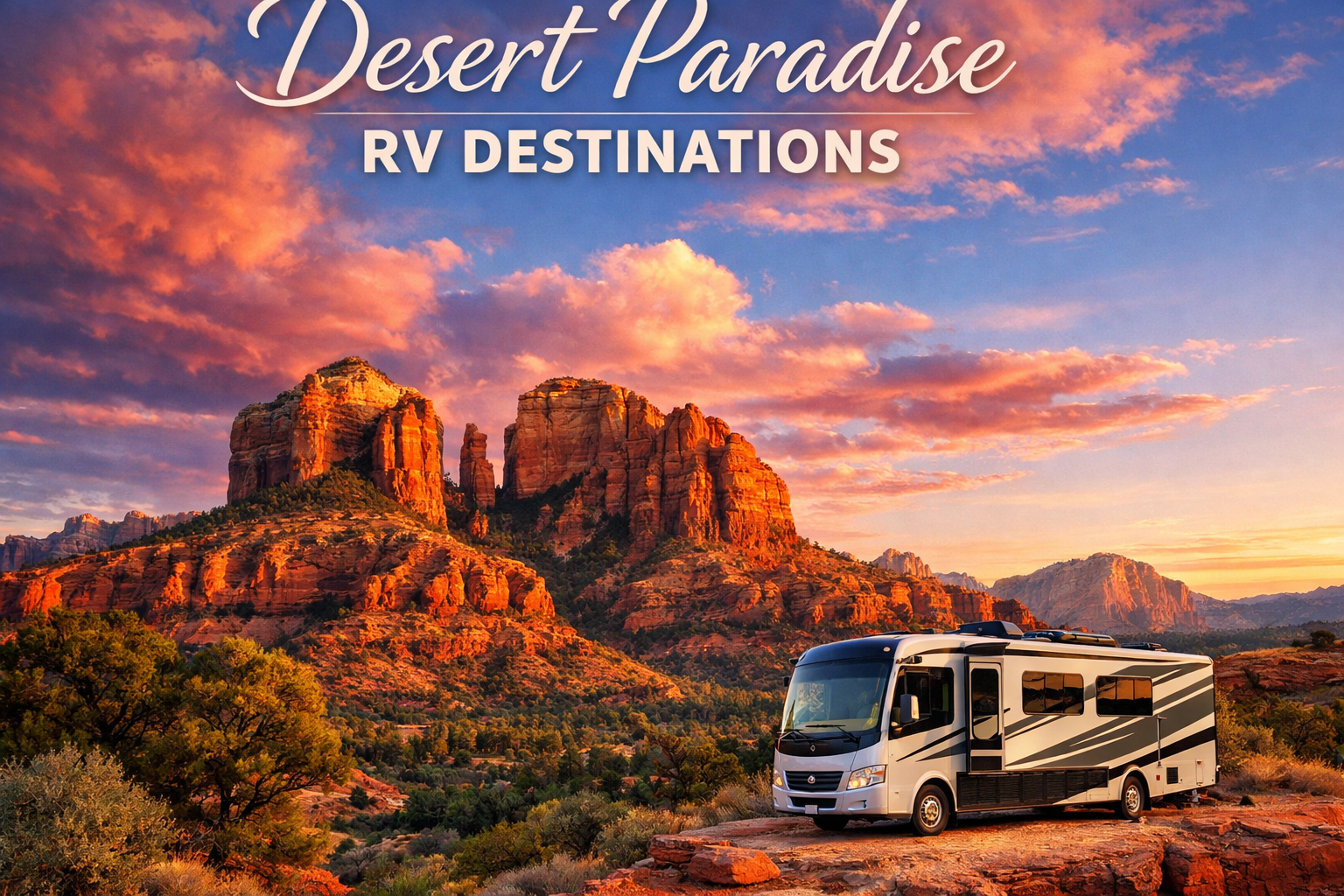
Sedona’s towering red sandstone formations create a landscape so vibrant and dramatic that first-time visitors often think photos have been enhanced. The contrast between rust-colored rocks and bright blue skies produces natural scenery that rivals any digitally created image.
The area offers some of the most spectacular RV camping in the Southwest [1]. Cathedral Rock, Bell Rock, and Devil’s Bridge provide iconic photo opportunities accessible via well-marked trails.
RV highlights:
- Rancho Sedona RV Park sits directly in town with red rock views from sites
- Dispersed camping available on nearby Forest Service roads (free but no hookups)
- Most attractions accessible via RV-friendly roads
- Peak beauty: September-November and March-May
Important note: Summer temperatures regularly exceed 100°F, making spring and fall ideal for comfortable RV camping.
3. Charleston, South Carolina – Coastal Colonial Charm
Charleston’s Rainbow Row, historic mansions, and waterfront views combine to create one of America’s most photogenic cities. The pastel-painted Georgian houses along East Bay Street look like they belong in a storybook rather than reality.
What sets it apart: The blend of coastal marshlands, historic architecture, and Southern hospitality creates an atmosphere that feels both timeless and surreal. Horse-drawn carriages clip-clopping past centuries-old buildings add to the fairy-tale quality.
RV planning:
- Oak Plantation Campground located 15 minutes from downtown
- James Island County Park offers waterfront sites and easy city access
- Downtown street parking challenging for RVs; use park-and-ride options
- Optimal months: March-May and October-November
4. Aspen, Colorado – Alpine Paradise
Aspen delivers postcard-perfect mountain scenery with Victorian-era buildings nestled among snow-capped peaks and golden aspen groves. The town’s elevation at 8,000 feet creates crystal-clear air that makes colors appear more vivid than at sea level.
Seasonal magic: Fall transforms the surrounding mountains into a golden wonderland when aspen trees change color, typically late September through early October. This brief window attracts photographers and nature lovers from around the world.
RV details:
- Difficult Campground (Forest Service) offers basic sites near town
- Aspen-Basalt Campground provides more amenities 20 miles away
- Mountain roads require careful navigation with larger RVs
- Best for smaller rigs (under 30 feet recommended)
- Prime visiting: Late September for fall colors, June-August for summer hiking
Edge case: Winter visits require winter-rated RVs and experience with snow driving. Many campgrounds close November through April.
5. Santa Fe, New Mexico – Adobe Artistry
Santa Fe’s distinctive Pueblo Revival architecture creates a cityscape unlike anywhere else in America. The earth-toned adobe buildings, bright blue skies, and surrounding high desert landscape produce a color palette that seems too perfect to be natural.
The city sits at 7,000 feet elevation, contributing to its famously clear light that has attracted artists for over a century. The combination of Native American, Spanish, and Anglo influences creates visual diversity within a cohesive architectural style.
RV advantages:
- Rancheros de Santa Fe Campground offers full hookups near Plaza
- Santa Fe Skies RV Park features mountain views and easy highway access
- Many galleries and museums have RV-accessible parking
- Ideal months: May-June and September-October
6. Bar Harbor, Maine – Coastal New England Perfection
Bar Harbor serves as the gateway to Acadia National Park, combining quaint harbor village charm with dramatic coastal scenery. Rocky shorelines, lobster boats, Victorian cottages, and mountain-meets-ocean vistas create scenes straight from a New England travel brochure.
Unreal elements: The combination of Cadillac Mountain (the highest point on the Atlantic coast), Thunder Hole’s crashing waves, and Jordan Pond’s mirror-like reflections produces natural beauty that seems carefully curated rather than randomly formed.
RV specifics:
- Blackwoods Campground in Acadia National Park (reservations essential)
- Bar Harbor Campground offers full hookups close to town
- RV length restrictions on some park roads (check before visiting)
- Peak season: September-October for fall colors and fewer crowds
- Summer (June-August) extremely busy; book 6+ months ahead
7. Carmel-by-the-Sea, California – Coastal European Fantasy
Carmel’s fairy-tale cottages, white sand beaches, and cypress-lined coastline create a Mediterranean atmosphere on California’s coast. The town’s strict architectural guidelines have preserved its storybook character, with buildings that look imported from the English countryside or French Riviera.
Why it seems unreal: The deliberate absence of street addresses, parking meters, and chain restaurants maintains an otherworldly charm. Combined with Pebble Beach’s famous Lone Cypress and 17-Mile Drive, the area offers continuous visual splendor.
RV considerations:
- Saddle Mountain RV Park in Carmel Valley (15 minutes inland)
- Veterans Memorial Park in Monterey offers closer access
- Downtown Carmel has strict RV parking limitations
- Best approach: Park RV and explore via car or bike
- Optimal timing: April-May and September-October
8. Telluride, Colorado – Box Canyon Beauty
Telluride sits in a box canyon surrounded by 14,000-foot peaks, creating a natural amphitheater of mountain grandeur. Bridal Veil Falls, Colorado’s tallest free-falling waterfall, cascades 365 feet down the canyon wall visible from town.
The Victorian-era main street leads directly to mountain vistas that seem too perfectly framed to be accidental. The town’s remote location (no highway passes through it) has preserved its authentic character while adding modern amenities.
RV logistics:
- Town Park Campground offers in-town sites (lottery system for peak dates)
- Sunshine Campground provides Forest Service sites nearby
- Mountain roads steep and winding; not recommended for rigs over 35 feet
- Best months: June-September for accessibility; late September for fall colors
Decision rule: Choose Telluride if you have a smaller RV and experience with mountain driving. Opt for Aspen if you need easier access with a larger rig.
9. Mackinac Island, Michigan – Victorian Time Capsule
Mackinac Island’s ban on automobiles creates a unique atmosphere where horse-drawn carriages and bicycles provide all transportation. Victorian-era architecture, the Grand Hotel’s 660-foot porch, and views of the Straits of Mackinac combine to create scenes from another era.
Special considerations for RV travelers: You cannot bring your RV onto the island itself. Instead, park at mainland campgrounds and take the ferry across for day trips or overnight stays in island hotels.
RV approach:
- Mackinaw Mill Creek Camping in Mackinaw City (ferry departure point)
- Straits State Park offers waterfront camping nearby
- Ferry ride takes 15-20 minutes
- Peak beauty: Late May-early June (lilac festival) and September-October
This works if: You’re comfortable leaving your RV for a day or two to experience the island’s unique car-free environment.
10. Moab, Utah – Red Desert Drama
Moab serves as the basecamp for Arches and Canyonlands National Parks, offering access to some of Earth’s most surreal geological formations. Delicate Arch, Mesa Arch, and countless other sandstone features create landscapes that look more like alien planets than earthly destinations.
According to travel experts, Utah’s desert destinations rank among the most visually stunning places in the United States [2]. The area’s unique geology, formed over millions of years, produces shapes and colors that seem impossible.
RV paradise features:
- Numerous campgrounds both in national parks and surrounding BLM land
- Moab Valley RV Resort offers full hookups with red rock views
- Dispersed camping available on public lands (free, no services)
- Most park roads accommodate RVs, though some have length restrictions
- Best timing: March-May and September-November (summer extremely hot)
Pro strategy: Visit during shoulder seasons for comfortable temperatures and better campground availability. Summer temperatures often exceed 100°F, making RV camping uncomfortable without significant air conditioning.
How to Plan Your RV Route Through These Beautiful Cities
Start by grouping cities geographically and seasonally to maximize efficiency and visual impact. A well-planned route considers distance, seasonal beauty peaks, and campground availability to create a seamless journey.
Regional Groupings for Efficient Travel
Southwest Desert Loop (2-3 weeks):
- Sedona → Moab → Telluride
- Best season: September-October
- Total driving: Approximately 800 miles
- Highlights: Red rocks, canyons, mountain peaks
Southern Charm Circuit (2 weeks):
- Savannah → Charleston
- Best season: March-May or October-November
- Total driving: Approximately 110 miles
- Highlights: Historic architecture, coastal beauty
New England Coastal Tour (2-3 weeks):
- Bar Harbor → Mackinac Island (with stops between)
- Best season: September-October
- Total driving: Approximately 1,200 miles
- Highlights: Fall foliage, coastal scenery
California Coast Adventure (1-2 weeks):
- Carmel-by-the-Sea with Big Sur extension
- Best season: April-May or September-October
- Highlights: Coastal cliffs, beaches, cypress forests
Booking Strategy for Peak Seasons
National parks and popular RV destinations require advance planning. Here’s a realistic timeline:
- 6 months ahead: Book campgrounds in national parks and popular state parks
- 3 months ahead: Reserve private RV parks in high-demand cities
- 1 month ahead: Finalize route details and backup campground options
- 2 weeks ahead: Confirm all reservations and check for road closures
Common mistake: Assuming you can find campground spots upon arrival during peak seasons. Popular destinations like Bar Harbor, Moab, and Sedona fill up months in advance during their best weather windows.
What RV Amenities Should You Expect in These Cities?
Most cities on this list offer a range of RV accommodations from basic dry camping to luxury resorts with full hookups and premium amenities. Understanding what’s available helps set realistic expectations and budget accordingly.
Typical Amenity Levels
| Amenity Level | What’s Included | Average Cost (2026) | Best For |
|---|---|---|---|
| Dispersed/BLM | No hookups, no facilities | Free | Self-sufficient RVers, boondocking experience |
| Basic Campground | Water, dump station, restrooms | $20-35/night | Budget travelers, short stays |
| Standard RV Park | Full hookups, Wi-Fi, showers | $45-75/night | Most RV travelers, extended stays |
| Premium Resort | Full hookups, pool, activities, concierge | $80-150/night | Luxury travelers, special occasions |
Choose dispersed camping if: You have solar panels, adequate water storage, and enjoy solitude away from crowds.
Choose premium resorts if: You’re celebrating a special occasion, want resort amenities, or plan to stay in one location for an extended period.
Essential Services to Look For
When booking campgrounds near these beautiful cities, prioritize these features:
- Reliable Wi-Fi for remote work or staying connected
- Adequate spacing between sites for privacy
- Level sites to avoid uncomfortable sleeping angles
- Shade in hot climates (crucial in Sedona, Moab, Santa Fe)
- Security in urban locations (Savannah, Charleston)
- Proximity to attractions balanced with peaceful surroundings
When Is the Best Time to Visit These Beautiful Cities in Your RV?
Each city offers peak beauty during specific seasons, and timing your visit correctly dramatically enhances the visual experience. Weather, crowds, and natural phenomena like fall foliage or wildflower blooms should guide your scheduling.
Seasonal Planning Guide
Spring (March-May):
- Best for: Savannah, Charleston, Santa Fe, Carmel
- Why: Mild temperatures, blooming flowers, fewer crowds than summer
- Avoid: Mountain destinations still experiencing snow
Summer (June-August):
- Best for: Bar Harbor, Mackinac Island, Aspen, Telluride
- Why: Mountain destinations accessible, longest daylight hours
- Avoid: Desert locations (Sedona, Moab, Santa Fe) due to extreme heat
Fall (September-November):
- Best for: Bar Harbor, Aspen, Telluride, Sedona, Moab
- Why: Fall foliage, comfortable temperatures, stunning light
- Peak crowds: Mid-September through mid-October in foliage areas
Winter (December-February):
- Best for: Savannah, Charleston (mild winters)
- Avoid: Mountain destinations unless equipped for snow
- Bonus: Significantly lower campground rates and fewer tourists
Pro tip: Shoulder seasons (April-May and September-October) offer the best combination of good weather, manageable crowds, and reasonable campground availability across most destinations.
How Much Does an RV Trip to These Cities Cost?

A two-week RV trip visiting 3-4 of these cities typically costs $1,500-$4,000 depending on fuel prices, campground choices, and dining preferences. Breaking down expenses helps create a realistic budget.
Cost Breakdown for a 2-Week Trip
Fuel: $400-800
- Depends on RV size, fuel efficiency, and current gas prices
- Assume 8-12 MPG for Class A, 10-14 MPG for Class C, 12-18 MPG for travel trailers
Campgrounds: $500-1,500
- 14 nights at $35-100 per night
- Mix of basic and standard campgrounds reduces costs
Food: $300-800
- Cooking in RV versus dining out makes significant difference
- Local specialties worth budgeting for (lobster in Bar Harbor, etc.)
Attractions: $200-600
- National park passes ($80 annual pass covers multiple parks)
- Museum admissions, tours, activities
Miscellaneous: $100-300
- Propane refills, dump station fees, laundry, souvenirs
Money-saving strategies:
- Purchase America the Beautiful Annual Pass if visiting multiple national parks
- Cook breakfast and lunch in RV, dine out for dinner only
- Use Good Sam or other RV club discounts (typically 10% off campgrounds)
- Visit free attractions like historic districts, scenic viewpoints, and beaches
What Are the Biggest Challenges RVing to These Beautiful Cities?
Urban navigation, parking limitations, and seasonal campground availability present the main challenges when RVing to picturesque cities. Anticipating these obstacles allows you to plan effective solutions.
Common Obstacles and Solutions
Challenge 1: Downtown parking restrictions
- Solution: Park RV at campground, use tow vehicle, rideshare, or public transit
- Cities most affected: Savannah, Charleston, Carmel, Santa Fe
Challenge 2: Mountain road navigation
- Solution: Research route grades and switchbacks; consider smaller tow vehicle for sightseeing
- Cities most affected: Aspen, Telluride, parts of Bar Harbor
Challenge 3: Campground availability during peak seasons
- Solution: Book 3-6 months ahead; have backup options; consider weekday visits
- Cities most affected: Bar Harbor, Moab, Sedona
Challenge 4: RV length restrictions
- Solution: Know your rig dimensions; research specific park roads before visiting
- Cities most affected: Acadia National Park (Bar Harbor), some Telluride routes
Challenge 5: Weather extremes
- Solution: Visit during shoulder seasons; ensure RV has adequate heating/cooling
- Cities most affected: Moab and Sedona (summer heat), mountain towns (winter snow)
Edge case: If you have a large Class A motorhome (over 35 feet), some destinations require extra planning. Telluride and Aspen may be impractical for the largest rigs, while Moab and Savannah accommodate all sizes more easily.
FAQ
Can you take an RV to all of these beautiful cities? Yes, all ten cities have nearby RV campgrounds, though some (like Mackinac Island) require parking on the mainland and taking alternative transportation to the actual destination. Larger RVs may face restrictions on certain mountain roads.
Which city is most RV-friendly for beginners? Moab, Utah offers the most straightforward RV experience with numerous campgrounds, easy navigation, and RV-accessible attractions. Savannah also works well for beginners if you’re comfortable parking your RV and exploring the historic district on foot or via rideshare.
Do I need reservations for campgrounds in these cities? Yes, especially during peak seasons (summer for northern destinations, spring and fall for southern and desert locations). Book 3-6 months ahead for popular dates. Some dispersed camping areas operate first-come, first-served but fill quickly.
What size RV works best for visiting these cities? RVs under 30 feet offer the most flexibility, especially in mountain destinations like Aspen and Telluride. However, most cities accommodate larger rigs if you plan carefully and choose appropriate campgrounds and routes.
Are these cities expensive for RV travelers? Costs vary significantly. Dispersed camping near Moab can be free, while premium RV resorts near Carmel may cost $100+ per night. Budget $50-75 per night for decent campgrounds with full hookups in most locations.
Can you visit multiple cities in one trip? Absolutely. Group cities by region (Southwest desert, Southern coast, New England, etc.) to minimize driving. A 2-3 week trip can comfortably include 3-4 cities with time to enjoy each destination.
What’s the best route for first-time RVers? Start with the Southern Charm Circuit (Savannah to Charleston) for manageable distances, easy navigation, and excellent RV infrastructure. This builds confidence before tackling mountain or remote desert destinations.
Do these cities have RV dump stations? Most have dump stations either at campgrounds or public facilities. Some cities offer free dump stations at visitor centers or waste treatment facilities. Apps like Sanidumps help locate options.
Is it safe to leave your RV at campgrounds while sightseeing? Generally yes, especially at established campgrounds with regular staff presence. Use common sense security measures: lock doors, secure valuables inside, and consider a hitch lock if you have a travel trailer.
What’s the biggest mistake RV travelers make visiting these cities? Underestimating parking challenges in historic downtowns and not booking campgrounds far enough in advance. Many travelers also try to rush through multiple cities without allowing enough time to truly experience each destination.
Can you work remotely from RV campgrounds in these cities? Most modern RV parks offer Wi-Fi, though quality varies. For reliable connectivity, consider campgrounds specifically advertising high-speed internet or use cellular hotspots. Research connectivity before booking if remote work is essential.
Are pets allowed at campgrounds near these beautiful cities? Most campgrounds welcome pets with size and breed restrictions varying by location. National park campgrounds typically allow pets in camping areas but restrict them on many trails. Always verify pet policies when booking.
Conclusion

The 10 U.S. cities featured in this guide prove that you don’t need to travel internationally to experience breathtaking, almost unbelievable beauty. From Savannah’s moss-draped squares to Moab’s otherworldly red rocks, these destinations offer RV travelers the perfect combination of stunning scenery and practical accessibility.
Your next steps: Choose a regional grouping that matches your schedule and interests. Start by booking campgrounds for your target dates, especially if traveling during peak seasons. Research RV-specific logistics for each city, including parking options, road restrictions, and nearby services.
Remember that the journey matters as much as the destinations. The freedom of RV travel allows you to adjust your schedule, discover unexpected gems along the way, and truly immerse yourself in each location’s unique beauty. These cities may look fake in their perfection, but the memories you’ll create exploring them in your RV will be absolutely real.
Whether you’re planning a two-week adventure or a months-long exploration of America’s most beautiful cities, proper preparation ensures a smooth, enjoyable experience. Start planning today, and soon you’ll be parking your RV with views that seem too beautiful to be true.
References
[1] Best Rv Destinations The United States – https://rvshare.com/blog/best-rv-destinations-the-united-states/
[2] Best Places United States – https://www.nomadicmatt.com/travel-blogs/best-places-united-states/