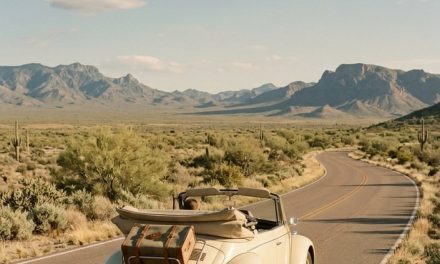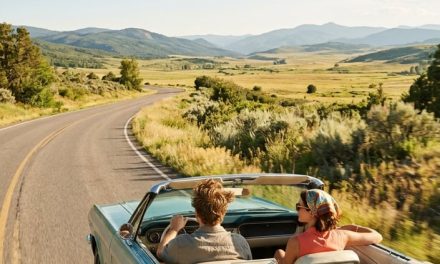
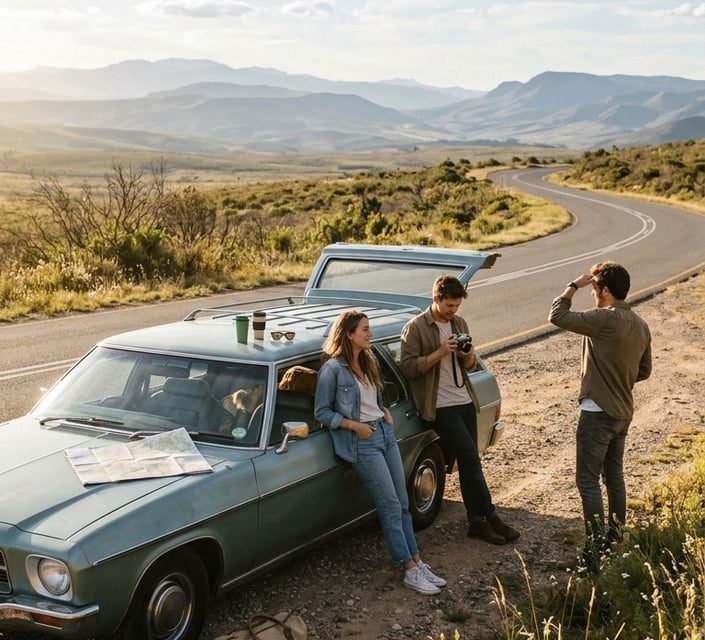
You can give your road trip photo dump a warm, cohesive feel by mixing RV moments, big landscapes, roadside details, and candid memories. Choose a few repeatable colors and capture the small in-between moments that show what your trip felt like.
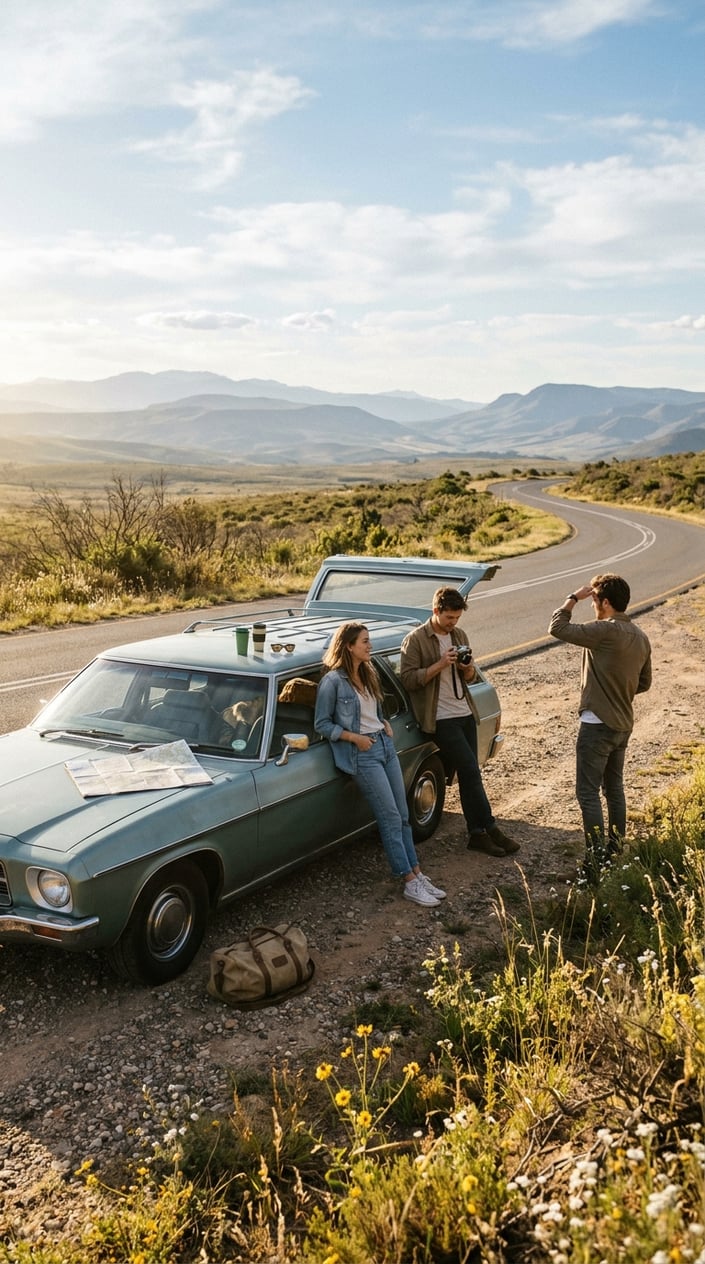
For a relaxed look, use natural light and let familiar travel details tell the story: a paper map on the dashboard, coffee by the window, or dusty boots after a drive. You can keep your photos varied while tying them together with soft colors, consistent editing, and a mix of wide views and close details.
1) Golden-Hour RV Portrait at a Grand Teton Campground
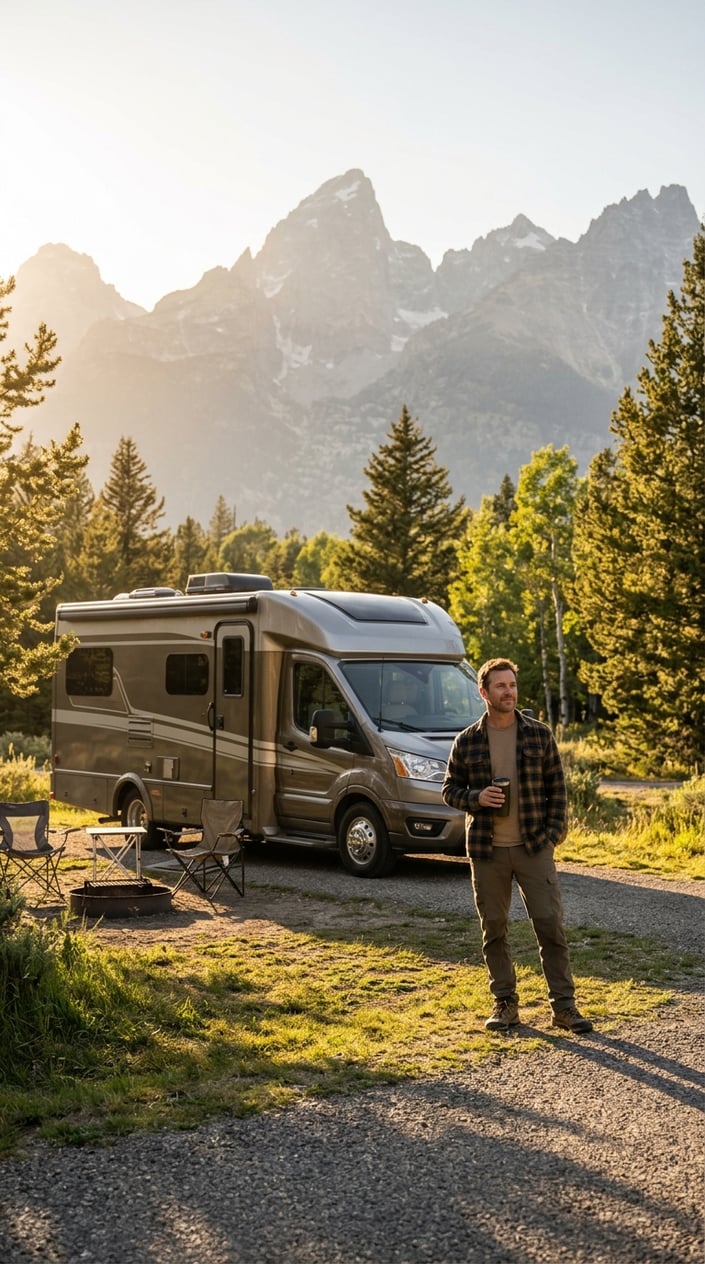
A golden-hour portrait gives your campground memories a soft glow and a strong sense of place. Stand beside your RV with the Teton range behind you, and leave enough space around your figure to show the scale of the mountains. You can turn slightly toward the light so your face stays visible without losing the sunset color.
Choose an outfit in cream, denim, or muted green to complement the natural palette. Keep the RV in the frame as a clear part of the trip, and let the campground details stay relaxed. A few seconds before sunset can shift the light quickly, so have your spot ready and take several frames while the sky is warm.
2) Pacific Coast Highway Views Through the RV Windshield
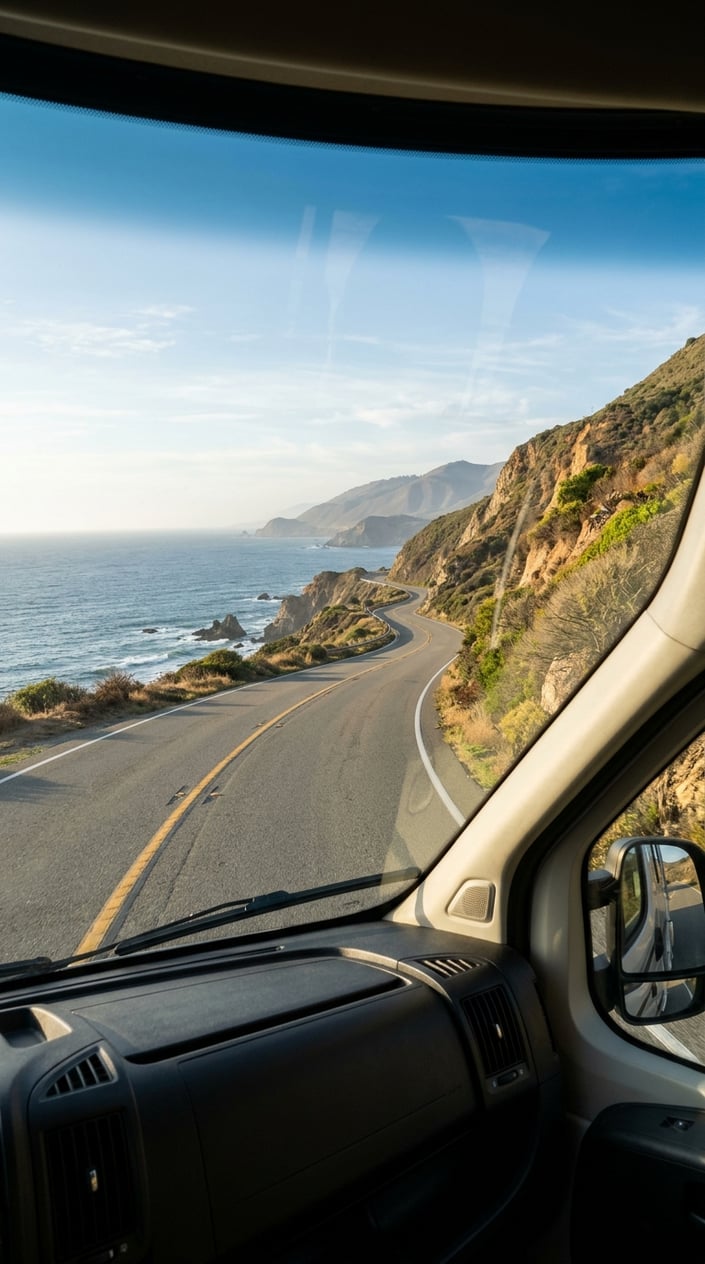
A windshield view captures the feeling of moving through the landscape along the Pacific Coast Highway. Let the road lead toward the cliffs and ocean, with the dashboard forming a subtle foreground. If the windshield has reflections, adjust your position and angle until the coastline remains easy to see.
For a polished travel-journal look, keep the frame simple and let the curves of the highway guide the eye. A passenger can take the photo while the RV is safely parked, or you can wait for a scenic pullout and recreate the view without distracting the driver. Leave a little sky in the frame to balance the deep blue water and coastal rock.
3) An Open RV Door Framing a Monument Valley Sunrise
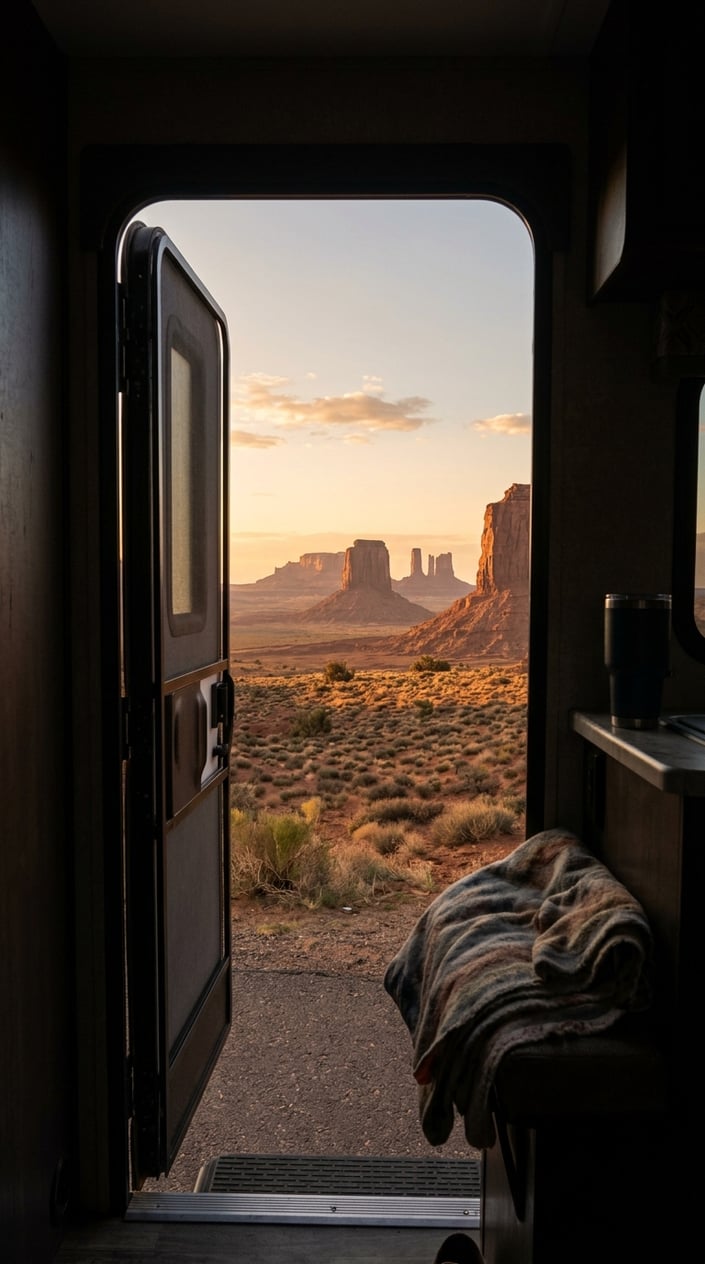
An open RV door creates a natural frame for Monument Valley’s sunrise colors. Position yourself just inside the doorway or leave the interior empty, then let the red rock formations and brightening horizon fill the view beyond it. The doorframe adds depth and shows that this is a lived-in travel moment.
Keep the RV interior dim so the sunrise remains the focus. A blanket or mug near the edge of the frame can add a quiet morning detail, while a clear floor keeps the composition from feeling cluttered. Arrive at your viewing spot with time to settle in, and capture the changing light as the rock shapes become more distinct.
4) Awning-Lit Dinner at Your Campsite
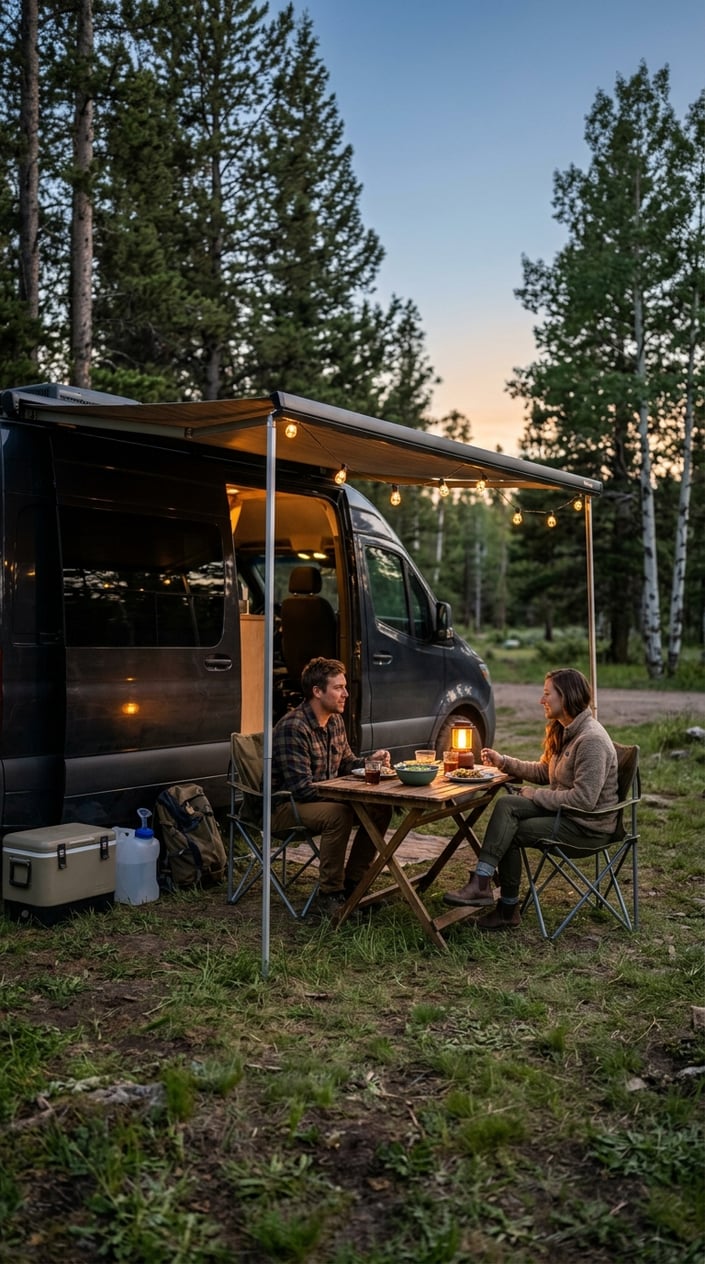
An awning-lit dinner photo brings a cozy campsite scene into your photo dump. Set the table beneath the RV awning and let a warm lantern or string lights illuminate the meal and the people sharing it. Keep a little of the surrounding campsite visible so the picture feels connected to the road trip.
You can make the scene feel natural by leaving a plate partly served or catching a conversation between bites. Use the light from the awning as your main source, and avoid placing a bright lamp directly behind anyone. A simple table setting with enamel plates, a cloth napkin, and food from the day keeps the frame inviting without making dinner feel staged.
5) Coffee Beside a Rain-Streaked RV Window
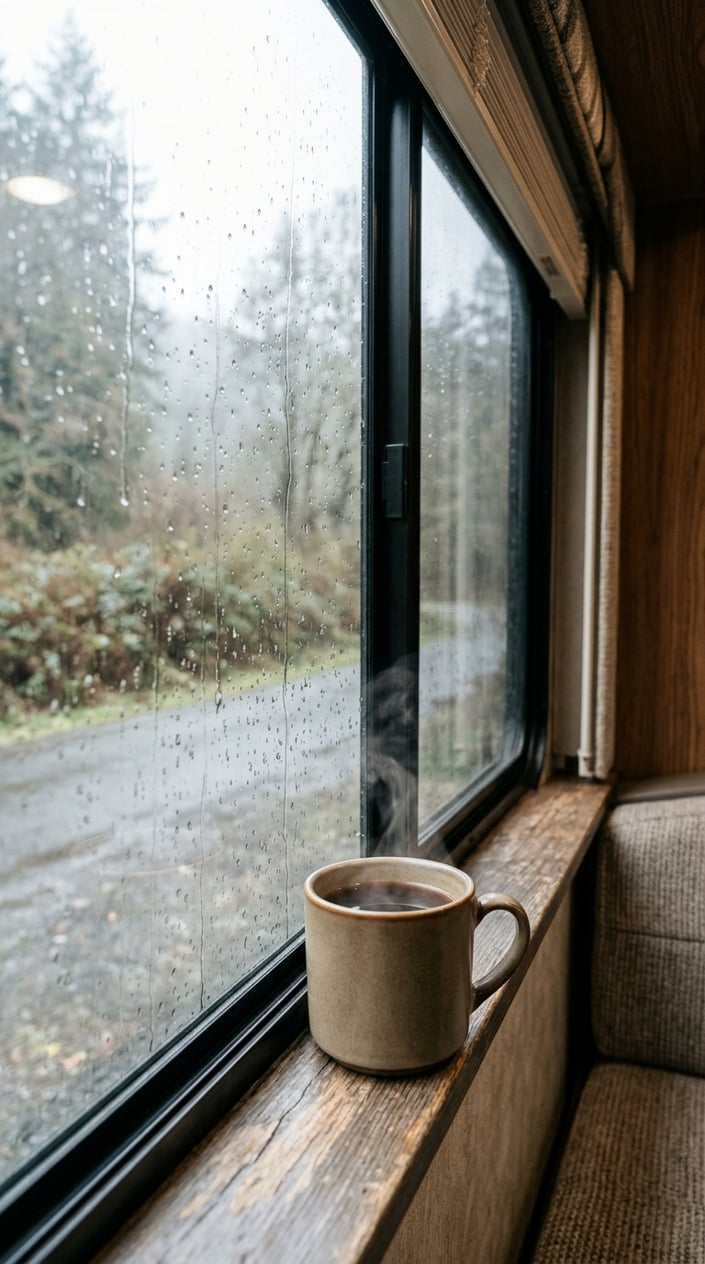
A rainy-window coffee moment gives your travel album a calm pause between scenic drives. Place your mug near the window so the raindrops and blurred view become part of the composition. The contrast between the warm drink and cool gray light makes the RV feel like a snug retreat.
Choose a spot where the window has clear droplets and a view with some shape, such as trees, a campground lane, or distant hills. Keep the mug close enough to show its texture, while leaving space for the water trails on the glass. Soft daylight works well here, so turn off overhead lights if they create glare or reflections across the window.
6) A Route 66 Stop at Delgadillo’s Snow Cap
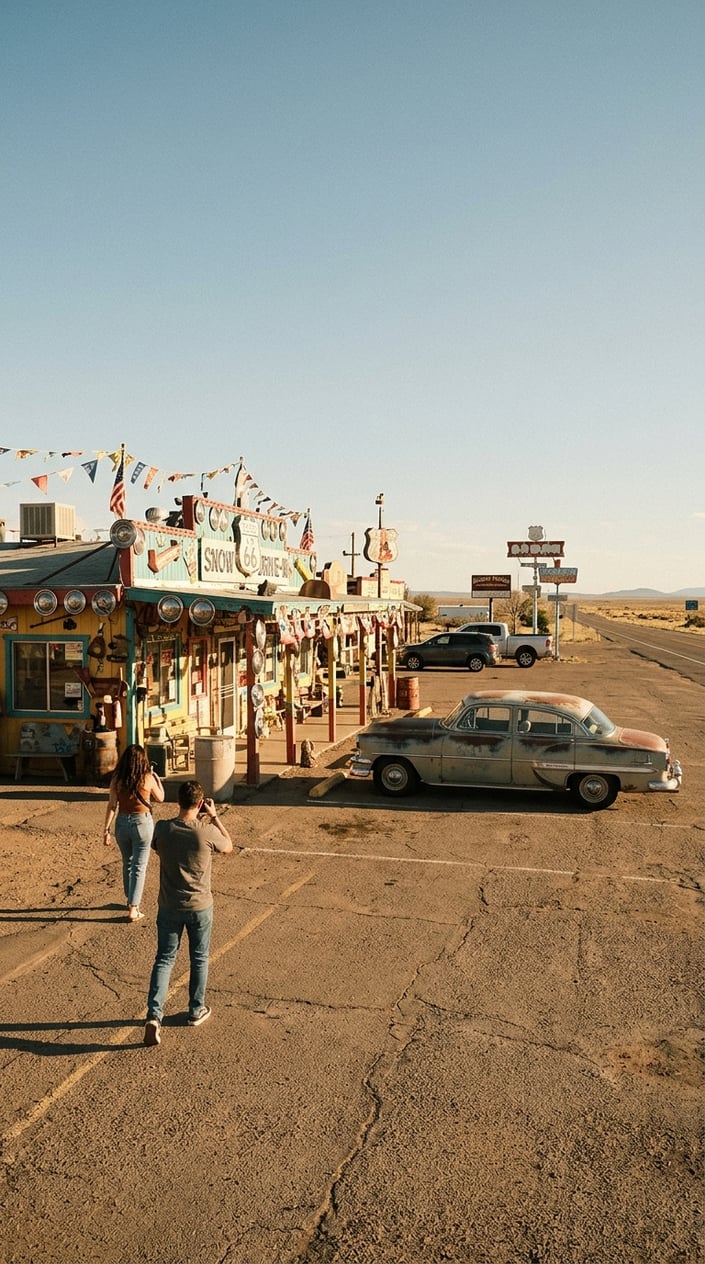
A Route 66 roadside stop adds vintage color and Americana character to your photo dump. Frame the diner’s bright exterior with the parked car or a glimpse of the open road, letting the signs and playful details carry the scene. You can include yourself near the entrance to make the stop feel personal.
Look for small visual details, such as a painted sign, a window display, or a classic roadside feature. A wider frame shows the setting, while a closer one captures the diner’s colors and textures. If the sun is strong, step into open shade to keep the details from looking washed out. Keep the moment candid by capturing your group as you arrive or choose a snack.
7) Wildflowers Along Texas Hill Country’s Willow City Loop
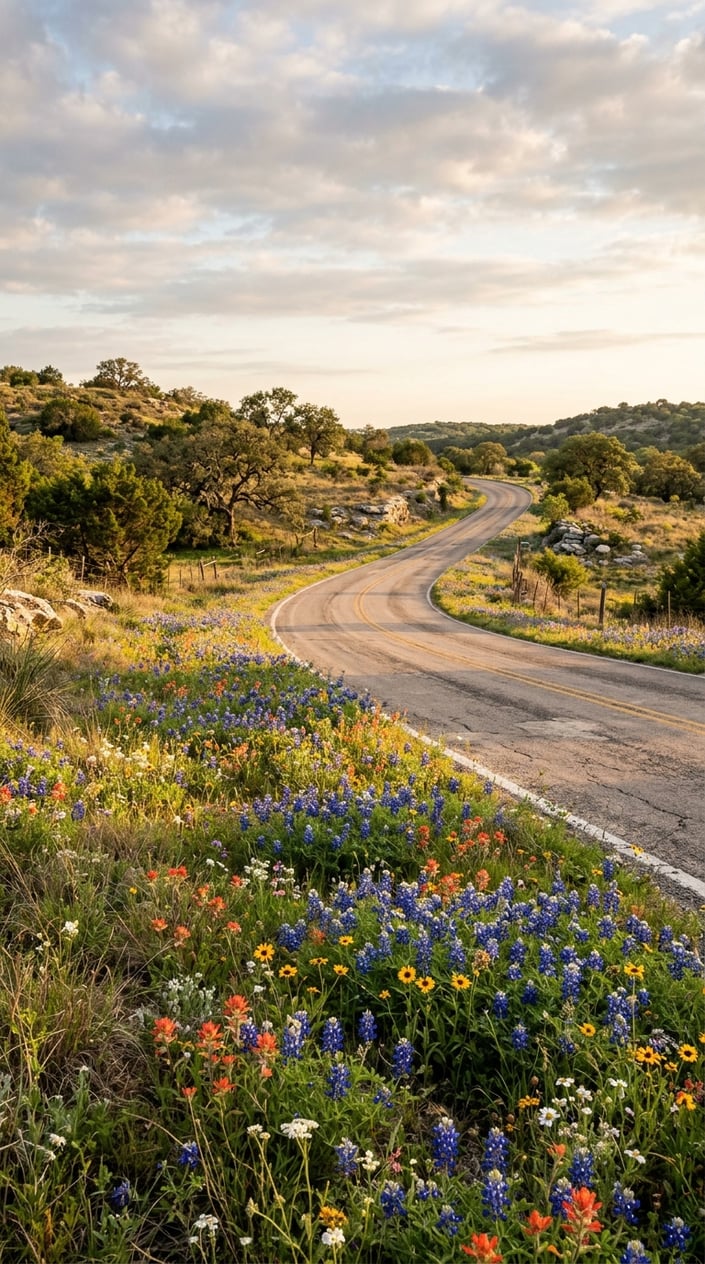
Wildflowers along Willow City Loop bring a bright seasonal touch to your Texas Hill Country photos. Use the curve of the road to lead through the rolling hills, with flowers filling the foreground and distant slopes adding depth. A low viewpoint can make the blooms feel lush without losing the landscape.
If you stop to take pictures, choose a safe pull-off and stay clear of traffic. Keep your frame focused on the roadside scenery, and avoid stepping into fields or onto private land. A small detail, such as a flower beside your parked RV, can pair well with the broader road view. Capture the scene in gentle morning or late-afternoon light for rich color and softer shadows.
8) A Red-Rock Road Reflected in Your RV Side Mirror
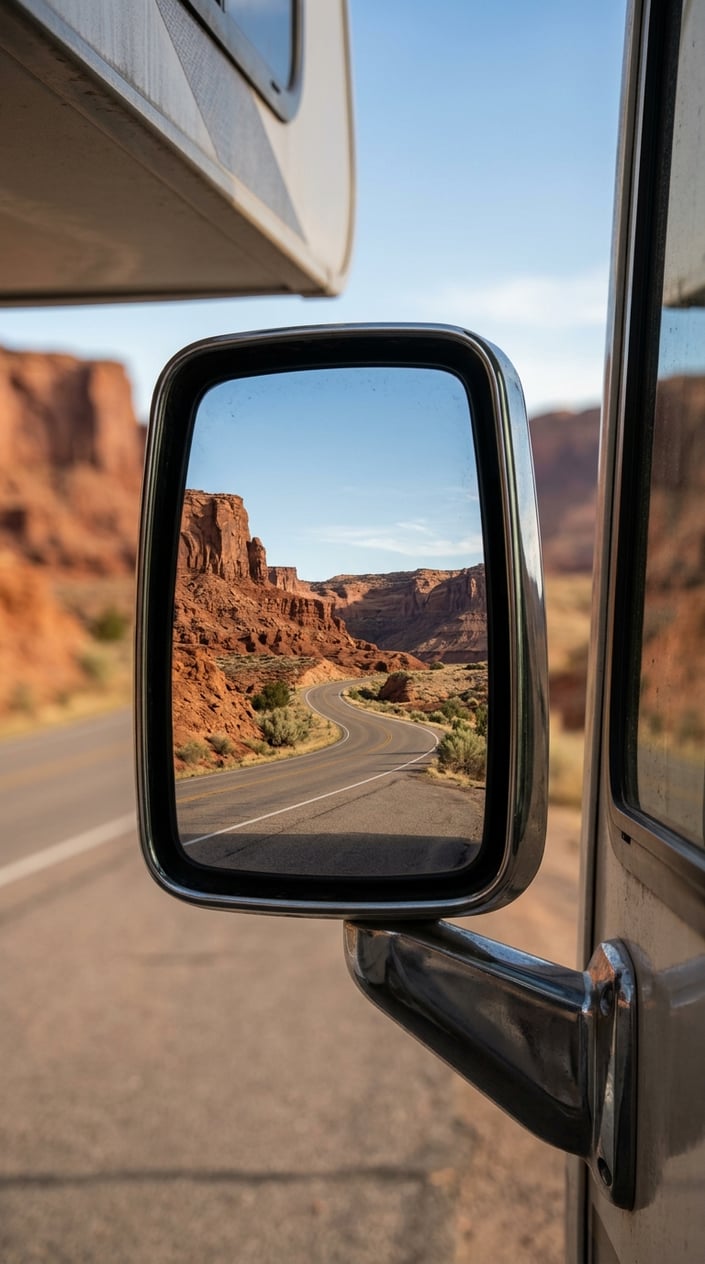
Your RV side mirror can turn a red-rock drive into a compact, layered composition. Place the reflected road and cliffs near the center of the mirror, then include enough of the RV body to make the reflection’s frame clear. The surrounding landscape can stay softly visible beyond the mirror.
Park before composing the picture, and keep yourself out of the roadway while you work. Clean the mirror first so dust and water spots do not distract from the winding route. You can angle the frame to show the red rock colors in both the reflection and the background, creating a sense of travel without needing a person in the scene. This detail also pairs neatly with a wide landscape from the same stop.
9) A Camp-Ready Flat Lay With a Paper Map and Park Pass
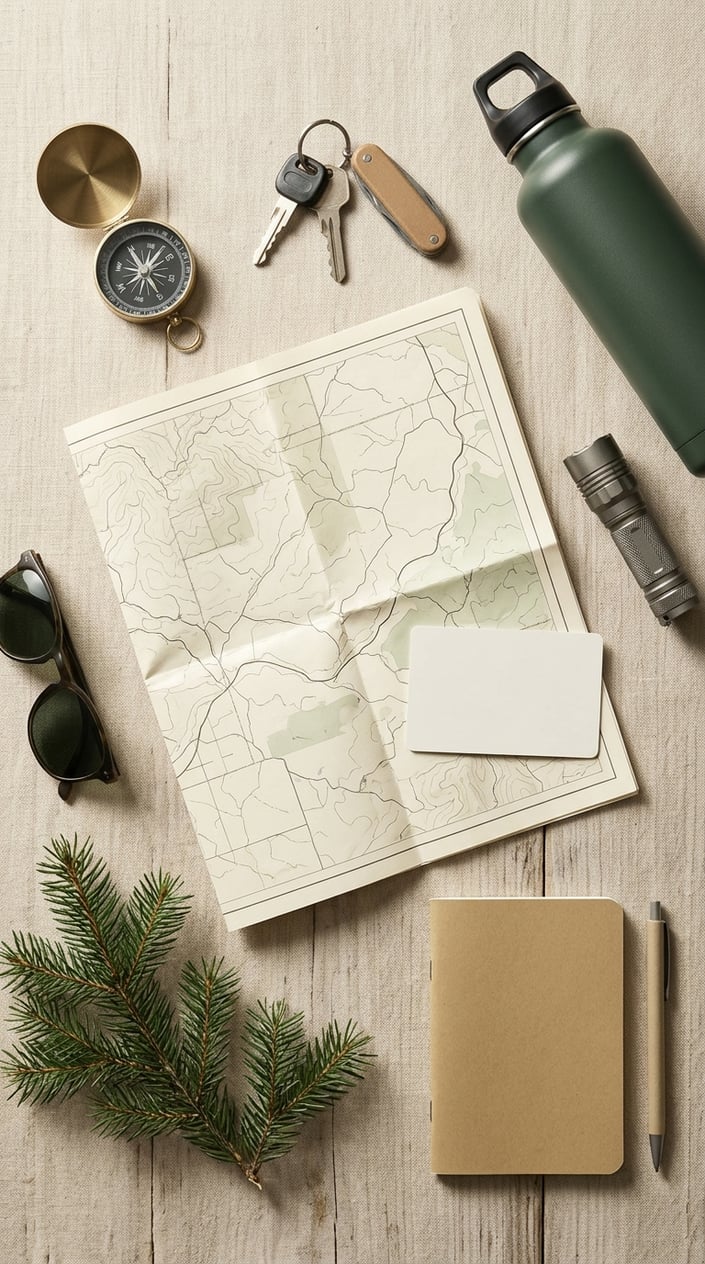
A flat lay of your paper map and park pass gives your photo dump a personal travel-journal detail. Arrange the essentials on a clean surface inside the RV, with the map open to the area you are exploring. Add a small number of items you used that day, such as sunglasses or a reusable water bottle.
Leave some open space so the map remains easy to read and the arrangement feels relaxed. Natural light from a nearby window helps show paper texture and keeps colors soft. You can include a handwritten route note or a folded brochure to make the scene specific to your trip. Keep personal information on passes or paperwork out of view before sharing the photo.
10) Cast-Iron Skillet Breakfast in the RV Kitchen
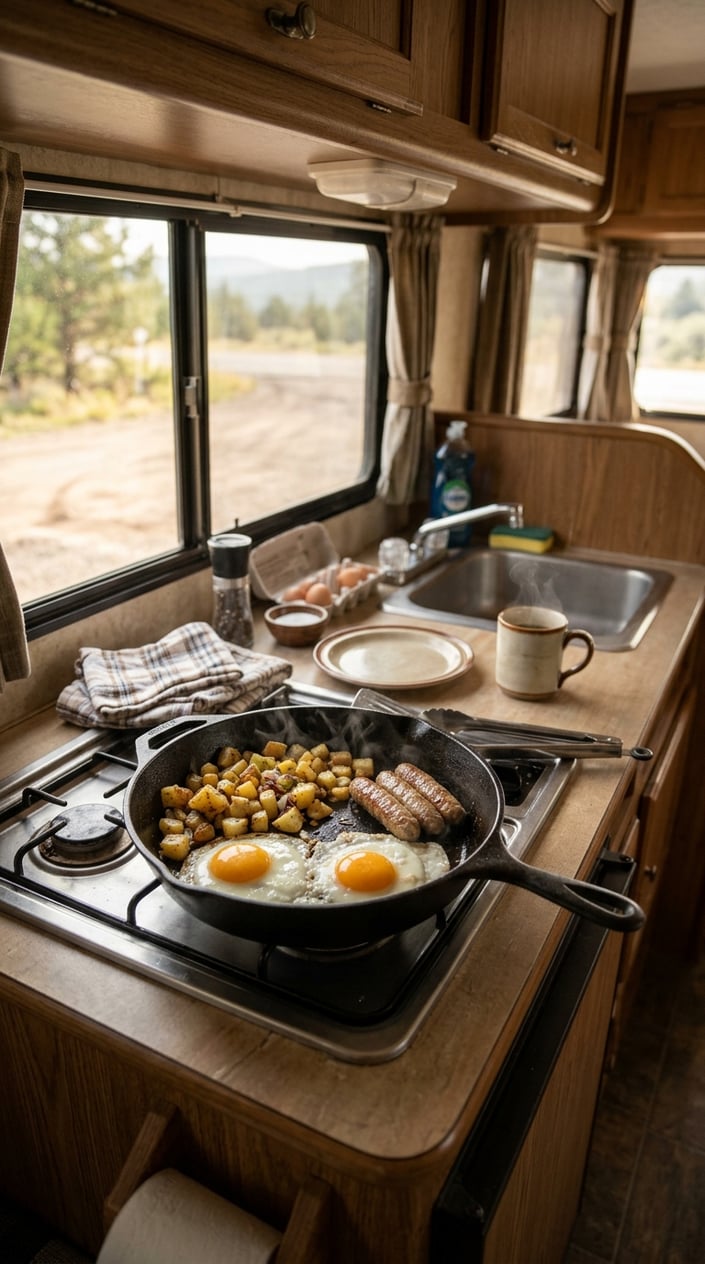
A skillet breakfast shows the cozy, practical side of RV travel. Capture eggs, potatoes, or sausage cooking in the pan, with the compact kitchen visible enough to give context. A little steam and the warm colors of breakfast make the frame feel fresh and lived in.
Keep the camera at a safe distance from the hot skillet, and take the picture while the RV is parked. Clear away extra wrappers and utensils so the food remains the main focus. You can add a plate or mug nearby to show the meal is part of your morning routine. Window light brings out the crisp edges and golden tones, while a close crop keeps the small kitchen from feeling crowded.
11) Camp Chairs and a Lantern at a Blue Ridge Parkway Campsite
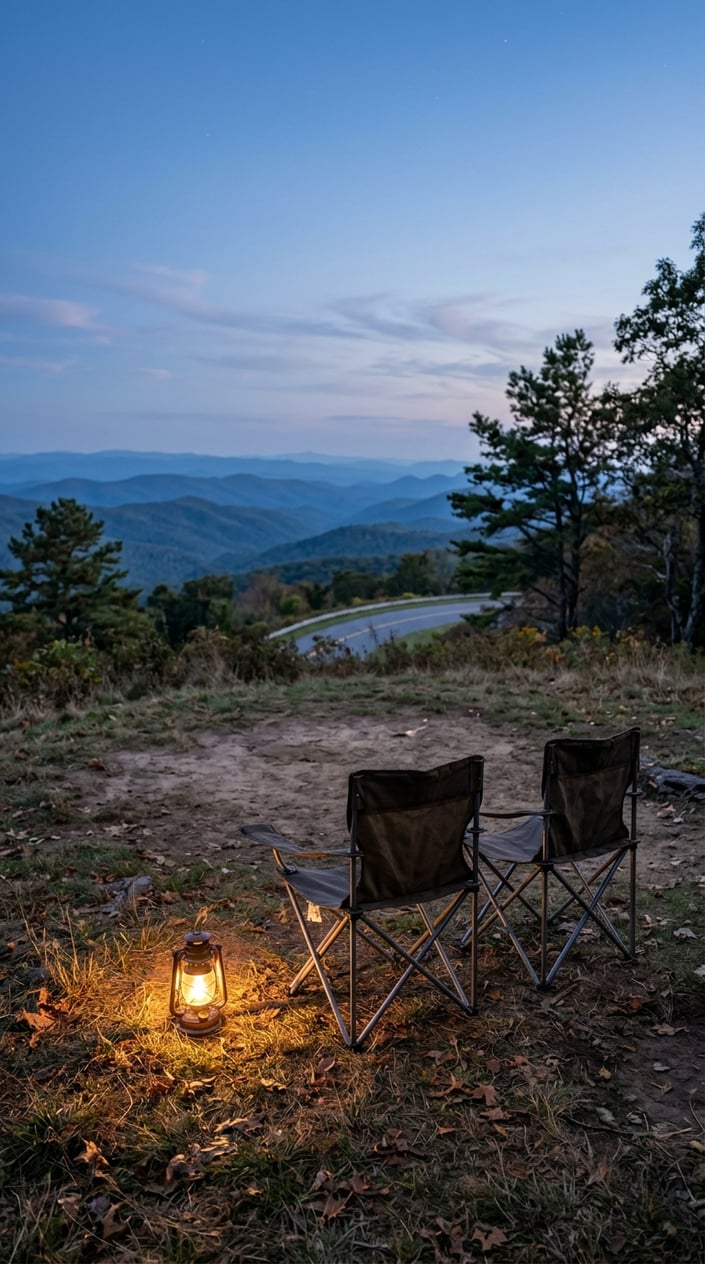
Camp chairs and a glowing lantern make a quiet Blue Ridge Parkway campsite feel welcoming. Set the chairs where the surrounding trees or mountain view remain visible, then place the lantern between them for a warm focal point. The empty seats suggest a pause after a day on the road.
Shoot around dusk, when the sky still holds some color and the lantern has begun to glow. This balance helps preserve details in both the campsite and the light source. Keep the RV nearby in the frame if you want the photo to read clearly as an RV trip. A folded blanket or book can add a small personal touch, while a tidy campsite keeps attention on the chairs and view.
12) Dusty Boots on the RV Steps After a Scenic Drive
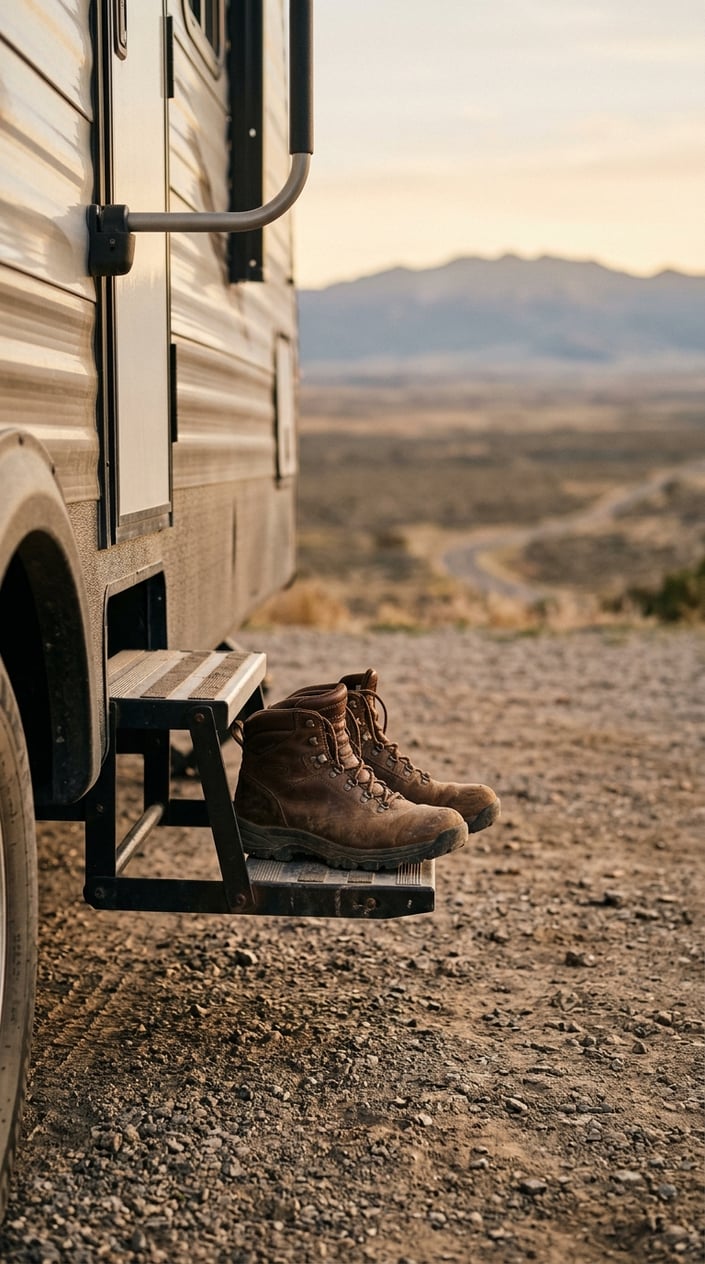
Dusty boots on your RV steps capture the evidence of a day spent exploring. Place the boots where the tread and dust show clearly, then include the open landscape or overlook beyond them. The contrast between the close-up foreground and distant scenery links the hike to your road trip.
You can set the boots naturally after returning to the RV, keeping their position relaxed and unpolished. Use side light to bring out the dust and worn texture, and leave enough background to identify the scenic stop. A water bottle or trail map can add context if the frame has room. Keep the steps clear for safe entry and exit, then move the boots into place for the photo.
13) A Stargazing Silhouette Beside Your RV at Big Bend
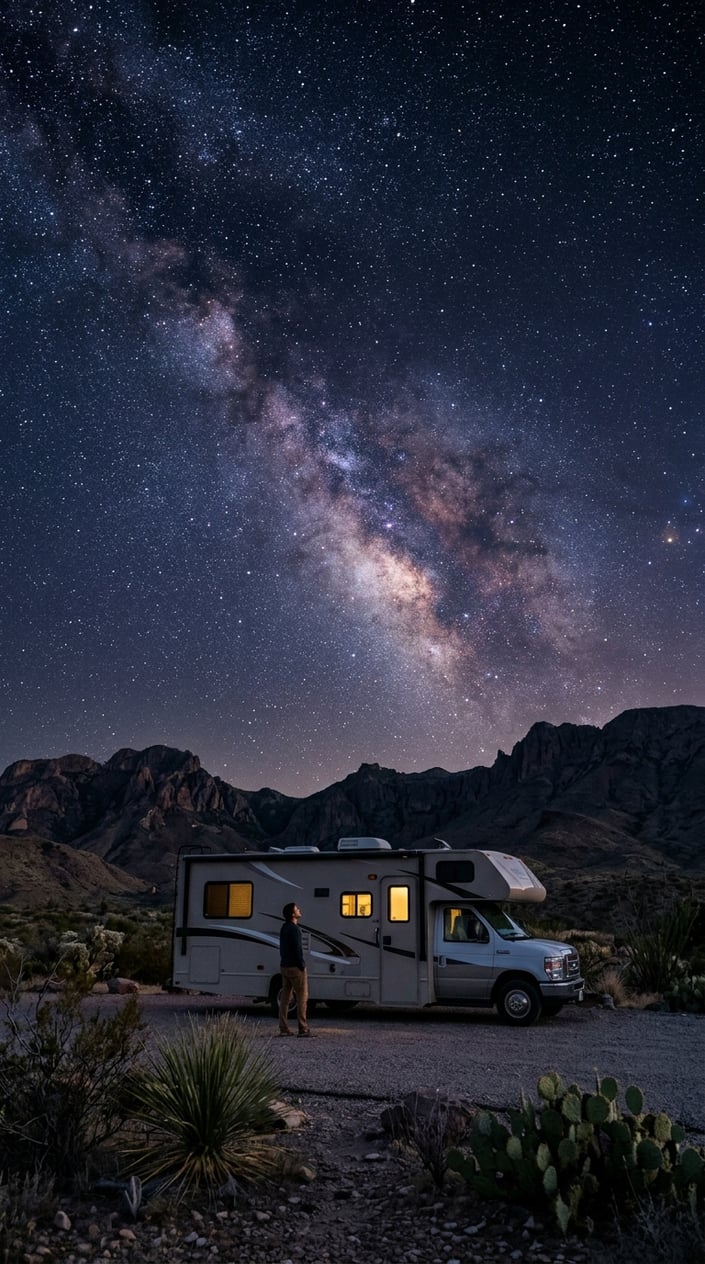
A silhouette beside your RV gives a Big Bend stargazing photo a sense of scale. Place the traveler near the vehicle, with the dark desert and starry sky taking up most of the frame. A small light inside the RV can outline its shape while keeping the night scene subdued.
For a clear picture, park safely and keep the RV’s headlights off. Use a stable surface for your camera or phone, since night scenes need a steady frame. Wear a light-colored layer if you want a faint outline against the dark surroundings, or let the person remain a solid silhouette. Keep the composition simple so the sky, RV, and human figure are easy to distinguish.
14) A Candid Snapshot at a Roadside Fruit Stand
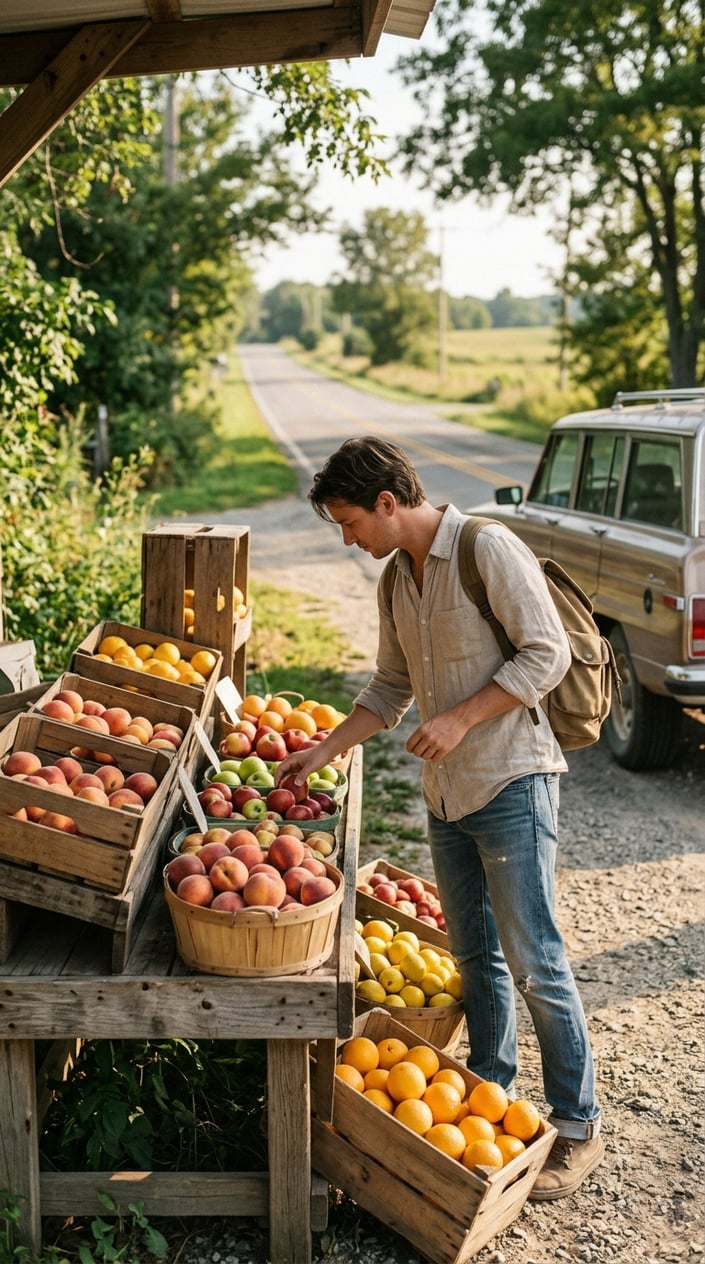
A candid fruit-stand stop adds a bright, everyday memory to your road trip photo dump. Capture yourself choosing fruit beside the parked car, with the produce and roadside setting both visible. The casual action gives the picture movement and makes the stop feel like part of the journey.
Look for colorful displays, hand-painted signs, or baskets that show the character of the stand. Ask before photographing a vendor or anyone working there, and keep the car parked in an approved spot. A wider frame can include the roadside context, while a closer view highlights the fruit and your hands making a choice. Pair this image with a landscape or campground photo to add a lively change of pace to your set.