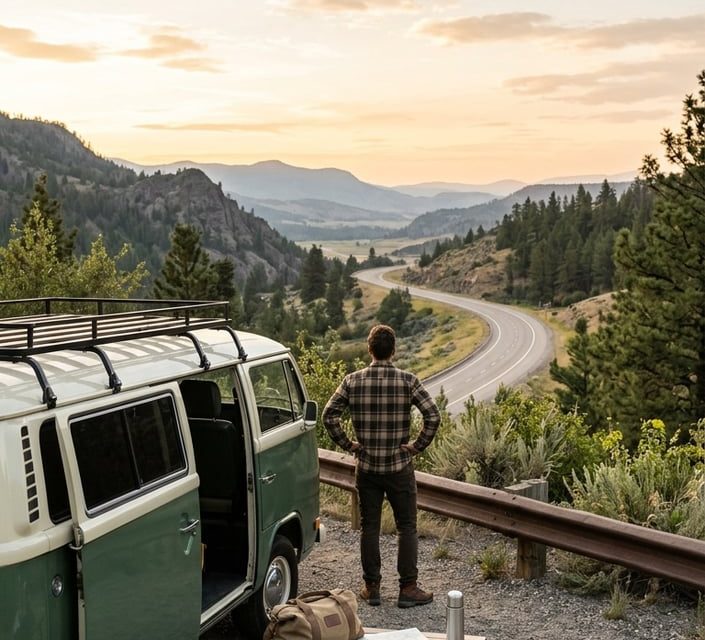
You can make your solo RV road trip feel personal with small, useful details that bring comfort and style to each stop. These 9 Road Trip Aesthetic Ideas for Solo Travelers help you create a cozy space, record your travels, and enjoy the landscapes along the way.
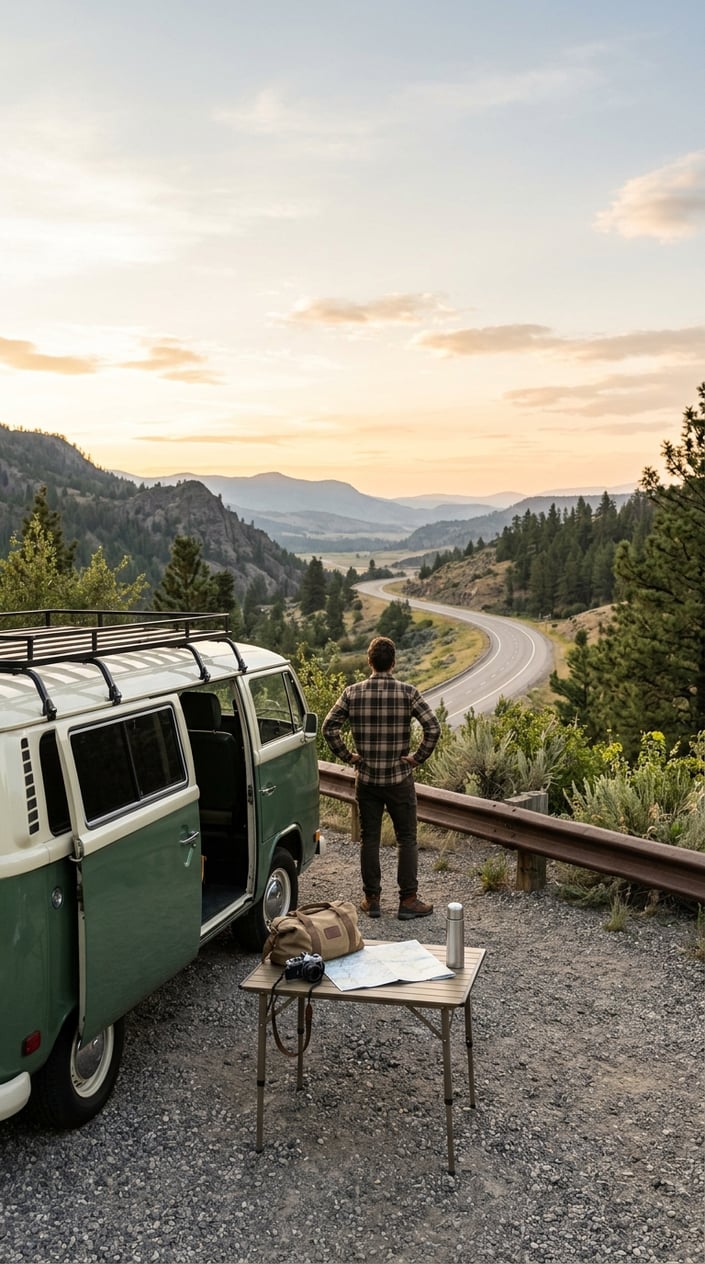
Your RV gives you a home base for slow mornings and scenic detours. Choose lightweight touches that fit your storage space and work with the way you travel.
1) Create a Cozy Campsite Coffee Corner
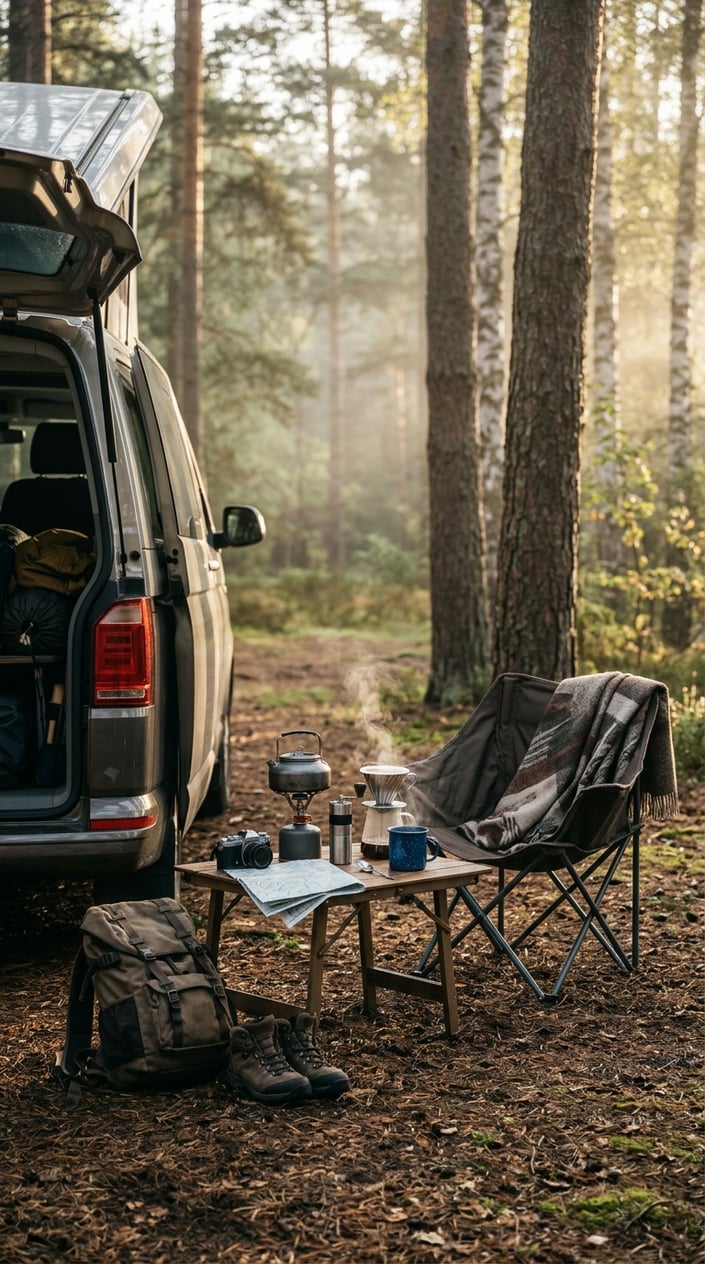
A compact coffee corner gives your campsite a welcoming morning ritual without taking up much room. Set a small tray on a stable surface and keep your mug, coffee, and brewing gear together. A lidded container helps protect grounds from spills while you drive, and a reusable filter cuts down on disposable waste.
Choose a spot that stays clear of your cooking area and keeps hot water away from the RV’s edges. When you park, move the tray to an outdoor table for an easy campsite setup. Add a cloth napkin or a small jar of sugar for a personal touch. Pack everything back into one bin before departure so your coffee kit stays easy to find.
2) Style Your RV Bed With Soft, Layered Textiles
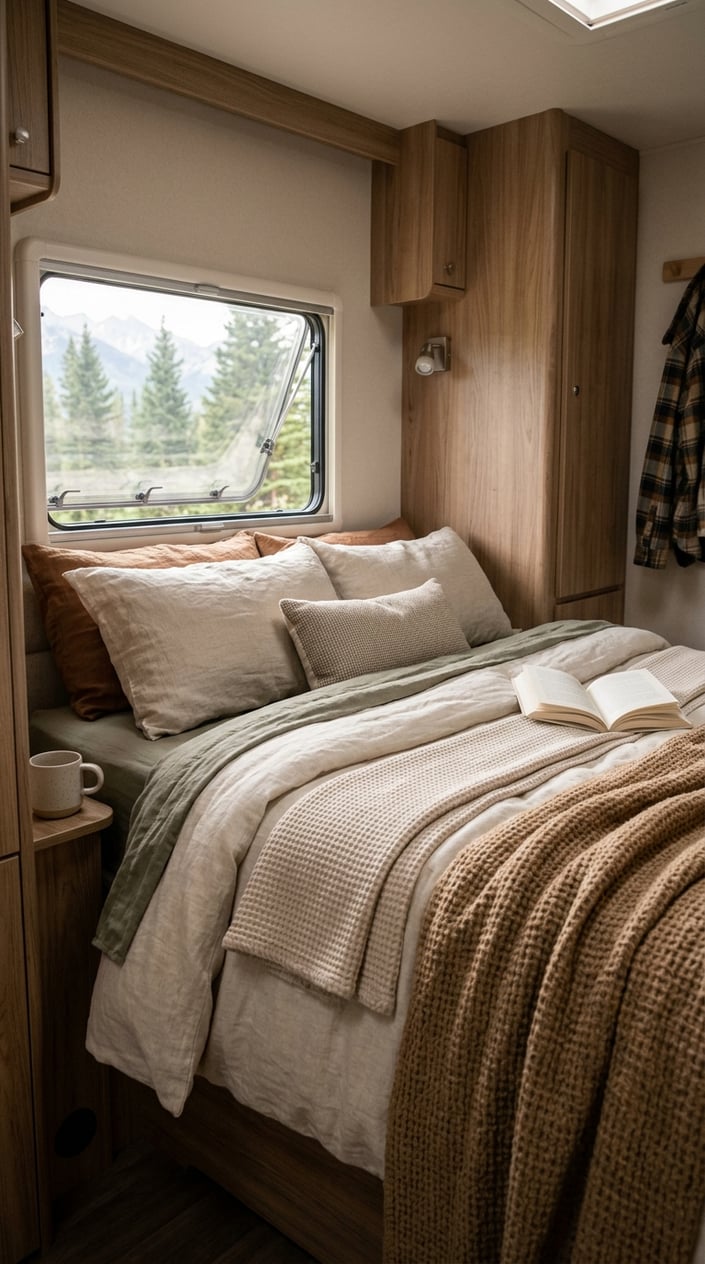
Layering light textiles makes your RV bed feel inviting while giving you flexible comfort as temperatures shift. Start with fitted sheets, then add a breathable blanket and a compact quilt or throw. Choose colors that work together, such as warm cream with rust or sage with soft gray, to give the small space a calm look.
Keep the layers easy to fold and store during travel. A woven throw at the foot of the bed adds texture and can serve as an extra layer on a cool night. Use a fabric storage bag for spare bedding so it stays tidy in a cabinet. Leave enough room to reach the window and nearby storage without moving the whole setup.
3) Capture the Drive With an Instant Camera
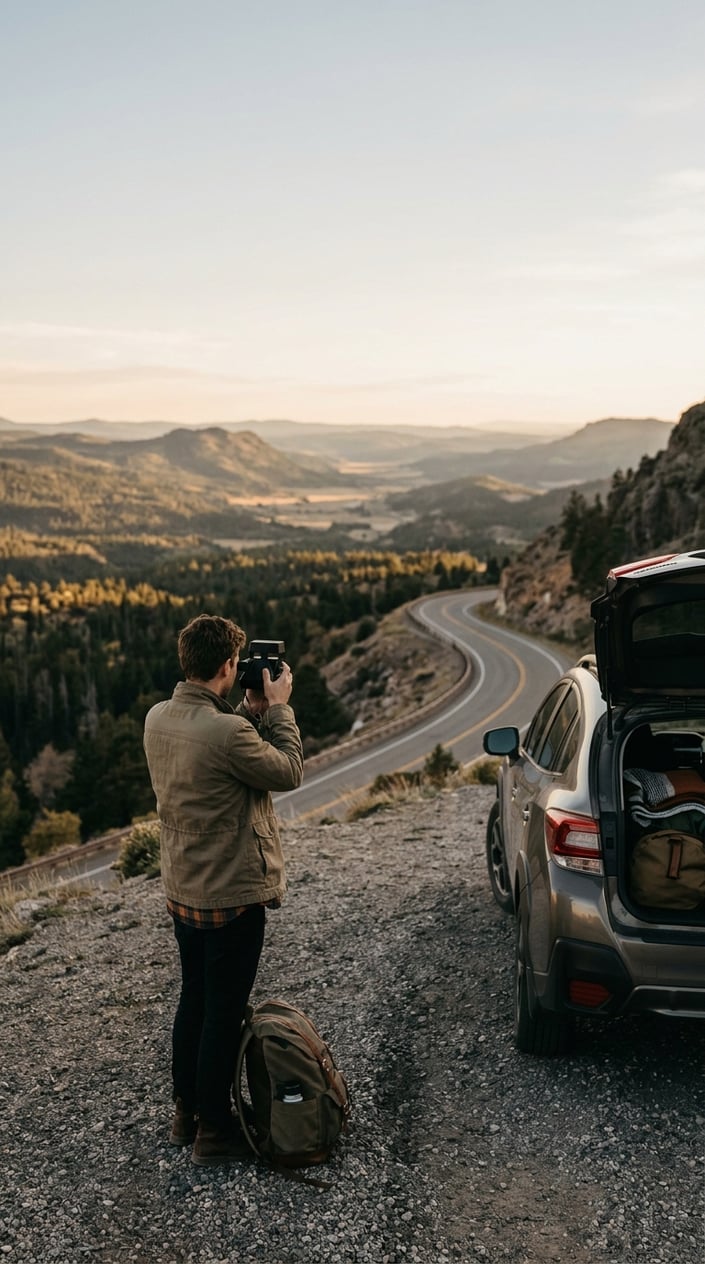
An instant camera gives you printed keepsakes of the places that make your drive memorable. Keep it in a padded case near the RV’s entry so it is easy to reach after you park. Save film from heat and moisture, and check that the camera is ready before heading out for a walk.
Use the prints to build a small travel journal or decorate a corkboard inside your RV. Write the date and location on the back while the details are fresh. For solo travel, set the camera on a steady surface with a timer when you want a self-portrait. Pull over in a safe, designated area before taking photos, and keep your attention on the road while driving.
4) Build a Scenic Route Around the Blue Ridge Parkway
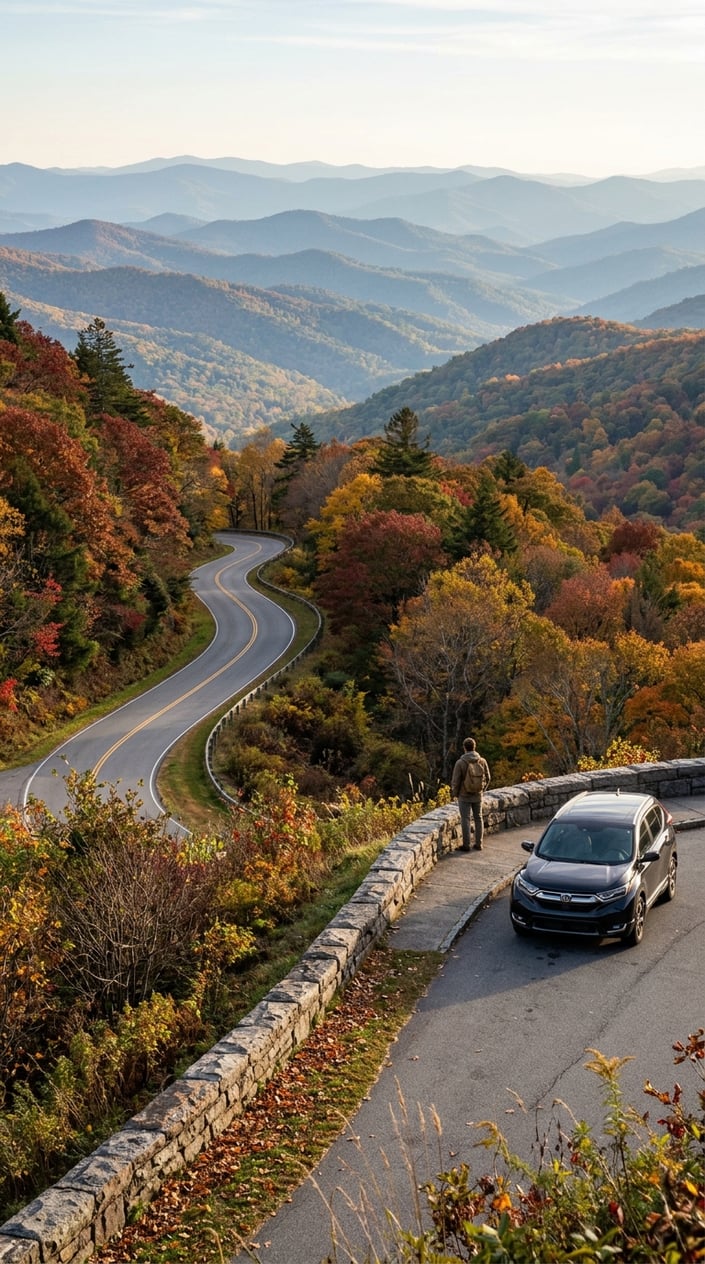
Planning a Blue Ridge Parkway trip around scenic stops gives your RV journey a strong sense of place. Pick a stretch that fits your schedule, then mark overlooks, trail access, and overnight campgrounds before you set off. Check current road conditions and RV access details with official park information before choosing a route.
Leave room in your plan for unhurried stops. A thermos, a light jacket, and a small notebook help you enjoy an overlook without turning each pause into a production. In autumn, changing leaves add rich color to the drive; in other seasons, mountain views and forest roads shape the atmosphere. Save your planned stops offline, since cell service can vary along a mountain route.
5) Make a Window-Side Journal and Map Nook
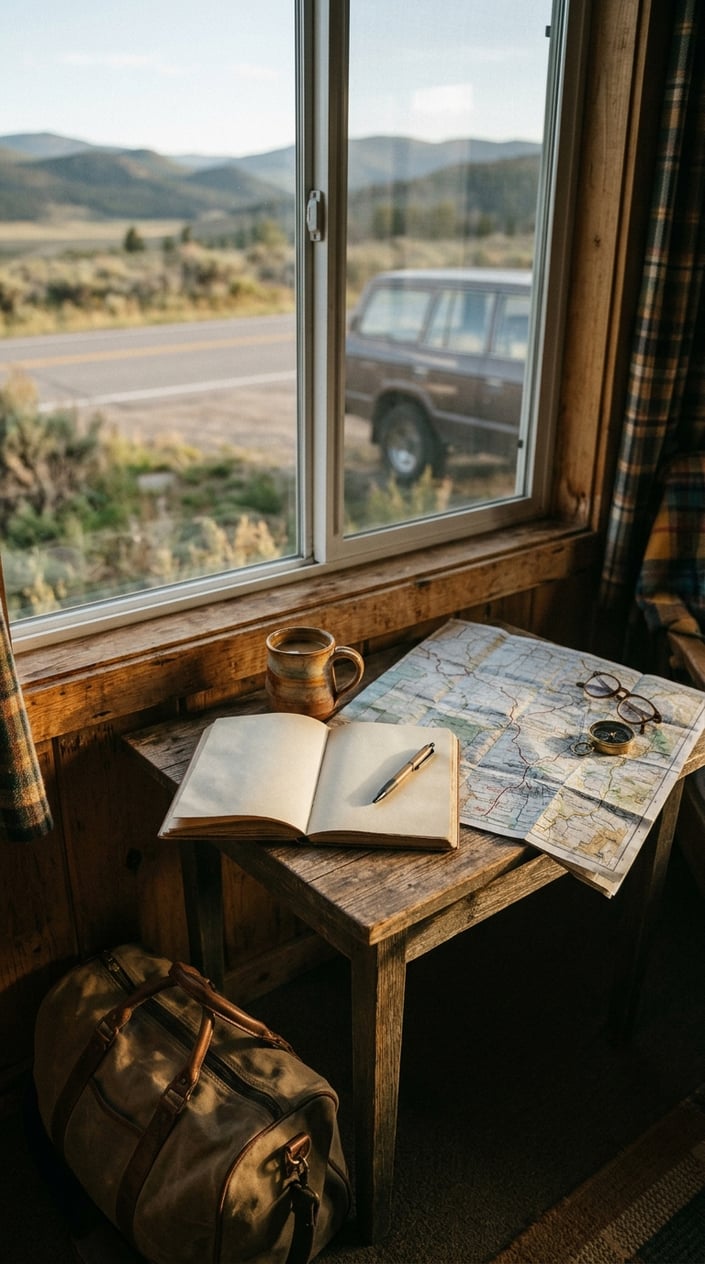
A window-side journal nook gives you a quiet place to plan the day and save small travel details. Use a table or secure shelf near a window, then keep a notebook, pen, and folded map in one slim pouch. A clip or elastic band helps keep loose pages together while the RV is moving.
Write down the campground, a favorite roadside stop, or a detail you want to remember from a hike. Add a simple route sketch or tuck in a receipt from a local café. Keep the nook clear of the driver’s area and stow everything before you travel. If your RV table serves several purposes, a lightweight lap desk lets you move your journal spot as needed.
6) Bring Warm Light to Your Campsite With String Lights
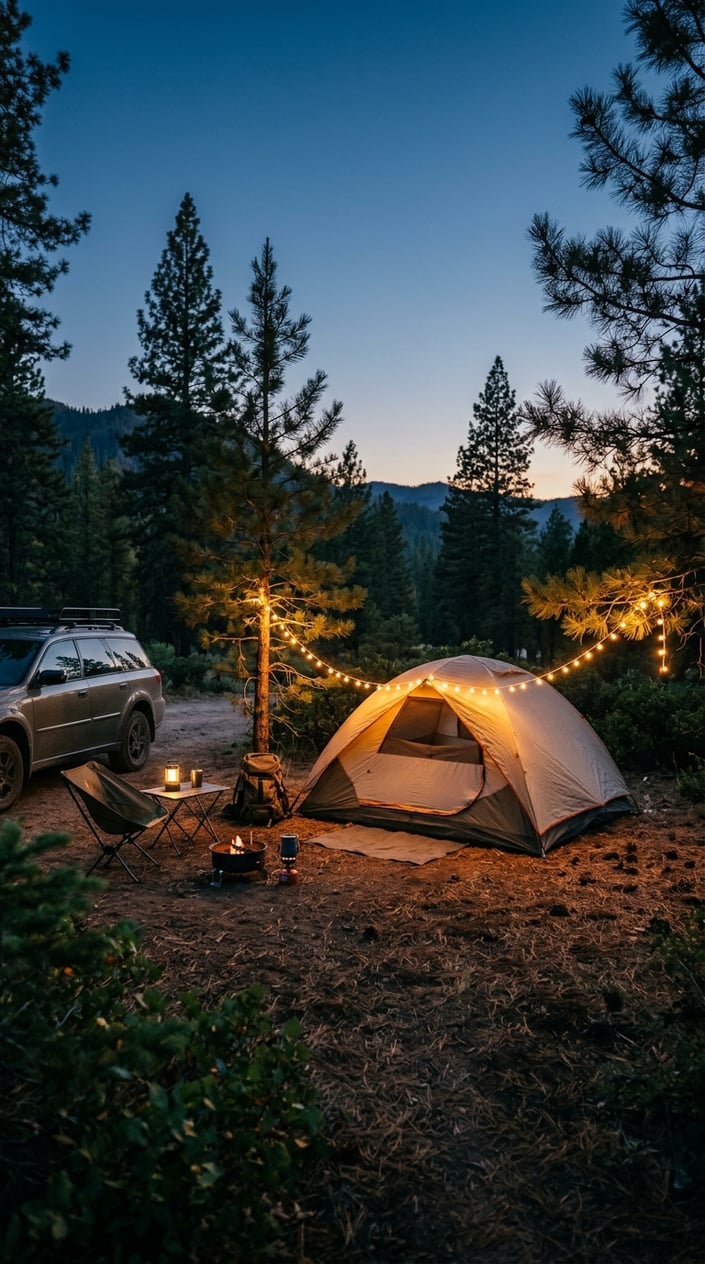
Warm string lights make your campsite feel inviting after sunset and help define your outdoor living space. Choose battery-powered or rechargeable lights for a simple setup, and secure them along a canopy edge or around your seating area. Keep cords away from walkways and vehicle tires so you can move around safely after dark.
Look for weather-suitable lights and follow their care instructions when you pack them. A small storage pouch prevents tangles, while a soft warm tone gives the campsite a relaxed feel. Keep lights away from open flames and hot cooking surfaces. When you leave the site or go to bed, switch them off and bring delicate gear inside if rain or strong wind is expected.
7) Pack a Picnic for a Lakefront RV Stop
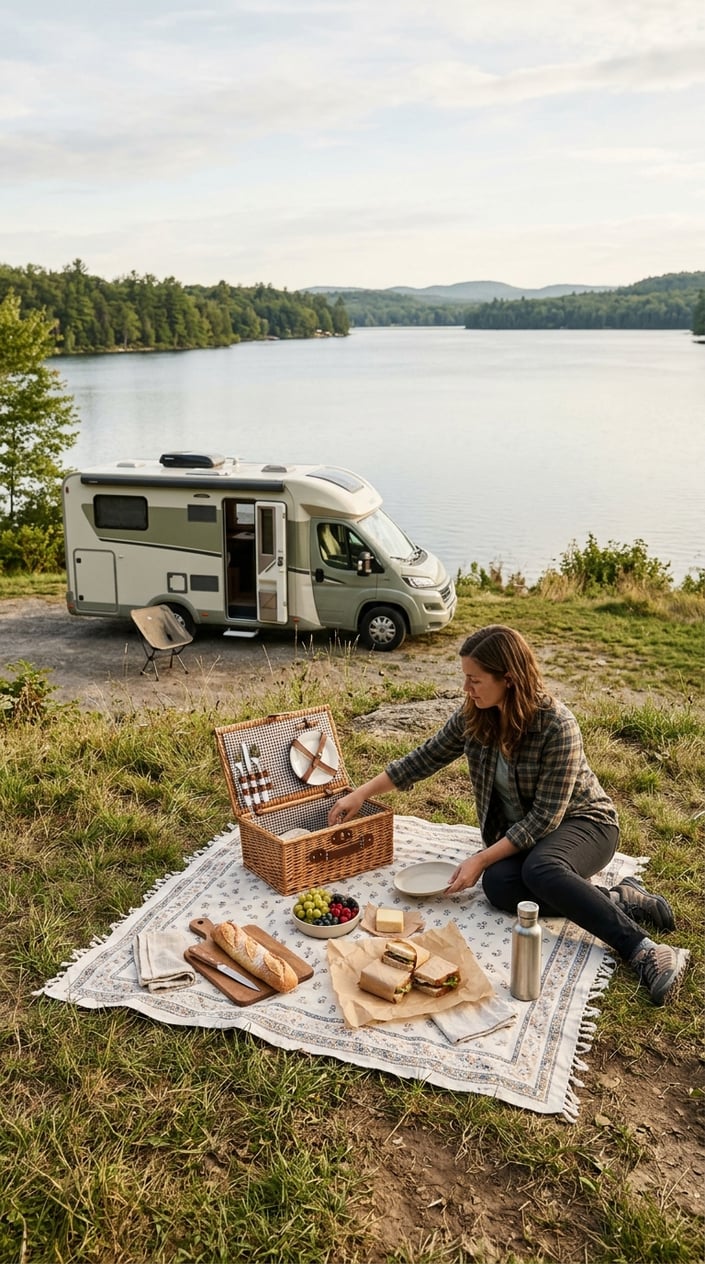
A simple lakefront picnic turns an RV stop into a relaxed meal with a view. Pack food in a cooler, then bring a washable blanket or compact tablecloth for your eating spot. Choose easy-to-serve items such as sandwiches, fruit, and crackers, and carry water in reusable bottles.
Check the campground’s rules before setting up near the shore, and keep food secured when you step away. A small container for waste helps you leave the site clean. For a comfortable setup, bring a light layer and a few napkins in a tote that stays ready in the RV. After eating, take a short walk along the water or sit with your journal before returning to the road.
8) Create a Solo-Road-Trip Playlist for the Open Road
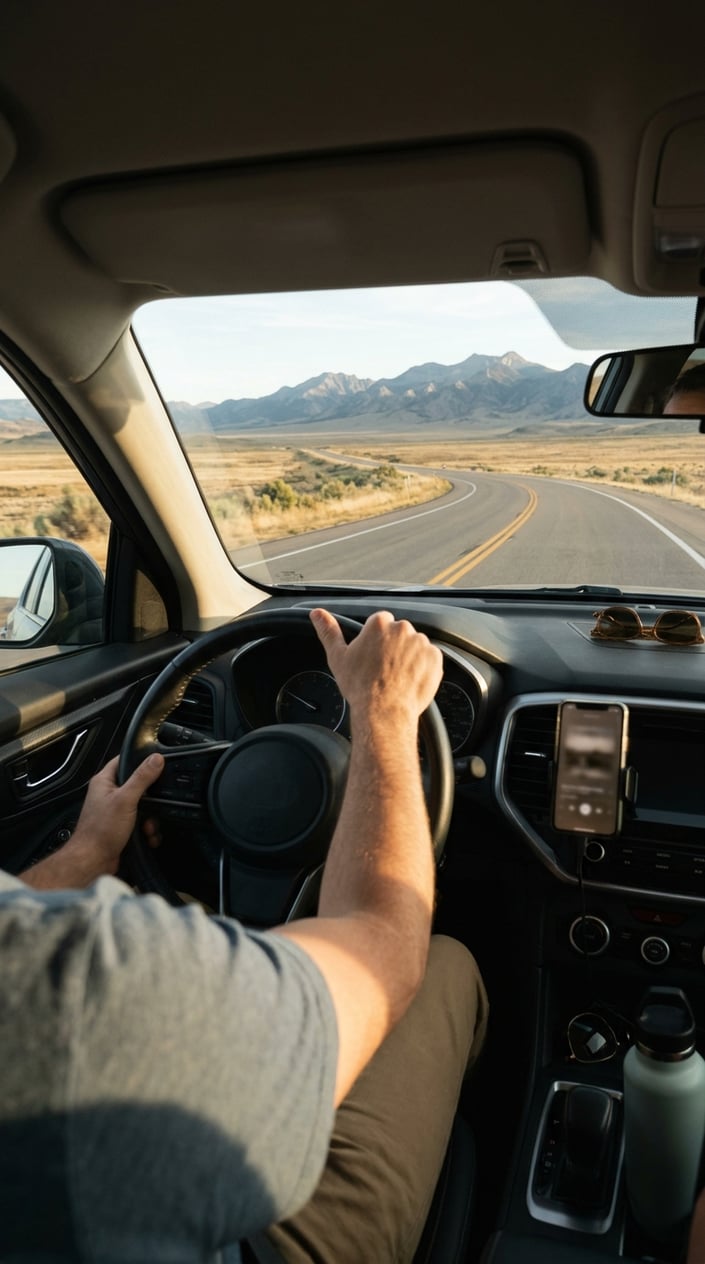
A playlist shaped around your route sets a steady mood for long stretches behind the wheel. Make a few mixes for different parts of your day, such as a calm set for morning departures and an upbeat set for open highways. Download them before you leave so your music stays available where service is limited.
Add songs you already enjoy, then include a few tracks that remind you of places you want to visit. Keep the volume low enough to hear traffic and navigation prompts. Set your playlist before putting the RV in motion, and use voice controls only when they are safe and familiar. A saved podcast or audiobook also gives you a change of pace on a long drive.
9) Add a Wildflower-and-Field-Guide Touch to Your Hikes
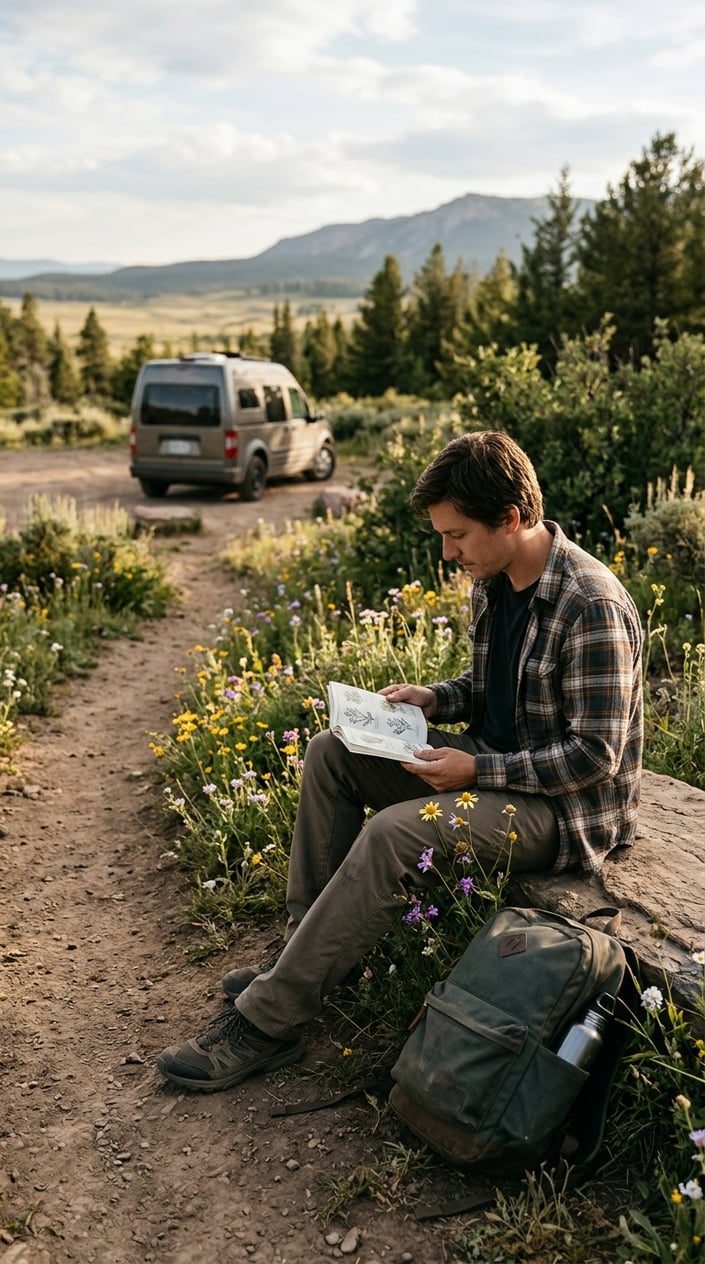
A pocket field guide adds a nature-study ritual to your RV hikes and helps you notice local plants. Choose a guide for the region you are visiting, then keep it with a small notebook and pencil in your day pack. When you spot a flower, compare its leaves and growing place with the guide before writing down a possible identification.
Stay on marked trails and leave wildflowers where they grow. A quick sketch or written note gives you a personal record without taking anything from the landscape. Keep the guide dry in a resealable pouch, especially when you expect rain. Back at the RV, add a trail name or location to your notes so you can connect each observation with the right stop.