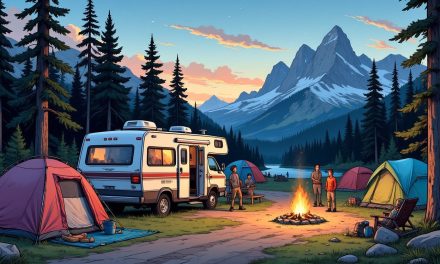
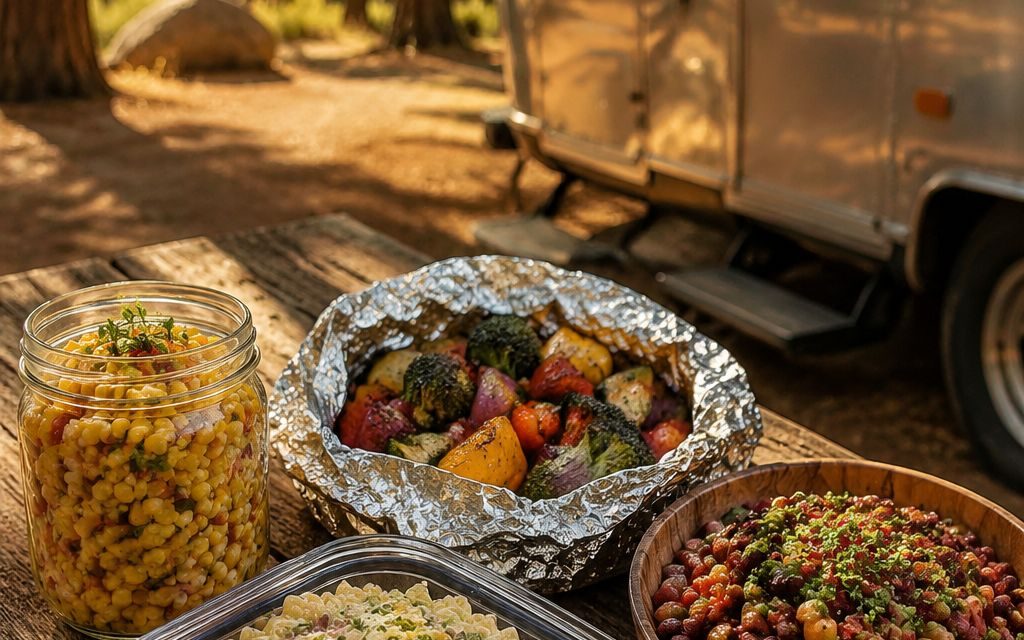
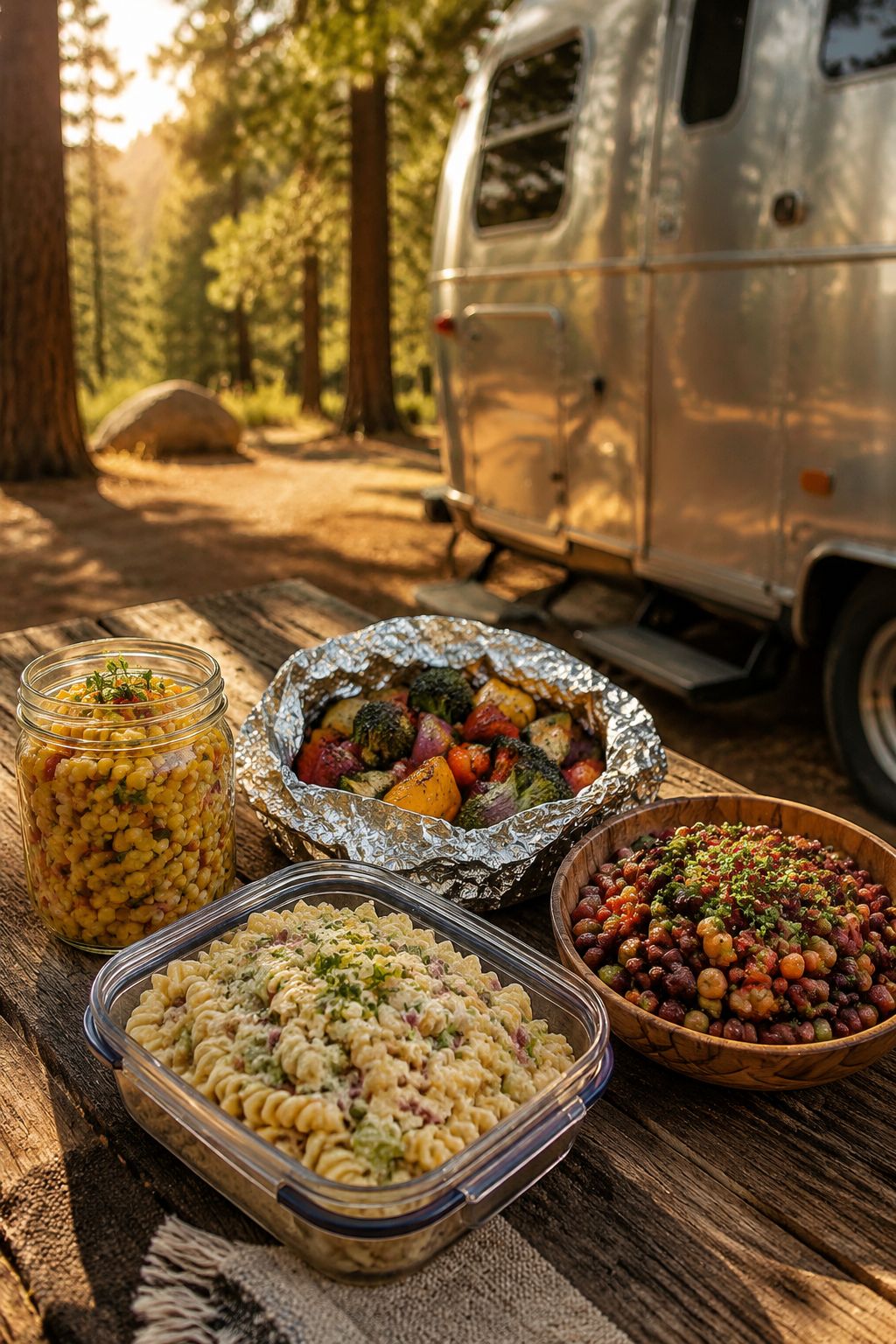
Over 11 million households in the United States own an RV — and that number keeps climbing every year. Yet for all the freedom those rolling homes offer, one challenge trips up even the most seasoned road warriors: what to eat on the road that actually tastes good. Burgers and hot dogs get old fast. That’s where smart side dishes come in. The 4 camping side dishes that travel well in an RV covered in this guide are flavorful, easy to prep ahead, and built to survive bumpy roads, limited fridge space, and campfire cooking. Whether you’re parked at a full-hookup resort or boondocking in the desert, these recipes will seriously upgrade your camp meals. 🏕️
Key Takeaways
- ✅ The best RV-friendly side dishes are make-ahead, sturdy, and low-maintenance — no fancy equipment needed.
- ✅ Proper storage (sealed containers, coolers, dry bins) is just as important as the recipe itself.
- ✅ Each of the 4 camping side dishes that travel well in an RV can be prepped at home before you hit the road.
- ✅ These dishes pair beautifully with grilled proteins, making them versatile for any campsite meal.
- ✅ Smart ingredient choices — like canned beans, dried pasta, and hearty vegetables — keep costs low and waste minimal.
Why Side Dishes Make or Break a Camp Meal
Most campers spend all their energy planning the main course — the steaks, the burgers, the foil-packet chicken. Side dishes become an afterthought. But here’s the thing: a great side dish can transform a simple grilled protein into a full, satisfying meal. It adds color, nutrition, texture, and variety to the camp table.
The challenge with RV cooking is real, though. Space is tight. Refrigeration is limited. Cooking surfaces are minimal. And nobody wants to spend an hour chopping vegetables after a long drive. That’s why the recipes below were chosen with very specific criteria in mind:
| Criteria | Why It Matters for RV Cooking |
|---|---|
| 🧊 Travel durability | Dishes that don’t turn soggy or separate in transit |
| ⏱️ Make-ahead friendly | Can be prepped at home and stored for 2-4 days |
| 🔪 Minimal prep at camp | Little to no chopping or cooking required at the site |
| 📦 Compact storage | Fits in standard containers or zip-lock bags |
| 🌡️ Temperature flexible | Tastes great cold, room temp, or lightly warmed |
Now let’s get into the good stuff. 🍴
The 4 Camping Side Dishes That Travel Well in an RV
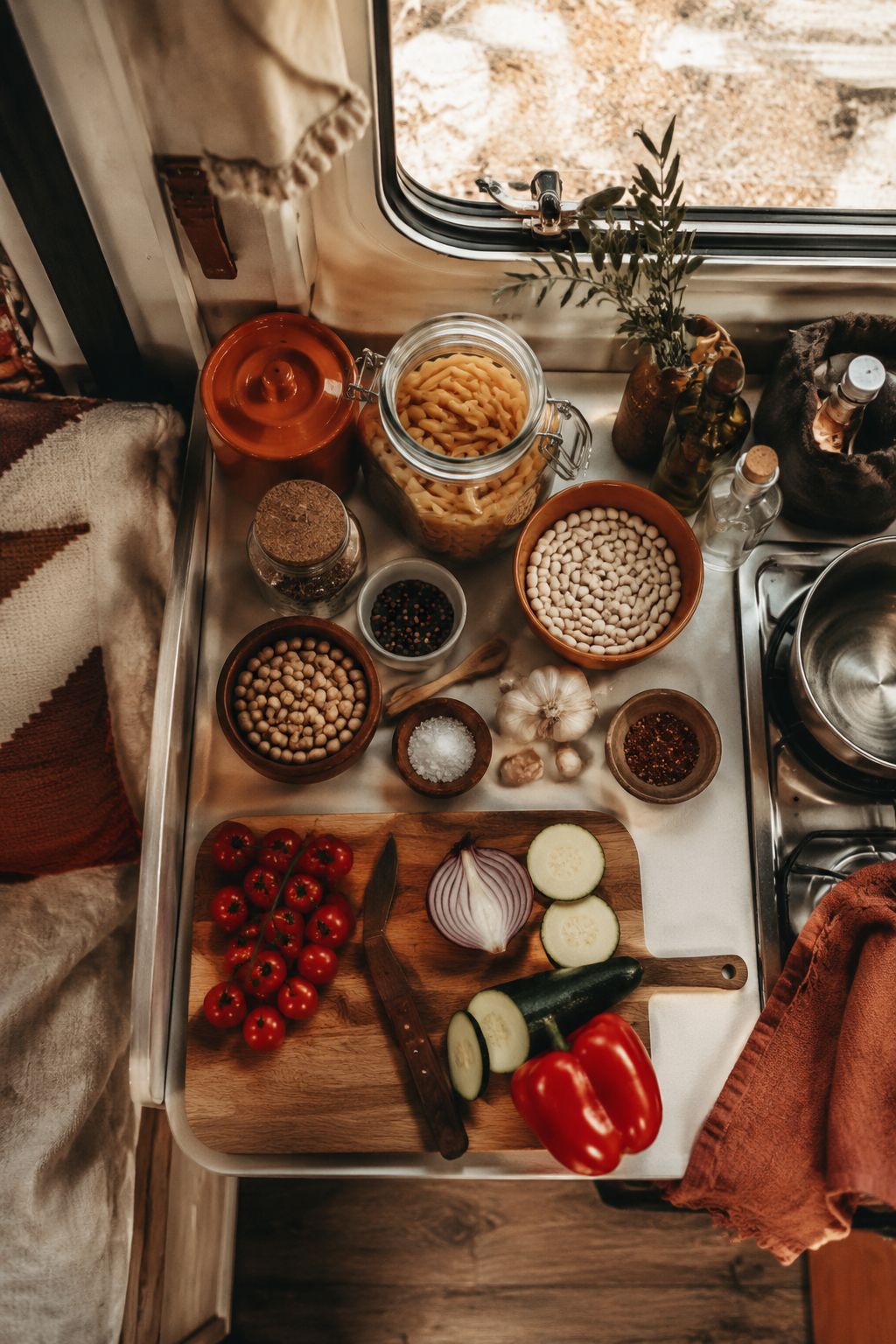
These four recipes are road-tested, crowd-pleasing, and genuinely delicious. Each one includes a full ingredient list and step-by-step instructions so there’s no guesswork — just great food.
1. 🍝 Classic Italian Pasta Salad
Why it travels well: Pasta salad is the undisputed king of make-ahead camp food. It actually gets better as it sits, since the pasta absorbs the dressing and flavors deepen overnight. It’s hearty enough to serve as a side or even a light main dish.
💬 “A well-made pasta salad is the Swiss Army knife of camping food — it goes with everything and keeps for days.”
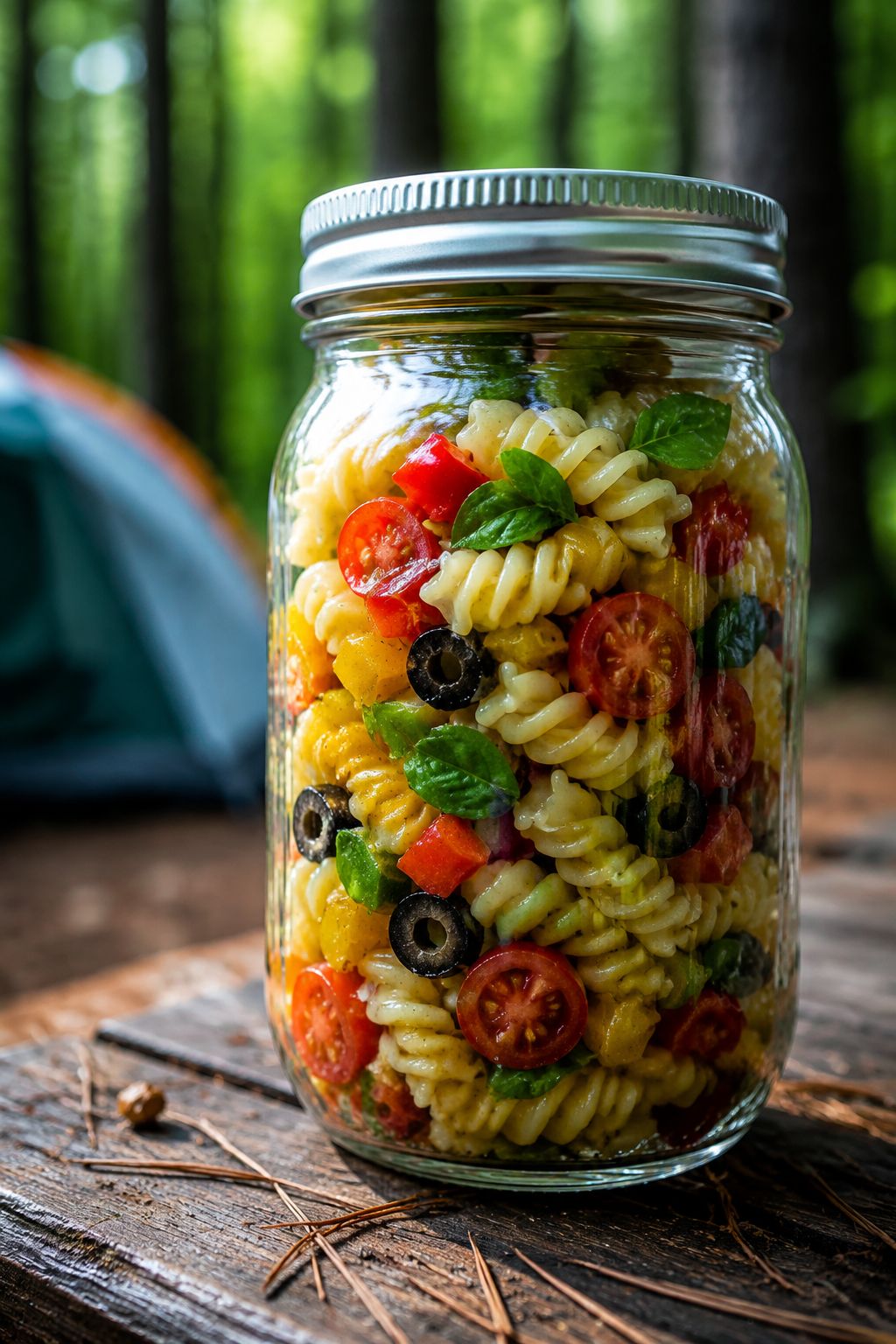
Key Ingredients
- 12 oz rotini pasta (or any short pasta)
- 1 cup cherry tomatoes, halved
- 1/2 cup black olives, sliced
- 1/2 cup diced green bell pepper
- 1/2 cup diced red bell pepper
- 1/4 cup red onion, finely diced
- 4 oz salami or pepperoni, cubed (optional)
- 4 oz provolone or mozzarella cheese, cubed
- 1/2 cup Italian dressing (store-bought works great)
- 1 tsp dried oregano
- Salt and black pepper to taste
- Fresh basil leaves (optional garnish)
Step-by-Step Instructions
Step 1: Cook pasta according to package directions until al dente. Do not overcook — slightly firm pasta holds up much better during travel.
Step 2: Drain pasta and rinse immediately under cold water to stop cooking. Toss with 1 tablespoon of olive oil to prevent sticking.
Step 3: In a large mixing bowl, combine cooled pasta with cherry tomatoes, olives, bell peppers, red onion, salami, and cheese.
Step 4: Pour Italian dressing over the mixture. Add dried oregano, salt, and pepper. Toss everything together until evenly coated.
Step 5: Taste and adjust seasoning. Add a splash more dressing if needed — the pasta will absorb some during storage.
Step 6: Transfer to a large airtight container or divide into individual mason jars for easy serving. Refrigerate for at least 2 hours before serving (overnight is even better).
Step 7: At camp, give it a good stir and add a drizzle of fresh dressing if it looks dry. Garnish with fresh basil if available. 🌿
Storage tip: Keeps well in a cooler for up to 4 days. Store dressing separately if making more than 3 days ahead.
2. 🌽 Smoky Campfire Corn Salad
Why it travels well: This dish uses canned or pre-cooked corn, which means zero prep at the campsite. The smoky, tangy dressing holds up beautifully in a cooler, and the flavors only improve after a few hours of marinating.
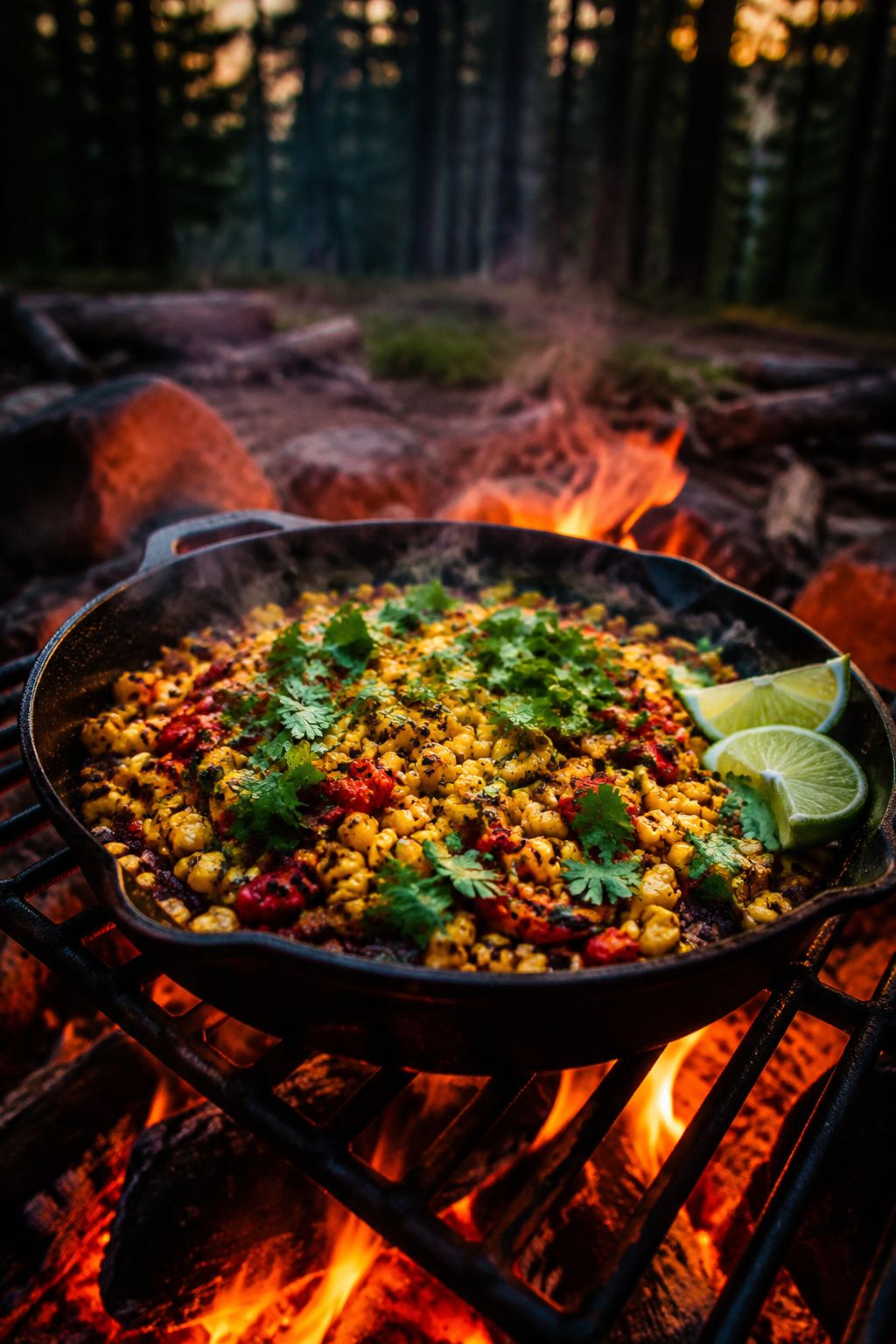
Key Ingredients
- 2 cans (15 oz each) whole kernel corn, drained — OR 3 cups fresh/frozen corn kernels (pre-roasted at home)
- 1/2 cup diced red onion
- 1/2 cup diced red bell pepper
- 1/4 cup fresh cilantro, chopped (or 1 tsp dried)
- 1 jalapeño, seeded and minced (optional for heat)
- 3 tablespoons mayonnaise
- 2 tablespoons sour cream
- 1 tablespoon lime juice (fresh or bottled)
- 1 tsp smoked paprika
- 1/2 tsp garlic powder
- 1/2 tsp cumin
- Salt and pepper to taste
- Cotija cheese or feta for topping (optional)
Step-by-Step Instructions
Step 1: If using canned corn, drain thoroughly. For best flavor, char the corn at home first: spread drained corn on a hot dry skillet over high heat for 4-5 minutes, stirring occasionally, until golden brown spots appear.
Step 2: Allow charred corn to cool completely before mixing.
Step 3: In a large bowl, whisk together mayonnaise, sour cream, lime juice, smoked paprika, garlic powder, and cumin until smooth.
Step 4: Add corn, red onion, red bell pepper, cilantro, and jalapeño to the dressing. Stir well to combine.
Step 5: Season with salt and pepper. Taste and adjust — add more lime juice for brightness or more paprika for smokiness.
Step 6: Transfer to a sealed container and refrigerate. The salad is best after at least 1 hour of chilling.
Step 7: At camp, stir before serving and top with crumbled cotija or feta cheese if available. Serve cold or at room temperature alongside grilled chicken, fish tacos, or burgers. 🌮
Storage tip: Keeps in a cooler for up to 3 days. Keep the cheese topping separate until serving.
3. 🫘 Zesty Three-Bean Salad
Why it travels well: Bean salads are practically designed for camping. They require no refrigeration for short periods, use pantry staples, and are packed with protein and fiber. This version gets a bright, tangy makeover with a simple vinaigrette that keeps everything fresh and flavorful for days.
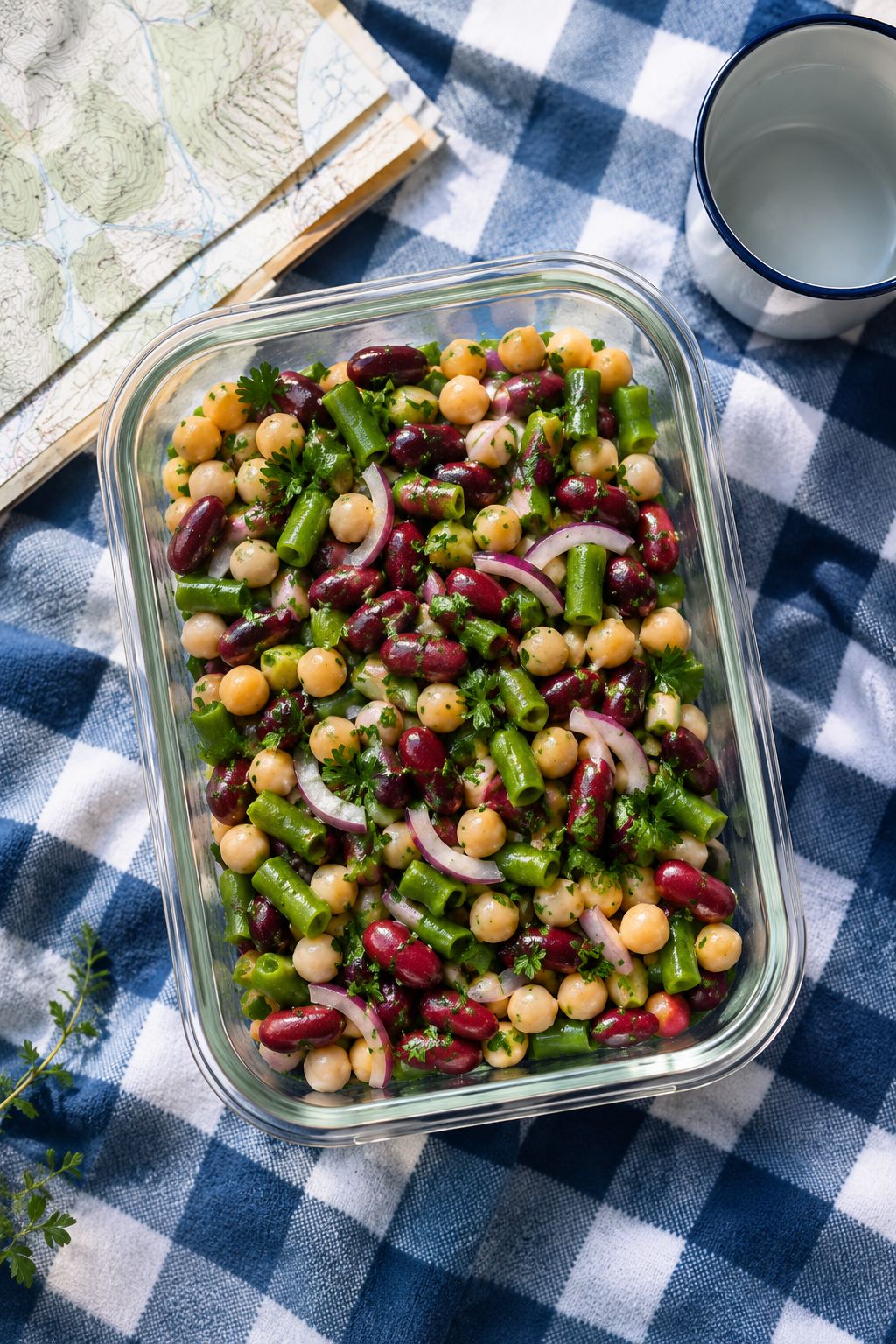
Key Ingredients
- 1 can (15 oz) kidney beans, drained and rinsed
- 1 can (15 oz) chickpeas (garbanzo beans), drained and rinsed
- 1 can (15 oz) cut green beans, drained — OR 1.5 cups fresh green beans, blanched
- 1/2 cup red onion, thinly sliced
- 1/2 cup celery, thinly sliced
- 1/4 cup fresh parsley, chopped
- 3 tablespoons apple cider vinegar
- 3 tablespoons olive oil
- 1.5 tablespoons honey or sugar
- 1 tsp Dijon mustard
- 1/2 tsp garlic powder
- 1/2 tsp dried oregano
- Salt and black pepper to taste
Step-by-Step Instructions
Step 1: Drain and rinse all canned beans thoroughly under cold water. This removes excess sodium and improves texture.
Step 2: If using fresh green beans, blanch them: drop into boiling water for 2-3 minutes, then immediately transfer to an ice bath. Drain and pat dry.
Step 3: In a small bowl or jar, whisk together apple cider vinegar, olive oil, honey, Dijon mustard, garlic powder, and dried oregano. Season with salt and pepper.
Step 4: In a large bowl, combine kidney beans, chickpeas, green beans, red onion, celery, and parsley.
Step 5: Pour the vinaigrette over the bean mixture. Toss gently to coat everything evenly.
Step 6: Taste and adjust seasoning. Add a pinch more sugar if too tart, or more vinegar if not tangy enough.
Step 7: Transfer to a sealed container or zip-lock bag. Refrigerate for at least 2 hours before serving — overnight is ideal for maximum flavor.
Step 8: At camp, give it a good stir and serve cold or at room temperature. Pairs beautifully with grilled sausages, BBQ chicken, or veggie burgers. 🍗
Storage tip: This salad keeps in a cooler for up to 5 days, making it the longest-lasting option on this list. It’s a perfect make-ahead dish for longer RV trips.
4. 🍠 Foil-Baked Herb Sweet Potatoes
Why it travels well: Sweet potatoes are naturally sturdy — they don’t bruise easily, don’t need refrigeration before cooking, and store well in a dry bin for days. Prepping them in foil packets at home means all the work is done before you even leave the driveway. At camp, just toss them on the grill or campfire.
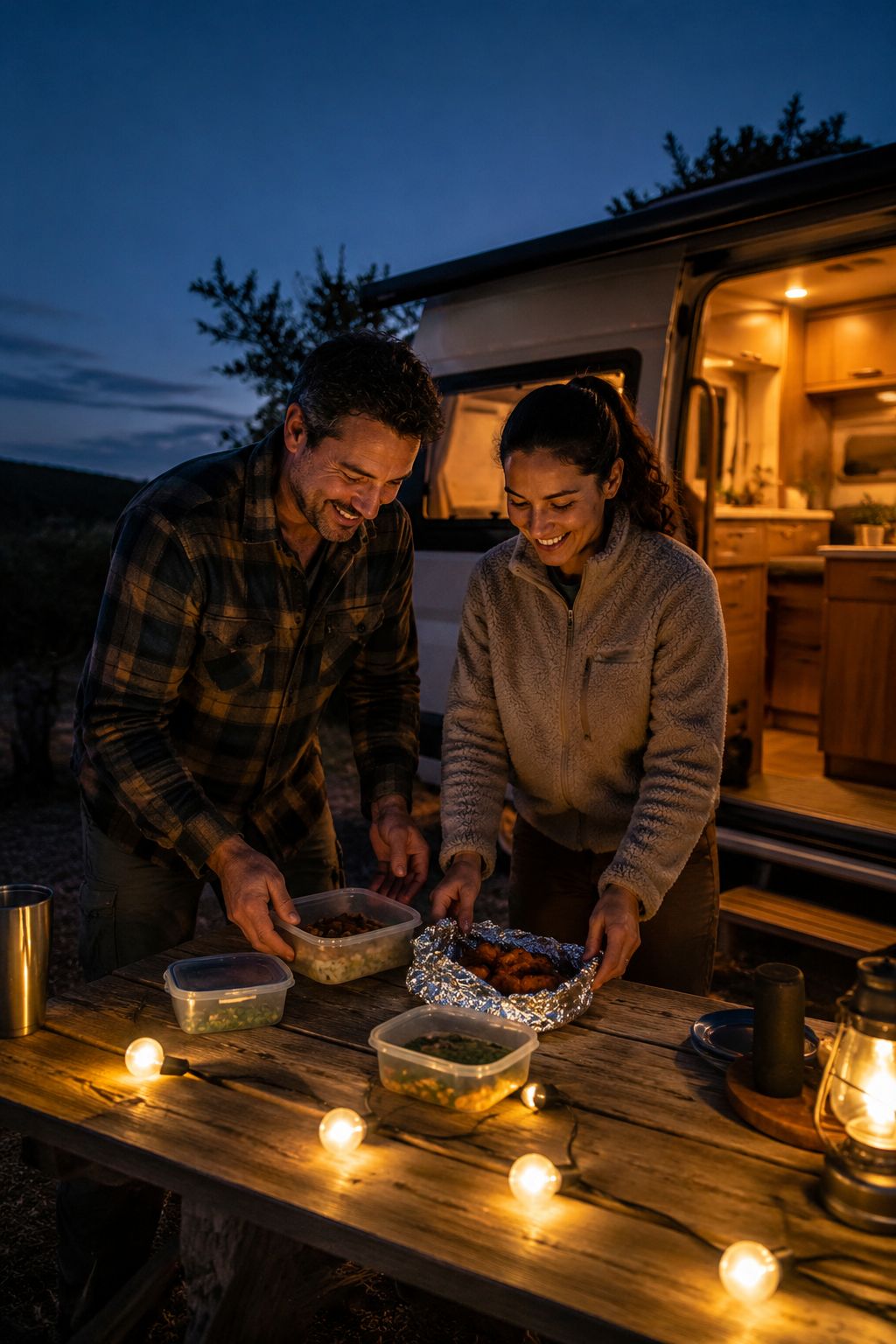
Key Ingredients
- 3 medium sweet potatoes, scrubbed clean and diced into 1-inch cubes
- 3 tablespoons olive oil or melted butter
- 1 tsp garlic powder
- 1 tsp smoked paprika
- 1/2 tsp dried rosemary or thyme
- 1/2 tsp onion powder
- 1/4 tsp cayenne pepper (optional)
- Salt and black pepper to taste
- Fresh parsley or chives for garnish (optional)
- Heavy-duty aluminum foil
Step-by-Step Instructions
Step 1: At home, scrub sweet potatoes thoroughly and dice into uniform 1-inch cubes. Uniform sizing ensures even cooking.
Step 2: In a large bowl, toss sweet potato cubes with olive oil until well coated.
Step 3: Add garlic powder, smoked paprika, rosemary, onion powder, cayenne (if using), salt, and pepper. Toss again to distribute spices evenly.
Step 4: Tear off two large sheets of heavy-duty aluminum foil (about 18 inches each). Place half the sweet potato mixture in the center of each sheet.
Step 5: Fold the foil over the potatoes, crimping and sealing all edges tightly to create a secure packet. Double-wrap if needed to prevent leaks.
Step 6: Label packets and store in the refrigerator (up to 2 days) or in a cooler until ready to cook.
Step 7: At camp, place foil packets directly on a campfire grate or grill over medium-high heat. Cook for 20-25 minutes, flipping once halfway through, until sweet potatoes are tender when pierced through the foil.
Step 8: Carefully open packets (steam will escape — use tongs!), garnish with fresh herbs if available, and serve directly from the foil for easy cleanup. 🔥
Pro tip: For oven prep at the campsite (if your RV has one), bake at 400°F for 25-30 minutes. These also cook beautifully in a camp Dutch oven.
Storage tip: Pre-assembled uncooked packets keep in a cooler for up to 2 days. Cooked leftovers keep for 2-3 days and reheat well in a skillet.
Smart Packing Tips for RV Side Dishes
Knowing which dishes to make is only half the battle. Packing them correctly makes all the difference between a delicious camp meal and a soggy, spilled disaster. Here are the most important tips:
🧊 Cooler Organization Strategy
- Layer by use date: Items needed first go on top, longer-lasting items go on the bottom.
- Use block ice rather than cubed ice — it melts slower and keeps things drier.
- Pre-chill containers before loading the cooler to extend cold life.
- Keep a separate cooler for drinks so the food cooler isn’t opened constantly.
📦 Best Containers for RV Travel
| Container Type | Best For | Pros |
|---|---|---|
| Glass mason jars | Pasta salad, bean salad | Airtight, stackable, no odor transfer |
| BPA-free plastic containers | All dishes | Lightweight, shatterproof |
| Zip-lock freezer bags | Foil packets, dry ingredients | Space-saving, flexible |
| Stainless steel containers | Corn salad, bean salad | Durable, eco-friendly |
🌡️ Temperature Safety Reminders
⚠️ Food Safety Rule: Keep cold foods below 40°F and never leave perishable dishes out for more than 2 hours (1 hour if temperatures exceed 90°F).
Frequently Asked Questions About Camping Side Dishes
Q: Can these dishes be made without refrigeration?
The three-bean salad can safely sit at room temperature for up to 2 hours and is the most shelf-stable option. The foil sweet potato packets (uncooked) can be stored in a dry bin for up to 24 hours if the weather is cool. The pasta and corn salads should always be kept chilled.
Q: How far in advance can these be prepped?
- Pasta salad: up to 4 days ahead
- Corn salad: up to 3 days ahead
- Three-bean salad: up to 5 days ahead
- Foil sweet potato packets: up to 2 days ahead (uncooked)
Q: Are these recipes kid-friendly?
Absolutely! Simply omit the jalapeño from the corn salad and reduce or skip the cayenne in the sweet potatoes. All four dishes are naturally mild and appeal to most kids.
Q: Can these side dishes be made vegetarian or vegan?
Yes! The pasta salad is easily made vegetarian by skipping the salami. Use vegan mayo in the corn salad, and swap butter for olive oil in the sweet potatoes. The three-bean salad is already 100% vegan.
Conclusion: Hit the Road with Confidence 🚐
The 4 camping side dishes that travel well in an RV — Classic Italian Pasta Salad, Smoky Campfire Corn Salad, Zesty Three-Bean Salad, and Foil-Baked Herb Sweet Potatoes — are more than just recipes. They’re a meal strategy for smarter, tastier RV cooking.
Here’s a quick action plan to get started:
- Choose 2-3 recipes to prep the night before your next trip.
- Gather containers — mason jars, airtight plastic, or stainless steel — before you start cooking.
- Label everything with the prep date so nothing gets forgotten in the cooler.
- Pack smart: organize by use date and keep the food cooler separate from drinks.
- Enjoy the payoff: pull into camp, pop open a container, and serve a delicious, stress-free side dish in seconds.
Great camp food doesn’t require a gourmet kitchen or a long grocery list. With a little prep at home and the right recipes in your back pocket, every meal on the road can feel like a celebration. 🌲🍽️
References
- Kampgrounds of America. (2023). 2023 North American Camping & Outdoor Hospitality Report. KOA. https://koa.com/north-american-camping-report/
- Recreation Vehicle Industry Association. (2023). RV industry overview and ownership statistics. RVIA. https://www.rvia.org/
- U.S. Food and Drug Administration. (2022). Food safety for outdoor eating. FDA. https://www.fda.gov/food/buy-store-serve-safe-food/food-safety-outdoors
- United States Department of Agriculture Food Safety and Inspection Service. (2023). Keeping food safe during an emergency. USDA FSIS. https://www.fsis.usda.gov/