So you’re dreaming of hitting the open road, trading your mortgage for memories, and living that picture-perfect RV life you see all over social media. But here’s something most influencers won’t tell you: a lot of people quit RVing, and it’s usually within the first year.
After talking with countless RVers over the years, we’ve discovered the real reasons people park their rigs for good—and spoiler alert, it’s rarely about the things you’d expect. Understanding these challenges now could mean the difference between loving life on the road and becoming another statistic. Let’s dive into the seven big reasons RVers call it quits, so you can decide if full-time RVing is truly for you.
Would you like to save this article?
1. You’re Running Away, Not Running Toward
The number one predictor of RV failure? Starting your journey for the wrong reasons. Many folks jump into RV life thinking it’ll magically fix their marriage, cure their burnout, or finally make them happy. The brutal truth is that cramming yourself into 300 square feet won’t solve problems—it’ll magnify them.
When you’re living in such close quarters, there’s literally nowhere to hide from your issues. That stressful relationship? It becomes more stressful when you’re bumping elbows 24/7. Feeling lost in life? Changing your address won’t give you direction. RVing changes where you live, not how you live.
Here’s the real kicker: if you can’t articulate what you’re running toward, you’re probably just running away. You need to be chasing adventure, freedom, and new experiences—not escaping your current reality.
| Running Away From | Running Toward |
|---|---|
| Unhappy marriage | Adventure & exploration |
| Work burnout | Freedom & flexibility |
| Feeling lost | New experiences & growth |
| Boring routine | Meaningful connections |
According to a 2023 study by the RV Industry Association, approximately 18% of full-timers quit within the first year, with personal relationship issues being a leading factor.
2. The Loneliness Hits Harder Than You Expected
Picture this: You roll into a beautiful campground, set up your rig, and… nothing. No neighbors stopping by. No instant friendships. No campfire invitations. Welcome to the reality of RV community building.
Everyone dreams of that “instant campground family” vibe, but the truth is most RVers are just living their own lives. They’re tired from driving, only staying a night or two, or they’re inside decompressing after a long day. You won’t automatically make friends just because you own an RV.
The constant moving makes it even harder because you’re always starting over. Loneliness is one of the top reasons people quietly go back to their sticks-and-bricks homes. You’ll need to put in serious effort to build meaningful connections on the road—joining RV clubs, attending rallies, or connecting through online communities.
Think about it: you’re leaving behind your established friend group, your weekly book club, and your neighbors you’ve known for years. Replacing that takes intentional work, not just wishful thinking.
3. It Starts to Feel Like Work (Because It Is)
Here’s something nobody posts on Instagram: Full-time RVing is exhausting. You know what’s involved in moving from place to place? Planning routes, researching campgrounds, making reservations, packing everything up, driving for hours, setting up camp, unpacking, and then doing it all over again in a few days.
Then add in the constant maintenance. Something always needs attention. The simple act of going to the grocery store becomes a production. Want to see a doctor? Better figure out the logistics in a new city. Need to work remotely? Hope that campground WiFi is actually functional (spoiler: it usually isn’t).
A 2024 survey by RV Travel found that 42% of full-time RVers said the workload of maintaining their lifestyle was significantly more than they anticipated. Many days you’ll look at your calendar and think, “I just want to stay put. I don’t want to move the RV again.”
If you’re picturing every day feeling like vacation, you’re setting yourself up for disappointment. This lifestyle requires constant effort, planning, and energy.
4. You’re Moving Way Too Fast
New RVers almost always make this mistake: trying to see everything immediately. Every state looks exciting. Every national park is on your must-see list. Every roadside attraction makes you want to stop. You try cramming a year’s worth of travel into just a few months.
The result? Complete exhaustion. When RVing becomes a race to the next destination, it stops being fun. And when it stops being fun, people start thinking the lifestyle just isn’t for them. The irony is that the best part of full-time RVing isn’t about how many places you see—it’s finally having the freedom to slow down.
Some of the most memorable experiences happen on those unplanned days when you wander through a small town, hang out at a local coffee shop, or chat with the locals. You actually get to experience places instead of just racing through them checking boxes.
Consider this: successful long-term RVers typically stay in one location for 2-4 weeks, not 2-4 days.
5. Missing Family Becomes Too Painful
You tell yourself you’ll FaceTime regularly and visit every few months. But then your granddaughter has her dance recital, your grandson hits his first home run, and your daughter hosts Thanksgiving for the first time. Life keeps happening when you’re hundreds or thousands of miles away.
According to AARP research, nearly 30% of RVers over 55 cite missing family milestones as their primary reason for ending full-time travel. People don’t quit because they stopped loving travel—they quit because they’re missing moments they can never get back.
The good news? It doesn’t have to be all or nothing. You get to choose where you are. If birthdays matter, plan to be there. If the grandkids have championship games every June, build that into your annual travel plans. The beauty of RV life is flexibility.
When grandkids know Grandma and Grandpa will always show up for special events, it makes those moments even more meaningful. You can build a travel life that leaves room for the people you love most.
6. The Constant Maintenance Wears You Down
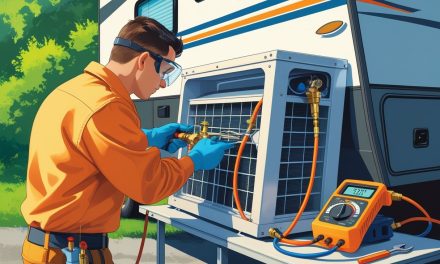
Things break. Repairs happen. Maintenance is constant. Your to-do list never ends. It’s not usually one massive repair bill that makes people quit—it’s being tired of always having something that needs fixing.
Tired of wondering what that new noise is. Tired of climbing on the roof again. Tired of spending your “vacation” fixing the thing that’s supposed to help you enjoy it. RVs are basically tiny houses rolling down the highway during an earthquake. Things will break. It’s not if, it’s when.
| Common RV Repairs | Average Cost |
|---|---|
| Generator replacement | $2,000 – $4,000 |
| Roof resealing | $800 – $1,500 |
| Tire replacement (set of 6) | $1,200 – $2,400 |
| Air conditioner repair | $400 – $1,200 |
| Slide-out mechanism | $800 – $2,500 |
A 2025 RV repair survey found that full-time RVers spend an average of $4,200 annually on maintenance and repairs. But honestly, the time and stress of coordinating repairs is often harder than paying the bills. You need to find mobile mechanics, schedule around your travel plans, and sometimes wait weeks for parts.
The key is expecting maintenance rather than being blindsided by it. Budget both money and time for repairs.
7. You Never Built a Life—Just an Itinerary
The excitement of seeing new places eventually fades into your normal. If you don’t have something deeper that challenges you or gets you excited to wake up in the morning, it’s easy to wonder why RVing doesn’t feel fun anymore.
Successful long-term RVers build actual lives on the road—complete with community, hobbies, purpose, and routine. Maybe that’s a YouTube channel, volunteering, trail hiking, photography, or discovering rail trails on e-bikes. Whatever it is, you need something beyond just seeing the next destination.
Think about your life right now. What fills your cup? What brings you joy beyond just travel? Will you be able to do those things in an RV? If the answer is no, you need to honestly consider whether you’re willing to make that trade.
According to leisure studies research, people who maintain hobbies and social connections while traveling report 73% higher satisfaction rates compared to those who focus solely on sightseeing. The lifestyle isn’t about giving up everything—it’s about making space for what you love most.
The Bottom Line: Is Full-Time RVing Right for You?
After looking at these seven reasons, you might be feeling a little overwhelmed. That’s actually a good thing. Going into RV life with realistic expectations is what separates the people who thrive from the people who quit.
Here’s the truth: these challenges don’t have to be deal-breakers. Many successful full-timers experience every single one of these issues and choose to navigate them rather than quit. The key is being honest with yourself before you hit the road.
Ask yourself:
- Am I running toward something or away from something?
- Am I willing to put effort into building community?
- Can I handle the workload that comes with constant travel?
- Am I prepared for repairs and maintenance?
- Will I be okay missing some family moments?
- What will give me purpose beyond just seeing new places?
If you can answer these questions thoughtfully and still feel excited, then full-time RVing might just be the adventure of a lifetime. But if you’re feeling uncertain, maybe start with extended trips or part-time RVing before selling everything.
The best RV life isn’t about where you go—it’s about building a life you love while you’re out there. Make sure you’re ready for both the freedom and the challenges that come with it.
SOURCES
- RV Industry Association (RVIA) – Full-Time RVer Statistics and Trends
https://www.rvia.org - RV Travel – Annual Full-Time RVer Survey and Lifestyle Analysis
https://www.rvtravel.com - AARP – Research on RV Living and Family Connections Among Retirees
https://www.aarp.org - Today is Someday YouTube Channel – “7 BIG Reasons RVers QUIT RV Life”
https://www.youtube.com/watch?v=AXtx8Y9PeXU - Leisure Studies Journal – Research on Travel Satisfaction and Hobby Maintenance
https://www.tandfonline.com/toc/rlst20/current - RV Repair Cost Database – Annual Maintenance Expenditure Analysis
https://www.rvrepairs.com