Learning how to maintain your RV can feel like trying to read hieroglyphics while standing on your head—overwhelming, confusing, and potentially embarrassing if you get it wrong. Whether you’re a wide-eyed newbie who just drove off the lot with your first rig or a seasoned road warrior looking to sharpen your skills, understanding the best way to learn RV maintenance is crucial for keeping your home-on-wheels running smoothly. Recently, we asked our newsletter readers a simple but revealing question: “What’s your RV maintenance learning preference?”
The results were… well, let’s just say some learning methods are getting more love than a perfectly level campsite with full hookups. If you haven’t voted yet, make sure to participate in our next newsletter poll so you can be part of these fascinating findings—your input helps us understand what works best for our amazing RV community!
Poll Results: How RVers Really Learn
| Learning Method | Percentage |
|---|---|
| YouTube tutorials | 79% |
| RV forums | 11% |
| Manufacturer manuals | 5% |
| Professional training | 5% |
Would you like to save this article?
Well, well, well—look at YouTube absolutely dominating the competition like a diesel pusher passing a VW Bus on a mountain grade! With a whopping 79% of votes, it’s clear that modern RVers have collectively decided that watching someone else make mistakes on camera is infinitely preferable to making those mistakes themselves.
Meanwhile, RV forums managed to snag 11% of the vote (probably from folks who enjoy the thrill of reading 47 conflicting opinions about the “right” way to winterize a water heater). And bringing up the rear—tied at a humble 5% each—are manufacturer manuals and professional training, apparently about as popular as finding a wasp nest in your awning.
5 Essential RV Maintenance Tips Every Owner Should Master
1. Master the Art of Roof Inspection and Seal Maintenance
Your RV’s roof is like the unsung hero of your rig—it protects everything below while getting absolutely pummeled by sun, rain, snow, and the occasional low-hanging branch you swore you’d clear. Roof leaks are the #1 most common RV repair issue, and they’re also one of the most preventable.
Inspect your roof seals quarterly (or at least every six months if you’re the “I’ll get to it eventually” type). Look for cracks, bubbling, discoloration, or soft spots that could indicate water damage lurking beneath. Use a quality RV sealant like ProFlex or Dicor to touch up any problem areas, and remember: smoothing out sealant is an art form that separates the amateurs from the pros.
Pro tip: Get on that roof on a cool, overcast day. Nothing says “bad decision” like trying to work on a 120-degree rubber roof in July while wearing flip-flops.
2. Understand Your RV’s Electrical System (Both DC and AC)
RV electrical systems are like a box of chocolates mixed with a Rubik’s Cube—complicated, occasionally shocking, and capable of leaving you confused and frustrated. Your RV has both a 12-volt DC system and a 120-volt AC system, and understanding how they work together is crucial.
Common electrical issues include battery drain, tripped breakers, and outlets that mysteriously stop working right when you need to charge your phone. Check your batteries’ water levels monthly if you have wet-cell batteries, test GFCI outlets regularly, and always know where your circuit breaker panel lives.
Learn to troubleshoot basics: Is it a dead battery? A tripped breaker? A blown fuse? These are questions that will save you hundreds of dollars in service calls and restore your reputation as “the one who knows stuff” among your camping neighbors.
3. Conquer Your Water System (Including That Intimidating Black Tank)
Let’s be honest—the black tank is where RV maintenance dreams go to die. But understanding your entire water system, from fresh water to gray water to… that other tank… is essential. Plumbing and water system leaks rank as the #3 most common RV repair.
Regular maintenance includes sanitizing your fresh water system (at least twice a year), checking for leaks around fittings and connections, and—yes—properly maintaining your black tank. The secret to black tank happiness? Use plenty of water, quality treatment chemicals, and actually follow the famous advice: “Black valve, then gray valve” when dumping.
Important reminder: Never run your water pump while connected to city water. This is the RV equivalent of trying to fill a balloon that’s already full—messy, pointless, and potentially expensive.
4. Stay on Top of Tire and Wheel Bearing Maintenance
Tire blowouts are the #4 most common RV repair, and they’re about as fun as stepping on a Lego barefoot at 2 AM. Your RV tires are bearing significantly more weight than car tires, and they age out based on time, not just tread depth.
Check tire pressure before every trip using a quality tire pressure gauge—and we’re talking cold tire pressure, measured before the sun turns your rig into a rolling sauna. Inspect sidewalls for cracks, bulges, or other signs of aging. Most experts recommend replacing RV tires every 5-7 years regardless of tread wear.
Wheel bearing maintenance is equally critical. Service them annually or every 12,000 miles, and watch for warning signs like unusual noise, wobbling, or that sinking feeling that something is very, very wrong.
5. Learn to Read and Use Your Owner’s Manual (Yes, Really)
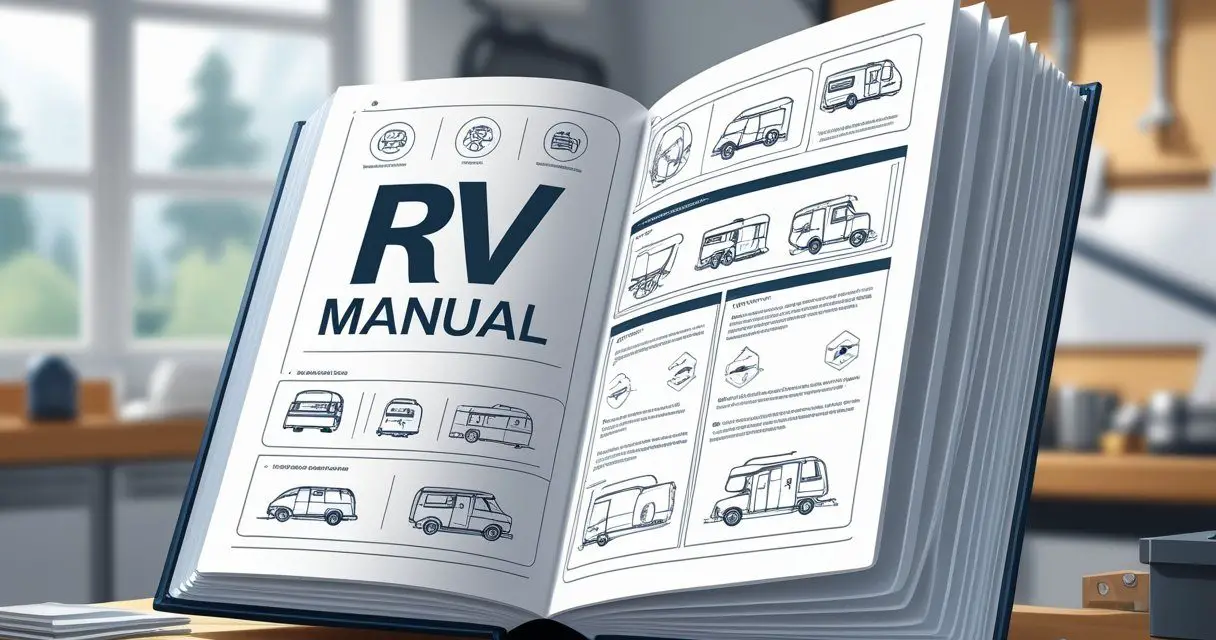
We know, we know—manufacturer manuals came in dead last in our poll at 5%. But here’s the truth: your RV’s owner’s manual is actually an excellent resource, containing detailed information about all the systems in your specific rig.
The problem? Most RV manuals are about as exciting as reading the phone book and often contain generic information that applies to seventeen different floor plans. But they do include critical specs like tank capacities, weight ratings, and maintenance schedules specific to your model.
The compromise: Use your manual for technical specs and warranty information, then supplement with YouTube tutorials for the “how-to” demonstrations. It’s like having both the textbook and the cool teacher who makes learning fun.
Why YouTube Absolutely Crushed the Competition
So why did YouTube tutorials dominate our poll with 79% of the vote while manufacturer manuals and professional training languished at the bottom like forgotten camping gear in your basement?
The answer is brilliantly simple: YouTube combines visual learning with accessibility and community in a way that no other medium can match. When your water heater starts making concerning noises at 10 PM on a Saturday, you’re not going to schedule a professional training course or wade through a 200-page manual written in “manufacturer-ese.” You’re going to grab your phone, search “RV water heater troubleshooting,” and watch someone who’s been there, done that, and filmed the whole thing in glorious 4K.
Channels like RV Geeks, RV Tips & Travels, and Keep Your Daydream have mastered the art of making maintenance approachable, entertaining, and—most importantly—free. You can pause, rewind, and replay the tricky parts without feeling judged. You can watch someone else make mistakes so you don’t have to. And let’s be honest—seeing the actual problem and solution is worth a thousand words of manual descriptions.
RV forums (11%) still have their place, especially for those obscure issues where you need collective wisdom from people who’ve owned your exact rig since 2003. Popular forums like iRV2 and Forest River Forums offer deep community knowledge and brand-specific expertise.
As for manufacturer manuals and professional training bringing up the rear at 5% each? It’s not that they’re useless—they’re just not the first resource modern RVers reach for. They’re more like insurance policies: good to have, critical in certain situations, but not exactly thrilling to engage with on a regular Tuesday.
The future of RV maintenance learning is clearly visual, accessible, and community-driven. And honestly? That’s probably a good thing for all of us navigating the wonderfully complicated world of RV ownership.
Sources
- RV Roof Blog – Planning for 2026 RV Maintenance Goals
- RVshare – RV Maintenance 101: Daily, Weekly & Seasonal Checklists
- RV Life – Essential Maintenance Tips
- The RV Shop – Top 5 Common RV Repairs & How to Prevent Them
- Go RVing – Common RV Maintenance Projects
- Harvest Hosts – Top RV YouTube Channels
- Lippert – The Ultimate RV Maintenance Checklist
- Outrig – RV Repair 101: How to Keep Your Rig in Top Shape
- THOR Industries – Tips For Learning Your New RV
- Wheeling to Dream – Ultimate List of RV Forums