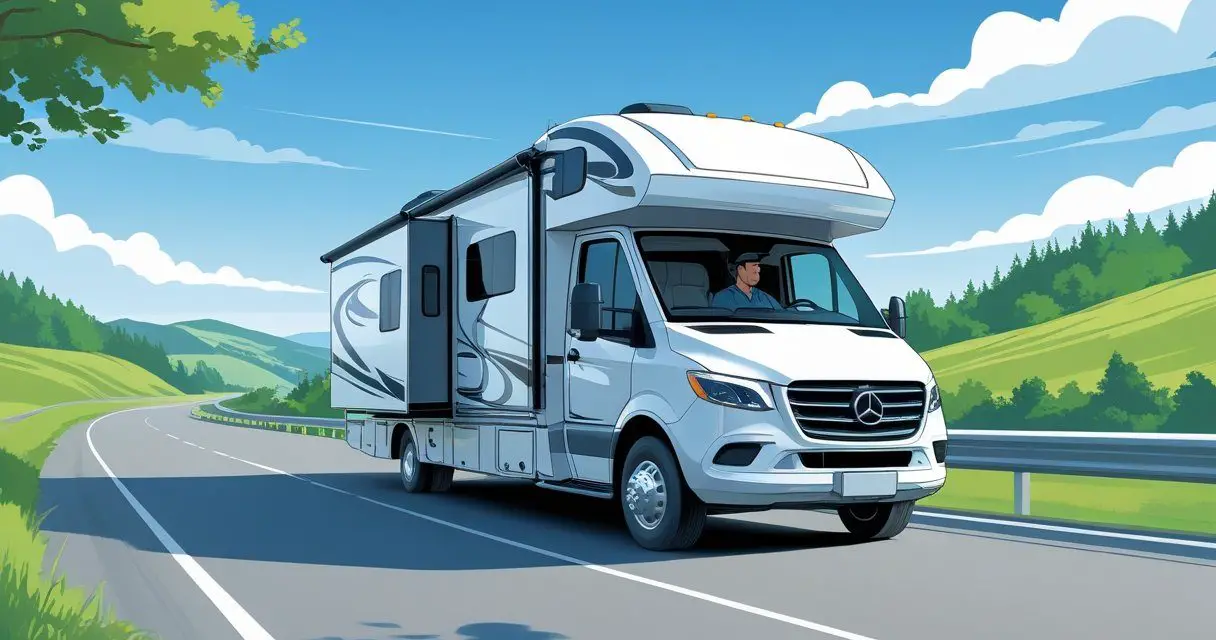
RV slide-outs create extra living space and make camping more comfortable. When it’s time to move to a new location, many RV owners wonder if they need to retract the slides first.
This question becomes especially important when making small adjustments to parking or leveling.
Nearly all RV manufacturers strongly recommend never driving an RV with the slides extended, even for short distances. Moving with slides out can damage the slide mechanisms, cause frame stress, and create unsafe driving conditions.
The slides also make the RV wider than legal road limits and harder to control. Understanding why this matters helps RV owners avoid expensive repairs and safety issues.
The slide systems contain sensitive parts that work together precisely. Even a small move with slides extended can cause problems that cost thousands of dollars to fix.
Key Takeaways
- RV manufacturers recommend always retracting slides before moving the vehicle to prevent damage and maintain safety
- Driving with slides out can damage mechanisms, exceed legal width limits, and cause frame stress from uneven weight distribution
- Proper slide maintenance and following best practices for extending and retracting slides helps avoid costly repairs and keeps the RV in good condition
Can You Drive an RV With the Slide Out Extended?
Driving an RV with slide-outs extended is dangerous and should never be done. Most manufacturers explicitly state in owner’s manuals that slide-outs must be retracted before moving the vehicle, and there are serious legal and safety reasons for this requirement.
Manufacturer Recommendations
RV manufacturers consistently prohibit driving with slide-outs extended in their owner’s manuals. The slide-outs are not engineered to handle the stress and vibration that occurs during travel.
When extended, these sections lack the structural support needed to withstand road movement. The mechanical components of an RV slide-out can suffer immediate damage from even short distances.
Slide-out rails can bend easily, with replacement costs running hundreds of dollars per rail. The motors and electrical systems become exposed to excessive tension when extended during movement, which can cause complete system failure.
Alignment issues commonly develop when an RV moves with extended slide-outs. The weight distribution shifts significantly, placing strain on the slide mechanisms.
This can result in permanent damage to the mounting system and the RV’s frame itself.
Legal Regulations and Road Width Limits
The legal maximum width for vehicles on most roads is 8.5 feet. Standard travel trailers and motorhomes typically measure 8 feet wide when slide-outs are retracted.
RV slide-outs add 2 to 3 feet of additional width when extended. This means an RV with extended slide-outs can reach 10 to 11 feet wide, exceeding legal limits by a significant margin.
Driving an oversized vehicle without proper permits violates traffic laws in most jurisdictions. The extended width also makes side mirrors useless since they cannot provide adequate visibility for the actual vehicle dimensions.
The extra width creates hazards on two-lane roads where the RV would extend into oncoming traffic lanes. On highways, the vehicle takes up more than a single lane, increasing collision risks with adjacent vehicles.
Real-World Scenarios and Emergency Moves
Some RV owners consider leaving slide-outs extended for very short movements, such as repositioning a few feet at a campsite. This practice causes the same damage as driving longer distances.
The slide-out components experience stress from any movement, regardless of the distance traveled. Common scenarios where owners are tempted to move with slides out:
- Adjusting position for better leveling
- Moving to a different spot in the same campground
- Pulling forward or backward a short distance
If an RV slide-out becomes stuck in the extended position, the owner should never attempt to drive. The proper response is to manually retract the slide-out using the emergency override system.
Most RV slide-outs include a manual retraction method that requires accessing the motor mechanism. If manual retraction is not possible, calling a mobile RV repair technician is necessary before moving the vehicle.
Why Driving With Slide Outs Is Dangerous
Driving an RV with slide-outs extended creates serious safety risks that affect both the driver and other vehicles on the road. The dangers range from physical collisions with other traffic to mechanical damage and loss of vehicle control.
Risk of Collisions and Accidents
An RV with extended slide-outs exceeds the legal width limit of eight and a half feet for vehicles on public roads. Slideouts typically add two to three feet to the width of an RV, pushing the total width well beyond what lanes can safely accommodate.
This extra width makes the RV stick out into adjacent lanes. On two-lane roads, the extended slide can reach into oncoming traffic lanes, forcing other drivers to swerve to avoid a collision.
Highways present similar dangers as the RV takes up more space than a single lane allows. The RV’s mirrors become useless with slide-outs extended.
They can’t show the true edges of the vehicle, leaving massive blind spots. Drivers lose the ability to judge distances and see vehicles in adjacent lanes, making lane changes and turns extremely hazardous.
Impact on Vehicle Stability
Extended slide-outs destroy the aerodynamic design of an RV. The vehicle was engineered to move with slides retracted, and opening them creates unbalanced weight distribution and increased wind resistance.
This imbalance makes the RV much harder to steer and control. The vehicle becomes prone to swaying, especially at highway speeds or in windy conditions.
The risk of rollover accidents increases significantly because the weight distribution shifts in ways the chassis wasn’t designed to handle. Fuel efficiency drops dramatically with slide-outs extended.
The poor aerodynamics force the engine to work harder, burning more fuel and requiring more frequent stops. The vehicle’s handling becomes sluggish and unpredictable, making emergency maneuvers nearly impossible.
Hazards to Slide-Out Components
RV slide-outs were never designed to handle the stress and movement of driving. The rails, motors, and mechanical systems that operate the slideout are built for stationary extension and retraction, not for bearing weight and vibration during travel.
Even short distances cause damage to slide-out rails, which can bend under the strain. These rails cost hundreds of dollars each to replace.
The alignment of the entire slide mechanism can shift, creating problems that prevent the slideout from retracting properly later. Slide-out toppers can tear off during movement, damaging the RV’s exterior walls.
The seals around slide-outs wear down rapidly when exposed to wind and debris while extended. Motor components and electrical systems become strained, potentially causing the slideout to become stuck in the open position.
Types of RV Slide Outs and Their Limitations
Different slide out mechanisms have unique strengths and weaknesses that affect their reliability and maintenance needs. Each system works differently and faces specific limitations when it comes to driving with slides extended.
Rack and Pinion Slide Mechanisms
Rack and pinion systems use gears to extend and retract slide outs. A motor turns a pinion gear that moves along a rack attached to the slide room.
This creates a smooth and controlled movement. These systems are visible from underneath the RV.
The gear mechanism sits exposed, which makes inspection and manual operation easier during breakdowns. Key characteristics include:
- Strong weight capacity for larger slide rooms
- Less prone to cable stretching issues
- Easier to manually retract when power fails
- More noise during operation than other systems
The rack and pinion design handles heavy loads well. It’s often found on larger fifth wheels and Class A motorhomes.
The gears can wear over time and need lubrication to prevent damage.
Schwintek Slides and In-Wall Systems
Schwintek slides mount inside the RV walls rather than underneath. These in-wall systems use electric motors connected to arms that push the slide room out.
The motors sit on each side of the slide. This design protects the mechanism from road debris and weather.
The system stays cleaner and requires less maintenance than exposed systems. Main features are:
- Compact design saves space
- Quieter operation
- Protected from external elements
- Can fail if motors lose synchronization
Both motors must work together perfectly. If one motor fails or runs faster than the other, the slide can bind or twist.
This makes driving with Schwintek slides extended especially risky since any stress on the mechanism can cause motor damage.
Cable Slides and Their Usage
Cable slides use steel cables and pulleys to move the slide room. An electric motor winds the cables to pull the slide in or let it out.
The cables run through tracks under or beside the slide. These systems work well for smaller, lighter slide outs.
They’re common on travel trailers and smaller motorhomes. Notable aspects include:
- Lower cost than other systems
- Lighter weight
- Limited weight capacity
- Cables can stretch or fray over time
The cables need regular inspection for wear. Frayed cables can snap, leaving the slide stuck in the extended position.
Driving with cable slides out puts extreme stress on the cables and can cause immediate failure. The system wasn’t designed to handle the vibration and movement of road travel.
Hydraulic Slides and Larger Extensions
Hydraulic slides use fluid pressure to extend and retract slide rooms. A hydraulic pump pushes fluid through lines to cylinders that move the slide.
These systems handle the heaviest loads and longest extensions. Large Class A motorhomes often use hydraulic systems.
They can extend slides up to three feet or more. The smooth power delivery prevents jerking or binding.
Primary characteristics are:
- Highest weight capacity
- Smoothest operation
- Can power multiple slides from one pump
- More complex maintenance requirements
Hydraulic lines can develop leaks over time. Low fluid levels cause weak performance or complete failure.
The system requires specific hydraulic fluid and regular checks. Driving with hydraulic slides extended risks damaging the cylinders and seals.
The constant movement and vibration can bend the cylinder rods. This type of damage costs thousands to repair and often requires replacing the entire hydraulic assembly.
Potential Damage From Driving With the Slide Out
Driving with an RV slide-out extended can cause serious mechanical and structural problems that cost thousands of dollars to repair. The slide-out system wasn’t designed to handle the stress and movement that happens when an RV is in motion.
Structural Issues and Frame Integrity
The RV’s frame and walls experience significant stress when slide-outs remain extended during travel. The weight distribution shifts in ways the manufacturer never intended, putting pressure on parts of the frame that aren’t built to handle it.
The slide-out rails can bend or warp from the constant movement and vibration. Even traveling a short distance can cause misalignment between the slide mechanism and the RV body.
This misalignment makes it harder to retract the slide later and can prevent it from sealing properly. The walls around the slide-out opening may develop cracks or separations.
These structural issues often spread beyond the immediate slide area and affect the entire side of the RV. Repairing bent rails costs hundreds of dollars per rail, and multiple rails usually need replacement when damage occurs.
Hydraulic slide-outs face additional risks because the extended position puts constant pressure on the hydraulic system. The motor or pump can overheat or fail completely when forced to work against the movement forces.
Damage to Slide-Out Tracks and Seals
The tracks that guide the rv slide-out in and out are precision-engineered components that don’t tolerate movement while extended. Road vibrations cause the slide to shift slightly within its opening, creating friction against the tracks.
This friction wears down both the tracks and the slide-out box itself. The rubber seals around the slideout perimeter compress and stretch in unnatural ways during travel.
These seals normally only compress when the slide extends and contacts the RV body. Movement while extended tears the seals or pushes them out of position.
Slide toppers, if installed, will likely tear off completely. The wind catches these awning-like covers and rips them away from their mounting points.
This creates damage to both the topper and the RV’s exterior where it was attached.
Weather Exposure and Water Leaks
Extended slide-outs expose vulnerable components to rain, road spray, and debris. The electrical connections for the slide motor become accessible to moisture, which can cause shorts or complete electrical failure.
Water intrusion through damaged seals creates permanent damage to interior walls and flooring. The slide mechanism itself lacks protection when extended.
Road grime and water enter the track system and mix with the lubricants, turning them into an abrasive paste that accelerates wear.
Safety Features and Emergency Solutions
RV slide outs can malfunction at inconvenient times, but most motorhomes include backup systems to address these issues. Knowing how to manually retract a stuck slide and understanding safe practices for unavoidable short moves can prevent costly damage and keep travelers safe.
Manual Retraction and Backup Systems
Most RVs with slide outs include a manual override system that operates without electricity. The manual retraction mechanism typically uses a hand crank or drill attachment to move the slide.
Owners should locate this tool in their RV storage compartments before an emergency occurs. The process involves accessing the slide motor, which varies by model but usually sits near the slide mechanism.
Some motorhomes require removing an access panel inside a cabinet or underneath the RV. The manual override engages gears that normally work through the electric motor.
RV manufacturers often include instructions in the owner’s manual showing the exact location of the manual override point. Travelers should practice this procedure at least once while the slide functions normally.
Dealing With a Stuck Slide Out
A slide out that won’t retract might not actually be broken. Owners should first check if the slide is in the locked position, as this is a common oversight during the process of breaking down camp.
If the lock isn’t engaged, gently pushing on the slide while someone operates the retraction button can sometimes help. Forcing the slide can bend rails or damage seals, so light pressure is important.
Each rail replacement can cost hundreds of dollars. When these simple fixes don’t work, calling a mobile RV repair technician becomes necessary.
Some travelers attempt manual retraction themselves, though this requires mechanical confidence and can result in grease stains and time investment.
Precautions for Short-Distance Moves
Moving an RV even a few feet with slides extended can cause serious mechanical damage. The slide rails bend easily under the stress of movement, and alignment issues develop quickly.
These problems affect the slide’s ability to function properly in the future. In rare emergencies where moving becomes absolutely necessary with a stuck slide, speeds must stay extremely low.
The RV should only move on private property where width restrictions don’t apply. Other vehicles and structures pose collision risks that increase exponentially with extended slides.
The maximum legal width for vehicles is 8.5 feet, and most slides add 2-3 feet beyond this limit. Driving on public roads with extended slides violates traffic laws in most jurisdictions.
The better option involves waiting for professional repair rather than risking thousands in damage to the motorhome structure and slide mechanisms.
Best Practices for Slide-Out Use and Travel
Would you like to save this article?
Proper slide-out management protects both the RV and its mechanical systems from unnecessary damage. Following a consistent routine before each trip and maintaining the slide mechanisms prevents costly repairs and ensures the RV remains functional on the road.
Pre-Trip Inspection Checklist
Every RV owner should verify all slides are fully retracted before driving. The slide frame must sit flush against the outer wall with no gaps visible from inside or outside the RV.
Check that all slide locks or travel bars are engaged. These devices prevent the slide from shifting during transit, which can damage the mechanism or sidewall.
Some RVs require manual installation of travel bars, while others have automatic locking systems. Remove all items from slide-out areas that could shift or fall during retraction.
This includes dishes, decorations, and loose objects on countertops or tables. Verify cabinet doors and drawers in the slide are latched securely.
Inspect the slide seals for cracks, tears, or debris before retracting. Clean seals prevent water intrusion and reduce wear on the rubber gaskets.
A quick visual check of the motor and mechanism components can catch obvious issues before they become problems on the road.
Floorplan Considerations When Slides are In
Most RV floorplans become significantly tighter with slides retracted. Dinette and couch slides often block walkways entirely when closed, making certain areas of the RV inaccessible during travel.
Owners should not step on or sit in slide-out furniture when retracted. The floor structure lacks support from the main frame in this position, and the slide mechanism alone carries the weight.
This creates stress on mounting points that are designed for travel loads, not static human weight. Plan restroom breaks and meal stops accordingly, as accessing the bathroom, kitchen, or sleeping areas may require extending slides.
Some floorplans maintain clear paths to essential areas, but many do not.
Routine Maintenance for Slide-Out Systems
Slide mechanisms require lubrication every few months or as specified in the owner’s manual.
Schwintek, rack and pinion, and cable systems each have specific lubrication points and recommended products.
Clean and treat the rubber seals with appropriate seal conditioner three to four times per year. This prevents cracking and maintains flexibility in varying temperatures.
Inspect seals during cleaning for wear or damage that could allow water infiltration.
Test slide operation monthly, even during storage periods. This prevents mechanisms from seizing and identifies problems before travel.
Listen for unusual noises during extension and retraction that might indicate worn gears or motor issues.