Are you pulling your hair out trying to figure out if your RV air conditioner can run while you’re cruising down the highway? You’re not alone. Thousands of RVers face the same electrical mysteries every single day. Todd from the National RV Training Academy tackles the most common RV electrical questions that keep showing up in comment sections everywhere.
From lithium batteries that seem to have a mind of their own to generators that overload way too early, you’ll get straight answers without the technical jargon. Whether you’re brand new to RVing or you’ve been on the road for years, these solutions will save you time, money, and a whole lot of frustration.
1. Running Your RV Air Conditioner While Driving (Yes, You Actually Can!)
Here’s the million-dollar question: Can you flip on your RV AC an hour before arrival to cool things down?
The answer is a resounding yes!
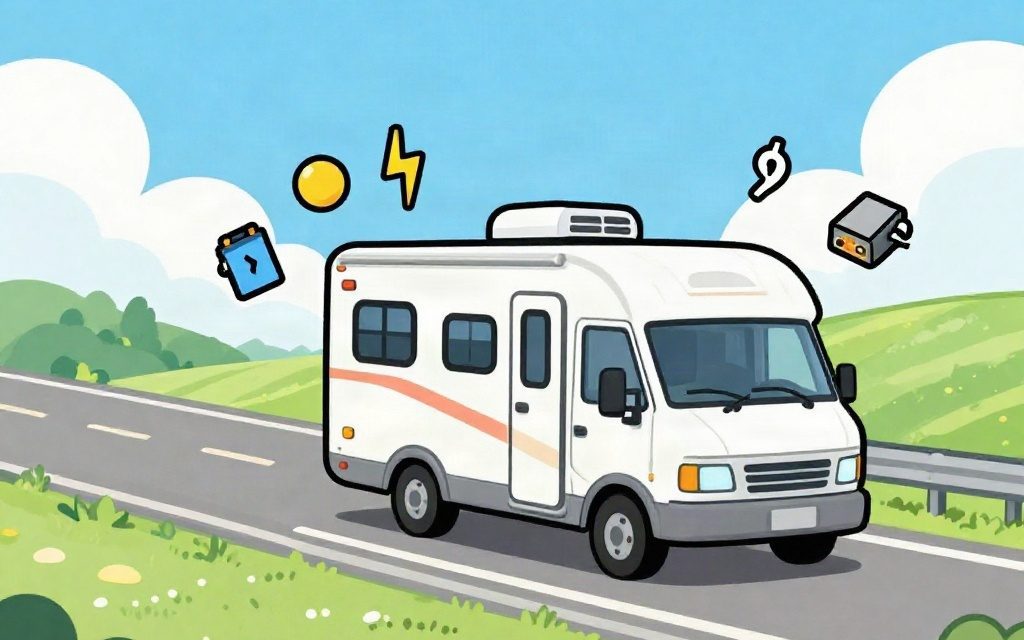
If you’ve got an inverter or onboard generator, you can absolutely run your air conditioner while rolling down the highway. Most RV air conditioners are actually designed to operate while moving. That front shroud on top of your RV isn’t just for looks—it prevents air from hitting the front and forces airflow back through the condenser coils. This design actually makes your AC work more efficiently on the road because it’s constantly pulling heat off those coils.
Here’s what you need to know:
| System Type | Power Required | Battery Life |
|---|---|---|
| 2,500W Inverter + 400Ah Lithium | 1,200-1,900W running | 2-3 hours |
| Onboard Generator (3,000W+) | 1,400-2,000W running | Limited by fuel |
| Standard 13,500 BTU AC | 3,000W startup surge | Brief spike only |
According to industry data, most RV air conditioners draw between 900 and 2,000 running watts, with startup surges that can briefly climb to 3,500 watts or more. Your setup with a 2,500-watt inverter and 400 amp hours of lithium batteries gives you plenty of cushion.
Pro tip: Turn on your AC at your last fuel stop. You’re already stopping to fill up anyway, so why not make it the official “cool-down checkpoint”? No need to worry about overheating components—if nothing heats up during your test runs, you’re golden.
You wouldn’t drive your tow vehicle without climate control, so why should your furry companions or family members suffer in a hot trailer? Your batteries and inverter can handle it, and honestly, most experienced RVers refuse to travel unless the AC is running.
2. The 50-Amp RV With a Single-Leg Inverter Dilemma (It’s Complicated)
Got a 50-amp RV but only a single-leg inverter? You’re playing electrical Jenga, my friend.
Here’s the setup: One RVer has a Grand Design fifth wheel with 50-amp service, a 3,000-watt inverter with a 30-amp terminal connection, and a creative wiring solution using adapters. They run the RV’s 50-amp power cord through a TT-30 pigtail adapter down to 30 amps, then back up to 50 amps. The converter gets turned off at the circuit panel to avoid charging loops.
Does it work? Technically, yes—but only if you’re never plugged into shore power through that inverter.
The problem is in the “dog bone” adapter dance you’re doing. A 50-amp RV has two legs of power (two 120V lines), but a single-leg inverter only outputs one 120V line. You’re combining those two legs down to one, then splitting them back out again. As long as you’re only running on battery power through the inverter, you’re fine.
But here’s where it gets dangerous: Most modern inverters have pass-through power, meaning 120 volts goes in and comes back out. If you accidentally plug into shore power while wired this way, you could create electrical fireworks that would make the Fourth of July jealous.
| System Component | Voltage | Amperage | Risk Level |
|---|---|---|---|
| 50-amp RV panel | 240V (split) | 50A per leg | Low |
| 30-amp inverter output | 120V (single) | 25A actual | Medium |
| Combined adapter setup | 120V converted | Variable | HIGH |
According to the National RV Training Academy, there are better ways to handle this situation that don’t involve creative wiring tricks. But if you’ve been running this setup without sparks, you’ve clearly done something right—just never, ever plug into shore power through that configuration.
Think of it this way: You’re essentially asking one juggler to keep two sets of bowling pins in the air. Sure, a skilled performer might pull it off temporarily, but it’s not the show you want to run every night. The safer route would be upgrading to a proper dual-leg inverter system or accepting the limitations of your current setup.
3. The Mystery of the Lazy Lithium Battery (Why One Stays at 100% While the Other Drains)
Imagine having two lithium batteries that are supposed to work as a team, but one’s basically on permanent vacation while the other does all the heavy lifting. That’s not normal, and it’s definitely not okay.
When you wire two 100 amp-hour lithium batteries together, they should both discharge equally. If one stays pegged at 100% while the other drains, you’ve got one of three problems:
Problem #1: Loose or Open Connection
Check every connection between that “lazy” battery and your loads. A loose terminal, corroded connection, or even a wire that looks connected but isn’t making good contact can cause one battery to stay in standby mode.
Problem #2: BMS in Protection Mode
The Battery Management System (BMS) inside your lithium battery might have detected something it doesn’t like—maybe a temperature issue, voltage spike, or internal fault. When the BMS goes into protection mode, it won’t allow power out, leaving you with one battery doing all the work.
Problem #3: Faulty Wiring Between Batteries
Your batteries need to be wired in parallel (positive to positive, negative to negative) with equal length cables. If one battery has longer or thinner cables, it’ll have higher resistance and won’t contribute its fair share.
| Issue | Symptom | Fix |
|---|---|---|
| Loose connection | One battery at 100% | Tighten all terminals |
| BMS protection | Battery won’t discharge | Reset BMS or check temp |
| Unequal cable length | Uneven discharge rates | Replace with matched cables |
Here’s the thing: Your batteries aren’t propane tanks. They don’t work on a “one drains, then switch to the other” system. They’re supposed to be like synchronized swimmers—moving together in perfect harmony. When one’s doing the backstroke while the other floats motionless, you know something’s wrong.
The RV battery market is projected to grow from USD 1.2 billion in 2024 to 2.14 billion by 2033, which means more people are making this exact same switch to lithium. Don’t be part of the statistic of folks who installed fancy lithium batteries but forgot to check the basics.
Bottom line: Grab a multimeter, check those connections, and if that lazy battery still won’t pull its weight, you might need to contact the manufacturer about a warranty claim. One battery working while the other sits idle is like paying for a two-burner stove but only having one that lights—unacceptable.
4. Why Your 6,000-Watt Generator Can’t Power More Than 2,800 Watts (The Inverter Bottleneck)
This one’s a real head-scratcher: You’ve got three 300 amp-hour Big Beard lithium batteries (congratulations, by the way—you hit the battery lottery), a Victron MultiPlus 2×120, and a beefy 6,000-watt Onan generator. So why does your MultiPlus trip out if you try to consume more than 2,800 watts?
Welcome to the world of split-phase limitations.
Here’s what’s happening: Your 6,000-watt generator puts out 120 volts, not 240. In the RV world, anything 7,000 watts or below is typically single-phase 120V. Your Victron MultiPlus 2×120 is programmed to expect split-phase 240V (two 120V legs), but it’s only seeing one leg coming in from the generator.
When the inverter sees 120V coming in on just one leg, it does something clever—it passes that one side through and tries to create the second leg by inverting from your batteries. But here’s the catch: You’re hitting the inverter’s continuous capacity limit of 2,400 watts (it’ll push 2,800W for a few minutes during surge, then overheat).
| Component | Rated Power | Actual Usable Power | Why the Difference? |
|---|---|---|---|
| Onan 6,000W Generator | 6,000W | ~3,000W per leg | Split into two 120V legs |
| Victron MultiPlus 2×120 | 4,800W (combined) | 2,400W (single leg) | Only one leg from generator |
| Total Available | 6,000W (theoretically) | 2,800W (reality) | Inverter bottleneck |
You’ve got two solutions:
Solution #1: Install an Auto-Former ($1,500-$2,000)
An auto-former converts that single-phase 120V from your generator into proper split-phase 240V. The Victron auto-former can do this, but you’ll still need to be careful not to overload it. Full-capacity auto-formers that can handle the entire 6,000 watts from your generator cost $1,500 to $2,000 just for the transformer itself.
Solution #2: Add a Second Inverter ($2,000-$3,000)
Install a second identical MultiPlus unit and parallel them together. This way, you’ll have one inverter for leg one and another for leg two. You’ll get closer to the 4,800-watt continuous capacity from both inverters working together.
Think about it like this: You bought a Ferrari engine but installed it in a car with bicycle tires. That generator wants to give you all 6,000 watts, but your single-leg inverter setup is the bottleneck holding everything back. It’s not a fault with either component—they’re just not speaking the same electrical language.
The global RV battery market is experiencing massive growth, and with it comes increasingly sophisticated electrical systems. But sophistication means nothing if the components can’t communicate properly.
Essential RV Electrical Products for Your Setup
Now that you understand your RV electrical system better, here are some must-have products to keep your setup running smoothly:
Power Inverters
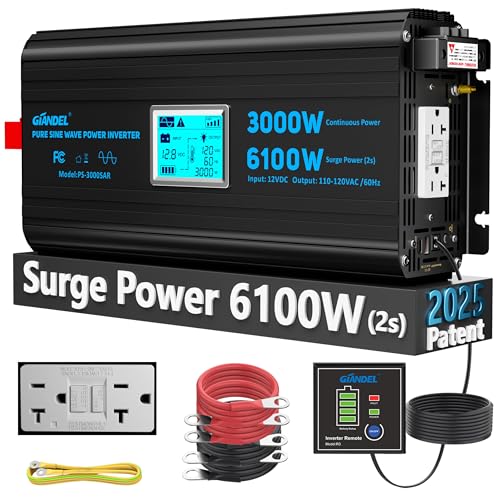

Ideal for smaller RV setups with 2,000 watts continuous power and 4,000 watts surge capacity. Compact design with LCD display.
Lithium Batteries
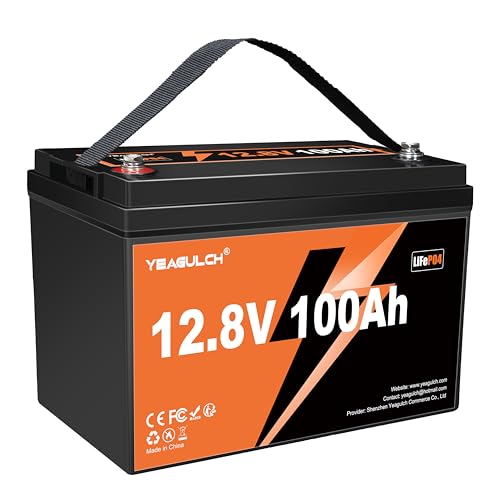
Renogy 12V 200Ah Lithium Iron Phosphate Battery
Double the capacity of standard 100Ah batteries with maintenance-free operation and excellent temperature tolerance.


Generators
Westinghouse iGen4500 Super Quiet Portable Inverter Generator
Ultra-quiet operation at 52 dB with remote start, fuel shutoff, and RV-ready outlets. Perfect for campground use.

Electrical Accessories
Progressive Industries EMS-HW30C Hardwired RV Surge Protector
Protects your entire RV electrical system from surges, open grounds, and reverse polarity. A must-have for any serious RVer.


Final Thoughts: Electrical Confidence on the Road
Understanding your RV’s electrical system doesn’t require an engineering degree. It just takes the right information and willingness to learn.
Whether you’re trying to stay cool on a six-hour drive, troubleshooting battery issues, or figuring out why your generator won’t deliver its full power, these answers give you the foundation to make smart electrical decisions. The RV lifestyle is all about freedom and adventure, but that freedom depends on reliable power systems that work when you need them.
Remember these key takeaways:
✅ Your AC can run while driving with the right inverter/generator setup
✅ 50-amp RVs need proper dual-leg inverter systems—not creative adapter workarounds
✅ Both lithium batteries should discharge together—if one stays at 100%, you’ve got a problem
✅ Generator wattage doesn’t matter if your inverter can’t handle split-phase properly
The RV electrical market continues to evolve rapidly, with lithium batteries becoming more affordable and inverter technology improving every year. Stay educated, ask questions, and never be afraid to reach out to professionals like Todd and the National RV Training Academy when you hit a wall.
SOURCES
https://www.jackery.com/blogs/knowledge/how-many-watts-does-an-rv-ac-use
https://udpwr.com/blogs/portable-power-station-knowledge/rv-ac-watts
https://www.renogy.com/blogs/general-solar/how-many-watts-does-an-rv-air-conditioner-use
https://www.databridgemarketresearch.com/reports/global-recreational-vehicles-rvs-batteries-market
https://www.fortunebusinessinsights.com/recreational-vehicles-rvs-batteries-market-109972
https://www.linkedin.com/pulse/rv-battery-market-size-forecast-analysis-stratentu-labs-emvgf
https://nrvta.com/guide-to-rv-electrical-systems-how-they-work-components-and-common-problems
https://www.wildmountainrv.ca/post/rv-electrical-systems
https://technorv.com/blogs/articles/how-does-an-rv-electrical-system-work