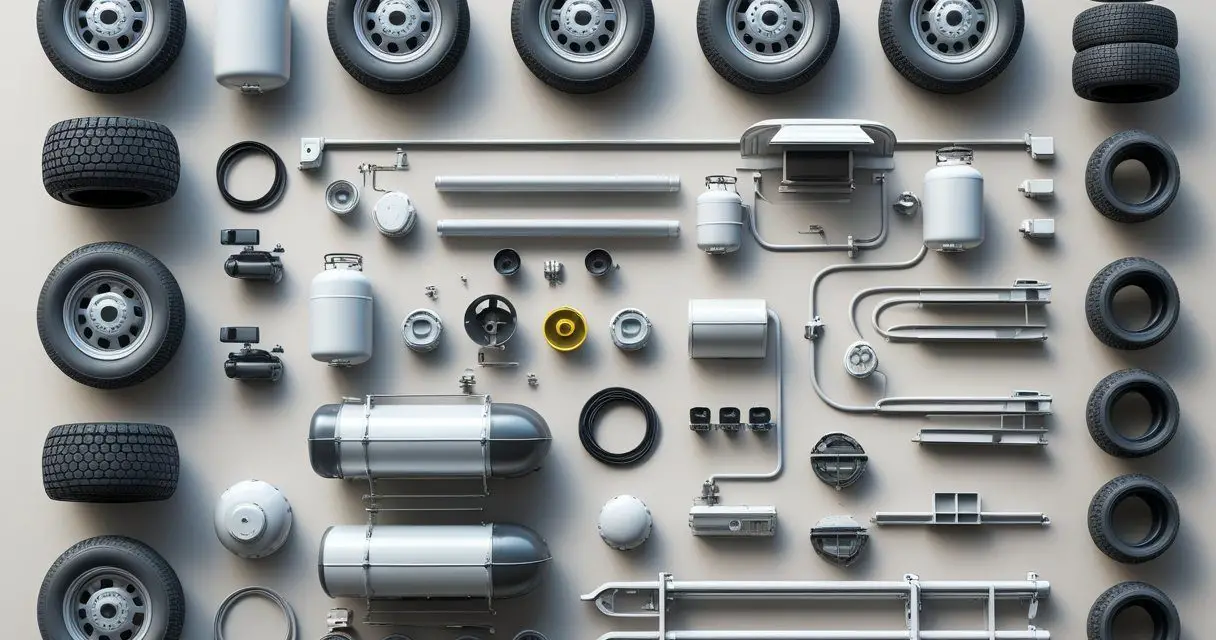
The eternal quest for RV parts is one that every RV owner knows all too well – whether you’re fixing a leaky faucet at midnight or upgrading your rig’s creature comforts for the next adventure. Finding reliable, affordable, and quality parts can mean the difference between a smooth journey and an unexpected roadside repair that drains both your wallet and your patience.
The RV parts marketplace has evolved dramatically in recent years, with traditional brick-and-mortar stores facing stiff competition from online retailers and specialty chains vying for your hard-earned dollars. We recently posed this question to our newsletter subscribers: “What’s your preferred RV parts source?” The results paint a fascinating picture of how modern RVers are shopping in 2026. If you haven’t already subscribed to our newsletter, make sure you do so you can participate in future polls and help shape our community insights!
The Poll Results Are In
| RV Parts Source | Percentage of Votes |
|---|---|
| Amazon | 56% |
| Camping World | 17% |
| Local RV shops | 16% |
| RV dealerships | 11% |
Would you like to save this article?
Amazon Reigns Supreme in the RV Parts Kingdom
Holy smokes – Amazon absolutely crushed this poll with a commanding 56% of the vote! It appears that Jeff Bezos has successfully infiltrated every corner of American life, including the humble world of recreational vehicles. Who would have thought that the same place you buy toilet paper and dog toys would become the go-to source for RV water pumps and awning parts?
The numbers don’t lie: more than half of RVers are embracing the “click, ship, done” lifestyle when it comes to maintaining their rigs. Gone are the days of driving store to store, hoping someone has that one specific widget in stock. Now you can order it from your campsite while wearing your pajamas and sipping your morning coffee, watching the sunrise over the mountains.
What’s particularly amusing is imagining traditional RV dealerships watching their parts departments slowly gather dust while Amazon Prime trucks zoom past their parking lots. The convenience factor is simply too powerful to ignore – especially when you’re parked somewhere remote and need a part delivered to the nearest campground office.
The Battle for Second Place Gets Interesting
In what can only be described as a nail-biter, Camping World squeaked ahead of local RV shops by just one percentage point (17% versus 16%). It’s like watching a slow-motion race where nobody’s quite sure who crossed the finish line first. Meanwhile, RV dealerships limped into fourth place with 11% – roughly the same odds you have of finding a perfectly level campsite on the first try.
These results tell an interesting story about brand loyalty in the RV world. While Amazon dominates, there’s still a significant chunk of RVers who value face-to-face interaction, immediate availability, and expert advice that only comes from talking to someone who actually knows what a gray water tank is.
5 Expert Tips for Smart RV Parts Shopping
1. Always Verify Part Compatibility Before Purchasing
One of the biggest mistakes RVers make is assuming a part will fit just because it looks similar or has a comparable description. RV manufacturers use components from dozens of different suppliers, and what works on one model might not work on another – even within the same brand.
Before ordering any part, locate your RV’s exact make, model, year, and VIN number. Take clear photos of the existing part from multiple angles, including any visible model or serial numbers. As experts at Collier RV Center advise, “Look for OEM (Original Equipment Manufacturer) parts that are specifically designed for your RV model. These parts often come with warranties and guaranteed compatibility.”
Many online retailers, including Amazon, have robust return policies, but returning a heavy or bulky RV part can be expensive and time-consuming. Spending five extra minutes verifying compatibility can save hours of frustration and potentially hundreds of dollars in shipping fees.
2. Compare Prices Across Multiple Sources (Including Local Shops)
Just because Amazon dominated our poll doesn’t mean they always offer the best price. According to discussions on iRV2 Forums, savvy RVers report finding instances where Camping World actually beat Amazon’s pricing, especially when factoring in promotional coupons and clearance sales.
Create a quick price comparison checklist: check Amazon, Camping World’s website, your local RV shop, and the manufacturer’s direct pricing. Don’t forget to factor in shipping costs and delivery time – a slightly higher price at a local shop might be worth it if you need the part today rather than in two days.
RVshare recommends doing online research even if you plan to buy from a physical store: “Even if you do purchase from a brick and mortar store, it’s a good idea to do some research online to see what people say about the RV parts and accessories you’re interested in.”
3. Understand the OEM vs. Aftermarket Decision
One critical choice you’ll face when buying RV parts is whether to purchase Original Equipment Manufacturer (OEM) parts or aftermarket alternatives. According to B&D RV Center, “OEM parts are made by the RV’s manufacturer and are guaranteed to fit and function correctly. Aftermarket parts are produced by third-party companies and may offer cost savings.”
OEM parts typically cost more but come with guarantees of exact fit and often include warranty coverage that protects your investment. They’re especially important for newer RVs still under warranty, as using aftermarket parts can sometimes void manufacturer warranties. Aftermarket parts can offer significant savings and sometimes even superior quality, but require more research to ensure compatibility and reliability.
Pete’s RV Center suggests that “OEM RV parts are designed to exactly match the parts that came with your RV when it was first built,” making them the safer choice when you’re unsure about compatibility or quality standards.
4. Build Relationships with Local RV Shops for Emergency Situations
While online shopping offers unbeatable convenience and pricing, don’t completely abandon your local RV shops. These establishments become invaluable when you face emergency repairs, need expert troubleshooting advice, or require immediate installation services that Amazon simply cannot provide.
Consider adopting a hybrid approach: purchase routine maintenance items and common replacement parts online where you’ll save money, but support your local shop for complex repairs, emergency situations, and purchases that benefit from expert consultation. When you’re stranded with a broken water heater on a Friday evening, that local shop owner you’ve been supporting just might answer their phone and save your weekend.
According to Pete’s RV Center, local shops offer advantages that online retailers can’t match: immediate availability, hands-on inspection of parts before purchase, and face-to-face expert advice from technicians who’ve likely seen your exact problem before.
5. Read Reviews from Actual RVers, Not Just General Consumers
Not all product reviews are created equal when it comes to RV parts. A five-star review from someone who installed a water pump in their house doesn’t help you understand if that same pump will work in the unique environment of a moving vehicle subjected to constant vibration and temperature fluctuations.
When shopping on Amazon or other platforms, specifically look for reviews from RVers who mention their RV make and model. Pay attention to comments about installation difficulty, longevity in mobile applications, and whether the part performed as expected under actual travel conditions. As noted by Mountaineer RV, “Reputable brands like Dometic™ and Lippert™ are known for their reliable products” – these household names in the RV industry have earned their reputation through consistent performance.
Also check RV-specific forums and communities where experienced RVers share detailed installation experiences and long-term performance reviews. These insights are often more valuable than generic product ratings because they come from people facing the exact same challenges you are.
Why These Results Make Perfect Sense
The overwhelming victory for Amazon in our poll reflects a perfect convergence of modern consumer behavior, technological advancement, and the unique lifestyle of today’s RVers. Modern RV owners are increasingly tech-savvy, often working remotely from their rigs, and maintaining constant internet connectivity even in relatively remote locations. Amazon’s combination of vast selection, competitive pricing, detailed product information, customer reviews, and rapid delivery simply cannot be matched by traditional retail channels for routine parts purchases.
What’s particularly telling is the razor-thin margin between Camping World, local RV shops, and dealerships, suggesting that while online shopping dominates overall purchasing patterns, physical retail locations still serve crucial niches. These establishments excel at emergency repairs, warranty work, complex installations requiring professional expertise, and situations where hands-on inspection before purchase is essential. The 11% preferring dealerships likely represents owners of newer or luxury RVs who value manufacturer-authorized service and OEM parts, or those dealing with warranty-covered repairs where dealership service is required.
The near-equal split among the three physical retail options reveals something important: brand loyalty matters less than situational convenience in today’s RV parts market. Modern RVers are pragmatic shoppers who choose their parts source based on immediate needs rather than habitual preference. Need a replacement water filter while planning next month’s trip? Amazon. Experiencing a refrigerator failure on Saturday afternoon? Local RV shop. Warranty repair on your brand-new motorhome? Dealership. This flexibility isn’t just preferred – it’s essential for the unpredictable nature of RV life where problems don’t follow a convenient schedule and solutions must adapt to ever-changing circumstances.
Sources
- Little Guy Trailers. “Essential Tips for Buying RV Parts and Accessories.” https://www.littleguytrailers.com/blog/essential-tips-for-buying-rv-parts-and-accessories/
- Mountaineer RV. “Essential Tips for Buying RV Parts and Accessories.” https://www.mymountaineerrv.com/blog/essential-tips-for-buying-rv-parts-and-accessories/
- Collier RV. “A Comprehensive Guide to Buying RV Parts and Accessories.” https://www.collierrv.com/blog/a-comprehensive-guide-to-buying-rv-parts-and-accessories/
- RVshare. “RV Parts – Read This Before Buying Any RV Parts.” https://rvshare.com/blog/rv-parts/
- B&D RV Center. “Tips for Buying RV Parts.” https://www.bdrv.biz/blog/tips-for-buying-rv-parts/
- Pete’s RV Center Indianapolis. “OEM vs Aftermarket RV Parts: Navigating Your Choices.” https://www.petesrvindy.com/blog/oem-vs-aftermarket-rv-parts-navigating-your-choices/
- iRV2 Forums. “Amazon prices vs Camping World.” https://www.irv2.com/forums/f278/amazon-prices-vs-camping-world-636586.html
- Rivertown RV. “The Most Common RV Parts To Replace And How Often To Replace Them.” https://www.rivertownrv.com/the-most-common-rv-parts-to-replace-and-how-often-to-replace-them/