You’ve been dreaming about hitting the open road in your brand-new RV, but here’s a reality check that’ll save your wallet: most RVs are basically expensive ticking time bombs. The RV industry has a dirty little secret that dealerships won’t tell you—two massive corporations control nearly everything you see on the lot, and they’re not exactly focused on making your investment last. According to industry insiders, the overwhelming majority of modern RVs are engineered to barely survive their warranty period, not to last decades.
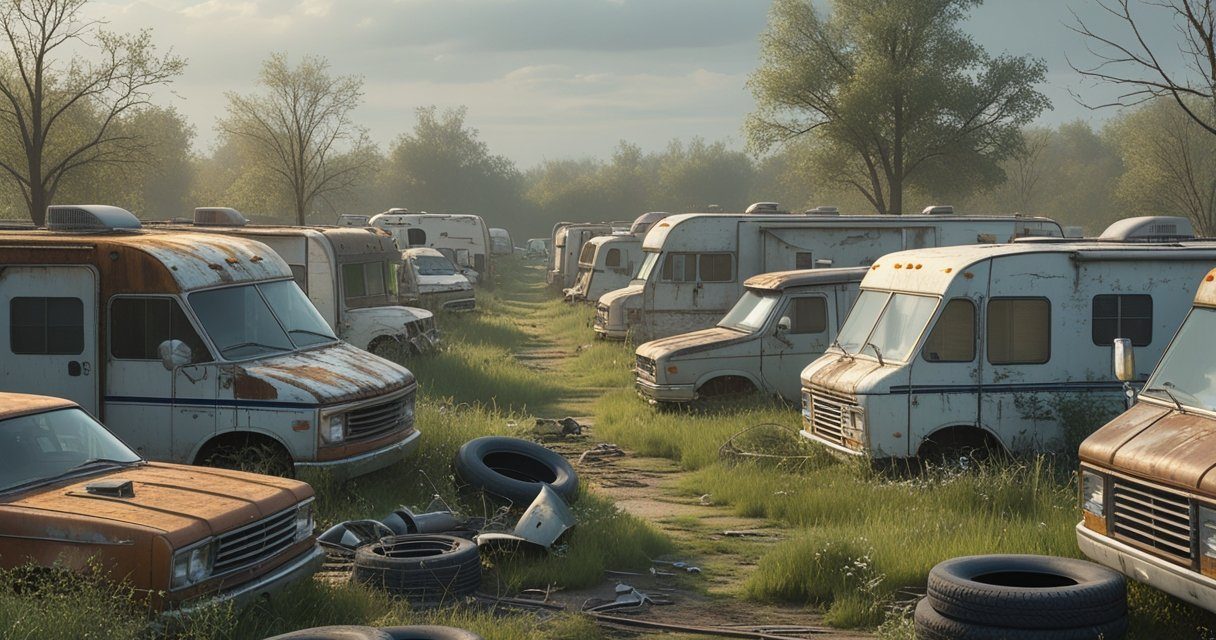
Water damage, wall delamination, and hidden rot have become so common that some RVs are totaled by insurance companies before they hit their third birthday.
But don’t worry—you’re about to learn which brands are actually worth your hard-earned cash and which ones will have you sobbing into your soggy carpet within 12 months.
Would you like to save this article?
1. Oliver Travel Trailers: The Fiberglass Fortress
Why Oliver Stands Out
Oliver Travel Trailers builds double-hull fiberglass trailers with absolutely zero wood to rot. That’s right—no wood means no water-soaked nightmares. These trailers skip the slide-outs that leak in almost every other brand, and they use slow, deliberate production methods instead of rushing units out the door.
The best part? Oliver trailers hold their resale value like gold bars while other RVs depreciate faster than your smartphone. Source
The Numbers Don’t Lie
| Feature | Oliver Travel Trailers | Typical Mass-Market RV |
|---|---|---|
| Construction Material | Fiberglass (no wood) | Wood & glue |
| Slide-Outs | None (no leak points) | Multiple (leak central) |
| Production Speed | Slow by design | Piece-rate (rushed) |
| Resale Value | High retention | Crashes hard |
Reality Check for You
Sure, you’ll pay more upfront for an Oliver, but consider this: you won’t be playing whack-a-mole with water leaks every camping season. While your neighbors are frantically calling warranty departments about their bubbling walls, you’ll be the smug one sipping coffee without a care in the world. It’s like buying a Nokia 3310 in a world of cracked iPhone screens.
2. Select Lance Models: The Aluminum Advantage
What Makes Lance Different
Not all Lance models are created equal, but the select ones with aluminum framing are genuinely better than the corporate clones flooding dealerships. Lance uses superior sealing discipline and fewer badge-engineered shortcuts, which means they’re actually thinking about durability. Source
While they’re not perfect, Lance demonstrates demonstrably better construction than brands owned by Thor Industries or Forest River.
Key Features to Look For
- Aluminum framing (not wood that rots)
- Better quality control than mass-market brands
- Models built before corporate cost-cutting measures
- Proper sealant application and torque specs
Your Truth Bomb
When you’re shopping for a Lance, you need to do your homework and find those golden models with aluminum frames. It’s like finding the perfectly ripe avocado at the grocery store—rare, but totally worth the search. Don’t let a salesperson convince you that all Lance RVs are the same, because they’re absolutely not.
3. Airstream: Aluminum Shells With a Premium Price Tag
The Airstream Story
Airstream is the brand your parents trusted, and they’re still building aluminum shells when everyone else is slapping together plywood and prayers. That iconic silver bullet design isn’t just for Instagram—aluminum construction actually matters for long-term durability. Source
But here’s the catch: quality control has slipped in recent years, and you’re paying a hefty premium for that badge.
The Good and The Bad
Pros:
- Aluminum construction resists rot
- Iconic design with strong brand recognition
- Better resale value than mass-market brands
- Decades of manufacturing experience
Cons:
- Quality control isn’t what it used to be
- Significant price premium
- Paying for the badge as much as the build
- Not immune to modern manufacturing pressures
Here’s What You’re Really Buying
An Airstream is like buying a designer handbag—you’re getting quality, sure, but you’re also paying for that shiny logo. Is it worth it? Maybe, if you can afford the premium and accept that even Airstream isn’t immune to the industry’s race to the bottom. Just remember, that aluminum shell won’t save you from shoddy interior components.
4. Pre-Corporate Era RVs: Old Is the New Gold
Why Vintage Beats New
Hold onto your hats—a well-maintained 1990s Airstream or Lance is often a better investment than a brand-new 2026 Keystone. Before corporate consolidation turned the RV industry into a race to the cheapest construction, manufacturers actually built things to last. Source
These older rigs were constructed when engineers called the shots, not accountants obsessed with quarterly volume targets.
What to Look For in Vintage RVs
| Inspection Point | Why It Matters |
|---|---|
| Moisture Meter Readings | Reveals hidden water damage |
| Structural Integrity | Check frame for rust/damage |
| Maintenance Records | Shows owner care level |
| Seal Condition | Prevents future leaks |
| Underbelly Inspection | Catches rot before purchase |
The Vintage Advantage
Think about it: you can buy a 30-year-old RV that’ll outlast a brand-new one sitting pretty on the dealer lot. It’s like choosing a classic cast-iron skillet over a cheap non-stick pan—the old one might need some seasoning, but it’ll last forever. Your friends will question your sanity until their new rigs start falling apart.
5. Higher-End Class A Diesel Pushers (Newmar & Tiffin)
When You Want the Good Stuff
If you’ve got serious budget, higher-end Class A diesel pushers from Newmar or Tiffin are where you’ll find actual engineering oversight. These aren’t bargain-basement builds—they use thicker walls, better materials, and real quality control. Source
Are they perfect? No. Are they immune to problems? Absolutely not. But they’re not disintegrating in 5 years like their mass-market cousins.
What You Get at This Level
- Thicker wall construction (not cardboard thin)
- Premium materials throughout
- Actual engineering oversight (imagine that!)
- Better attention to detail during assembly
- Components chosen for longevity, not just cost
Investment vs. Expense
A Newmar or Tiffin diesel pusher costs serious money upfront—think “new car” money, not “used Honda Civic” money. But here’s the thing: it’s an investment that won’t turn into a moldy disaster the moment the warranty expires. While cheaper RVs are busy falling apart, yours will actually be holding its value.
The Million-Dollar Question
Sure, you could buy three Forest River trailers for the price of one Tiffin. But why would you want to repair the same water damage three times? It’s like buying cheap shoes that fall apart in six months versus investing in quality boots that last a decade. Math isn’t just for accountants—it’s for smart RV buyers too.
The Ugly Truth About the RV Industry
Corporate Consolidation Killed Quality
Here’s what dealerships won’t tell you: Thor Industries and Forest River control the overwhelming majority of RVs rolling off factory floors today. Different badges, different price tags, same factories, same materials, same shortcuts. Source
That “choice” between brands? It’s an illusion designed to make you feel like you’re shopping around.
The Piece-Rate Problem
Workers in RV factories are paid per unit completed, not per quality outcome. Slow work equals less pay, so sealant passes get skipped, torque specs go unchecked, and fasteners get missed. Former factory workers admit: “You can’t take the time to do it right and still make enough money to live.” Source
What This Means for You
You’re not buying a recreational vehicle—you’re buying a rushed product held together by hope and self-tapping screws. Quality control inspectors look at 20 units per day; they can’t catch everything because they’re not designed to. The system itself is broken.
How to Protect Yourself When Buying
Don’t Be a Victim—Be an Auditor
- Demand moisture meter readings before signing anything
- Insist on underbelly inspections (not just cosmetic checks)
- Use thermal imaging scans to detect hidden problems
- Walk away from deals that feel rushed
- Research NHTSA recall databases for your target brands
Red Flags to Watch For
- Bubbling or soft walls
- Soft floors (especially near bathrooms)
- Musty smells (mold indicator)
- Misaligned slide-outs
- Recent re-sealing (why was it needed?)
The Dealership Illusion
Pre-delivery inspections at dealerships are cosmetic checklists, not durability assessments. They check if lights turn on and doors close—that’s it. Units are sold before long-term defects reveal themselves. Dealership shine is not durability; it’s camouflage. Source
Final Thoughts: Stop Shopping Like a Victim
The era of mass-market RV quality is over—not because it’s impossible to build a durable camper, but because it’s unprofitable under corporate consolidation. Most modern RVs aren’t engineered to last decades; they’re engineered to survive just long enough. Source
But you now have the knowledge to make smarter choices. Stick with Oliver, select Lance models, Airstream (with caution), well-maintained vintage rigs, or higher-end diesel pushers. Everything else is just expensive junk waiting to become your financial nightmare.
Don’t let manufacturers take your retirement savings and hand you a ticking time bomb. Do your homework, demand thorough inspections, and remember: if a deal feels too good to be true, you’re probably looking at next year’s water damage claim.
SOURCES
- RV Ryan – The Only 5 RV Brands Still Worth Buying — Everything Else Is Just Expensive Junk – https://www.youtube.com/watch?v=GXZcGlUDkUg
- National Highway Traffic Safety Administration (NHTSA) Recall Database – Referenced for Forest River, Thor, and other manufacturer recall patterns documented in the video
- Oliver Travel Trailers Official Information – Information about fiberglass construction and no-wood design methodology discussed in video analysis
- Thor Industries & Forest River Corporate Structure – Industry consolidation information and corporate ownership details referenced in video content