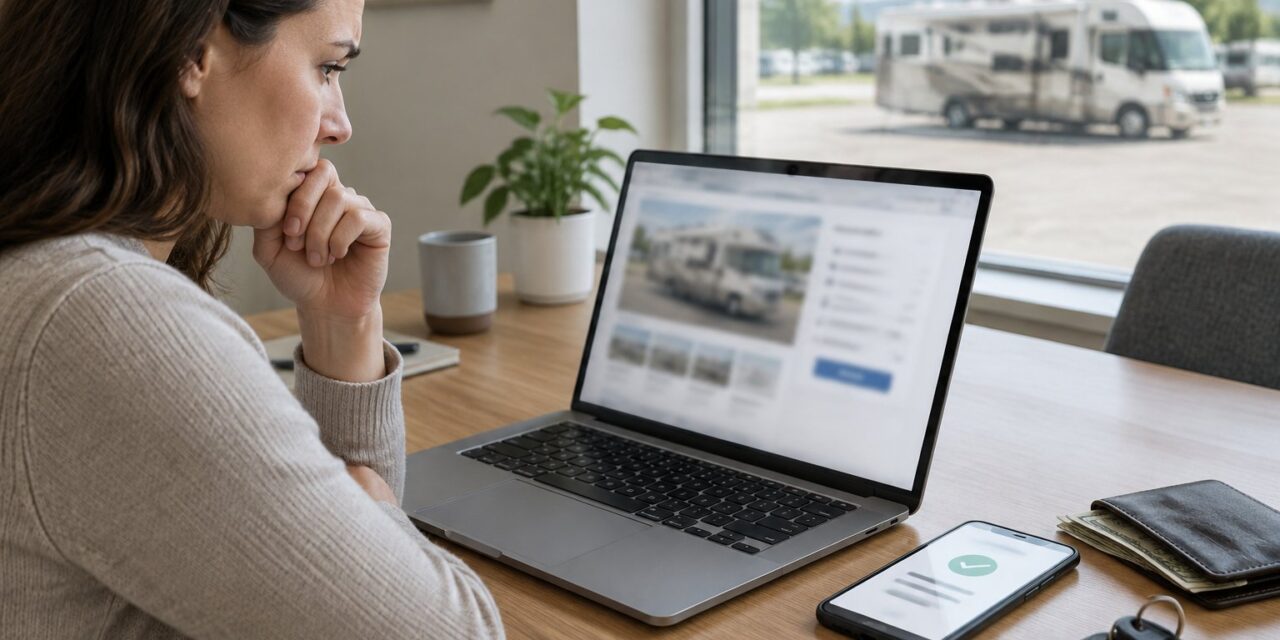
Fake RV listings work because the dream is so easy to picture: a clean travel trailer, a fair price, and a seller who seems friendly. The pattern behind most of these scams is simple: the seller gets you to send money before you or anyone you trust has seen the RV in person. Once you spot that pattern, the five tricks below become much easier to catch.
Scammers know RV shoppers often search far from home. A Class A in another state or a pop-up camper two time zones away feels worth a deposit when the price looks right. Scammers count on that.
The five tricks below cover the most common ways a fake listing turns into a lost deposit. You will also get a checklist for verifying a seller and a plan for what to do if money has already left your account.
Fake Escrow Services Promise to Protect Your RV Deposit
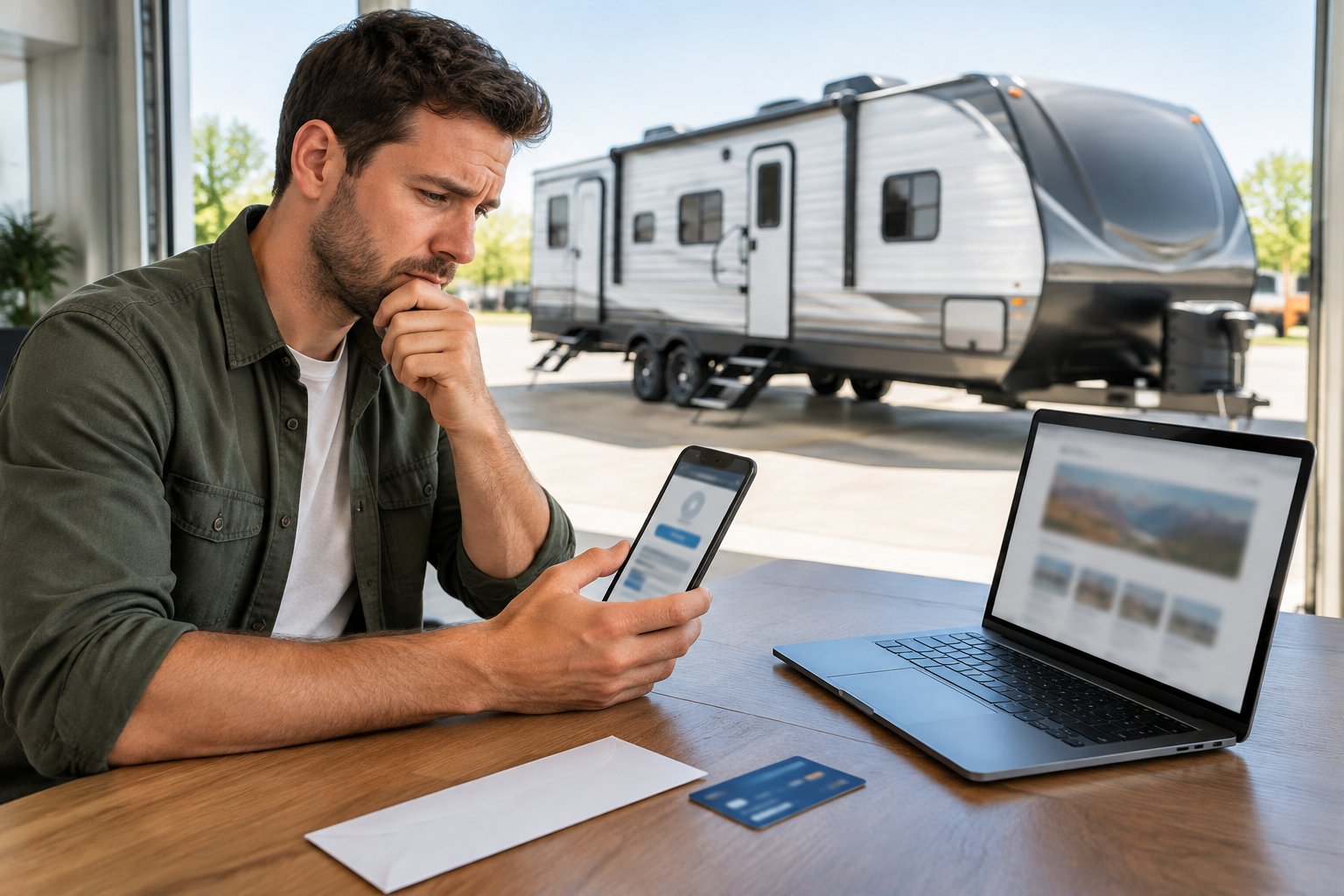
A fake escrow site is built to make a risky payment feel safe, and the money you send never reaches a neutral third party. The seller suggests an “escrow agent” to protect you both. The site looks polished, with logos, a tracking page, and a friendly support chat. Every piece is controlled by the scammer.
Watch for these signs:
- The seller picks the escrow company, not you.
- The site was set up recently or has no verifiable business history.
- You must pay by wire transfer, cryptocurrency, a payment app, or gift card.
- The “agent” pushes you to pay fast so the RV is “held” for you.
Honest businesses give you time to decide. If anyone insists on one payment method that is hard to reverse, walk away. Search the escrow company’s name with words like “scam” or “complaint” before you send a dime, and use your own research to find services rather than links the seller sends you.
Delivery-Only RV Listings Demand Payment Before a Viewing
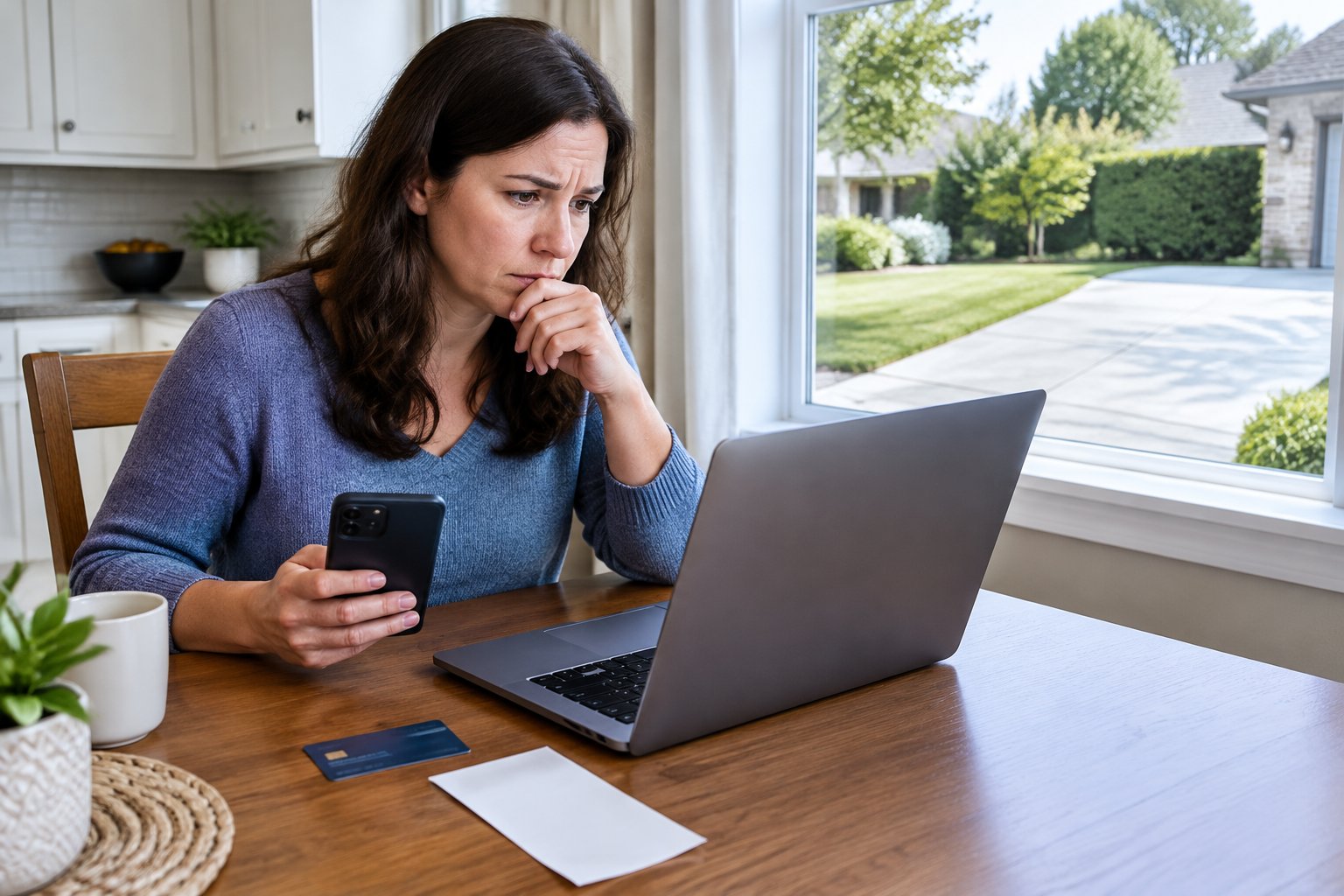
Any listing that refuses a viewing and offers only shipping or delivery after payment deserves an immediate no. The story varies: the owner is deployed, traveling, or working overseas, and a “transport partner” will drop the RV at your door once you pay.
An RV is a big purchase with a lot that can go wrong, from water damage to soft floors to brake problems. Nobody honest asks you to buy one sight unseen and pay first.
Try this simple test. Tell the seller you want a mobile inspector or a friend to look at the RV in person. A real owner or dealer will say yes. A scammer will stall, change the subject, or push you to pay.
Be especially wary of cloned dealer websites. Scammers copy a real dealer’s logos, photos, and listings, sometimes with fake testimonials, then collect payments on vehicles that never ship. A dealer that insists on upfront payment by wire transfer only is a red flag.
Below-Market RV Deals Push You Into a Rushed Holding Deposit
A price far under market value is bait, and the “holding deposit” is the hook. The seller says three other buyers are interested and your spot disappears unless you pay a few hundred dollars today.
That pressure is the real tool. Scammers want you to act before you can think, compare, or ask a friend. Honest sellers can wait a day while you check things out.
Do a quick price check first. Look up the same make, model, and year on several well-known RV marketplaces. If a late-model fifth wheel is listed thousands below everything else, ask yourself why. Low prices can also point to stolen or misrepresented units.
Spend ten minutes searching the seller’s name or phone number alongside “scam” or “complaint.” Then tell someone you trust about the deal. Talking it through often exposes the problem.
Invented Insurance and Release Fees Keep You Paying After the Deposit
Once you have paid the deposit, the scammer invents new costs to keep you paying. Suddenly there is a “transit insurance fee,” a “lien release charge,” a “customs clearance” payment, or a “storage fee” that must be paid before delivery.
Each fee sounds reasonable on its own, and each comes with a reason you cannot skip it. The total keeps growing, and the RV never arrives.
Real purchases rarely add surprise charges after you have paid. Real dealers spell out total costs in writing before you sign anything. Ask for a printed purchase agreement listing every charge, and make sure the numbers match what you were told.
If a seller adds a new fee after payment, stop. Every additional payment is more money you are unlikely to see again. Go quiet on the seller and move to the recovery steps near the end of this article.
How to Verify an RV and Its Seller Before Paying
Four checks catch most fake RV listings: the photos, the dealer, the paperwork, and an in-person inspection. Run all four before any money moves.
Do the Photos Appear on Another Dealer’s Website?
Run a reverse image search on the listing photos. If the same pictures show up on a dealer’s site, an old sale listing, or several ads in different cities, the seller probably copied them. Ask for fresh photos too, like the RV next to a handwritten note with today’s date.
Can You Confirm the Dealer Through Independent Records?
Look up the dealer’s phone number and address yourself, not through links in the ad. Search the business name with “complaint,” “review,” and “scam,” and check your state’s dealer licensing records and the Better Business Bureau.
Be careful with glowing reviews, since a cloned site can copy those too. Visiting the lot or asking to see the RV in person settles the question fast.
Do the VIN, Title, and Seller’s Identity Match?
Ask for the VIN and run it through the National Motor Vehicle Title Information System, which shows title brands like salvage or flood, odometer readings, and total loss reports. Check that the name on the title matches the seller’s photo ID.
Your state motor vehicle agency can explain how to pull the full title record. A seller who dodges the VIN or title is telling you something.
Can an Independent Inspector Examine the RV in Person?
Hire a mobile RV inspector if the unit is too far to visit. A seller who says yes has nothing to hide, and one who refuses has given you your answer.
An inspector also catches real problems like roof leaks, soft floors, and appliance faults, so the visit pays off even with an honest seller.
What to Do If You Already Sent a Deposit
Act fast: the sooner you contact your bank or payment company, the better your chance of stopping or reversing the payment. Money sent by wire, app, or crypto can be hard to recover, but it is always worth asking.
Who Should You Contact About Stopping or Recalling the Payment?
Match the contact to how you paid:
- Credit or debit card: Call the number on the back of your card and ask for a refund. Federal law protects you from unauthorized card use, and card disputes have strict time limits.
- Zelle or bank transfer: Report it to your bank or credit union right away and ask them to reverse the payment.
- Payment app (Venmo, Cash App, PayPal): Report it in the app and ask for a reversal.
- Wire transfer (Western Union, MoneyGram): Tell the company a scammer tricked you and ask for a refund.
- Gift card: Call the issuer, keep the card and receipt.
- Cryptocurrency: Contact the exchange or ATM operator immediately.
Which Messages, Listings, and Payment Records Should You Save?
Keep everything: screenshots of the listing, the seller’s name, phone number, and email, all texts and emails, payment receipts, and your bank or card statements. Do not delete the conversation. Law enforcement and your bank will want these details.
Where Should You Report the Fake RV Listing?
File a report with the Federal Trade Commission at ReportFraud.ftc.gov and with the FBI’s Internet Crime Complaint Center at IC3.gov. Report the listing to the website where you found it, and contact your state attorney general or state consumer protection office. Reports help investigators spot patterns and warn other buyers.
How Can You Avoid Recovery Scammers?
Be cautious of anyone who contacts you offering to get your money back for a fee. Scammers buy lists of people who have already lost money and call them with “recovery” offers.
A retainer, processing fee, or request for your bank details is a sign of a second scam. Government agencies never charge to help you get a refund. Only use the contacts you found yourself, like your bank’s number on your card.