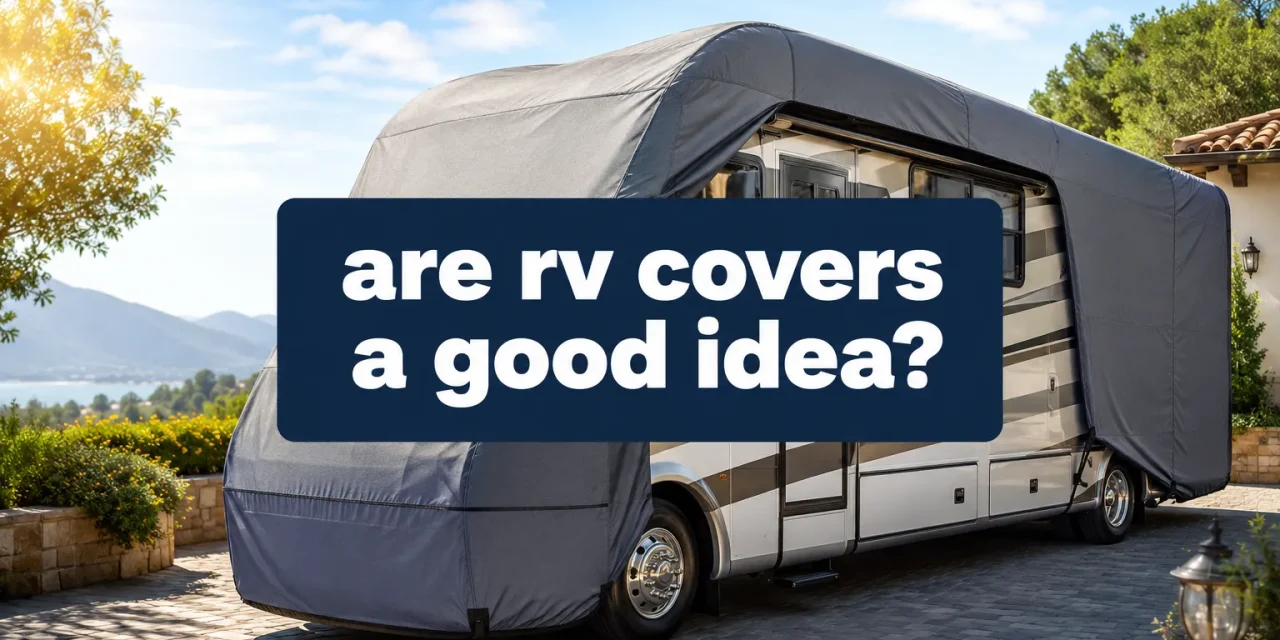
A quality cover can keep interior temperatures at or below about 81°F, reduce UV damage to graphics and trim, and lower the risk of roof leaks by shielding sealants from weather, according to Camping World. Many RV owners often wonder: are rv covers a good idea? The short answer is yes, they are a sound way to protect your investment when your rig sits unused for long periods. This guide will explore the pros, cons, and options to help you choose the best protection for your vehicle.
Key Takeaways
- Covers protect your RV from sun, rain, snow, and dirt while it sits in storage.
- Metal covers and carports offer strong, long-lasting protection but cost more upfront.
- Fabric covers are cheaper and easy to install but only last about a few years.
- Proper fit and breathability are key to preventing moisture damage.
- Always measure your RV’s width, length, and height before buying a cover.
Introduction to RV Storage
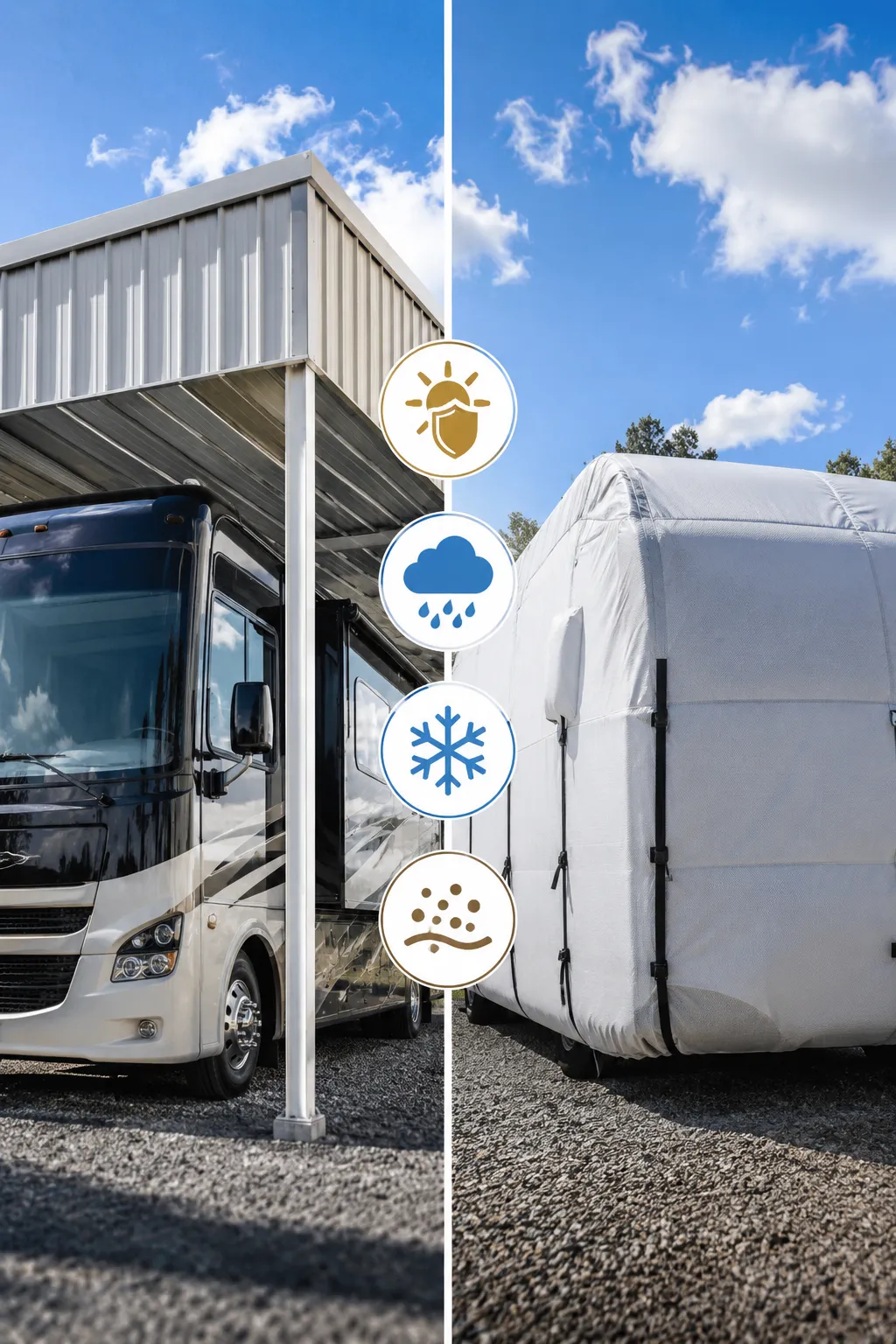
RV storage is a big deal for owners who want to keep their rigs safe during the off-season. Finding the right storage option means your vehicle stays safe from bad weather. Many people use outdoor storage lots, while others build carports at home. No matter where you park, using a cover helps. A good cover shields the exterior from bird droppings, tree sap, and harsh sun rays. Neighbor notes that proper storage keeps your RV looking new for years. It is a smart move for any owner.
What Are RV Covers?
RV covers are large protective sheets made to fit over your entire vehicle. They act like a giant jacket for your rig. You can find fabric types that tie down with straps, or you can build metal covers that act like a roof over your RV. These covers typically shield the paint, tires, and roof from harm. According to RV Lifestyle, a cover blocks UV rays that fade decals and crack rubber roofs. Covers amp up the life of your rig by keeping the elements away.
Is it a Good Idea to Cover Your RV?
Yes, it is a good idea to cover your RV if you store it outside for weeks or months at a time. Covers protect the rig from sun, rain, bird droppings, and dirt. However, you must use the right cover and install it correctly. A loose cover can rub against the paint and cause scratches. A non-breathable cover can trap moisture and cause mold. East Captain explains that the pros outweigh the cons if you buy a high-quality, breathable cover. It keeps your RV clean and ready for the next trip.
Benefits of Metal RV Covers
Metal RV covers, often called carports, are a top choice for long-term protection. They are strong and can handle heavy snow and high winds. Unlike fabric, durable metal covers do not tear or flap in the storm. They provide shade, which keeps the inside of your RV much cooler. RV Parenting points out that a metal roof style blocks harmful UV rays completely. While they cost more money at first, they last for many years. You do not have to take them on and off like fabric covers. They are a great permanent storage solution.
Our RV Covers Building Process
Building a metal cover for your RV takes planning. First, you pick the frame roof style. A regular roof style is okay, but a vertical roof style is best because snow slides right off. Next, you measure the width, length, and height of your RV to make sure the carport will fit. Then, you pour a concrete pad for anchoring and stability. Finally, the crew installs the metal frame and roof panels. This process gives you a custom fit that lasts. You can add side panels for extra weather protection. It is a big project but worth it for the safety of your vehicle.
What 10 Things Should You Look for When Buying RV Covers?
When you shop for an RV cover, you need to check many things to make sure you get the right one. A bad cover can do more harm than good. Here are ten things to look for, based on advice from RVblogger and Camping World.
Size and Dimensions
You must measure your RV’s width, length, and height. A cover that is too big will flap in the wind and cause damage. One that is too small will not fit. Check the sizing chart before you buy.
Material and Durability
Look for tough, rip-stop fabric. The material should be thick enough to stop tears from branches. Neighbor says good material is the most important factor.
Roof Style
Some covers have a regular roof style panel that fits flat. Others have a raised section for AC units, vents, and antennas. Make sure the cover has room for your roof gear.
Anchoring and Stability
A cover needs straps and buckles to tie it down tight. This stops it from blowing off during a storm. Good anchoring keeps the cover secure.
All Weather Protection
The cover should block UV rays, rain, and snow. It needs to be waterproof but still let air flow through. This stops mold from growing under the cover.
Easy Installation
Putting a cover on a big RV is hard. Look for one with zippers, color-coded straps, and clear instructions. Easy installation saves you time and frustration.
Customization Options and Accessories
Some brands offer customization options. You can add extra panels or patches. Others include storage bags or ladder covers. These extras add value.
Warranty
A good cover comes with a warranty. Check how long it lasts. Some only last about a few years, so a warranty protects your purchase.
Local Regulations and Permits
If you build a metal carport, check local rules. You might need a permit for installation. Make sure your carport follows local laws.
Reviews and Recommendations
Read reviews from other RVers. Check forums and Facebook groups. Real user reviews tell you if the cover holds up in real life.
What Are the Different Types of RV Covers?
There are many types covers on the market. The main types are fabric covers and metal carports. Fabric covers come in different tiers. Some are basic tarps, which are cheap but trap moisture. Others are high-end, multi-layer breathable fabrics. These are best for travel trailers and motorhomes. Metal covers are permanent structures. They can be fully enclosed or just a roof. RV Lifestyle explains that your choice depends on your budget and where you park. Using covers made of good fabric is best for short-term storage. Metal is best for long-term storage.
What Are The Best RV Covers?
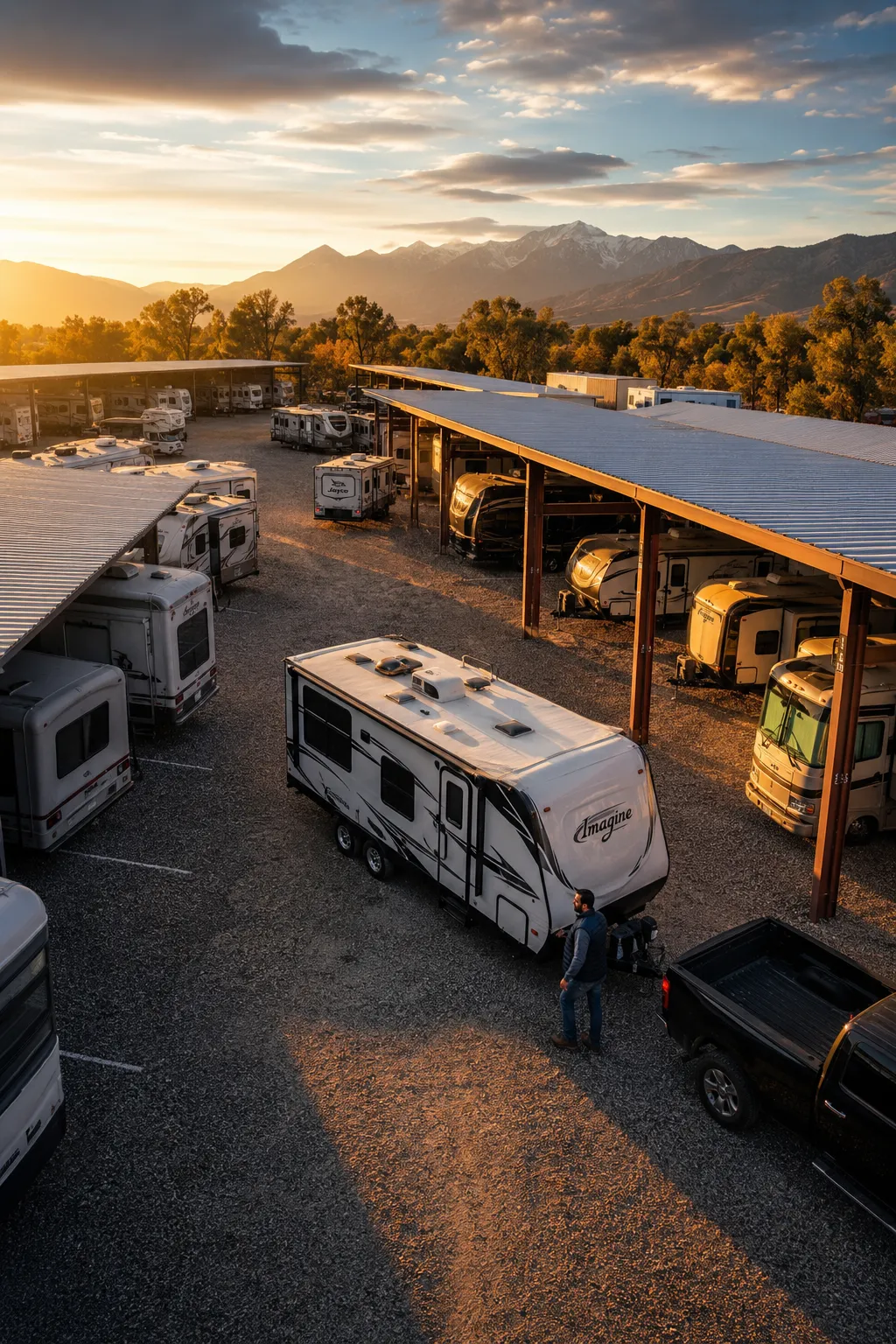
The best RV cover depends on your needs. For fabric, brands like ADCO and Camco make great choices. They offer good breathability and fit. For metal, a custom-built steel carport is the best. Look for one with a vertical roof so snow slides off. RV Parenting suggests reading reviews to find the best match for your rig. A Forest River owner might need a different size than a Class A motorhome owner. Always choose quality over price to protect your RV.
What is the Best RV Cover for Winter?
The best cover for winter is one that can handle heavy snow and ice. A metal carport with a vertical roof is the safest bet. It keeps snow off your RV roof completely. If you use a fabric cover, it must be a heavy-duty winter model. It needs strong straps to hold tight in high winds. Camping World notes that winter covers must be breathable to stop condensation. Condensation can freeze and cause damage to your roof. Make sure the cover is tough enough for harsh weather.
How Much Do RV Covers Cost?
The cost varies a lot. A basic fabric cover might cost around $200 to $400. A high-end, custom-fit fabric cover can cost $500 to $1,000. Metal carports cost much more. A basic metal cover might start at $2,000. A fully enclosed, durable metal cover can cost $5,000 or more. East Captain points out that while metal costs more, it lasts for years. Fabric covers only last about a few years before they need replacing. Think about the long-term cost when you choose.
How Are RV Covers Measured?
To measure for a cover, you need a tape measure and a ladder. First, measure the length of the RV from bumper to bumper. Do not include the hitch in the measurement. Next, measure the width. Then, measure the height from the ground to the highest point on the roof, like the AC unit. Neighbor says you must use these three numbers to find the right size. If your RV is between sizes, choose the larger one. You can use straps to tighten a slightly larger cover. A cover that is too small will not fit.
Community and Forum Insights
When you search online, you find many RV owners talking about covers. A quick search on Reddit or Facebook shows mixed feelings. Some RVers love them, while others hate them. In a thread summary on Reddit, a senior member joined the chat to say covers caused scratches on their paint. Another member joined Sep to say their cover stopped roof leaks. You will see similar threads on forums. Some users post new posts about how covers protect their rigs during off season.
If you look at featured campgrounds or sites like “Try RV LIFE Pro Free for 7 Days,” you see tips from the community. What’s new in the RV world often comes from these chats. If you contact us or visit a forum, you can ask questions. Sometimes a site might glitch. If you get an error, please try again. If it still fails, try again later. You might read a post that says “hellip read more” to see the full story.
People talk about general tech repair and exterior maintenance roofs. They discuss how maintenance roofs sealing works. Roofs sealing covers amp up the safety. Sealing covers amp up the life of the rig. In nbsp jul 2025, a user said they use a console log track to watch for leaks. A log track call helps them see if the cover is working. In apr 2026, another user shared tips for 2026 exterior maintenance. They said covers protect the rig, but you must check for rubbing. Depending on who you ask, you get different answers. Don’t just buy the first one you see. Do your homework first.
Frequently Asked Questions
Here are answers to common questions people ask about RV covers.
What is the 3-3-3 rule for RV?
The 3-3-3 rule is a simple guide for RV travel. It means you should drive no more than 300 miles in a day. You should arrive at your campsite by 3:00 PM. And you should stay in one place for at least 3 days. This rule keeps you from getting too tired while driving. It gives you time to set up and enjoy the area. It is a great way to make travel fun and less stressful.
How long do camper covers usually last?
Camper covers usually last about two to four years. How long they last depends on the weather and how well you care for them. Sun and wind can break down the fabric over time. If you live in a place with harsh winters, the cover might only last about a couple of years. If you take the cover off gently and store it inside during the camping season, it can last longer. Always check for tears each year.
What is the best cover for an RV?
The best cover for an RV is one that fits well and is breathable. A cover made of multi-layer, non-woven fabric is a top choice. It should have straps to hold it tight and zippers to access the door. For full-time protection, a metal carport with a vertical roof is the best. It keeps snow and sun off your RV all year. The best choice depends on your budget and storage setup.
What is the 444 rule for RV?
The 444 rule is another travel tip for RVers. It suggests you should limit your driving to 4 hours a day. You should arrive at your destination by 4:00 PM. And you should stay at that location for 4 days. This rule is like the 3-3-3 rule but gives you even more time to rest. It is perfect for older RVers or those who want a very slow, relaxed trip. It helps you enjoy the journey.
Conclusion
So, are rv covers a good idea? Yes, they are. Covers protect your RV from the sun, rain, snow, and dirt. They keep your rig looking new and help stop roof leaks. While fabric covers can rub and cause scratches if they are loose, a good fit stops this. Metal carports are a great option if you have the space and money. They offer the best long-term protection.
Before you buy, measure your RV’s width, length, and height. Read reviews from other RVers to find the best brand. Think about the weather in your area. If you get a lot of snow, pick a heavy-duty cover or a metal roof. Taking these steps will help you protect your RV for many years. Get the right cover and enjoy your travels without worry.
References
[1] Rv Covers Pros Cons – https://www.neighbor.com/storage-blog/rv-covers-pros-cons/ [2] Are Rv Covers Good Or Bad Pros And Cons – https://www.eastcaptain.com/blogs/news/are-rv-covers-good-or-bad-pros-and-cons [3] Why Should You Cover Your Rv – https://blog.campingworld.com/learn-to-rv/why-should-you-cover-your-rv/ [4] Rv Covers – https://rvlifestyle.com/rv-covers/ [5] Watch – https://www.youtube.com/watch?v=xv6QV13mktA [6] The Pros And Cons Of Rv Or Camper Covers – https://rvblogger.com/blog/the-pros-and-cons-of-rv-or-camper-covers/ [7] Watch – https://www.youtube.com/watch?v=xpyj4ZEBO6A [8] Rv Covers Worth It – https://rvparenting.com/rv-covers-worth-it/ [9] Watch – https://www.youtube.com/watch?v=8RCz_skk6SY [10] Thoughts On Camper Covers Does It Reduce – https://www.reddit.com/r/rvlife/comments/1fbabxx/thoughts_on_camper_covers_does_it_reduce/