The RV industry hit over $20 billion in annual revenues in recent years, and savvy investors are now asking whether owning a piece of that pie through RV lots makes financial sense. If you’ve ever parked your rig at a beautiful resort and thought, “I wish I owned this spot,” you’re not alone. Millions of RV enthusiasts are now seriously asking: are RV lots a good investment?
The short answer? It depends, but for the right buyer, RV lot ownership can be a smart, rewarding, and even profitable move. Let’s break it all down in plain, simple terms. 🚐💰
Key Takeaways
- RV lots can generate steady passive income through rentals when you’re not using them.
- Location is everything, lots in high-demand areas near beaches, mountains, or tourist spots hold value best.
- Ownership types matter, deeded lots offer more control and resale potential than leased lots.
- Costs like HOA fees, taxes, and maintenance can eat into profits if not planned for carefully.
- The RV lifestyle boom continues to drive demand, making 2026 a strong time to evaluate this investment.
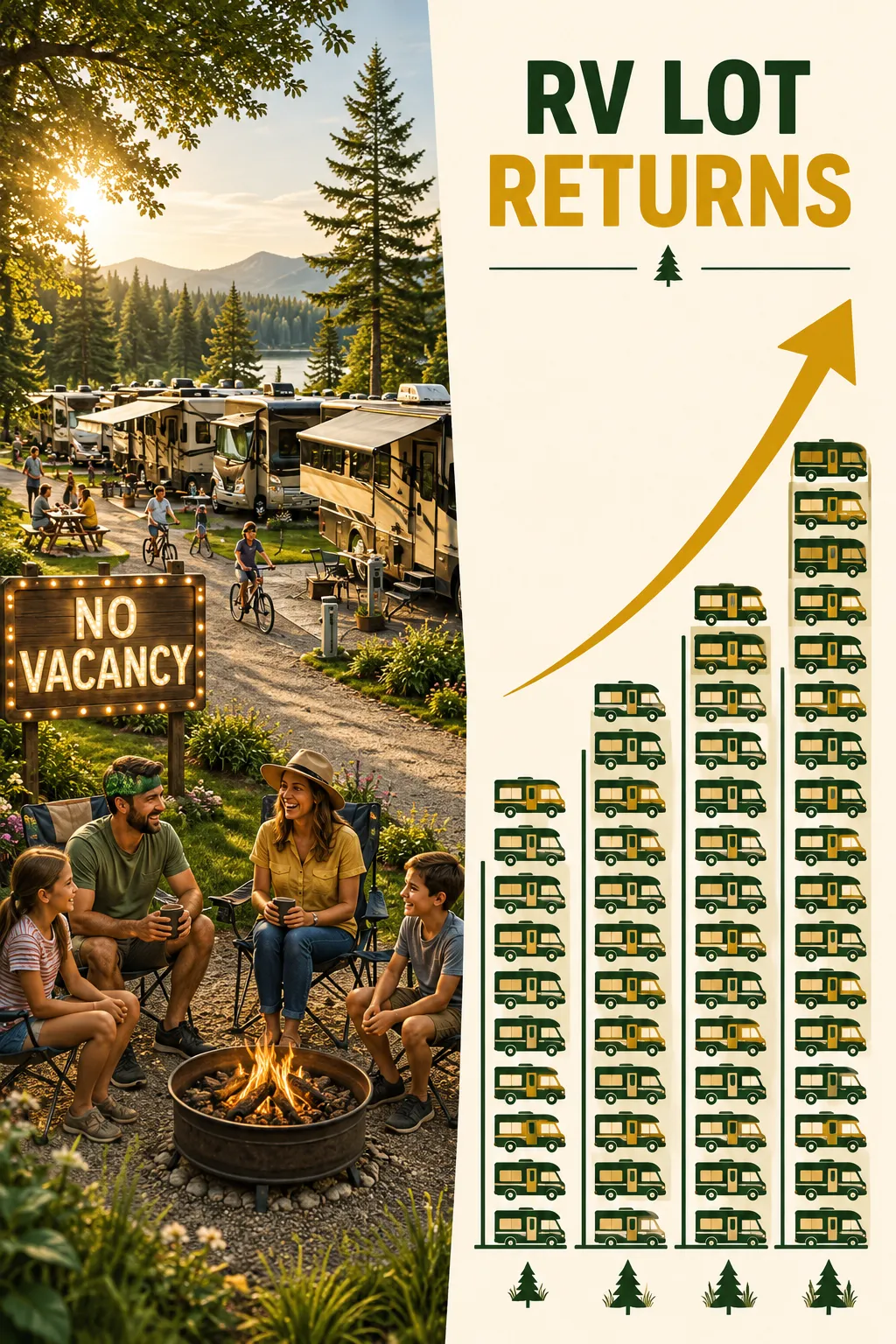
What Is an RV Lot, Exactly?
Before diving into whether are RV lots a good investment, it helps to understand what you’re actually buying.
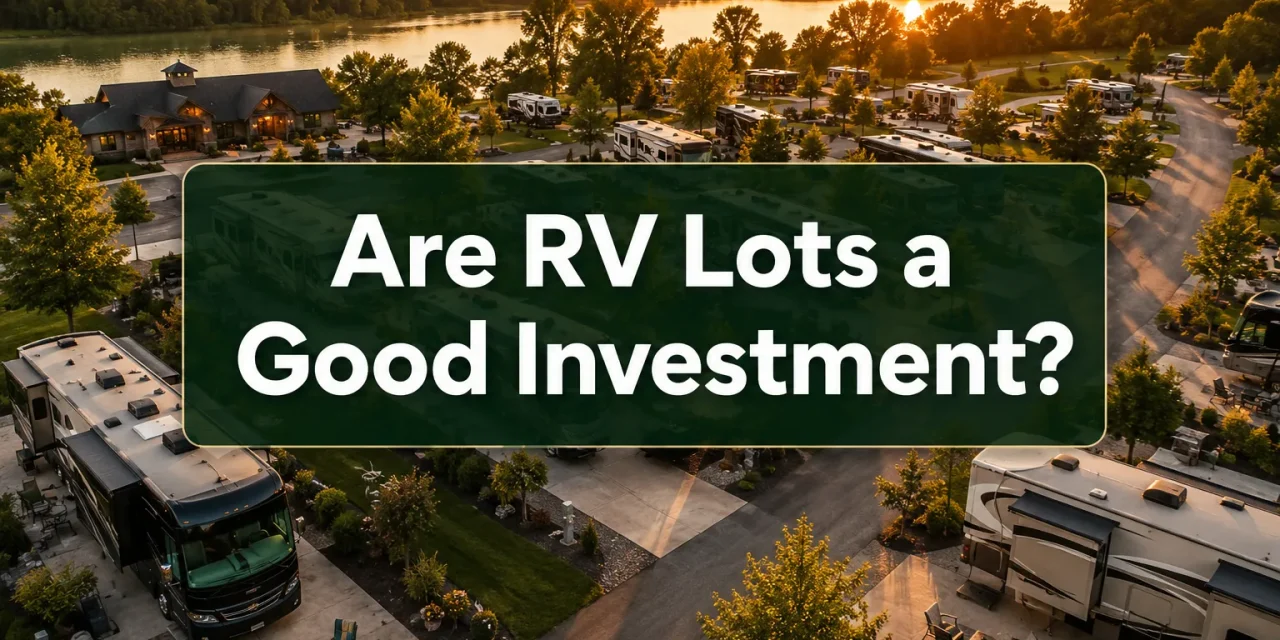
An RV lot is a designated space inside a campground, RV park, or resort where you can park your recreational vehicle. Some lots are simple gravel pads. Others are beautifully landscaped with:
- 🔌 Full hookups (water, electric, sewer)
- 🏊 Access to resort amenities like pools, clubhouses, and fitness centers
- 🌳 Mature trees, patios, and privacy fencing
- 🛖 Permanent structures like sheds or screened rooms
Deeded vs. Leased RV Lots
This is one of the most important distinctions to understand.
| Type | What It Means | Resale Potential |
|---|---|---|
| Deeded Lot | You own the land outright, like a home | High |
| Leased Lot | You rent the space from the park | Low to None |
| Condo/Co-op Lot | You own a share of the community | Moderate |
💡 Pull Quote: “A deeded RV lot is real estate. A leased lot is just a parking space with benefits.”
Deeded lots are the gold standard for investment purposes. You get a deed, just like a house. You can sell it, rent it out, or pass it to your kids. Leased lots give you use of the space but no ownership equity.
Are RV Lots a Good Investment? The Case FOR Buying
Let’s look at the strongest reasons why RV lots can be a genuinely good investment in 2026.
1. 🏕️ The RV Lifestyle Is Booming
Demand for RV travel has exploded. Younger generations are embracing the outdoor lifestyle. Remote work has freed millions of people to travel more. This means RV parks and resorts are busier than ever, and that demand props up lot values.
When more people want to use RV resorts, lot owners benefit, both from rising property values and rental income opportunities.
2. 💵 Passive Rental Income Potential
This is a big one. Many RV lot owners rent out their space when they’re not using it. Some resorts even have on-site rental management programs that handle everything for you.
Here’s how the math can look:
- A premium lot in a popular resort might rent for $75,$200+ per night
- Even renting just 60-80 nights per year can generate $4,500,$16,000 annually
- That income can offset your purchase costs and even turn a profit
Of course, results vary widely based on location and resort quality. But the income potential is real. 📈
3. 🏡 It’s a Vacation Home Alternative
Think about what a beach cottage or mountain cabin costs. In many desirable areas, a deeded RV lot at a top-tier resort costs far less than a traditional vacation property, yet delivers similar enjoyment.
You get:
- A reserved spot that’s always “yours”
- No hotel bookings or campsite lotteries
- A sense of community with fellow RV lovers
- Potential appreciation in value over time
4. 📊 Real Estate Appreciation
In prime locations, RV lots have shown solid appreciation over time. Lots near popular destinations, Florida Gulf Coast, the Smoky Mountains, Lake of the Ozarks, or coastal South Carolina, have seen values climb significantly.
Like any real estate, location drives appreciation. A lot in a well-managed, amenity-rich resort in a high-demand area is much more likely to grow in value than one in a remote, low-traffic park.
5. 🤝 Community and Lifestyle Value
For RV lovers, there’s also a non-financial return. Owning a lot means:
- You always have a “home base” on the road
- You build friendships with neighbors who share your passion
- You can personalize your space with landscaping, patios, and décor
- You feel a deeper sense of belonging in the RV community
Sometimes the lifestyle return is just as valuable as the financial one. 🌟
Are RV Lots a Good Investment? The Risks to Know
Honest investing means looking at both sides. Here are the real risks to consider before buying.
1. ⚠️ HOA Fees and Annual Costs
Most RV resorts charge homeowner association (HOA) or maintenance fees. These can range from a few hundred to several thousand dollars per year. These fees cover:
- Road and common area maintenance
- Pool and amenity upkeep
- Security and management
If fees are high and rental income is low, your investment may not pencil out. Always calculate your net return after all costs.
2. 📉 Leased Lots Have No Equity
Buying into a park where you lease the land is risky. The park owner can:
- Raise your lease fees
- Change the rules
- In rare cases, close or sell the park
If you’re looking at RV lots as a true investment, stick to deeded lots with clear title.
3. 🏦 Financing Can Be Tricky
RV lots don’t always qualify for traditional mortgage financing. Many buyers pay cash or use:
- Personal loans
- Home equity lines of credit (HELOCs)
- Seller financing
This can make entry harder for buyers without significant savings or home equity. Interest rates in 2026 also affect how affordable financing is.
4. 🌦️ Seasonal Demand
Many RV resorts are seasonal businesses. A lot in a northern resort might be unusable (and un-rentable) for 4-5 months of the year. This limits your rental income window significantly.
Southern and year-round destinations solve this problem, but they also tend to cost more upfront.
5. 🔧 Maintenance Responsibilities
Even though you’re not maintaining a full house, you still have responsibilities:
- Keeping your lot clean and up to resort standards
- Maintaining any structures (sheds, patios)
- Paying for repairs to hookups or utilities on your pad
These costs add up. Budget for them honestly.

How to Evaluate Whether an RV Lot Is Worth Buying
Not all RV lots are created equal. Here’s a simple checklist to evaluate any lot before you buy. ✅
Location Score
Ask yourself:
- Is this resort in a high-demand destination?
- Is it near beaches, mountains, theme parks, or popular attractions?
- Is the surrounding area growing in population and tourism?
Great locations = better appreciation and rental demand.
Resort Quality
- Is the resort well-managed with good reviews?
- Are the amenities attractive to renters (pool, Wi-Fi, activities)?
- Is there a rental management program available?
- What are the HOA fees, and what do they cover?
Lot Specifics
- Is it a deeded lot with clear title?
- Does it have full hookups (30/50 amp electric, water, sewer)?
- Is the size large enough for your rig (and most renters’ rigs)?
- Does it have desirable features like shade, water views, or a patio?
Financial Math
Run these numbers before buying:
- Purchase price of the lot
- Annual HOA/maintenance fees
- Estimated rental nights per year × nightly rate
- Gross rental income minus fees = Net income
- Net income ÷ Purchase price = Cap rate (aim for 4-8%+)
💡 Example: A $50,000 lot earning $6,000/year gross, minus $2,000 in fees = $4,000 net. That’s an 8% cap rate, solid for real estate.
RV Lot Investment vs. Other Investment Types
Wondering how RV lots stack up against other ways to invest? Here’s a quick comparison in plain terms:
RV Lot vs. Stocks:
- RV lots are less liquid (harder to sell quickly) but offer physical enjoyment and rental income. Stocks are more liquid but offer no lifestyle benefit.
RV Lot vs. Rental House:
- A rental house typically costs more and requires more management. An RV lot is simpler and cheaper, but also has lower income potential.
RV Lot vs. Traditional Campsite Ownership:
- Owning a full campground is a business. Owning a single lot is much more passive and affordable.
For RV lovers specifically, a lot offers something stocks and houses never can: a place to park your rig and enjoy life. That dual-purpose value is unique. 🎯
Tips for Getting the Most Out of Your RV Lot Investment
If you decide to move forward, here are smart strategies to maximize your return:
🗺️ Buy in a Year-Round Destination
Florida, Texas, Arizona, and coastal areas offer 12-month rental potential. This dramatically increases your income window.
📱 Use a Resort Rental Program
Many top resorts manage rentals for you. They handle bookings, cleaning, and guest management for a percentage of income. This makes ownership truly passive.
🌿 Invest in Your Lot’s Appeal
Simple upgrades like:
- A concrete patio
- Attractive landscaping
- A storage shed
- Quality outdoor furniture
…can increase both rental rates and resale value.
📋 Read the HOA Rules Carefully
Before buying, read every page of the HOA documents. Understand:
- What you can and cannot build
- Rental restrictions (some resorts limit how often you can rent)
- Pet policies
- Age restrictions (some are 55+ communities)
🤝 Talk to Current Lot Owners
The best due diligence is talking to people who already own lots in the resort. Ask them honestly:
- Are they happy with the investment?
- What do they wish they knew before buying?
- How is the management?
Who Should (and Shouldn’t) Buy an RV Lot
RV lots are a GREAT fit for:
✅ Frequent RV travelers who visit the same area regularly
✅ People who want a vacation home alternative at lower cost
✅ RV owners who want passive rental income
✅ Retirees seeking a community-based lifestyle
✅ Investors who want tangible, enjoyable real estate
RV lots are NOT a great fit for:
❌ People who rarely RV or prefer to explore new places every trip
❌ Investors who need high liquidity (easy to sell quickly)
❌ Buyers who can’t afford HOA fees on top of the purchase price
❌ Anyone buying into a leased-lot park expecting equity growth
Conclusion: Are RV Lots a Good Investment in 2026?
So, are RV lots a good investment? For the right person, absolutely yes. 🎉
The RV lifestyle is stronger than ever in 2026. Demand for quality RV resorts is high. Deeded lots in prime locations offer real estate appreciation, rental income, and a personal vacation haven all in one. That’s a combination that’s hard to beat.
But like any investment, success depends on doing your homework. Choose a deeded lot over a leased one. Pick a high-demand location. Run the numbers carefully. Read the HOA rules. Talk to current owners.
Here are your actionable next steps:
- 🗺️ Identify 2-3 resort areas you love visiting and research RV lot availability there.
- 📞 Contact resort sales offices and ask about deeded lot options and HOA fees.
- 💰 Run the financial math using the cap rate formula above.
- 🤝 Talk to current lot owners in any resort you’re seriously considering.
- ⚖️ Consult a real estate attorney familiar with RV lot transactions before signing anything.
The dream of owning your own slice of RV paradise, and making money from it when you’re not there, is very much within reach. Go explore it! 🚐🌅