
RV owners rarely leave their rigs exactly as they rolled off the factory line. Over months and years of full-time or seasonal travel, small frustrations pile up, and practical fixes follow. A detailed YouTube review from All About RV’s walks through 25 modifications made to one RV over time, rating each one on durability, usefulness, and whether it was worth the effort.
This article breaks those 25 modifications into clear categories, evaluates which ones deliver real value, and highlights which upgrades might not be worth replicating in 2026. Whether planning a weekend renovation or a full RV overhaul, this guide helps prioritize the changes that matter most.
Quick Verdict: What’s Worth Doing
Before diving into details, here is a fast summary of the standout winners and the modifications that fell flat:
- Highest value: Extra under-chassis storage, combined gray water outlet, propane generator quick disconnect, soft starts for AC units, real wood dining table
- Solid but situational: Dual air conditioners, custom electrical inlet, slide-out protection plates
- Needs improvement: Reflectix window insulation (Velcro vs. magnets), battery bay ventilation adapter
- Likely skippable in 2026: DVD player installation
Now let’s break down each category in detail.
Storage and Organization Upgrades
Storage is consistently the top complaint among RV owners, and three modifications directly address that pain point.
Under-Chassis Storage with Dedicated Sewer Compartment
Bolting extra storage to the RV’s undercarriage freed up interior cabinet space. An ammo can was used specifically to house sewer connection hoses, keeping contaminated equipment physically separated from clean gear. This separation matters for hygiene and organization, and the setup has proven durable over repeated use. It remains one of the most practical, low-risk modifications on this list.
Wire Shelving in Closets
Adding wire shelves inside closets maximized vertical space that would otherwise go unused. This is a near-universal upgrade that works in almost any RV layout, regardless of size or floor plan.
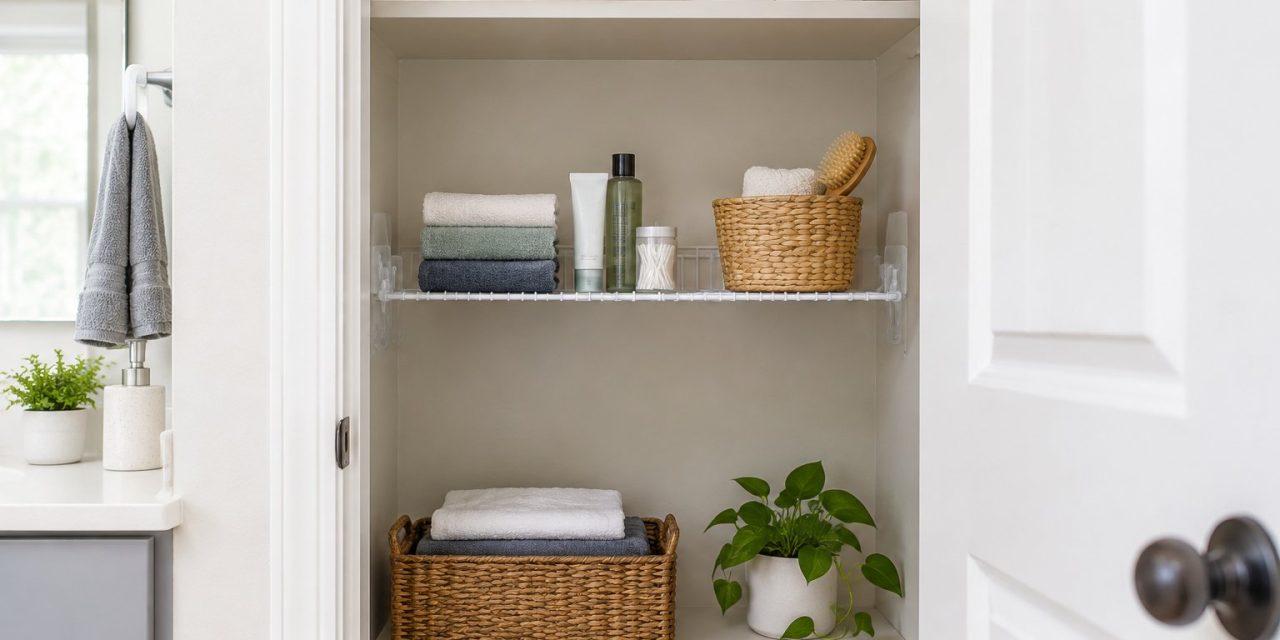
Command Hook Wire Shelf in Bathroom Closet
Using adhesive command hooks to mount a small wire shelf in the bathroom closet created extra storage without drilling holes or adding weight. For renters, part-time RVers, or anyone hesitant to make permanent changes, this is a nearly risk-free way to gain storage.
Bottom line: All three storage modifications deliver strong returns for minimal cost and effort. These are safe bets for almost any RV owner.
Plumbing and Water System Improvements
Water management is one of the most technical aspects of RV ownership, and a few smart changes can simplify maintenance significantly.
Combined Gray Water Outlet
Merging the kitchen gray water line with the main sewer outlet reduced the RV down to a single dump point instead of two separate connections. This cuts down on setup time at dump stations and reduces the number of hoses and fittings that can fail or leak.
Water Filter Replacement Schedule
A simple but often overlooked habit: replacing the water filter every three months and using a date-marking system to track it. Many RV water filters include a write-on surface or sticker specifically for this purpose. Skipping this step is one of the most common causes of poor water taste and reduced filter efficiency in RV systems.
Shower Door to Curtain Conversion
Swapping rigid glass shower doors for a fabric curtain accomplishes two things: it reduces overall vehicle weight and it makes cleaning dramatically easier. Glass doors in RVs are prone to rattling, cracking, and trapping soap scum in corners that are hard to reach. A curtain eliminates most of those issues.
Bottom line: These plumbing-related changes reduce maintenance time and prevent common failure points. They are especially valuable for full-time RVers who dump tanks frequently.
Exterior and Structural Protection
Slide-outs and doors take a beating from weather, wear, and constant operation. These modifications aim to extend the life of those components.
Slide-Out Protection Plates
Installing protective plates on the bottom of slide-outs prevents scraping damage as they extend and retract. Stainless steel plates outperformed HDP (high-density polyethylene) versions in terms of long-term durability, though HDP remains a lighter, lower-cost alternative for owners on a budget.
Additional Center Roller for Long Slide-Outs
Long slide-outs are prone to sagging over time, which can cause binding or uneven wear on the slide mechanism. Adding a center support roller provided modest but noticeable improvement in support, particularly useful for slides longer than 10 feet.
Door Extensions for Privacy
Adding extensions to the bottom of bedroom and bathroom doors closed the gap that typically exists for airflow, without sacrificing ventilation. This small fix significantly improves privacy, particularly in smaller RVs where interior walls are thin and rooms are close together.
Weather Stripping on Doors
Adding weather stripping around door frames improves both insulation and sound privacy. While it does experience some wear over time and may need periodic replacement, the low cost and quick installation make it worth redoing as needed.
Bottom line: These structural fixes address real wear-and-tear issues. Slide-out protection and weather stripping offer the best cost-to-benefit ratio.
Electrical and Power System Modifications
Power reliability is critical for boondocking, dry camping, and off-grid travel. Several modifications target this directly.
Custom Electrical Inlet
Adding a second electrical inlet extended the effective reach of the main power cord without requiring an extension cord. This is particularly useful at campsites where the power pedestal is positioned awkwardly relative to the RV’s parking spot.