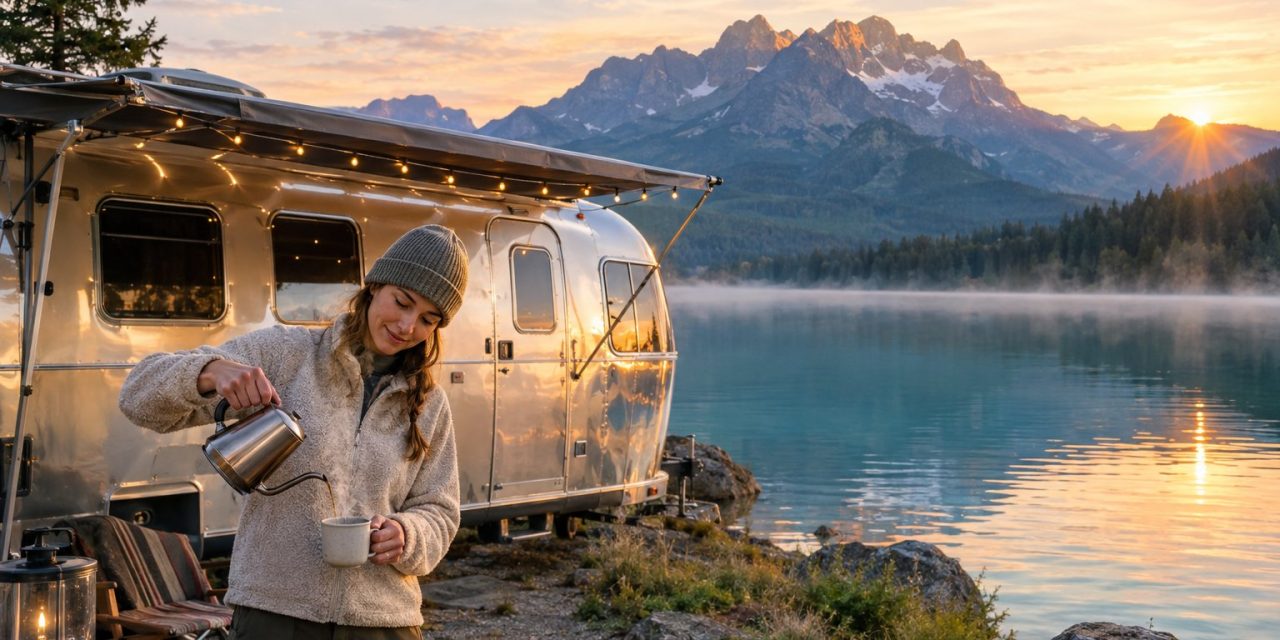
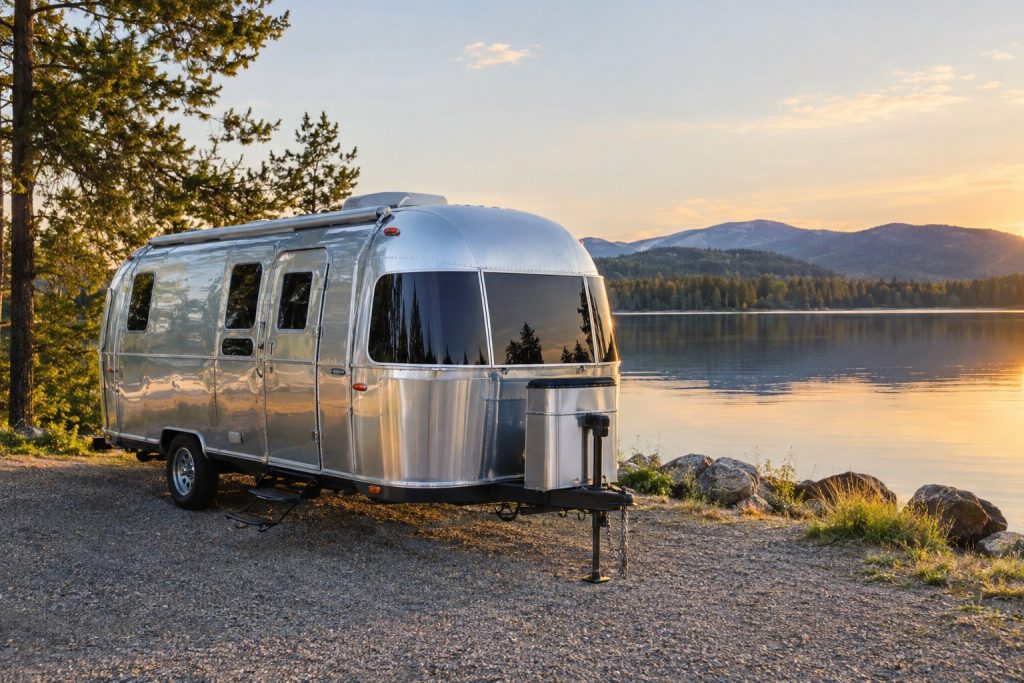
You’ve seen the videos. A shiny Airstream parked by a turquoise lake, string lights glowing, someone pouring coffee while the sun rises over the mountains. It looks like the easiest, most beautiful life on the planet.
The “Instagram famous” RV that is actually a nightmare to own is usually one of these sleek, trendy trailers or vans built for looks first. Popular camper vans and boxy retro trailers with big windows and minimalist interiors often trade durability and storage for style, leading to costly repairs, cramped daily living, and headaches that never make it into the photo.
The truth shows up later, after the purchase, when the leaks start or the resale price tanks. This article walks you through why that happens and how to avoid the same trap.
Why Can a Photogenic RV Be a Nightmare to Own?
A photogenic RV can be a nightmare because the features that make it camera-ready often make it harder to live in day to day. Big windows, open floor plans, and trendy finishes look great in photos but can mean less storage, weaker insulation, and more things that break.
What the Photos Leave Out
A single photo never shows you the plumbing, the electrical panel, or how loud the generator gets at 6 a.m. It skips the moment the black tank sensor stops working or the awning jams in the wind.
Social posts capture a perfect thirty seconds. They rarely capture the two hours spent troubleshooting a fridge that won’t stay cold, or the drive to find a specialty part in a small town with one hardware store.
Why Looks Tell You Little About Livability
A rig can look stunning and still be miserable to live in. Trendy layouts sometimes sacrifice a full bathroom for style, or use butcher block counters that scratch and stain within a month.
Livability comes down to things like counter space, water tank size, and how well the walls hold heat in winter. None of that shows up in a well-lit photo. A trailer’s look tells you almost nothing about how it will perform on a rainy week with no hookups.
What Does It Really Cost to Keep on the Road?
Owning a trendy RV costs more over time because parts are pricier, insurance can run higher for specialty builds, and resale often drops fast once the trend fades. The sticker price is just the starting point.
Repairs and Hard-to-Find Parts
Popular boutique brands often use custom-built cabinets, unique window shapes, or imported hardware. When something breaks, you can’t just walk into any RV parts store and grab a replacement.
You may need to order parts directly from the manufacturer and wait weeks. Labor costs go up too, since not every mobile RV tech knows how to work on a less common build.
Fuel, Insurance, and Storage
Fuel costs depend on size and weight, and heavier trendy trailers with slide-outs or upgraded materials burn more gas towing them. Insurance for custom or specialty RVs can also run higher than a standard model because replacement parts cost more to source.
Storage adds another monthly bill if you don’t have space at home. In many cities, that can run $100 to $300 a month, depending on size and whether it’s covered.
Resale Value and the Cost of Custom Work
Trendy RVs often lose value fast once a newer style takes over as the “it” rig on social media. Custom interior work, while beautiful, rarely adds dollar-for-dollar value at resale.
Buyers shopping secondhand tend to care more about mechanical condition than aesthetic trends. A one-of-a-kind paint job or hand-built shelving unit might not recoup what you spent on it.
What Problems Show Up When You Actually Travel?
Problems show up once you start driving and living in the rig full time, not while it’s parked for a photo. Breakdowns, water leaks, and tight living quarters are the most common complaints from owners of trendy models.
Breakdowns, Leaks, and Electrical Issues
Water leaks around windows and roof seams are a frequent issue, especially with unique window shapes that don’t have decades of proven sealing methods behind them. Electrical systems can also act up, particularly in builds that pack in lots of custom lighting or smart features.
Owners often end up learning basic repair skills out of necessity, watching tutorial videos to fix a fridge or troubleshoot a fuse box on the side of the road. It becomes part of the routine, whether you planned on it or not.
Cramped Space and Daily Chores
Daily chores get harder in a small, style-focused space. Laundry, cooking, and storage all take more effort when the floor plan favors a photogenic open layout over functional cabinets and closets.
Many owners find that the “vacation glow” fades around the third or fourth week on the road, once daily life, dishes, groceries, and cleaning, catches up with them in a few hundred square feet.
Will the RV Fit the Trips You Want to Take?
An RV built for looks may not fit the campgrounds, roads, or hookups you actually plan to use. Size, height, and utility needs matter more than style once you’re trying to book a site or navigate a mountain pass.
Campground Size Limits and Hookup Needs
Many scenic and popular campgrounds have strict length limits, and pull-through sites are often reserved for rigs under 35 feet. If your trendy trailer runs long or wide, you may be stuck booking pricier full-service RV resorts instead of cheaper state park sites.
Full hookups (water, electric, and sewer) matter more on longer stays. Some boutique models use smaller tanks to save weight, meaning more frequent dump runs.
Access Roads, Parking, and Crowded Destinations
Tight switchbacks, low bridges, and narrow forest roads can turn a dream destination into a stressful detour. Popular photo spots tend to draw crowds, which means limited parking for anything oversized.
Checking road conditions and campground reviews ahead of time saves you from arriving at a site you can’t actually fit into.
How Can You Spot Trouble Before Buying?
You can catch most problems before buying by getting an inspection, checking the rig’s history, and spending real time inside it. These three steps catch the issues that photos and showroom lighting hide.
Get an Independent Inspection
A certified RV inspector checks the roof, seals, plumbing, and electrical systems before you sign anything. This costs a few hundred dollars but can save you thousands in repairs down the line.
Ask the inspector to focus on water damage specifically, since that’s the most common and most expensive issue in RVs with trendy window designs or flat roofs.
Check Records, Specifications, and Recent Owner Reviews
Ask for maintenance records and compare the listed specs (length, weight, tank sizes) against your actual travel plans. Search recent owner reviews, not just glowing brand marketing, since ownership experience can shift once a model has been on the road a few years.
A trailer that looked flawless in reviews from three years ago might have known issues that surface later.
Test the Experience Before Committing
Renting the same model for a weekend before buying shows you how it handles real use. Cook a meal, take a shower, and pack away your gear the way you would on an actual trip.
That test run often reveals the gap between how a rig photographs and how it feels to actually live in for a few days.
Choose the RV You Want to Live With, Not Just Photograph
The best RV is the one that holds up to daily use, not the one that gets the most likes. Prioritize proven layouts, accessible parts, and a floor plan that matches your travel style over trendy looks.
Before buying, get an inspection, read recent owner reviews, and rent the model first if you can. Those three steps catch the problems a photo will never show you, and they help you pick a rig built for the life you actually want on the road.