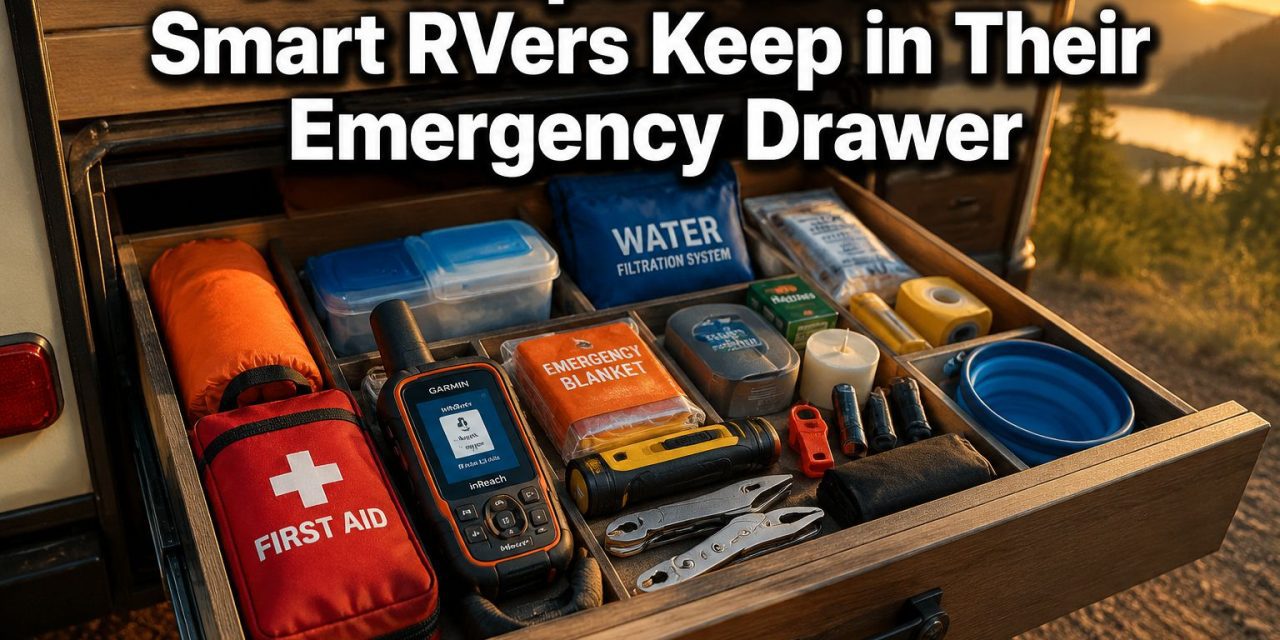
Introduction: The Drawer That Could Save Your Trip — or Your Life
(As an amazon affiliate, we earn a commission when purchasing via our links below)
Picture this: You’re parked at a gorgeous dispersed campsite deep in a national forest, two hours from the nearest town, with no cell signal and a sky full of stars. It’s the kind of night that reminds you exactly why you fell in love with RV life. Then something goes wrong.
Maybe it’s a medical emergency. Maybe your rig throws a mechanical fit. Maybe a sudden storm rolls in and knocks out your power. Whatever the scenario, experienced RVers know that the difference between a manageable situation and a full-blown crisis often comes down to one thing: what’s in your emergency drawer.
Most of us have the basics covered — a first aid kit, a flashlight, maybe some extra fuses. But smart RVers? They go further. They think about the unexpected emergencies, the weird middle-of-nowhere problems, the “I never thought I’d need this but thank goodness I have it” moments. They’ve stocked their emergency drawer with items that most people wouldn’t even think to pack.
That’s exactly what this guide is about. We’re going to walk you through 16 items that experienced, road-savvy RVers keep in their emergency drawers — items that might surprise you, but that could make an enormous difference when things go sideways. We’ll take a deep dive into one of the most important tools on the list — the Garmin inReach Mini 2 — and then round out the full list with the other 15 items that deserve a permanent spot in your rig.
Whether you’re a full-timer logging thousands of miles a year or a weekend warrior who loves getting off the beaten path, this guide is for you. Let’s dig in.
Why Your Emergency Drawer Matters More Than You Think
Before we get into the list, let’s talk about why this matters so much for RVers specifically.
Unlike hotel travelers or car campers, RVers often find themselves in genuinely remote situations — boondocking in the desert, parked on a forest service road, or tucked into a mountain valley where the nearest neighbor is miles away. You’re essentially carrying your home into the wilderness, and that home has electrical systems, plumbing, propane lines, tires, and a hundred other things that can fail at the worst possible moment.
Add to that the fact that RVers tend to be adventurous by nature. You want to get off the beaten path. You want to find that hidden lake or that empty canyon. But the further you roam from civilization, the more important it becomes to be prepared.
The items on this list aren’t about being paranoid. They’re about being smart. They’re about giving yourself options when things don’t go according to plan. And honestly? Most of them are inexpensive, lightweight, and take up almost no space. There’s really no reason not to have them.
Let’s start with the big one.
-
 Would You Like To Save This Article?Buy Now$363.95
We earn a commission if you make a purchase, at no additional cost to you.
09/27/2026 09:06 am GMT -
 Buy Now$94.53
We earn a commission if you make a purchase, at no additional cost to you.
09/27/2026 09:06 am GMT -
 Buy Now$10.99
We earn a commission if you make a purchase, at no additional cost to you.
09/27/2026 09:06 am GMT -
 Buy Now$36.99
We earn a commission if you make a purchase, at no additional cost to you.
09/27/2026 09:06 am GMT -
 Buy Now$129.95
We earn a commission if you make a purchase, at no additional cost to you.
09/27/2026 09:06 am GMT -
 Buy Now$9.97
We earn a commission if you make a purchase, at no additional cost to you.
09/27/2026 09:06 am GMT -
 Buy Now$35.99
We earn a commission if you make a purchase, at no additional cost to you.
09/27/2026 09:06 am GMT -
 Buy Now$19.89
We earn a commission if you make a purchase, at no additional cost to you.
09/27/2026 06:06 pm GMT -
 Buy Now$17.99
We earn a commission if you make a purchase, at no additional cost to you.
09/27/2026 09:06 am GMT -
 Buy Now$17.99
We earn a commission if you make a purchase, at no additional cost to you.
09/27/2026 09:06 am GMT -
 Buy Now$46.99
We earn a commission if you make a purchase, at no additional cost to you.
09/27/2026 09:06 am GMT -
 Buy Now$14.85
We earn a commission if you make a purchase, at no additional cost to you.
09/27/2026 09:06 am GMT -
 Buy Now$53.99
We earn a commission if you make a purchase, at no additional cost to you.
09/27/2026 09:06 am GMT -
 Buy Now$5.99
We earn a commission if you make a purchase, at no additional cost to you.
09/27/2026 09:06 am GMT -
 Buy Now$8.99
We earn a commission if you make a purchase, at no additional cost to you.
09/27/2026 09:06 am GMT -
 Buy Now$11.17
We earn a commission if you make a purchase, at no additional cost to you.
09/27/2026 09:06 am GMT
Product Review: Garmin inReach Mini 2
Overview
If there’s one item on this entire list that could genuinely save your life, it’s the Garmin inReach Mini 2. This compact satellite communicator is the kind of device that experienced overlanders, backcountry hikers, and full-time RVers swear by — and once you understand what it does, you’ll wonder how you ever traveled without one.
The core idea is simple but powerful: when you’re outside of cellular coverage — which, if you’re boondocking or exploring remote areas, is often — the inReach Mini 2 gives you a way to communicate with the outside world via satellite. It uses the Iridium satellite network, which is one of the most reliable satellite networks on the planet, with truly global coverage. That means it works in the middle of the desert, deep in a canyon, on a remote mountain road, or anywhere else your cell signal has long since given up.
Key Features
Two-Way Satellite Messaging Unlike a personal locator beacon (PLB), which can only send a one-way distress signal, the inReach Mini 2 allows for genuine two-way communication. You can send and receive text messages with friends, family, or emergency responders — even when you’re completely off the grid. This is huge. It means you can let your family know you’re running late, coordinate a pickup if your rig breaks down, or stay in touch during an extended boondocking trip without anyone worrying back home.
Interactive SOS This is the feature that makes the inReach Mini 2 a true emergency tool. When you trigger the SOS function, it connects you directly to Garmin’s 24/7 International Emergency Response Coordination Center (IERCC). Unlike a standard PLB that just sends your location and hopes for the best, the inReach Mini 2 lets you have an actual back-and-forth conversation with emergency responders via satellite messaging. You can describe your situation, receive updates on rescue progress, and stay informed throughout the entire process. In a genuine emergency, that two-way communication is invaluable.
GPS Tracking and Location Sharing The inReach Mini 2 can automatically track and share your location at set intervals, so friends and family can follow your journey on a map in real time using Garmin’s MapShare feature. This is fantastic for peace of mind — both yours and theirs. If something goes wrong and you can’t send a message, your loved ones can see your last known location and know where to direct help.
Pairing with Your Smartphone The device pairs with the Garmin Explore app on your smartphone, which makes it much easier to compose and read messages on a larger screen. You can also access detailed maps, waypoints, and routes through the app. The Mini 2 itself has a small screen that works fine for basic functions, but the app integration makes the whole experience much smoother.
Weather Forecasts With an active subscription, you can request basic or premium weather forecasts for your exact GPS location. For RVers, this is genuinely useful — knowing that a storm is rolling in before you’re committed to a remote campsite can save you a lot of headaches (and potentially a lot worse).
Battery Life The inReach Mini 2 offers up to 14 days of battery life in 10-minute tracking mode, or up to 30 days in power save mode. For extended boondocking trips, this is more than adequate. It charges via USB-C, which is convenient.
Size and Weight The “Mini” in the name is no joke. This thing is tiny — about the size of a large matchbox — and weighs just 100 grams (3.5 oz). It clips onto a bag, a belt loop, or a lanyard, and it takes up virtually no space in your emergency drawer. There’s really no excuse not to have it.
Subscription Required It’s worth noting that the inReach Mini 2 requires an active satellite subscription to use its messaging and SOS features. Garmin offers several plans starting at around $14.95/month for a safety plan (SOS only) up to $64.95/month for unlimited messaging. You can also activate and deactivate plans seasonally, which is great for RVers who only travel part of the year. The subscription cost is real, but when you consider what you’re getting — a lifeline to the outside world from literally anywhere on Earth — it’s hard to argue with the value.
Who It’s Best For
The Garmin inReach Mini 2 is best for RVers who regularly travel in areas with limited or no cell coverage. If you stick to developed campgrounds with full hookups and reliable cell service, you might be able to get by without it. But if you love boondocking, dispersed camping, remote national forests, or off-road adventures, this device is essentially non-negotiable.
It’s also a must-have for solo RVers. When you’re traveling alone and something goes wrong — a fall, a medical episode, a breakdown on a remote road — having a way to call for help regardless of cell coverage could be the difference between a rescue and a tragedy.
Full-timers, long-distance travelers, and anyone who ventures into truly remote territory should consider this an essential investment, not a luxury.
Pros
- Truly global satellite coverage via Iridium network
- Two-way messaging (not just one-way SOS)
- Interactive SOS with live communication with emergency responders
- Compact and lightweight
- Pairs with smartphone app for easy messaging
- GPS tracking and location sharing for family peace of mind
- Weather forecast capability
- Flexible subscription plans
Cons
- Requires ongoing subscription for full functionality
- $399.99 upfront cost is significant
- Small screen on the device itself (though app mitigates this)
- Satellite messaging can have slight delays
Bottom Line
The Garmin inReach Mini 2 is the single most important emergency item on this list. Yes, it costs $399.99 plus a monthly subscription. But it gives you a direct line to emergency services and your loved ones from anywhere on the planet. For anyone who spends serious time in remote areas — and most passionate RVers do — this is an investment that pays for itself the moment you actually need it. Don’t leave home without it.
The Other 15 Unexpected Items Smart RVers Keep in Their Emergency Drawer
Now that we’ve covered the crown jewel of any RV emergency kit, let’s round out the full list. These 15 additional items might surprise you — they’re not the obvious stuff you’d find on a basic camping checklist. These are the things that experienced RVers have learned to carry through hard-won experience on the road.
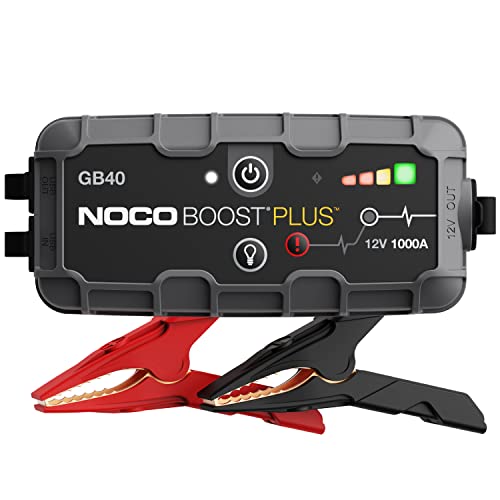
2. A Portable Battery Jump Starter (Lithium-Ion)
You probably know you should have jumper cables. But smart RVers have upgraded to a compact lithium-ion jump starter — a device about the size of a thick paperback book that can jump-start your tow vehicle, truck, or even your RV’s chassis battery without needing another vehicle nearby.
These devices have gotten remarkably powerful and affordable in recent years. Look for one with at least 1000 peak amps for most gas engines (2000+ for diesel). Many also double as a USB power bank for charging devices. Brands like NOCO Boost and Antigravity make excellent options in the $80–$150 range.
The unexpected part? Many RVers forget that their tow vehicle or motorhome chassis battery can die just from sitting at a campsite for a few days with parasitic draws. Having a jump starter means you’re never truly stranded.
3. Duct Tape and Flex Tape (Both!)
Yes, everyone knows about duct tape. But experienced RVers carry both duct tape AND Flex Tape (or a similar waterproof rubberized tape). Here’s why: duct tape is fantastic for dozens of quick fixes, but it fails miserably when wet. Flex Tape, on the other hand, can seal a leaking water line, patch a cracked holding tank, or stop a roof leak in the rain — situations where duct tape would just peel right off.
Carrying both gives you a tape solution for virtually any situation. Store them in a zip-lock bag to keep them from getting gummy in the heat.
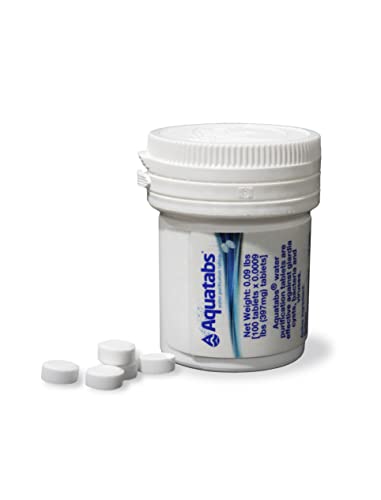
4. A Water Purification Method
Most RVers carry fresh water in their tank, but what happens if you run out in a remote location? Or if your water source turns out to be questionable? Smart RVers keep a backup water purification option in their emergency drawer — whether that’s purification tablets, a LifeStraw, or a compact Sawyer Squeeze filter.
This is one of those items that seems unnecessary right up until the moment it isn’t. Water is non-negotiable for survival, and having a backup purification method weighs almost nothing and costs very little.
5. A Multitool with Pliers
Not just any pocket knife — a quality multitool with pliers (Leatherman and Gerber are the gold standards). The pliers function alone is worth its weight in gold for RV repairs: tightening hose clamps, pulling out a stripped screw, bending a bracket back into shape. The knife, screwdrivers, wire cutters, and file that come along for the ride are just bonuses.
A good multitool can handle an astonishing range of roadside repairs that would otherwise require a full toolbox. It’s one of the most versatile items you can carry.
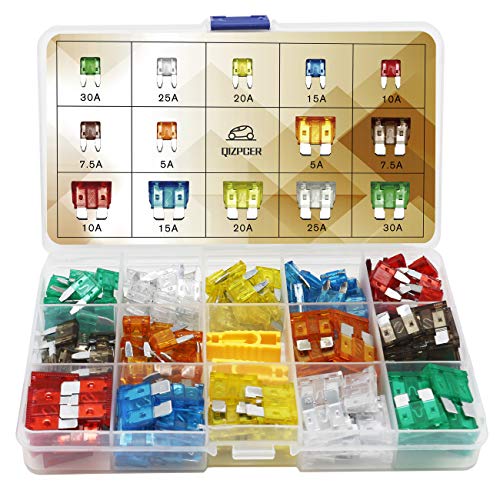
6. Spare Fuses (Full Assortment)
This one sounds obvious, but here’s the unexpected part: most RVers carry fuses for their tow vehicle but forget about the RV’s own fuse panel. Modern RVs have multiple fuse panels — often one for the 12V DC systems and another for the 120V AC systems — and a blown fuse can take out your slides, your awning, your water pump, or your lighting.
Carry a full assortment of automotive blade fuses (mini, standard, and maxi) plus any specialty fuses your specific rig requires. Check your owner’s manual and buy a few extras of every size. A $10 fuse assortment kit from any auto parts store could save your entire trip.
7. A Tire Plug Kit and 12V Air Compressor
A flat tire on an RV is a serious situation, but a tire plug kit paired with a 12V air compressor can get you back on the road from a simple puncture without waiting hours for roadside assistance. Plug kits are inexpensive (under $20) and surprisingly easy to use — even for people who’ve never done it before.
The unexpected item here is the compressor. Many RVers have a plug kit but no way to reinflate the tire afterward. A compact 12V compressor that plugs into your power outlet or directly to your battery completes the kit. Look for one that can handle the higher PSI requirements of RV tires.
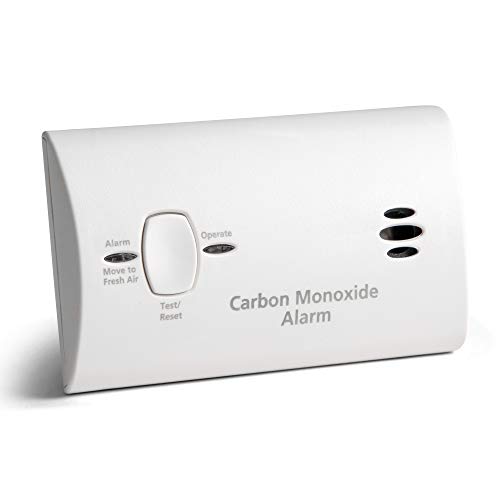
8. A Carbon Monoxide and Propane Detector (Battery-Operated Backup)
Most RVs come with built-in CO and propane detectors, but here’s the thing: those detectors run on your RV’s 12V system. If your batteries are dead or your electrical system has a problem, those detectors go dark. Smart RVers keep a battery-operated backup CO/propane combo detector in their emergency drawer.
Carbon monoxide poisoning is one of the leading causes of accidental death in camping situations. This is not an item to skip. A good battery-operated combo detector costs around $30–$50 and could literally save your life.
9. A Waterproof Document Pouch with Copies of Critical Documents
Here’s one that surprises a lot of people: a waterproof pouch containing copies of your critical documents. We’re talking about copies of your RV registration, insurance cards, roadside assistance membership info, your driver’s license, passport, health insurance cards, and emergency contact information.
Why? Because if your RV is damaged, flooded, or catches fire, the originals might be destroyed or inaccessible. Having copies in a waterproof pouch in your emergency drawer means you’ll always have the information you need to deal with insurance, law enforcement, or medical personnel — even in a worst-case scenario.
10. A Headlamp (Not Just a Flashlight)
Most RVers have a flashlight. Fewer have a headlamp, and that’s a mistake. When you’re trying to fix a problem under your RV in the dark, or navigate through a campsite during a power outage, having both hands free is absolutely invaluable. A flashlight requires one hand; a headlamp doesn’t.
Look for a headlamp with multiple brightness settings and a red-light mode (red light preserves night vision and is less disruptive to other campers). Brands like Black Diamond and Petzl make excellent options in the $30–$60 range. Keep fresh batteries or a charged rechargeable unit in your emergency drawer.
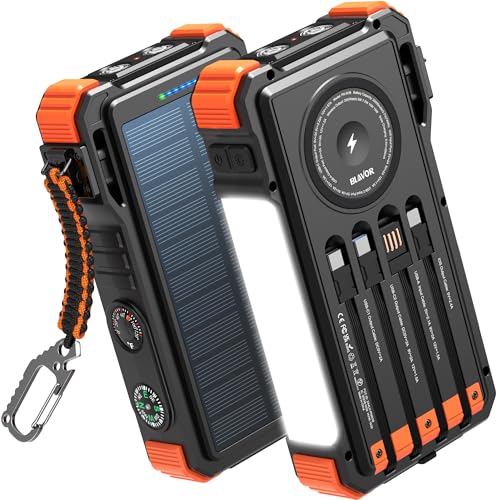
11. A Portable Power Bank (High Capacity)
Your phone is your map, your communication device, your weather app, your roadside assistance contact, and your entertainment system. When the power goes out — whether from a dead battery, a blown inverter, or a campground outage — keeping your phone charged becomes critical.
A high-capacity portable power bank (20,000mAh or larger) in your emergency drawer ensures your phone and other small devices stay powered through extended outages. Look for one with multiple USB ports and, ideally, USB-C Power Delivery for faster charging. In a true emergency, a charged phone is one of your most important assets.
12. Emergency Mylar Blankets
These are shockingly underrated. Emergency mylar blankets (also called space blankets) are paper-thin, weigh almost nothing, fold up to the size of a deck of cards, and reflect up to 90% of your body heat back to you. They’re genuinely life-saving in hypothermia situations.
But here’s the unexpected use that RVers love: they can also be used to reflect sunlight away from your RV in extreme heat, helping to keep the interior cooler during a power outage. Keep a pack of 4–6 in your drawer. They cost about $10 for a pack and take up essentially zero space.
13. A Hand-Crank or Solar Emergency Radio
If a major storm, wildfire, or other disaster is developing in your area, you need to know about it. Cell service might be down, your satellite communicator might not give you broadcast emergency alerts, and your RV’s radio requires the engine to be running.
A hand-crank or solar-powered emergency weather radio — one that receives NOAA weather alerts — gives you a completely independent way to receive critical emergency broadcasts. Many models also include a built-in flashlight and USB charging port, making them a multi-purpose emergency tool. Good options are available for $30–$60.
14. A Basic Sewing Kit and Safety Pins
This one makes people laugh — until they need it. A compact sewing kit with safety pins has saved more camping trips than you’d expect. Torn awning fabric, a ripped screen door, a broken zipper on your favorite jacket, a split seam on your slide-out cover — these are the kinds of small but annoying problems that a basic sewing kit can fix in minutes.
Safety pins alone are incredibly versatile for quick fixes on fabric, straps, clothing, and gear. A small travel sewing kit costs about $5 and takes up almost no space. It’s one of those items where the cost-to-usefulness ratio is almost comically high.
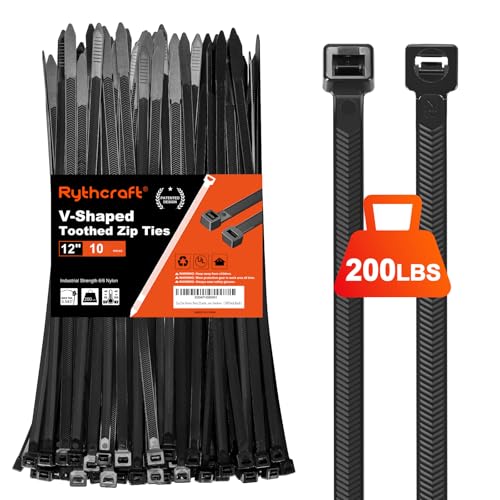
15. Zip Ties (Multiple Sizes)
If duct tape is the RVer’s best friend, zip ties are a close second. These incredibly versatile fasteners can temporarily secure a loose mudflap, bundle cables, reinforce a broken bracket, hold a cracked bumper in place, or organize gear in a pinch. Experienced RVers carry them in multiple sizes — small, medium, and large — because you never know what you’ll need to secure.
A bag of assorted zip ties costs about $8 and takes up almost no space. They’re one of those items that you’ll reach for more often than you’d ever expect.
16. A Printed Local Area Map
Last on the list, and possibly the most old-school item here: a printed paper map of the area you’re traveling in.
Here’s the thing — GPS is wonderful, right up until your phone battery dies, your GPS device loses signal in a deep canyon, or your cellular data runs out. Paper maps don’t need batteries, don’t need signal, and don’t crash. They always work.
Smart RVers print out or purchase paper maps of the regions they’re traveling through — especially when heading into remote areas. National forest maps, BLM maps, and state road maps are all invaluable. Many are available for free from ranger stations or for a few dollars online. Fold one up, stick it in your emergency drawer, and hope you never need it. But if you do, you’ll be very glad it’s there.
How to Organize Your Emergency Drawer
Now that you’ve got 16 items to consider, let’s talk briefly about organization — because a chaotic emergency drawer defeats the purpose.
Use a dedicated drawer or container. Don’t mix your emergency items with your junk drawer. Keep them separate and clearly labeled so you can find what you need quickly under stress.
Group items by category. Keep communication devices (inReach Mini 2, emergency radio, power bank) together. Keep repair items (zip ties, duct tape, fuses, tire plug kit) together. Keep safety items (mylar blankets, CO detector, water purification) together.
Check your drawer every season. Batteries die, subscriptions lapse, and items get borrowed and not returned. Do a quick inventory check at the start of each camping season to make sure everything is present and functional.
Keep the most critical items accessible. The Garmin inReach Mini 2, your headlamp, and your emergency documents should be the easiest things to grab. Don’t bury them under everything else.
Tell your travel companions where it is. In an emergency, you might not be the one reaching for the drawer. Make sure anyone traveling with you knows exactly where the emergency supplies are and how to use the most critical items — especially the inReach Mini 2’s SOS function.
Final Verdict: Building the Ultimate RV Emergency Drawer
Let’s bring it all together.
The 16 items on this list represent the kind of preparedness that separates experienced, confident RVers from those who are one bad day away from a serious crisis. None of these items are particularly heavy or expensive. Most of them will sit in your drawer for years without being needed. But on the day you do need them, you’ll be incredibly grateful they’re there.
Here’s our priority ranking for building out your emergency drawer:
Start here (highest priority):
- Garmin inReach Mini 2 — Your lifeline when cell service fails. This is non-negotiable for anyone who travels in remote areas.
- Battery-operated CO/propane detector — A safety item that could literally save your life.
- Portable lithium jump starter — Because a dead battery is one of the most common RV emergencies.
- Waterproof document pouch — Protects critical information you’ll need in any emergency.
Add next (high value, low cost): 5. Emergency mylar blankets 6. Tire plug kit + 12V air compressor 7. Spare fuse assortment 8. High-capacity power bank 9. Hand-crank emergency weather radio
Round out your kit: 10. Headlamp 11. Water purification method 12. Multitool with pliers 13. Duct tape + Flex Tape 14. Zip ties (assorted sizes) 15. Sewing kit and safety pins 16. Printed local area map
The total cost of items 2–16 is probably in the range of $200–$400, depending on the brands you choose. Add the Garmin inReach Mini 2 at $399.99 plus a modest monthly subscription, and you’re looking at a total investment of somewhere around $600–$800 for a genuinely comprehensive emergency kit.
That might sound like a lot, but consider what you’re protecting: your safety, your family’s safety, your rig, and your ability to keep adventuring. Compared to the cost of a single towing bill, a night in an emergency room, or the price of a ruined trip, it’s a bargain.
Our top recommendation remains the Garmin inReach Mini 2. It’s the most sophisticated, most capable, and most important item on this list. If you only buy one new thing for your emergency drawer after reading this guide, make it that. The two-way satellite communication, interactive SOS, and GPS tracking it provides are genuinely in a category of their own — there’s simply no substitute for having a reliable way to call for help from anywhere on Earth.
The rest of the list? Work through it at your own pace. Every item you add makes you a little more prepared, a little more confident, and a little more capable of handling whatever the road throws at you.
Happy trails, and stay safe out there.
Quick Reference: The Full List
Prices are approximate and subject to change. Always verify current pricing and availability before purchasing.